Inside the AI Rack War: MediaTek and Foxconn Race Toward the Copper-to-Optics Era

Source:Chien-Tong Wang
Taiwan's semiconductor ecosystem is undergoing a quiet transformation, as Nvidia pulls local suppliers deeper into AI infrastructure development, firms once dismissed as low-end manufacturers are emerging as genuine technology co-creators. But as the industry pivots from copper to optical interconnects, can Taiwan's supply chain move fast enough up the value chain to remain irreplaceable?
Views
Inside the AI Rack War: MediaTek and Foxconn Race Toward the Copper-to-Optics Era
By Liang-rong Chenweb only
At one of the side events surrounding Computex 2026 — Jensen Huang’s GTC Taipei 2026 press conference — a BBC reporter posed a politically loaded “trap question”: was Nvidia’s planned $100 billion procurement spending in Taiwan effectively “an investment in Taiwan’s future”?
It was one of the rare moments when Jensen Huang appeared visibly irritated. Still, he answered cautiously, emphasizing that “Taiwan truly understands manufacturing” and remains “the epicenter of the AI ecosystem.” Unsurprisingly, many Taiwanese viewers were thrilled by the remarks.
In fact, just days earlier, Chris Miller — author of Chip War and professor of international history at Tufts University — expressed a similar view during an appearance on my podcast, Tech Taiwan.
“Taiwan and Silicon Valley are the two epicenters of AI,” Miller said. More importantly, he described the relationship as one of “symbiosis.”
He further emphasized that Silicon Valley’s interest in Taiwan has expanded far beyond TSMC and now encompasses the broader AI supply chain.
“That puts Taiwan in a much stronger position,” Miller said. Silicon Valley companies such as Nvidia now involve Taiwanese suppliers much earlier in product development cycles, forcing Taiwanese firms to become more R&D-driven and participate in earlier-stage technology development rather than simply serving as component suppliers.
The clearest example is liquid cooling.
Cooling systems have become a critical enabling technology for future AI performance scaling, determining whether next-generation AI systems can continue increasing performance without overheating.
Major Nvidia suppliers such as Cooler Master and AVC(奇鋐) — companies traditionally dismissed as low-end metal-bending shops — now employ thousands of R&D engineers. In some cases, their R&D spending has reached 5% of revenue, rivaling many traditional high-tech firms.
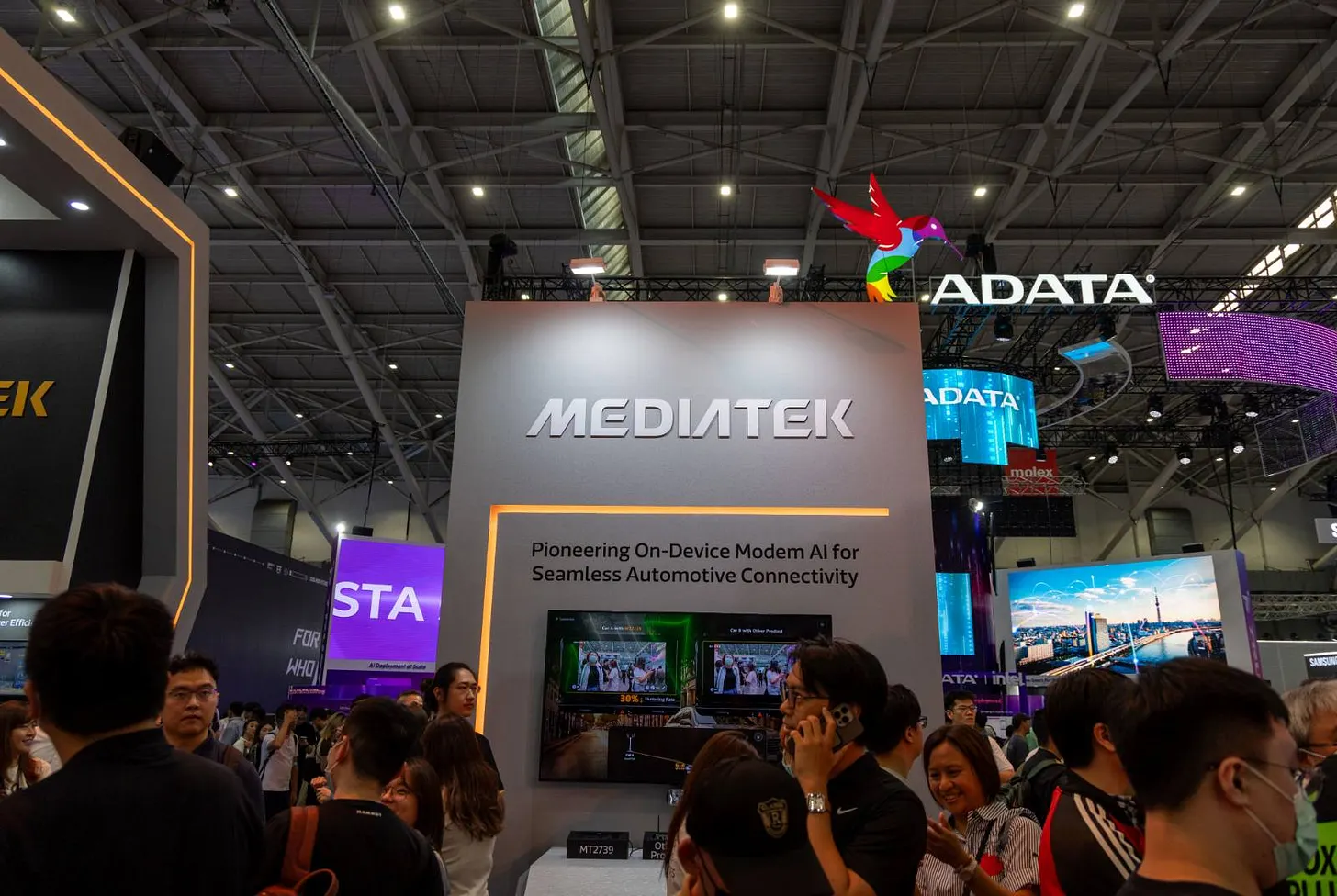
MediaTek unveils what may be the world’s first MicroLED optical transceiver
The newest — and perhaps most cutting-edge — example at Computex was MediaTek(聯發科).
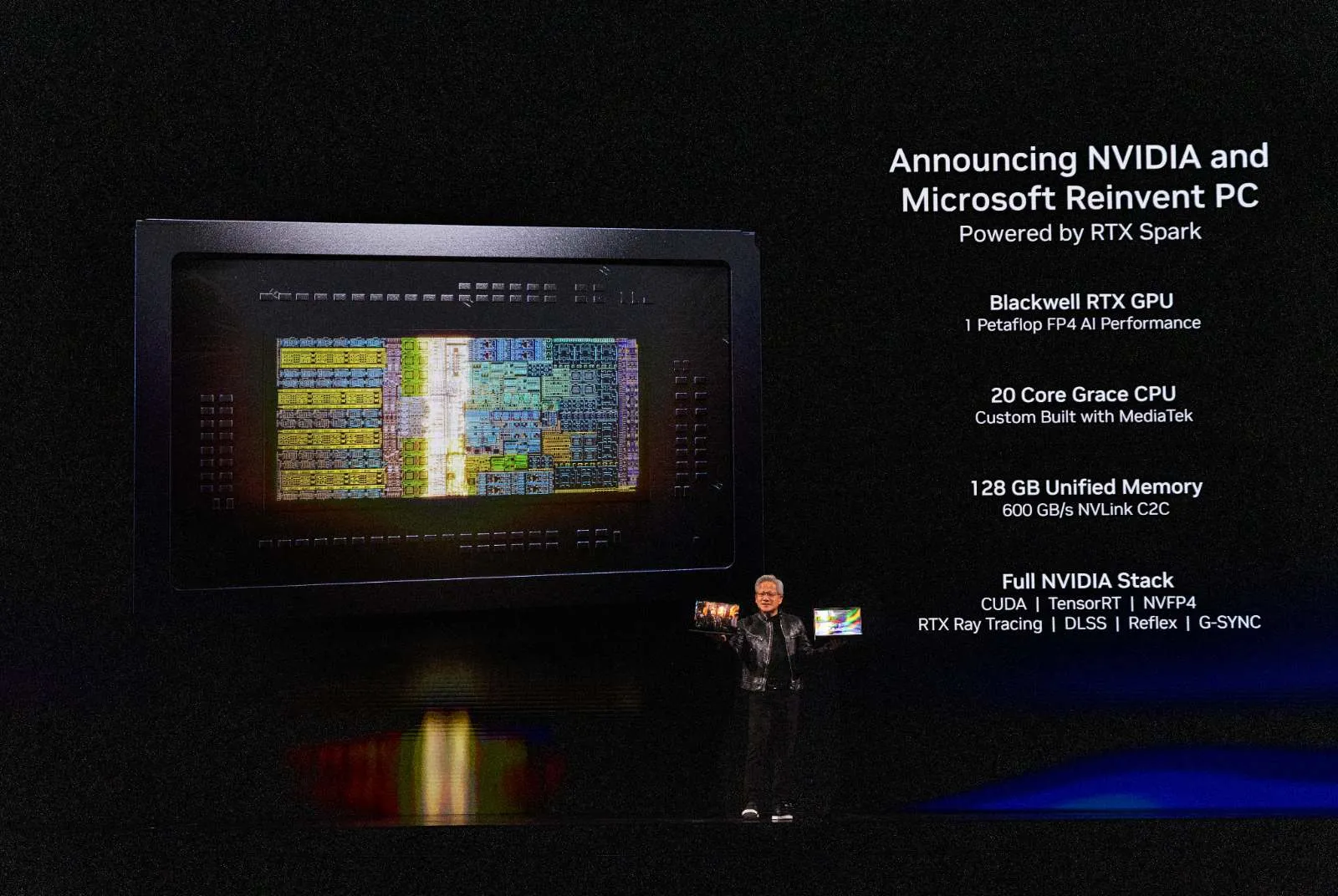
Not because of its jointly developed AI PC platform “RTX Spark” with Nvidia, but because of two tiny silver optical transceivers sitting quietly in the corner of MediaTek’s massive booth, surrounded by robots and giant displays.
These may represent the world’s first optical transceivers to use MicroLED light sources instead of traditional VCSEL micro-lasers.
(To read this exclusive story in full, visit the Tech Taiwan Substack)
Have you read?
- Chips, Chops, and Chessboards: How Computex 2026 Proved Tech is More Than Just Servers
- Computex 2026: How Nvidia and Qualcomm Are Splitting the Map for the Agentic AI Era
- Exclusive: Why Cooling Problems Threaten Nvidia’s Most Important AI Launch Yet
Uploaded by Ian Huang
Views

Subscribe to CWE Newsletter (every Thursday)
Stay abreast of what's happening in Taiwan with our weekly digest.
Keywords: