Trump Unveils $12B Rare-Earth Stockpile to Counter China
Source:UPI
February 3, 2026 -- Today’s top stories: Trump Unveils $12B Rare-Earth Stockpile to Counter China, Oracle Seeks Up to $50B to Fuel AI Infrastructure Boom, and Europe Turns to China’s BYD, Yutong for Electric Buses.
Views
Trump Unveils $12B Rare-Earth Stockpile to Counter China
By CommonWealth Magazineweb only
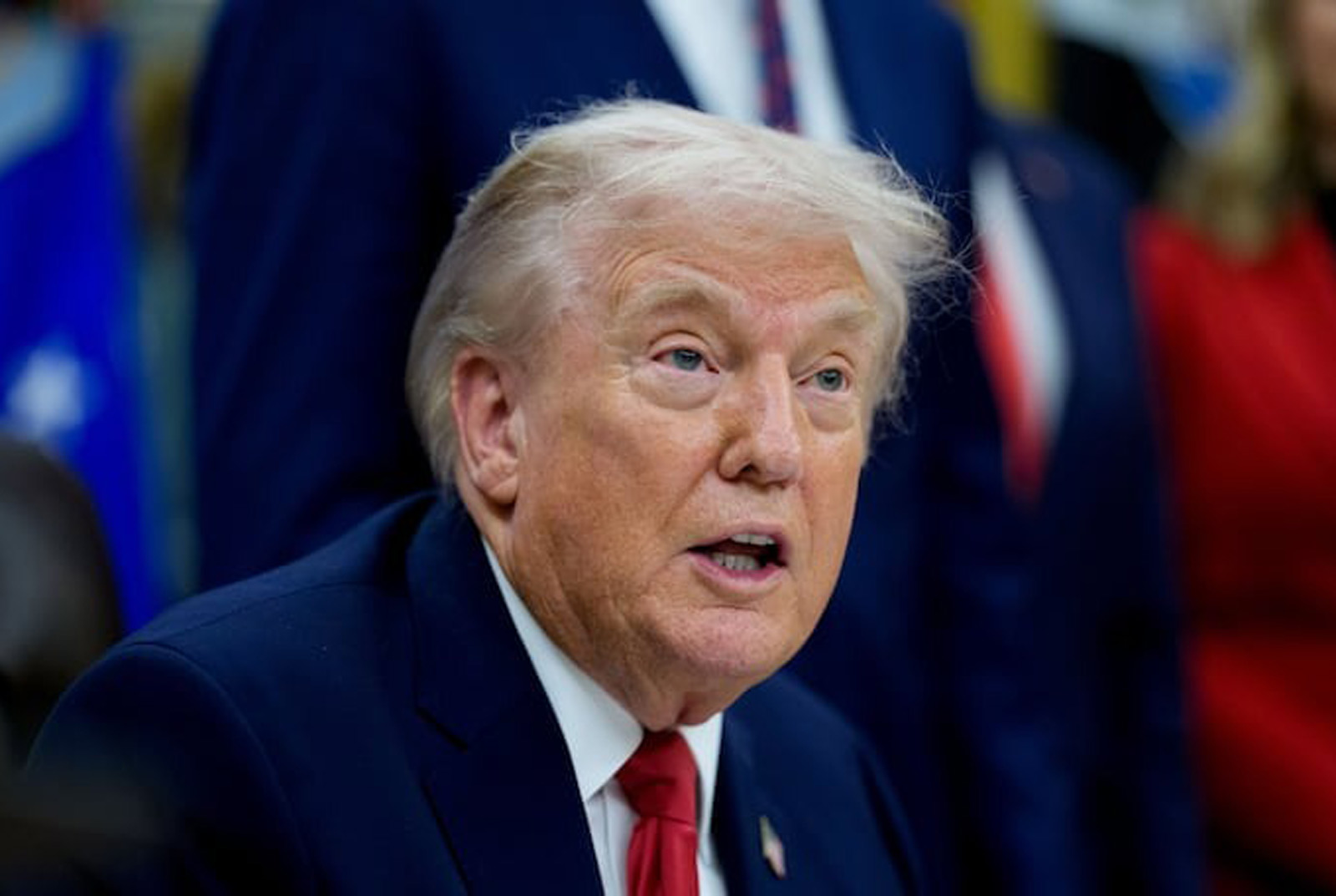
Trump to launch $12 billion rare earth mineral stockpile
The Trump administration plans to launch a $12 billion stockpile of rare earth minerals to curb US dependence on China.
The project, called Project Vault, will be funded by a $10 billion loan from the US Export-Import Bank and about $1.67 billion in private capital.
The plan seeks to procure and store rare-earth minerals that are critical to the automotive, defense, and tech industries.
Minerals would be stored for use by US manufacturers.
Some critical minerals that are of interest to tech companies and electric vehicle manufacturers include cobalt, lithium, titanium, silicon, nickel, and graphite.
The idea is to ensure a steady stream of minerals for defense companies, automakers, and other firms.
Once established, the stockpile will give key American companies access to a 60-day supply of minerals for emergency use.
Reference Sources
- upi - Trump to launch $12 billion rare earth mineral stockpile
- wsj - Trump Administration to Create $12 Billion Rare Earth Stockpile to Counter China
- yahooen - Trump administration to create a strategic reserve for rare earths elements
- washingtontimes - Trump looks to secure critical minerals through first-of-its-kind stockpile
- abcnetau - Trump administration to unveil rare-earths mineral stockpile to counter China
Oracle plans to raise $45 billion to $50 billion in 2026
Oracle has announced plans to raise between $45Bn and $50Bn this year to fund its artificial intelligence infrastructure Buildout, seeking fresh capital to satisfy growing demand from clients.
The Cloud-Services giant said it expects to raise the money through a combination of debt and equity to build capacity for its cloud infrastructure business so it can meet demand it has already contracted from clients such as Nvidia, Meta platforms, TikTok, ChatGPT-maker OpenAI, Elon Musk’s xAI, and chip maker Advanced Micro Devices (AMD).
While companies continue to ramp up capacity despite limited visibility into potential returns, investors are concerned about whether a surge in artificial Intelligence-Related spending across the technology sector would generate sustained demand.
Oracle has kicked off a US dollar bond offering as the software giant looks to raise $45Bn to $50Bn through a combination of debt and equity sales to build additional cloud infrastructure capacity.
The bond deal is expected to be about $20Bn to $25Bn, according to people with knowledge of the matter, who asked not to be identified because they’re not authorized to speak publicly.
Oracle will raise debt in one single issuance of bonds to cover half of its planned funding for the year and doesn’t expect to issue additional notes beyond that in 2026, according to a statement.
The rest will be raised through a combination of equity-linked and common equity issuances.
Reference Sources
- wsj - Oracle Plans to Raise Up to $50 Billion for AI Infrastructure Buildout
- thestarmy - Oracle shares fall as investors assess up to $50 billion AI funding plan
- bloomberg - Oracle Kicks Off Eight-Part Dollar Bond Sale in AI Funding Rush
- thestarmy - Oracle plans to raise $45 billion to $50 billion in 2026
- bernama - Oracle To Raise Up To US$50 Bln To Expand Cloud Infrastructure
EU companies adopt BYD, Yutong buses despite China security fears
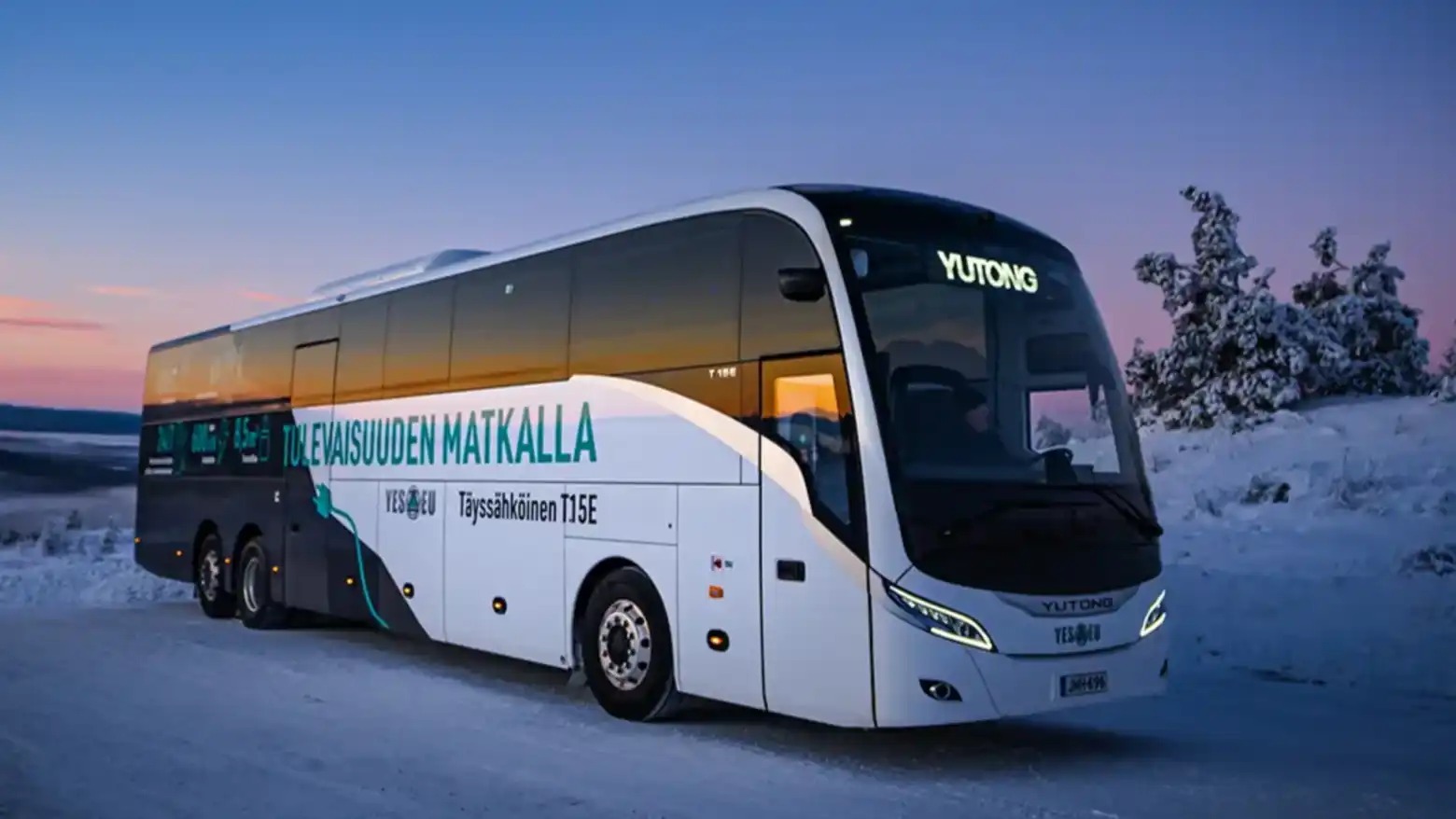
China's BYD and Yutong electric buses are becoming increasingly popular in Germany and neighboring countries, despite concerns in Europe about ceding infrastructure control to Chinese companies.
Transportation companies in Germany, Belgium, and Austria are adding China-Made electric buses to their fleets, with operators saying they are cheaper and better made.
BYD buses, which can operate Eight-Hour shifts once fully charged, are "significantly cheaper" than European makes.
Other operators suggested BYD buses were about €100,000 cheaper than those of Germany's MAN or Daimler buses, which usually go for about €600,000 each. Apart from price, BYD's design was also more practical. "Unlike buses from domestic manufacturers that carry the batteries on the roof and in the rear, BYD placed [three of its five] batteries under the floors, which provides the driver with a safer center of gravity, and BYD's batteries are less prone to catching fire in the event of accident," said Horst Bottenschein, CEO of passenger bus company Bottenschein Reisen.
Germany's transportation companies are under pressure to overhaul their fleets as diesel buses will no longer be allowed to operate in cities from 2030, barring extenuating circumstances.
Reference Sources
The CommonWealth English daily news digest is a service curated by CommonWealth English team with the help of AI tools.
Have you read?
- Nvidia–OpenAI $100B Plan Put on Ice, Huang Says
- Microsoft Stock Tumbles as AI Spending Rattles Investors
- Google Moves to Dismantle Chinese Cyber Proxy Network
Uploaded by Ian Huang
Views

Subscribe to CWE Newsletter (every Thursday)
Stay abreast of what's happening in Taiwan with our weekly digest.
Keywords: