Microsoft’s Climate Goals Under AI Pressure

Source:Shutterstock
May 7, 2026 -- Today’s top stories: Microsoft’s Climate Goals Under AI Pressure, New Zealand Scrambles for Fuel Security, and China Bets on Cheaper AI to Compete Globally.
Views
Microsoft’s Climate Goals Under AI Pressure
By CommonWealth Magazineweb only
Microsoft may shelve 2030 clean energy target as AI lifts power use–Bloomberg
Microsoft is reportedly considering delaying or abandoning its 2030 goal of matching its entire hourly electricity use with renewable energy purchases.
The expensive and energy-intensive push for data centers is reshaping the feasibility of Microsoft's climate commitments that were made before the AI era and rank among the industry's most ambitious targets.
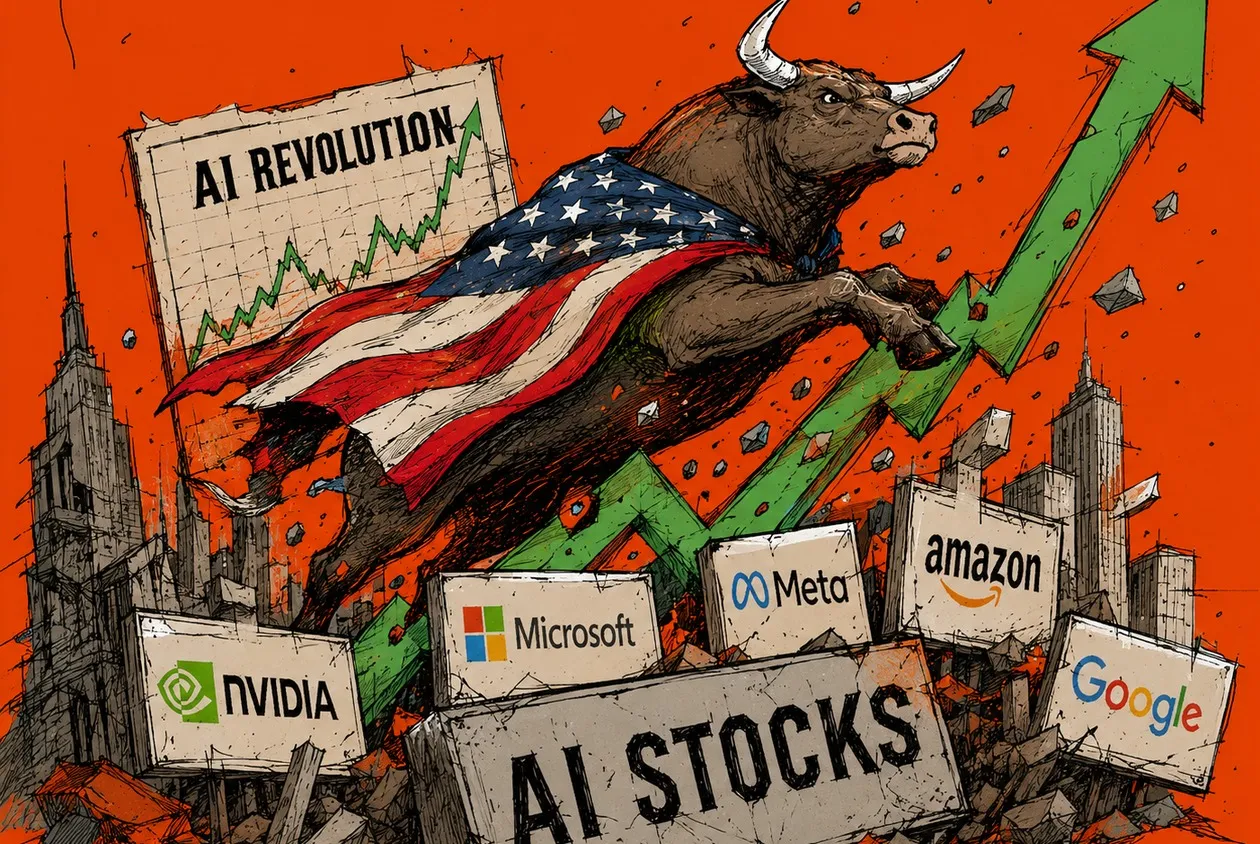
The discussions are ongoing, and no final decision has been made. Like rivals Amazon and Alphabet, the Windows maker is spending hundreds of billions of dollars to build out artificial intelligence infrastructure needed to power services such as its Copilot assistant and Azure cloud service.
Some of the new data centers tech companies are developing are expected to have multiple Gigawatts of capacity. A single Gigawatt is enough to roughly power 750,000 U.S. homes.
The power rush of those data centers has sparked a flurry of deals, including those for nuclear energy.
It has also boosted demand for natural gas, which some industry executives have said is faster and easier to deploy than Renewables.
Microsoft in 2024 agreed a power deal with Constellation Energy to help resurrect a unit of the Three Mile Island nuclear plant in Pennsylvania.
Reference Sources
New Zealand Eyes Fuel Storage Options in Singapore and Malaysia

New Zealand is weighing fuel storage in Malaysia and Singapore as the Iran war exposes vulnerabilities in its limited domestic reserves.
The area around Singapore and Southern Malaysia is a major fuel refining and storage Hub for Asia.
New Zealand lost a vast portion of its fuel storage capacity when its only refinery at Marsden Point north of Auckland closed in 2022.
The outbreak of the Iran war and the closure of the Strait of Hormuz have pressured Asia, as the region relies heavily on oil and gas from the Middle East. That’s set off a scramble among nations to lock up supplies and seek assurances of steady supplies. Last month, Prime Minister Christopher Luxon’s government contracted Channel Infrastructure NZ Ltd., which operates a fuel import terminal at the former refinery site, to Recommission tanks for diesel storage.
It also announced a deal last week with Z Energy — a unit of Australian fuel company Ampol Ltd. — to secure an additional nine days of diesel supply. And it’s assessing whether additional jet fuel supplies may be needed.
The idea of overseas storage was raised during talks with Z Energy as a way to create a further buffer. “Officials are pursuing those options as we speak,” said Resources Minister Shane Jones.
Reference Sources
In the global AI race, a sanctioned Chinese firm says cheaper models can still win

China's artificial intelligence (AI) industry is facing increasing pressure to innovate, expand its user base, and generate revenue.
DeepSeek, Moonshot AI, Alibaba, and Xiaomi have all dropped new models in recent weeks, jostling for position on Leaderboards. From native AI startups to platform giants, companies across the sector face growing pressure to innovate, expand their user base, and find paths to generate revenue.
However, they must also manage steep research and development costs alongside rising expenses for computing power and hardware.
Sensetime, one of China's early AI companies, has pivoted to stay relevant in the generative AI era. Long known for facial and image recognition, the company now develops Multimodal systems that can combine text, audio, and visual data. Founded in Hong Kong in 2014, Sensetime has faced US sanctions over allegations related to surveillance of Muslim minorities in Xinjiang, which it has denied. its latest model, Sensenova U1, integrates language and vision processing into a single system, improving speed and efficiency by removing the need to translate between different modes.
China has become a testing ground for the mass use of AI tools. AI models built in the United States still dominate in raw computing firepower, but Chinese people and businesses have rapidly embraced the technology, facilitating its swift and widespread adoption in almost every possible field.
Reference Sources
- cnbc - In the global AI race, a sanctioned Chinese firm says cheaper models can still win
- apnews - The rapid embrace of AI in China, its biggest testing ground, may shape how AI is used globally
- latimes - The U.S.-China AI gap has closed—and Silicon Valley is starting to notice
The CommonWealth English daily news digest is a service curated by CommonWealth English team with the help of AI tools.
Have you read?
- Nvidia’s China Market Share Dropped to Zero From More than 90%
- EU Races To Access Anthropic’s “Mythos” as AI Exposes Systemic Risks
- AI Boom Drives Singapore Chip Firms to the US
Uploaded by Ian Huang
Views

Subscribe to CWE Newsletter (every Thursday)
Stay abreast of what's happening in Taiwan with our weekly digest.
Keywords: