Trump Panic: How Taiwan can deal with Trump 2.0 and Secure its Future
Source:shutterstock
Taiwan grapples with President Trump's threats to impose tariffs on its semiconductors, revealing a lack of strategic preparedness. In this op-ed, the author advises Taiwan to negotiate terms that include shifting semiconductor production to the U.S. and ramping up defense purchases to secure advanced military assets like the F-35. Will these moves strengthen Taiwan's position against the shifting policies of the U.S. administration?
Views
Trump Panic: How Taiwan can deal with Trump 2.0 and Secure its Future
By Sasha Chhabraweb only
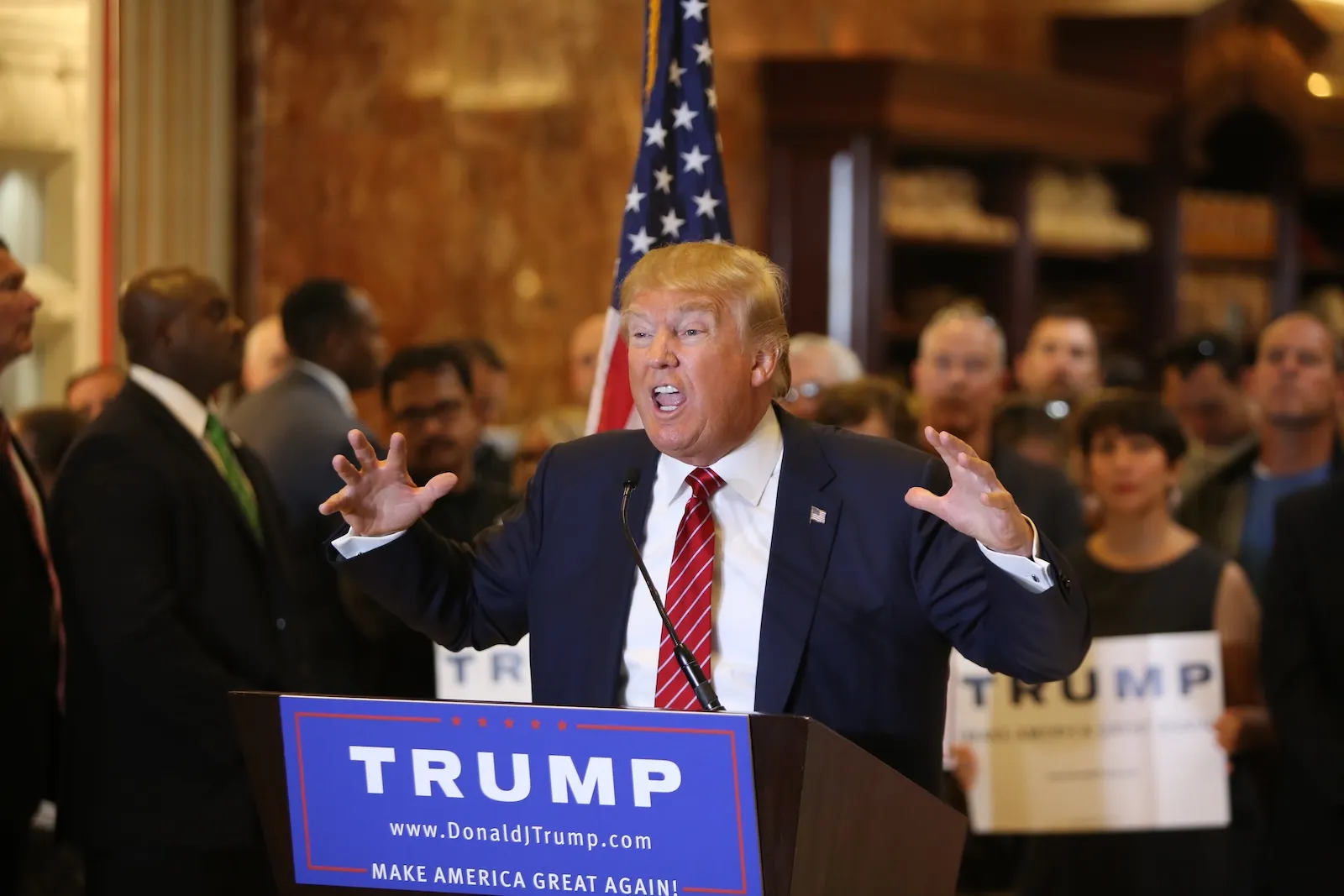
President Trump’s recent threat to levy tariffs on Taiwanese semiconductors rudely interrupted the new year holiday for many in government and industry as they scrambled to avert a crisis. The panic reflects the Taiwanese government’s lack of strategy for engaging with the Trump administration, and the failure of the DPP’s dependence on the Washington foreign policy establishment, known as “the blob.”
Trump is animated by issues he sees as critical: immigration, fentanyl, and reindustrializing the American heartland. As a result, “trade negotiations” end up focusing far more on border security and narcotics than economic intercourse.
Taiwan should embrace the opportunity to negotiate with Trump: there is much to be gained.
First, political and economic leaders should recognize that the threat of tariffs on Taiwanese chips is not a major concern. Taiwan controls 90% of the market for high-end chips: these tariffs will simply be paid by American consumers through higher priced cars and cellphones. These tariffs will fuel inflation, creating a large incentive to delay or swiftly remove them—even without any Taiwanese action. Still, Trump is looking for something he can sell as a win.
What should Taiwan offer? Trump would like credit for reindustrializing America and bringing back semiconductor manufacturing. TSMC’s success in Arizona offers a path forward: TSMC America, which is rumored to be announcing an expansion following its upcoming board meeting, should target a “rust-belt” state such as Ohio, Vice President JD Vance’s home state.
Taiwan should commit to purchasing $20 billion in US arms, heeding Trump’s calls to “pay for its defense.” Indeed, there is already a $20 billion backlog of arms orders that Taiwan has already paid for but not yet received; yet most of what Colombia, Canada, and Mexico agreed to in order to avert tariffs were also previously announced measures- and these countries are facing serious economic threats.
Taiwan should sweeten the deal with additional arms purchases, but only for new systems that give Taiwan a qualitative edge against China. The US has long been reluctant to sell the fifth-generation F-35 fighter jet to Taiwan, and now is the golden opportunity to secure a deal. Such big-ticket items are exactly what Trump wants to see.
The F-35B variant, capable of short take-off and vertical landing, does not require traditional runways and would greatly enhance the Air Force’s survivability and resilience, while its modern electronic warfighting capabilities and ability to direct auxiliary drone fleets present a significant advantage.
An F-35 deal may even offer an escape from the present budget impasse through the passage of a special budget for the F-35 program. The US has indicated frustration with the KMT’s defense budget cuts, but it may see better dividends by throwing a bone with the F-35 deal and expedited arms sales.
Taiwan’s struggles to deal with the new administration reflect a poor understanding of political developments over the past decade. Relying too much on the blob’s revolving door in DC, the DPP badly miscalculated how to engage America under Trump, prioritizing instead discredited has-beens, chief among them Mike Pompeo and Nikki Haley.
Instead of lusting for the America of 2015, Taiwan must chase the America of 2025 and fight for the America of 2035. The only way to ensure support for Taiwan remains robust, no matter the party or faction in power, is to appeal directly to the American people.
Taiwan must explore new innovative methods of communicating directly to the American people, dedicating serious resources as part of its national security strategy. Only by winning the hearts and minds of Americans can Taiwan ensure its security is guaranteed beyond vicissitudes of the American presidency.
(This piece reflects the author's opinion, and does not represent the opinion of CommonWealth Magazine.)
About the author:
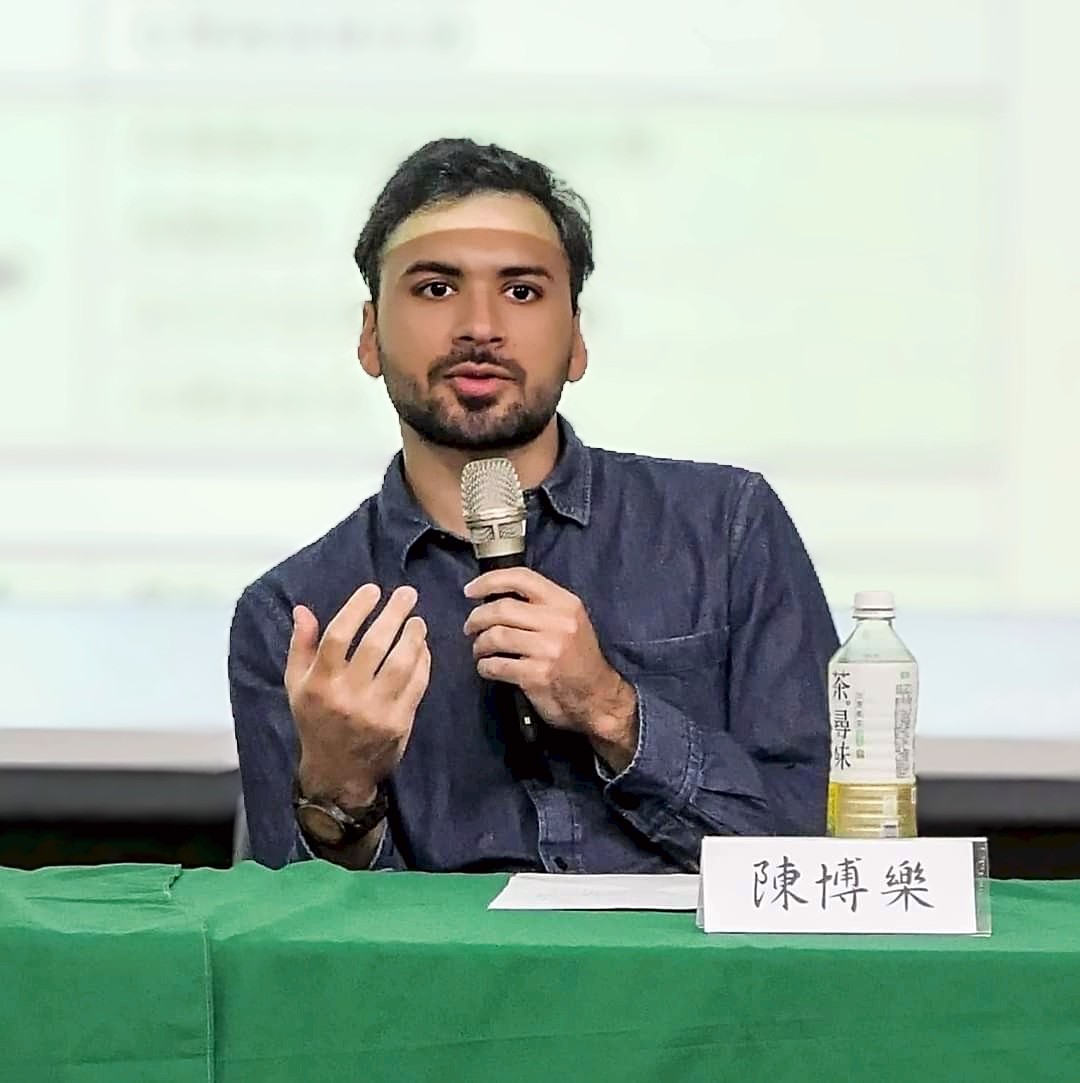
Sasha B. Chhabra (陳博樂) is a political and security analyst, commentator, and consultant based in Taipei. He publishes Formosa Review on Substack.
Have you read?
Uploaded by Ian Huang
Views

Subscribe to CWE Newsletter (every Thursday)
Stay abreast of what's happening in Taiwan with our weekly digest.
Keywords: