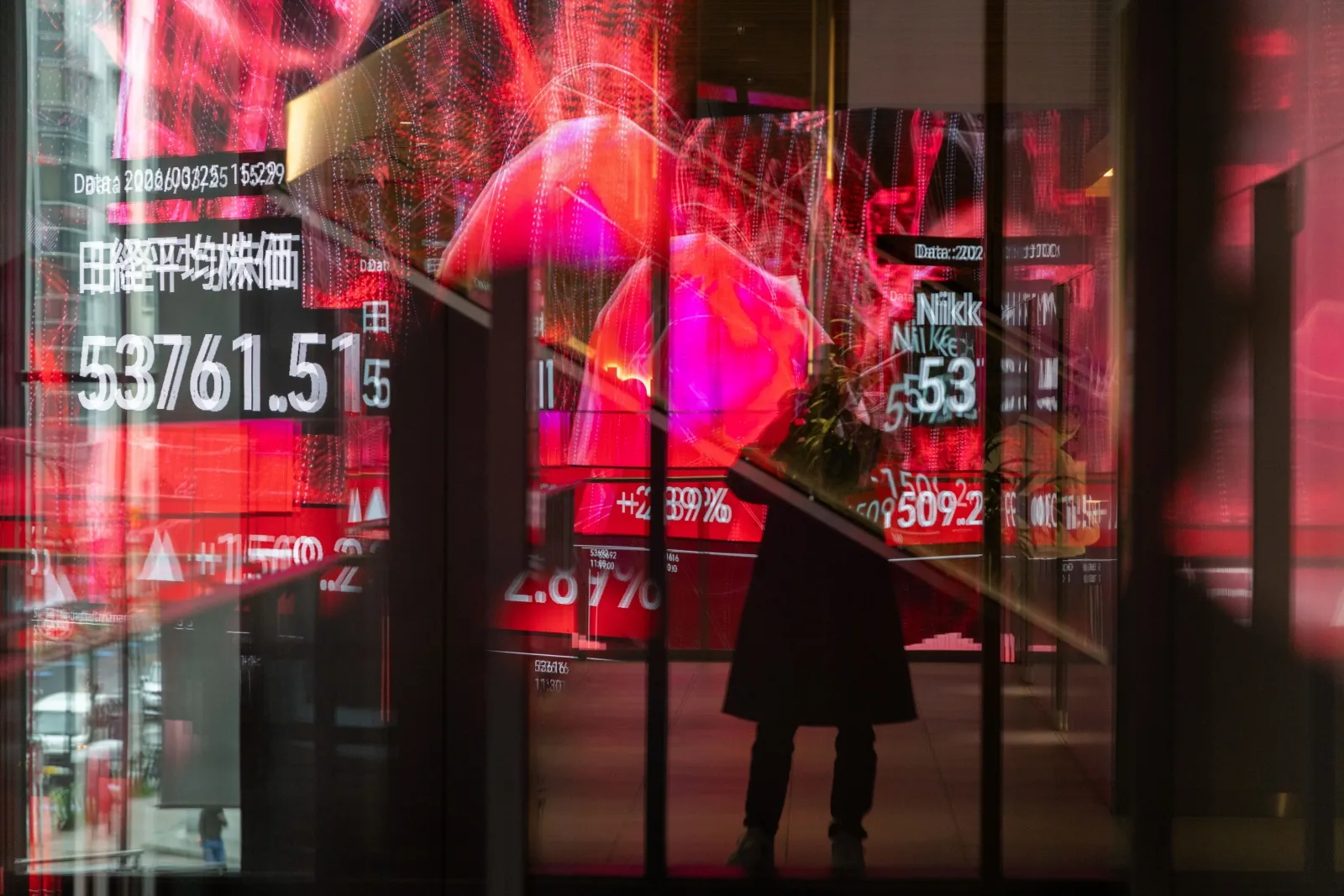
Trump Unveils Reciprocal Tariffs, Threatening Global Supply Chains
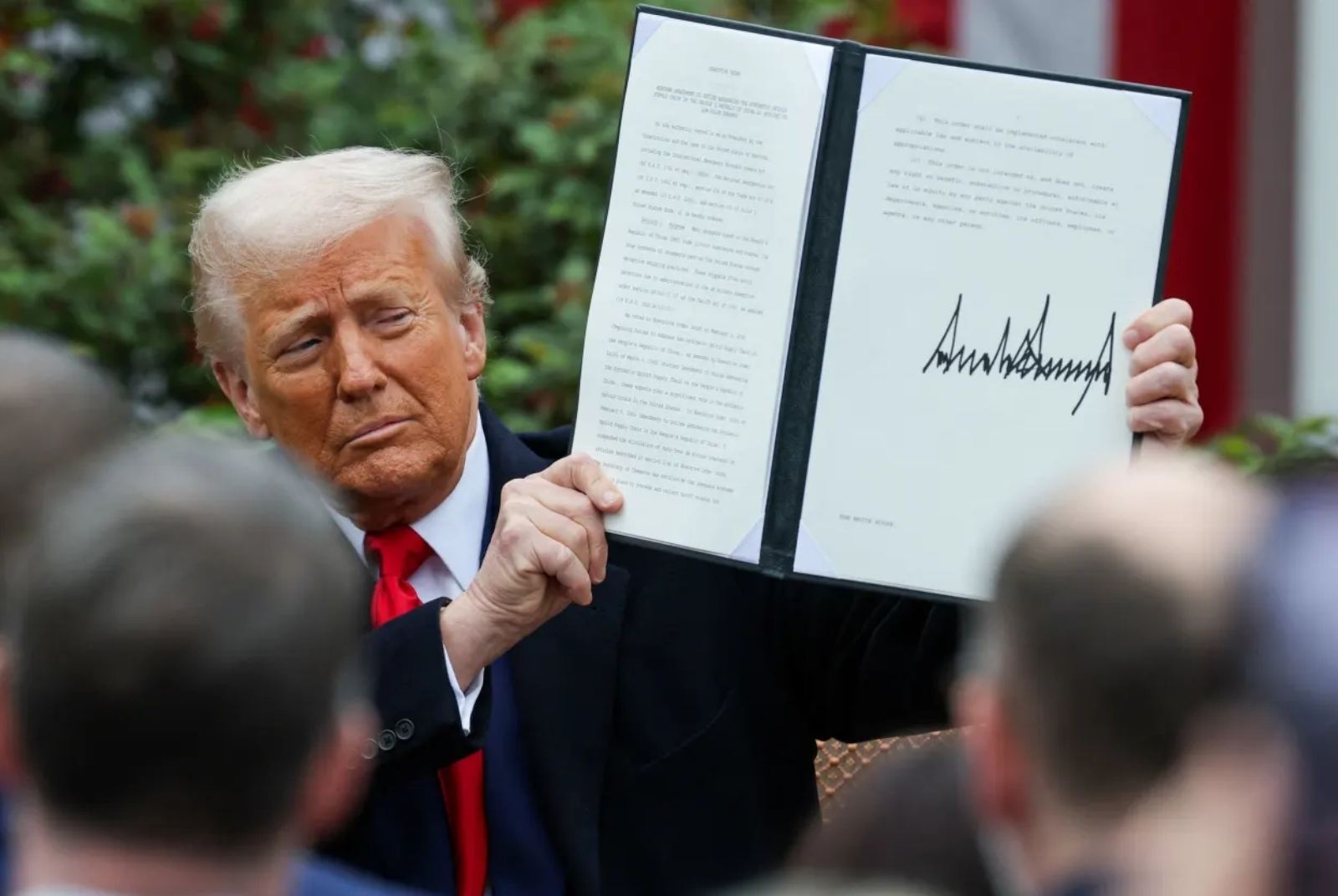
Source:Reuters
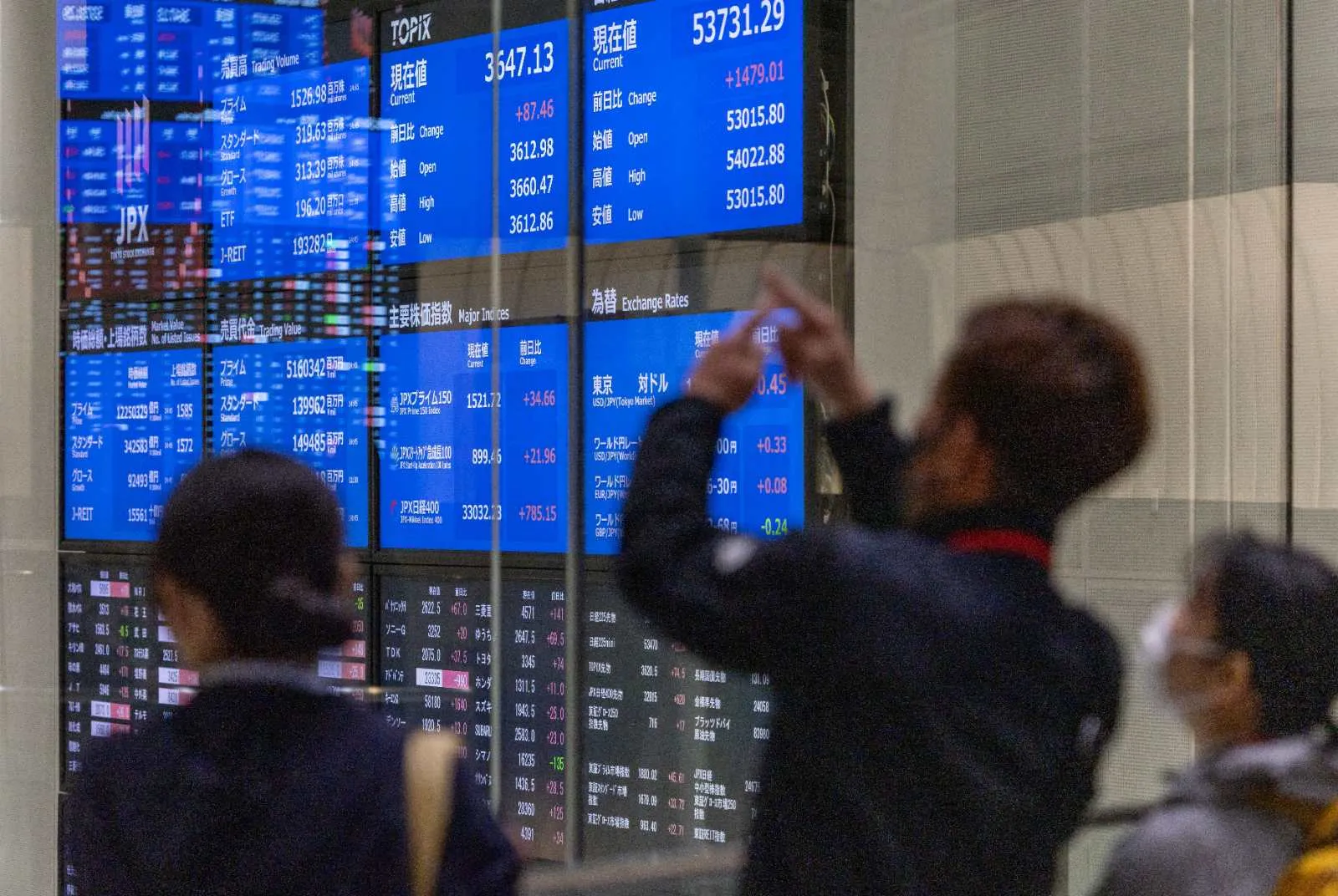
U.S. President Donald Trump has signed the executive order for a sweeping, aggressive "reciprocal-tariff" policy, setting a 10% baseline tariff on all imports and hitting more than 180 countries and territories with steep tariff rates. Stock futures fell sharply after Trump made the announcement. What effects could this new trade policy bring for the U.S. and the world?
Views
Trump Unveils Reciprocal Tariffs, Threatening Global Supply Chains
By Judy Linweb only
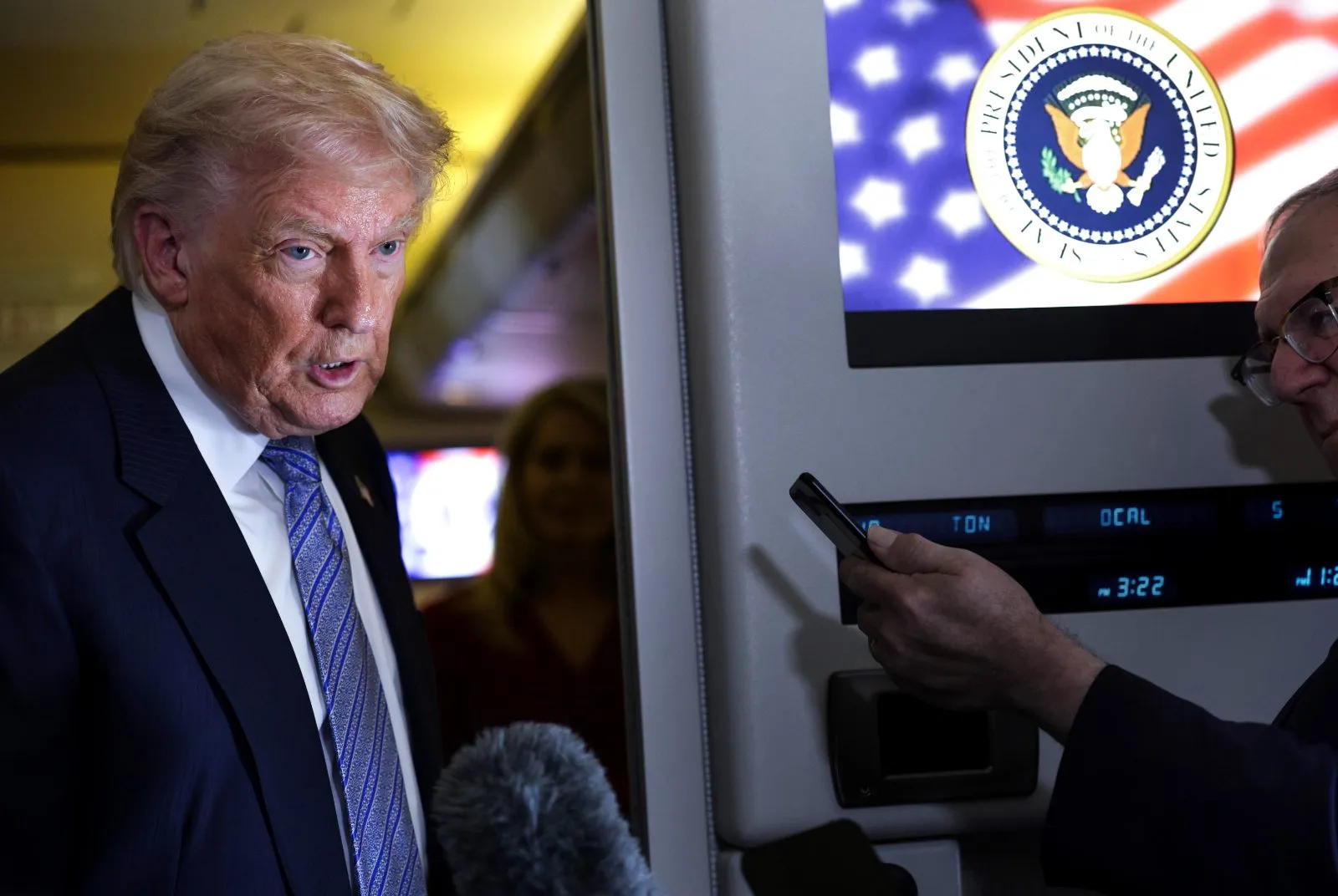
U.S. President Donald Trump has unveiled the largest and most aggressive tariff policy to date during the "Make America Wealthy Again" event at the White House.
According to a White House statement, Trump, under the International Emergency Economic Powers Act (IEEPA), introduced a global 10% tariff effective at 12:01 a.m. Eastern Time on April 5.
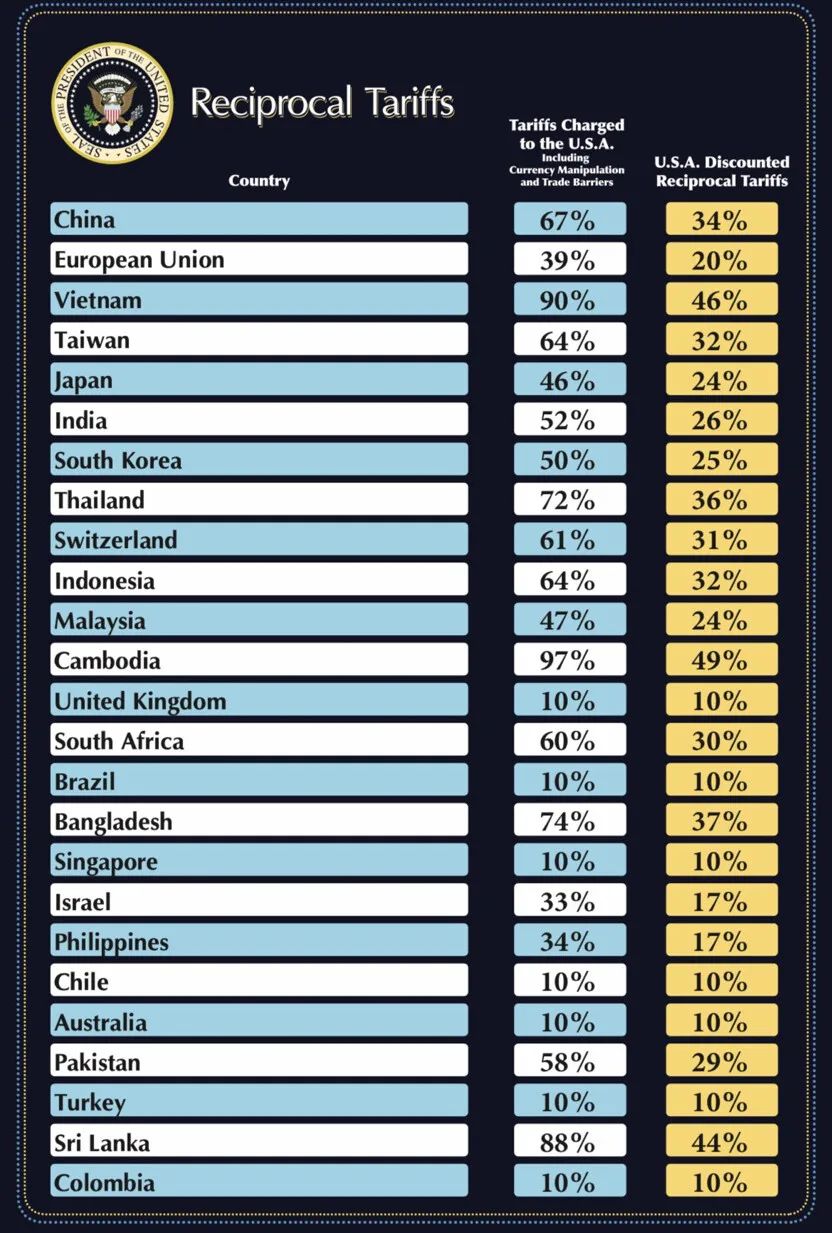
Additionally, Trump imposed higher reciprocal tariffs on countries with which the U.S. has the largest trade deficits. All other nations not listed are subject to the standard 10% tariff, with reciprocal tariffs effective at 12:01 a.m. Eastern Time on April 9.
 (Source: Donald Trump)
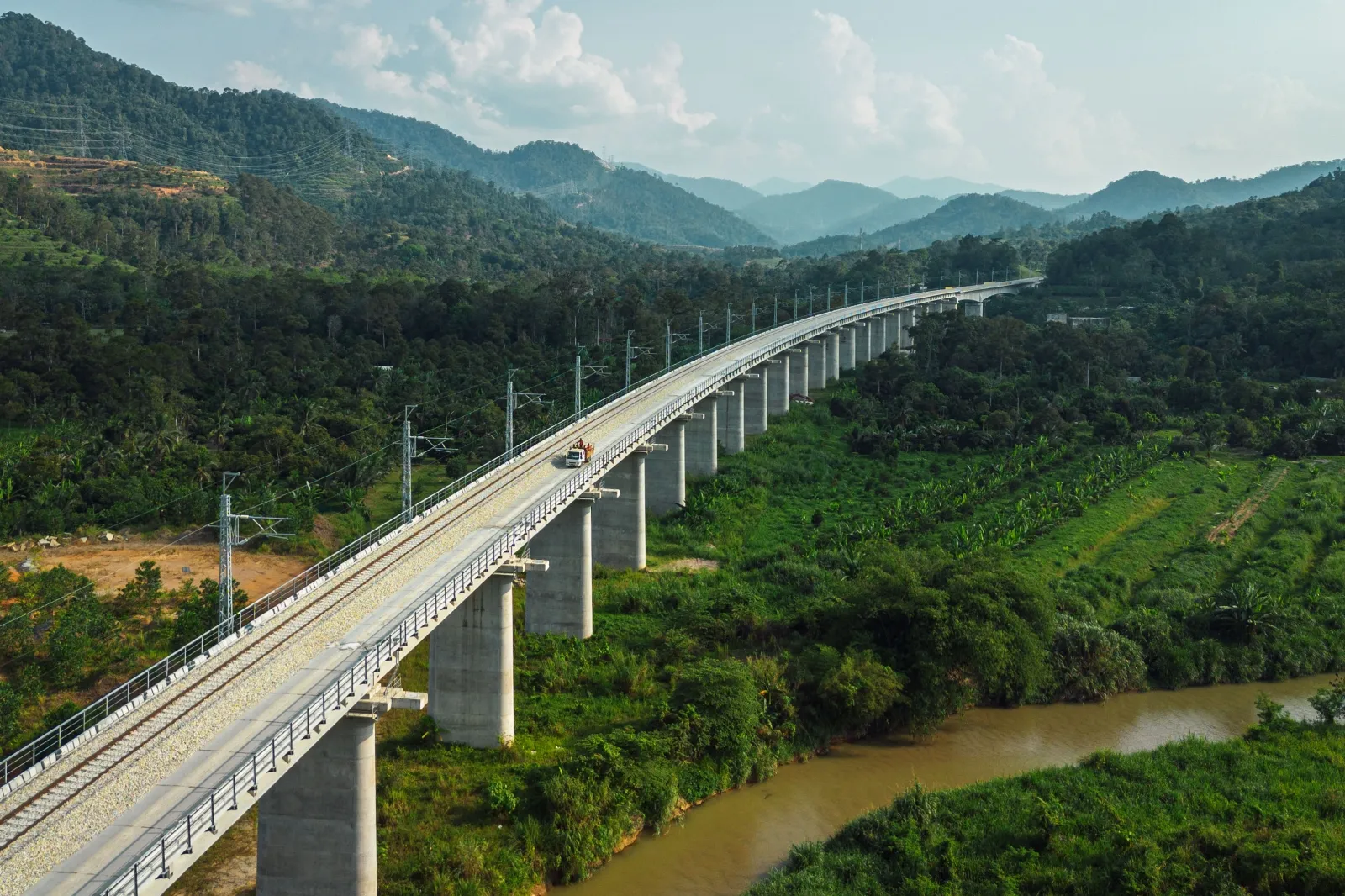
The White House specifies that Taiwan will face a 32% tariff. Countries where supply chains pulled out of China relocated in recent years face high tariffs as well, including Vietnam 46%, Thailand 36%, and Indonesia 32%, and Malaysia 24%.
According to the White House's "Reciprocal Tariff Schedule," China will incur a 34% tariff, adding to the previous 20% tariffs imposed by the Trump administration, totaling 54%.
The European Union faces a 20% tariff, Japan 24%, and India 26%.
Notably, North American trade partners Canada and Mexico are exempt from this executive order. Existing executive orders addressing issues like fentanyl and immigration remain in effect. Goods complying with the United States-Mexico-Canada Agreement (USMCA) will continue to enjoy zero tariffs, while non-compliant goods will be subject to a 25% tariff. If current executive orders on fentanyl and immigration are terminated, USMCA-compliant goods will still receive preferential treatment, with non-compliant goods facing a 12% reciprocal tariff.
Trump reiterated concerns over the U.S. semiconductor industry relocating to Taiwan and indicated that tariff threats prompted TSMC to announce a $100 billion investment in U.S. operations. However, semiconductors are exempt from the reciprocal tariffs this time.
Have you read?
- Taiwan Faces Uncertainty Amid Trump’s Trade Tariff Plans
- Taiwan Braces for Trump’s Potential Tariff Hikes and Global Trade Impact
- TSMC’s US$100 Billion Investment Deal: A Strategic Move Amid Geopolitical Pressures
Uploaded by Fiona Lin
Views

Subscribe to CWE Newsletter (every Thursday)
Stay abreast of what's happening in Taiwan with our weekly digest.
Keywords: