Hong Kong’s Economy Recovers but Relies More on China
Source:Getty Images
Hong Kong is back in business—bars are packed, IPOs are soaring, and Chinese capital floods the city. But beneath the boom, a transformed Hong Kong faces a future that may surprise even its most confident residents.
Views
Hong Kong’s Economy Recovers but Relies More on China
By STFrom CommonWealth Magazine (vol. 838 )
On Halloween night, the streets of Lan Kwai Fong were packed. Revelers in costume filled the bars, as the district buzzed with an energy that had been absent for years.
"This is our best year since the pandemic; the bars and restaurants are busier," said Allan Zeman, the chairman of Lan Kwai Fong Group.
Having weathered the storms of the 2019 protests and the pandemic—crises that saw foreign capital and talent leave—Mr. Zeman observed that confidence appears to have returned.
Indeed, from the economic data, Hong Kong, a city that Stephen Roach, the former chairman of Morgan Stanley Asia, once declared "over," has staged a surprising recovery.
Why the Rebound? Chinese Capital
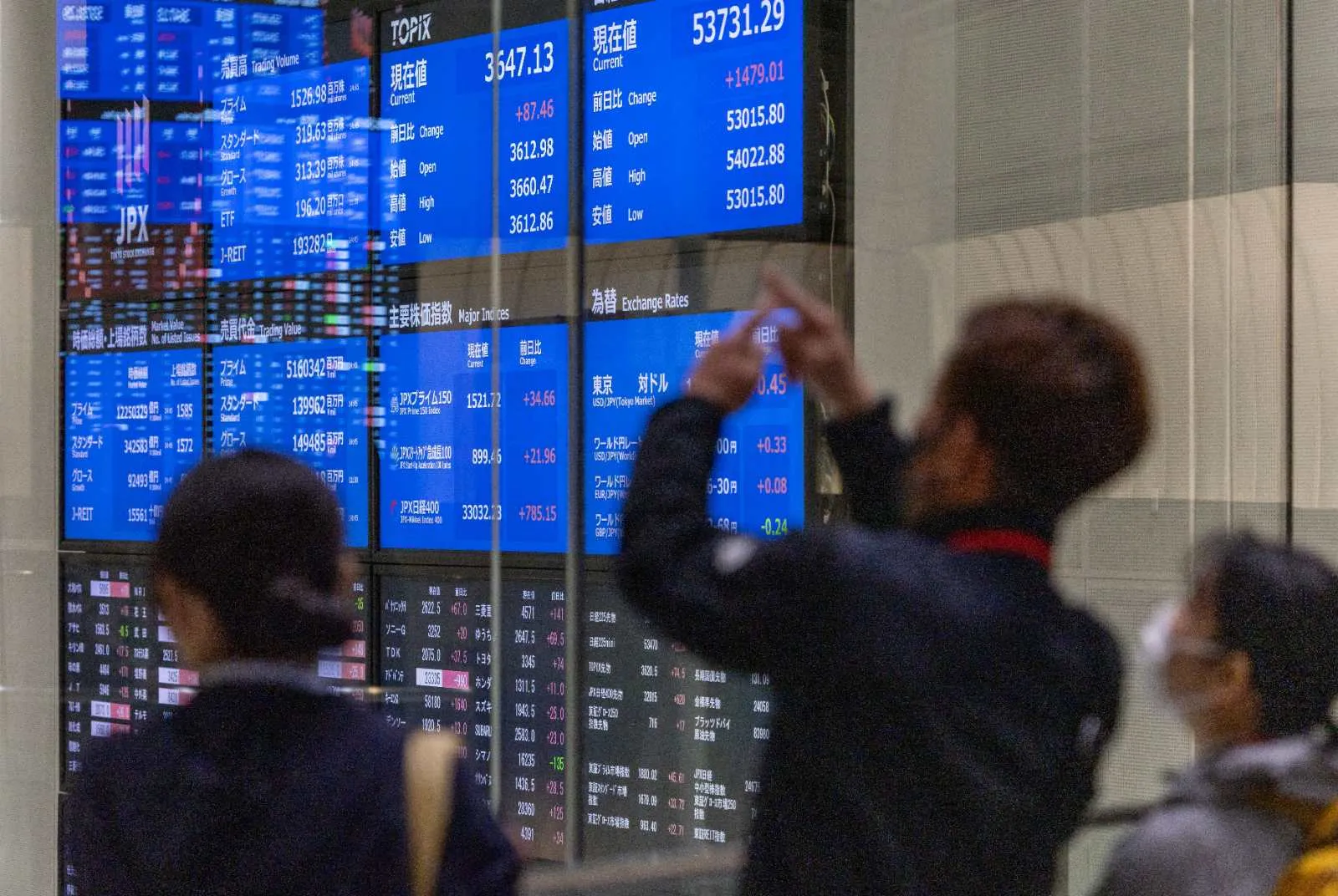
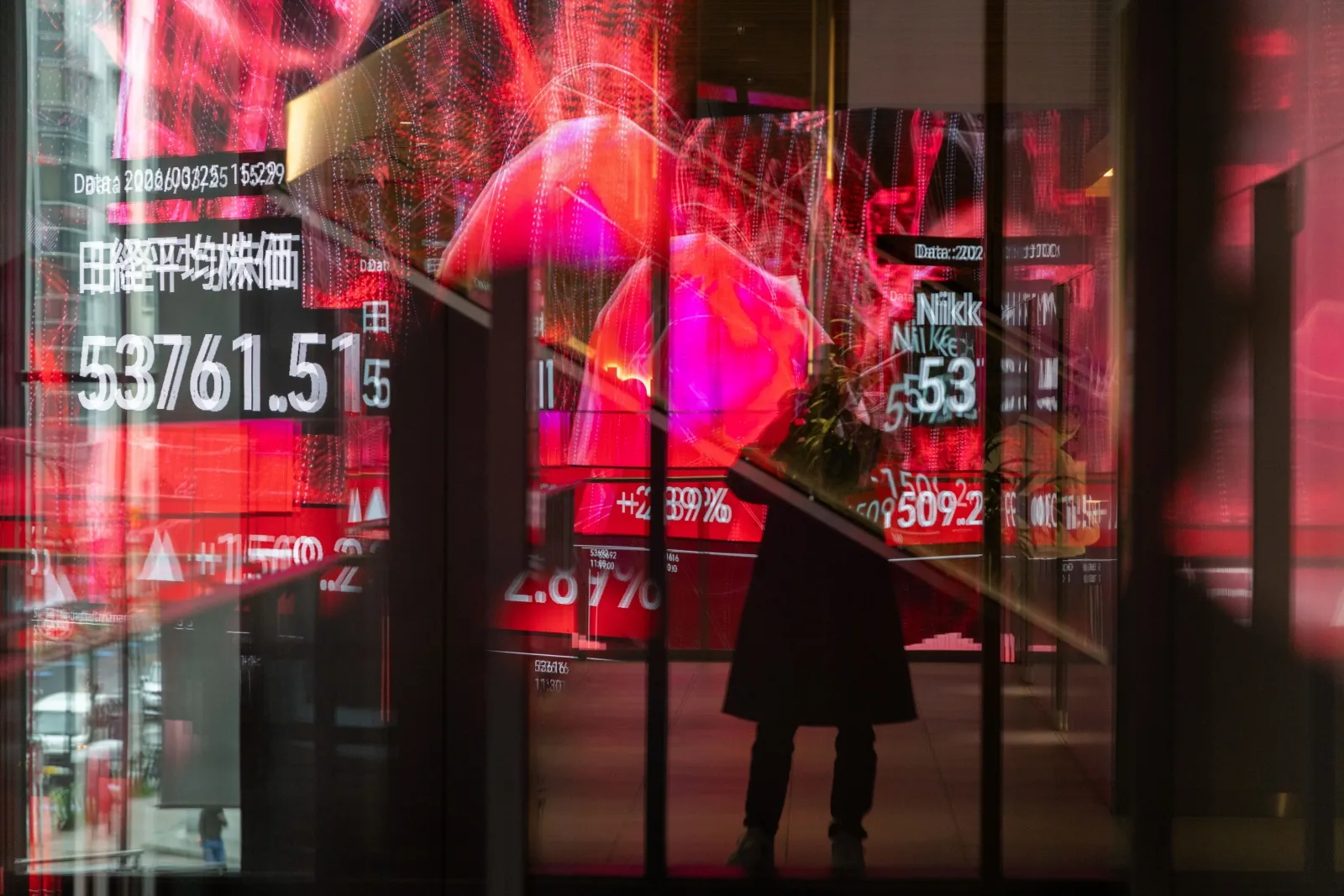
This year, Hong Kong has led New York, London, and Shanghai in global IPO fundraising. The Hang Seng Index also ranks among the world’s best performers.
But a closer look reveals a picture different from the past—most newly listed enterprises are Chinese companies; the capital flowing into Hong Kong is increasingly coming from the mainland.
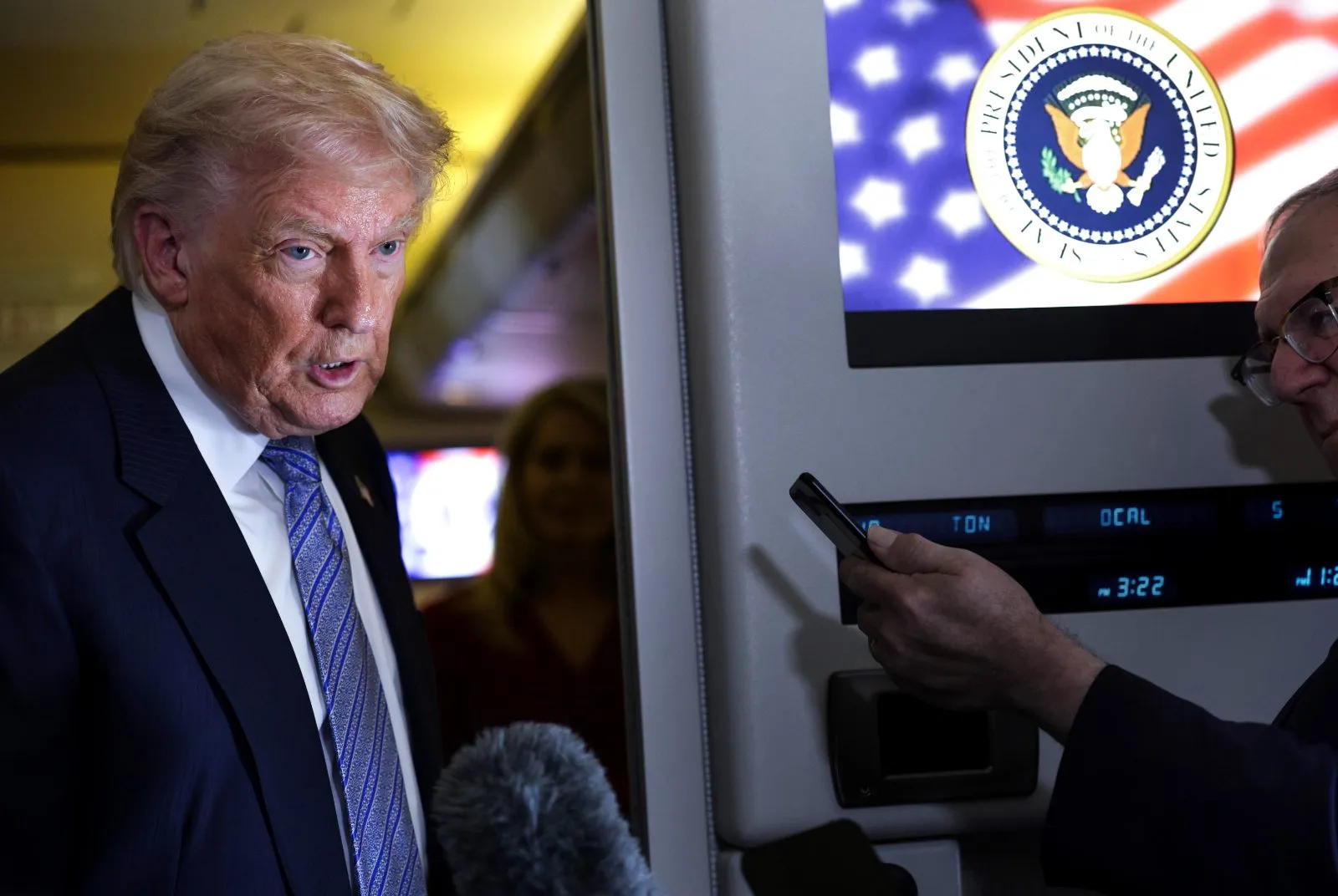
This is because Chinese firms, particularly in the "emerging technology sectors" emphasized by Beijing, are expanding rapidly. They require capital outside the mainland's strict regulations. However, their traditional target, New York, now carries the risk of being delisted, especially with the potential return of Donald Trump.
Hong Kong offers no capital controls, a currency pegged to the U.S. dollar, and expanded "Stock Connect" mechanisms that draw in mainland funds. This has prompted many Chinese enterprises to list in Hong Kong.
Major deals, such as battery giant CATL, pharmaceutical leader Jiangsu Hengrui, and food producer Haitian Flavoring, have all sought secondary listings in the city.
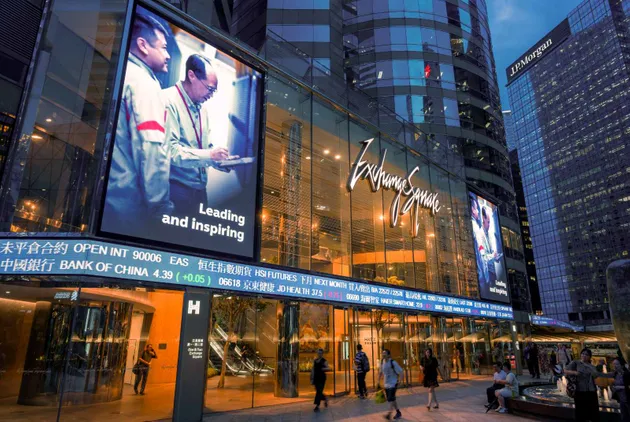
The Hong Kong Stock Exchange told CommonWealth Magazine that it welcomed 81 new listings this year, with fundraising up 209% year-on-year. It is currently processing over 300 applications, focusing on technology, biotech, and mining.
Companies and Talent Arrive
Chinese companies are using Hong Kong not just as a fundraising hub, but as their "first stop" for global expansion.
Walking through Hong Kong’s busy districts, one sees mainland chains serving spicy hot pot, sour cabbage fish, and hand-pounded lemon tea everywhere, resembling Shenzhen. Keeta, a delivery platform owned by Meituan, has also overtaken Uber Eats and Deliveroo to claim the largest market share.
Following this trend, the Commerce and Economic Development Bureau established a task force in October to help mainland enterprises “go global”. Secretary Algernon Yau noted that Hong Kong’s international status allows it to connect the mainland with the world, aiding these companies in overseas markets.
As Chinese capital and firms flow in, white-collar workers from the mainland follow.
The "Top Talent Pass Scheme," launched in 2022 to attract high-income individuals and top university graduates, had approved nearly 110,000 applications by June. Data from February showed that over 95 percent of this "top talent" comes from the Chinese mainland.
These new arrivals have also pushed Hong Kong’s residential rents back to high levels.
A New Hong Kong: Fire and Ice
"The Communist Party is quite capable in this regard," said a Hong Kong political scholar who requested anonymity due to having participated in the 2019 protests.
"We used to think political freedom and economic freedom could not be separated, but Hong Kong has ranked first in economic freedom again recently. It is an absurd state."
The scholar described Beijing’s governance as an "evolution of authoritarianism"—allowing internet freedom and the flow of economic information while continuing to tighten control over political and press freedom. "It seems to know exactly how to balance it: the politics are icy cold, the economy is flourishing. It is simply a mix of 'fire and ice.'"
However, a Hong Kong more linked to China will be more susceptible to the mainland’s economic conditions than before. Furthermore, geopolitical tensions between the West and China continue to make some Western financial institutions conservative about investing heavily in Hong Kong.
This has led Hong Kong to actively develop ties with the Middle East and Southeast Asia. This year, the first Dubai-based company was listed in Hong Kong, and the HKEX opened an office in Riyadh, Saudi Arabia, in October.
From over to back, Hong Kong has found its way to survive—backed by the mainland, facing the non-Western world.
Have you read?
- Five Red Flags in China’s Latest Saber-Rattling Over Taiwan
- Can China’s Poorly Attended Fourth Plenum Fulfill Xi’s Dream of Tech Self-reliance?
- China’s Military Parade and Its Global Implications
Uploaded by Ian Huang
Views

Subscribe to CWE Newsletter (every Thursday)
Stay abreast of what's happening in Taiwan with our weekly digest.
Keywords: