Chinese Economist: Musk Will Save China From High Trump Tariffs
Source:Pei-Yin Hsieh
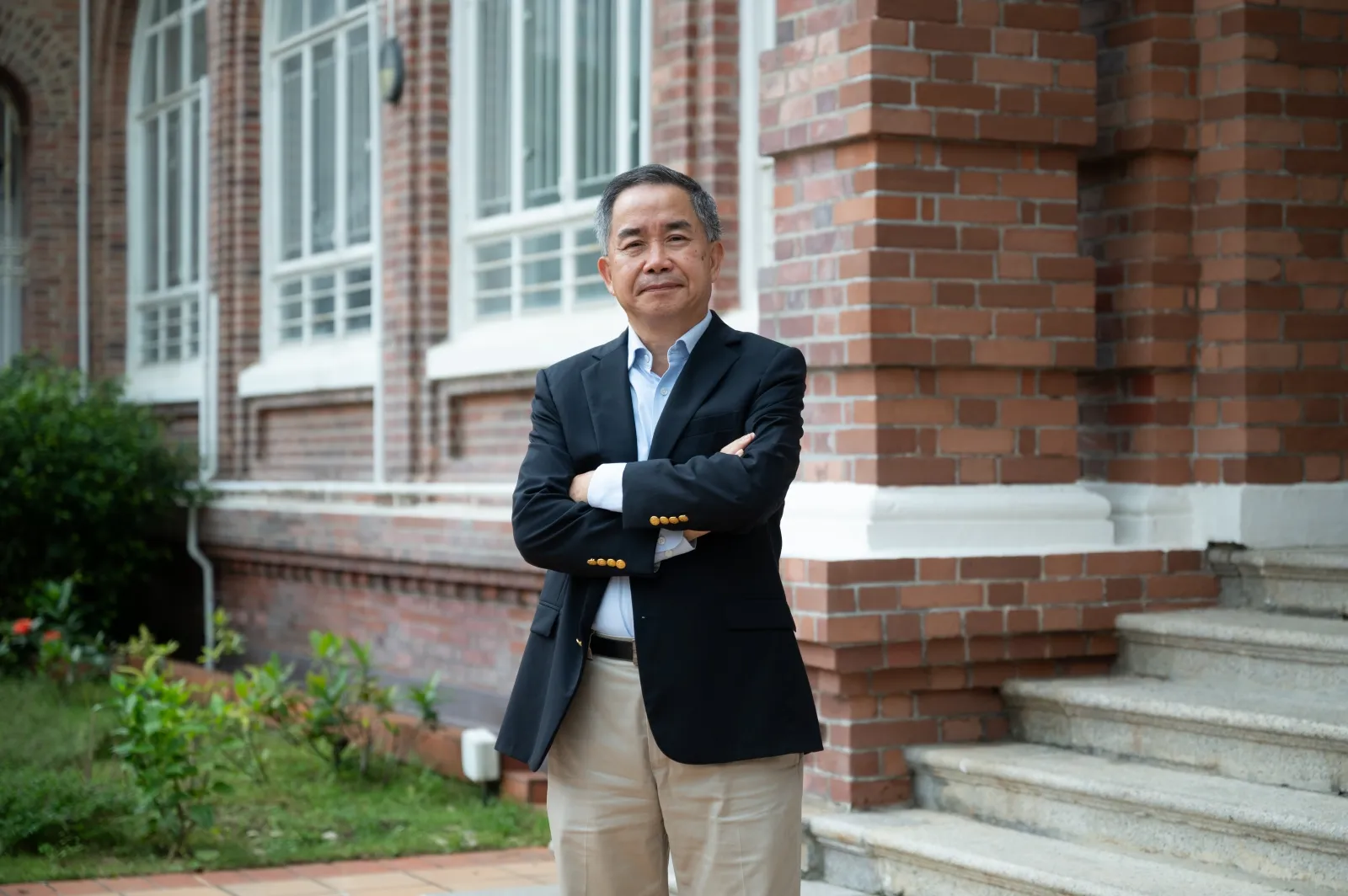
Chen Zhiwu, chair professor of finance at the University of Hong Kong, is one of the first Chinese economists to return after China’s reform and opening policies began in the late 1970s. Highly respected among China’s corporate leaders, why does Chen believe that Elon Musk will act as China’s savior in a new U.S.-China trade war?
Views
Chinese Economist: Musk Will Save China From High Trump Tariffs
By David Shenweb only
Chen Zhiwu (志武), who taught at Yale University for many years, has conducted extensive research into China’s economic transformation. Known for his outspoken nature, Chen has consistently criticized Beijing's increasing economic intervention. As a staunch supporter of market-driven capital development, he once boldly proposed that China “just shut down its A-share market,” a statement that went viral.
He argues that Beijing’s strong interference in the economy not only hampers capital operations but also threatens technological innovation.
Why does Chen hold this view? Below are excerpts from his interview with CommonWealth Magazine.
China's Technological Growth Despite U.S. Restrictions
Recent reports claim that China, despite U.S. export restrictions, has continued to make rapid advancements in cutting-edge technologies such as drones—sometimes even surpassing the United States.
This phenomenon, Chen explains, is tied to two decades of thriving venture capital in China. Investments encouraged young engineers to innovate and pursue entrepreneurship. The lingering effects of this venture capital boom have helped propel China’s technological advancements.
However, over the past few years, severe crackdowns on the financial sector—leading to the imprisonment of some key venture capitalists—have undermined China’s innovation potential. Chen warns that technological progress will likely falter in the coming years as a result.
BRICS Unlikely to Play a Leading Role
Despite significant state funding in technology under China’s "new national system" policy, Chen argues that state-backed projects prioritize prestige over efficiency. Unlike venture capital, which seeks returns, state capital often channels resources into less productive ventures, stifling genuine innovation.
Chen is skeptical about the BRICS bloc’s ability to challenge Western economic and technological dominance. While expanding membership has sparked discussions about a potential geopolitical shift, Chen believes the group’s diverging interests and values limit its cohesion.
“If the Chinese economy holds steady, Beijing can rally some support. But during a recession, its influence will wane,” he says. Ultimately, BRICS can only play a supporting role on the global stage.
De-dollarization Is Still a Pipe Dream
The 2024 BRICS Summit in Kazan encouraged member nations to use local currencies in financial transactions, pushing for "de-dollarization." Chen, however, sees no viable contender to replace the U.S. dollar within the next two decades, as no country currently boasts the necessary political stability and economic clout.
Why Elon Musk Could Save China from Trump Tariffs
As China seeks economic recovery, Donald Trump’s presidency poses significant uncertainty. While Trump has threatened high tariffs on Chinese goods, Chen argues these fears may be overstated.
“Trump may talk tough, but it’s unlikely he’ll raise tariffs on Chinese goods to 60%,” Chen says. One key reason is Elon Musk.
Musk, with his significant business interests in China, could emerge as an important intermediary. In the third quarter of 2024, Tesla’s China sales accounted for one-third of its global revenue, and the company continues to expand its investments in Chinese factories.
Moreover, the Chinese government has granted Tesla special concessions, such as allowing the transfer of data overseas without additional security assessments—a rare privilege in China’s tightly controlled tech landscape.
While members of Trump’s administration, such as Secretary of State Marco Rubio and National Security Advisor Mike Waltz, are staunchly anti-China, Chen believes Musk’s influence on Trump outweighs theirs.
“As long as Musk maintains his influence, the likelihood of drastic deterioration in U.S.-China economic policies remains low,” Chen concludes.
Have you read?
- China's Largest Military Exercise Near Taiwan in 28 Years: What’s Different?
- Chinese Scholars: Trump Won’t Go to War with China Over Taiwan
Translated by Susanne Ganz
Uploaded by Ian Huang
Views

Subscribe to CWE Newsletter (every Thursday)
Stay abreast of what's happening in Taiwan with our weekly digest.
Keywords: