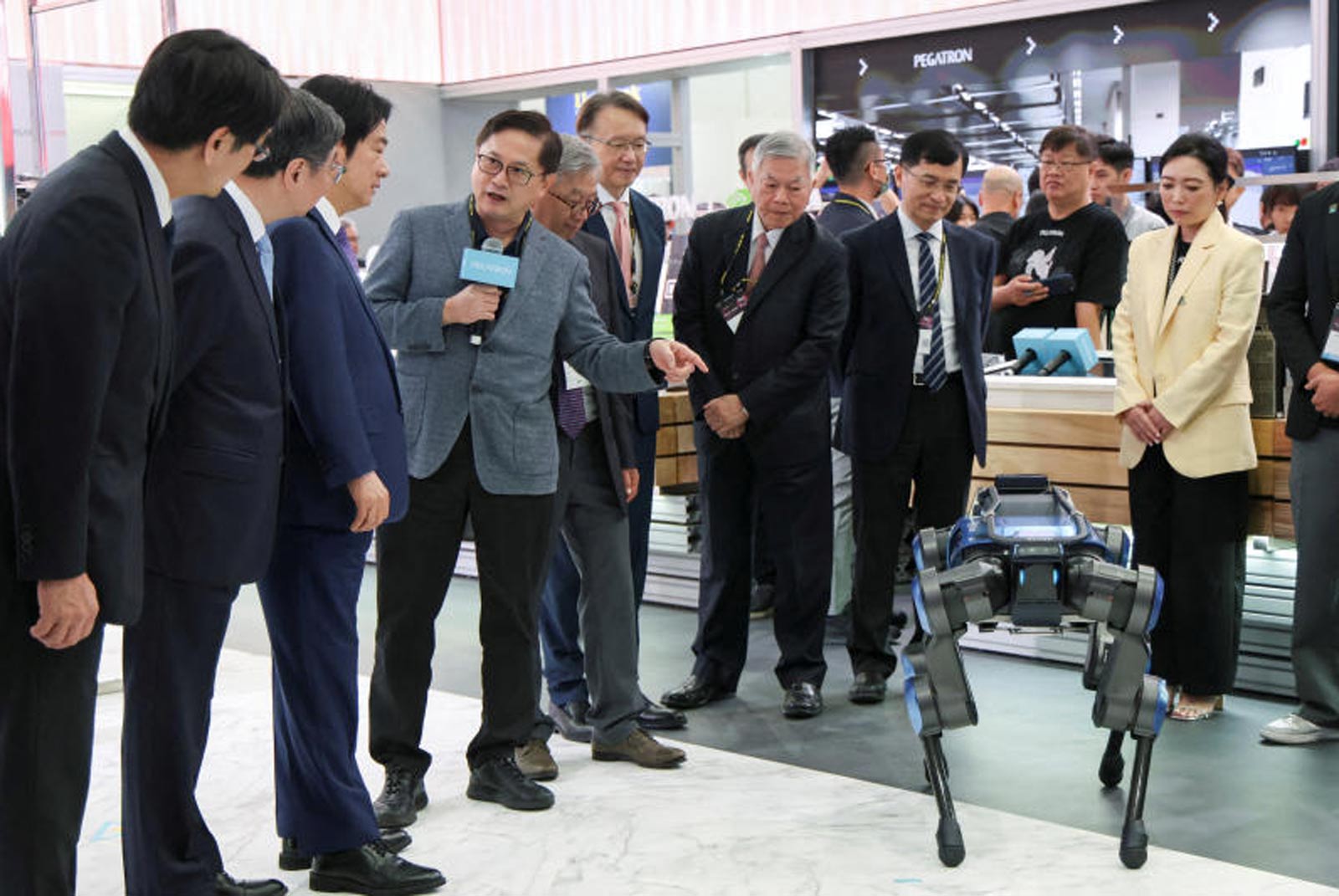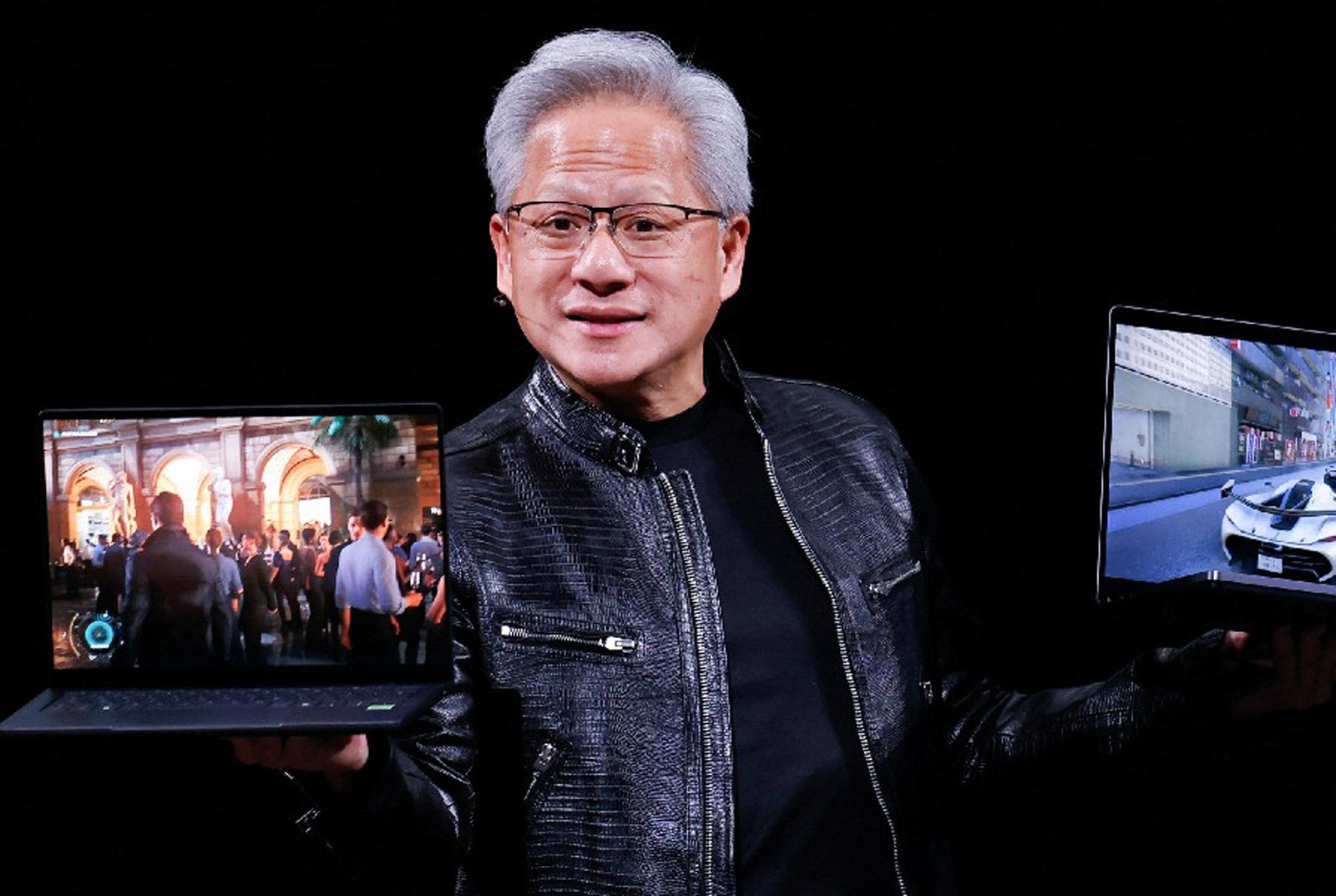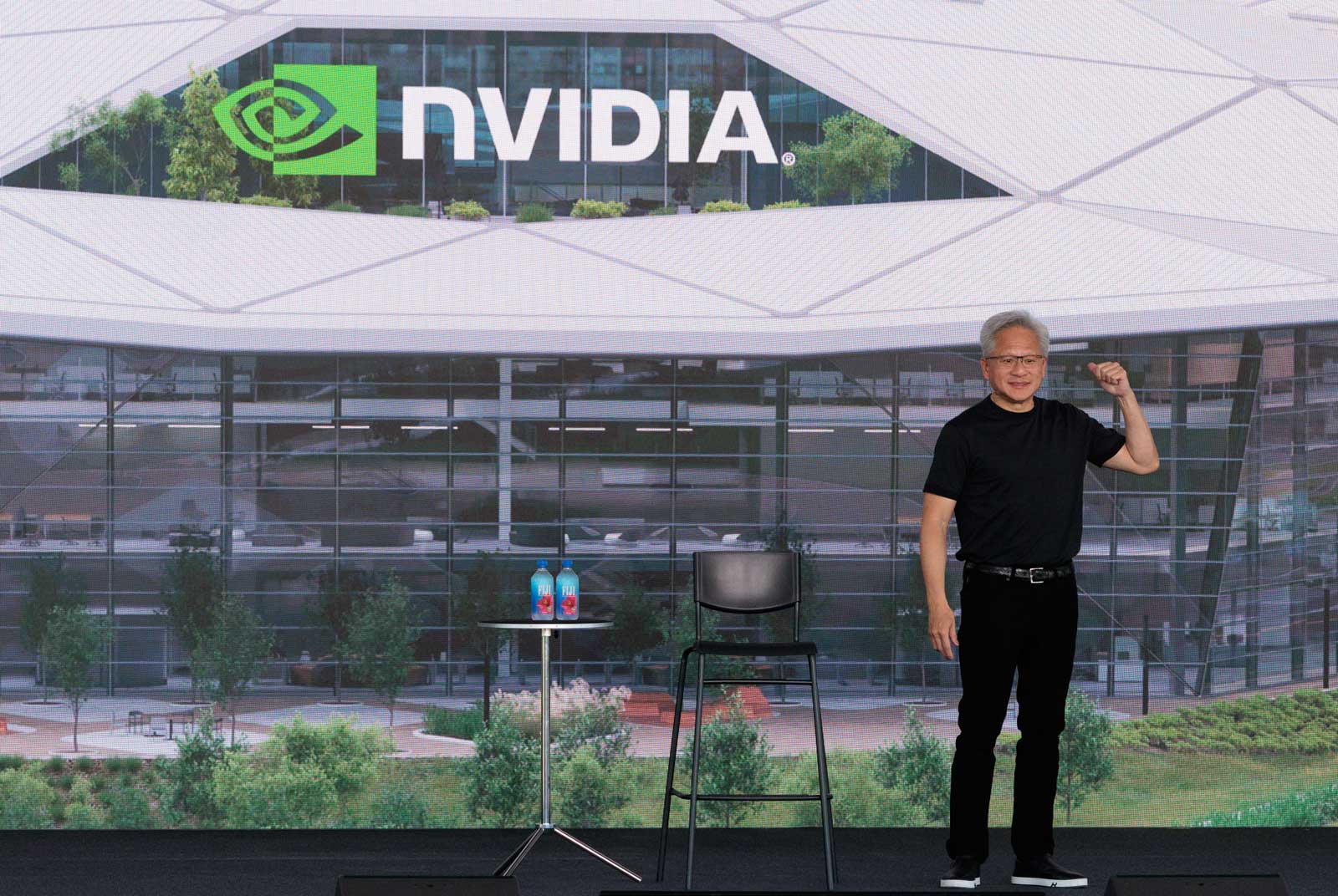
Nvidia's GTC 2025 Keynote Highlights
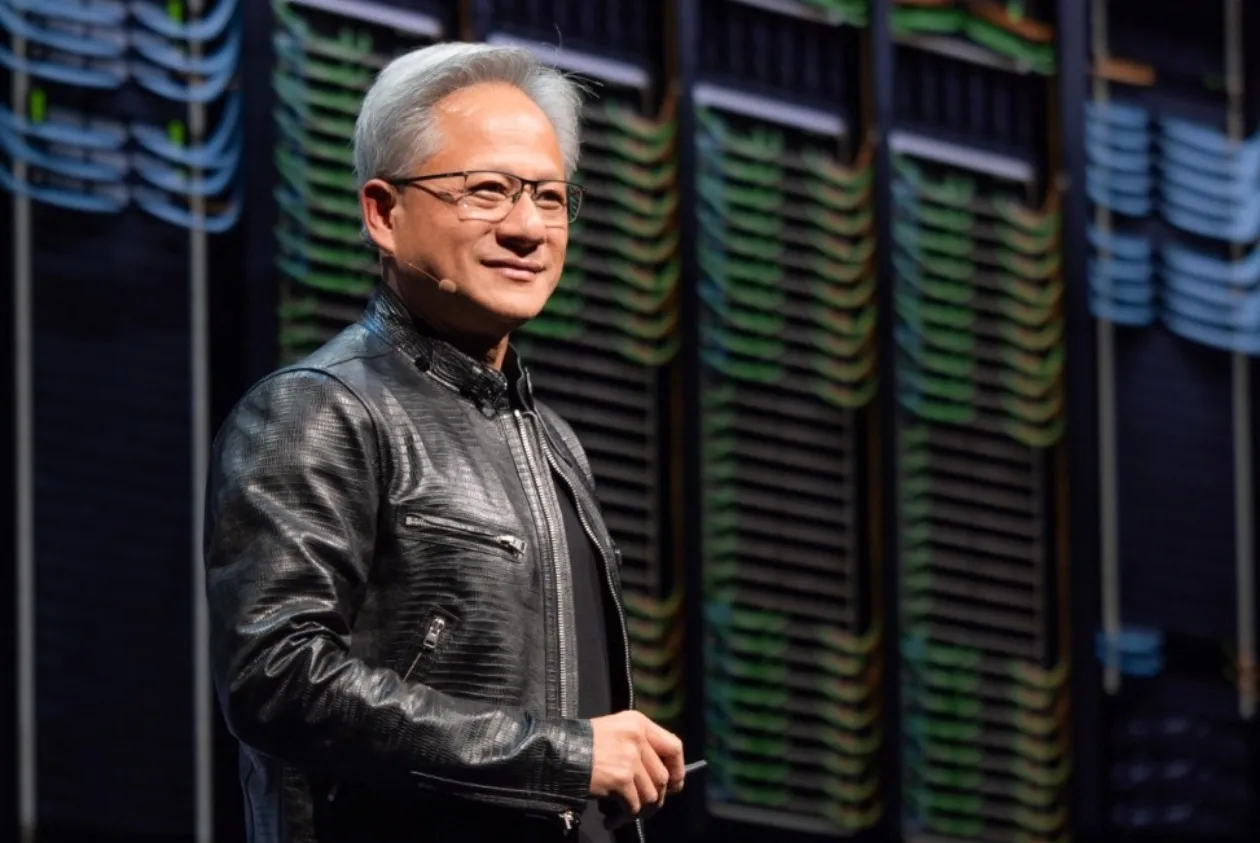
Source:Nvidia
March 20, 2025 -- Today’s top stories: Nvidia's GTC 2025 Keynote Highlights, EU Targets Big Tech Despite Trump Threats, and Memory Chip Price Hike Looms.
Views
Nvidia's GTC 2025 Keynote Highlights
By CommonWealth Magazineweb only
Nvidia CEO Jensen Huang’s GTC Keynote Highlights EV, AI Factories
Nvidia CEO Jensen Huang announced the company's plans to help General Motors (GM) with driver-assistance technology and work with the Telecom industry on new 6G networks during a keynote speech at the company's annual GTC Expo in San Jose, California.
Huang said Nvidia was working with GM to use AI in next-generation cars, factories, and robots.
The wireless project, meanwhile, involves companies such as T-Mobile US and Cisco systems.
Nvidia's Blackwell ultra computer chips, which have 1.5 times more memory and two times more bandwidth, will be used to accelerate building AI agents, physical AI, and reasoning models. The next Blackwell ultra NVLink72 chips, which have 1.5 times more memory and two times more bandwidth, will be available in the second half of the year.
Reference Sources
- bussinesstimes - Nvidia looks to expand its AI reign with robots, personal supercomputers - The Business Times
- upi - Nvidia, GM announce strategic business partnership
- newyorkpost - Nvidia CEO Jensen Huang unveils powerful new Black Ultra chips at 'Super Bowl of AI'
- quartz - Live updates: Nvidia CEO Jensen Huang addresses the GTC conference
- quartz - AI chips, robots, and reasoning models: 5 takeaways from Nvidia's GTC
Brussels takes action against Google and Apple despite Trump threat
 (Source: Andre M. Chang/Zuma/IMAGO)
The European Commission is facing a series of deadlines to decide whether Apple, Meta, and Google are in breach of the EU's digital competition laws.
The EU's Digital Markets Act (DMA) has come under fire from US President Donald Trump, who said it amounts to "overseas extortion" of American companies. Companies found in breach of the DMA face fines of up to 10% of global revenue, doubled to 20% for repeat offenders.
As Trump turns up the heat in a global trade war, the White House has gone so far as to threaten additional tariffs in response to the EU's Tech regulation.
An immovable deadline for the Commission to tell apple exactly how it should open its products and services up to rivals runs out on March 19.
Google said the Commission's decision "will hurt European businesses and consumers, hinder innovation, weaken security, and degrade product quality." it added that the required changes for Google search will "make it harder for people to find what they are looking for and reduce traffic to European businesses." the Commission also ordered Apple to open up its operating systems more to connected devices, such as smartwatches or headphones from other brands.
Reference Sources
- politico - EU risks more Trump tariffs in looming Big Tech crackdown
- ft - Brussels takes action against Google and Apple despite Trump threat
- cnbc - Google, Apple hit with EU antitrust actions under cloud of Trump tariff threats
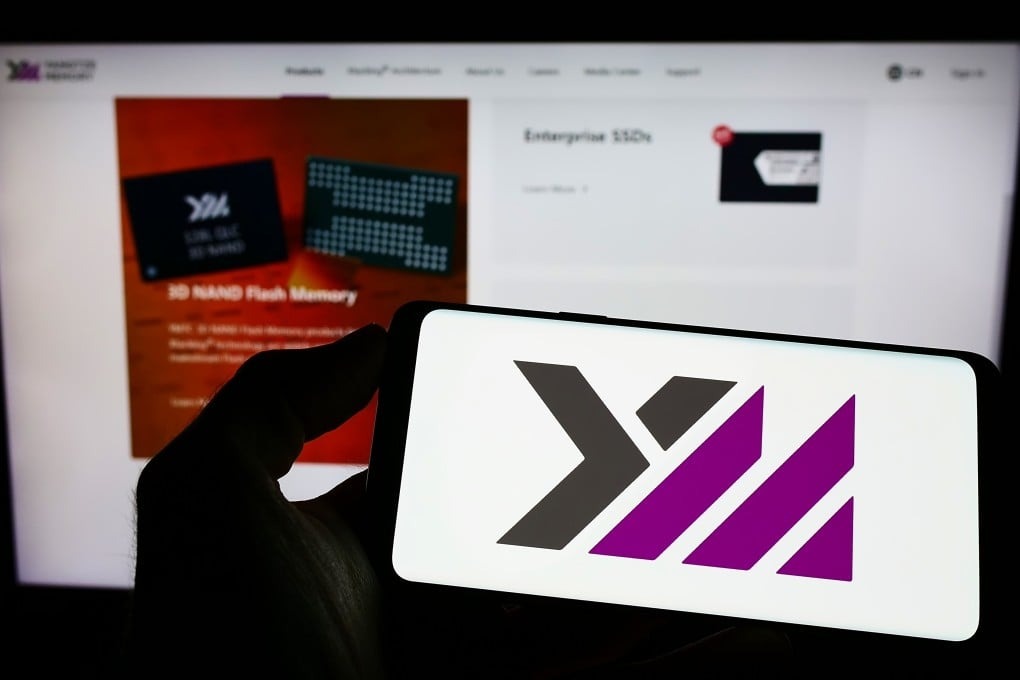
China’s top memory chipmaker YMTC to raise prices, alongside US peers Micron, Sandisk
 (Source: Shutterstock)
Major memory chip manufacturers, including us peers Micron technology and Sandisk, are expected to raise their prices next month amid the sector’s reduced production and strong demand from the artificial intelligence (AI) market.
These memory chipmakers have already informed their distributors, including those in Mainland China, of the price increase.
Zhitai, a retail brand of solid-state drives and storage cards that use core memory from YMTC, already advised distributors that prices would rise at least 10% from April.
Following flash storage giant Sandisk’s announcement of a price hike “ in excess of 10% ” from April 1, a report suggested that YMTC, Micron, Samsung electronics and SK Hynix would follow suit.
These initiatives indicate that NAND flash memory prices are set to rebound this year. Factors that contributed to the memory chip sector’s price hike include output reduction and the rapid adoption of ai applications, which require massive use of these chips, according to Arisa Liu, research fellow and chief director of Taiwan industry economics services.
Liu said that suppliers of NAND flash memory, used in storage cards and SSDs, cut production to stabilise prices in response to the market downturn over a certain period.
Reference Sources
The CommonWealth English daily news digest is a service curated by CommonWealth English team with the help of AI tools.
Have you read?
- Trump-Putin Talks on Ukraine
- Tech Giants Back Nuclear Power Expansion
- Under Economic Pressure, China to Drive Up Debt
Uploaded by Ian Huang
Views

Subscribe to CWE Newsletter (every Thursday)
Stay abreast of what's happening in Taiwan with our weekly digest.
Keywords: