Chips, Chops, and Chessboards: How Computex 2026 Proved Tech is More Than Just Servers
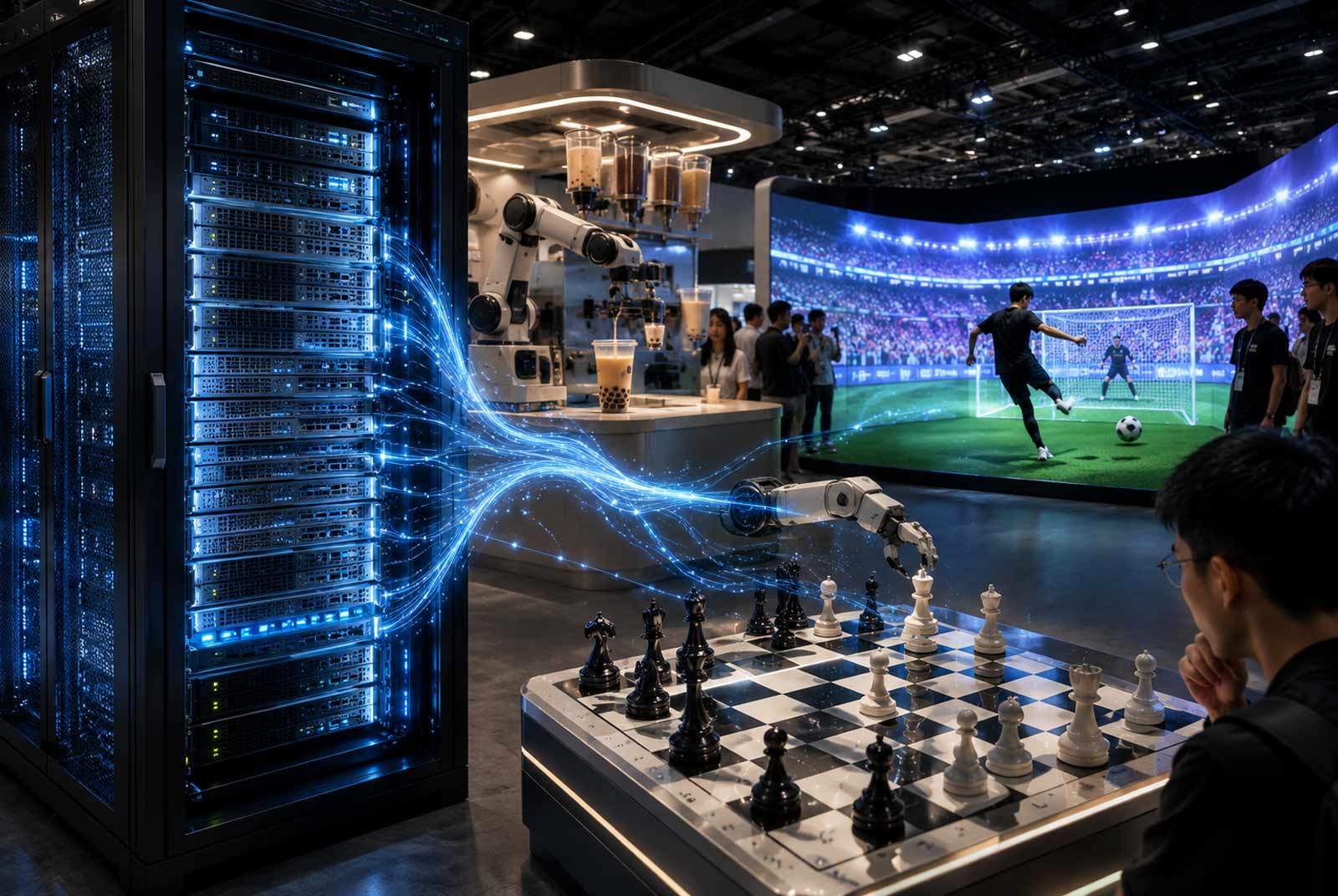
Source:ChatGPT
Why the world's premier tech expo is no longer just about chip demigods and server racks, but a breeding ground for radical business pivots.
Views
Chips, Chops, and Chessboards: How Computex 2026 Proved Tech is More Than Just Servers
By Judy Linweb only
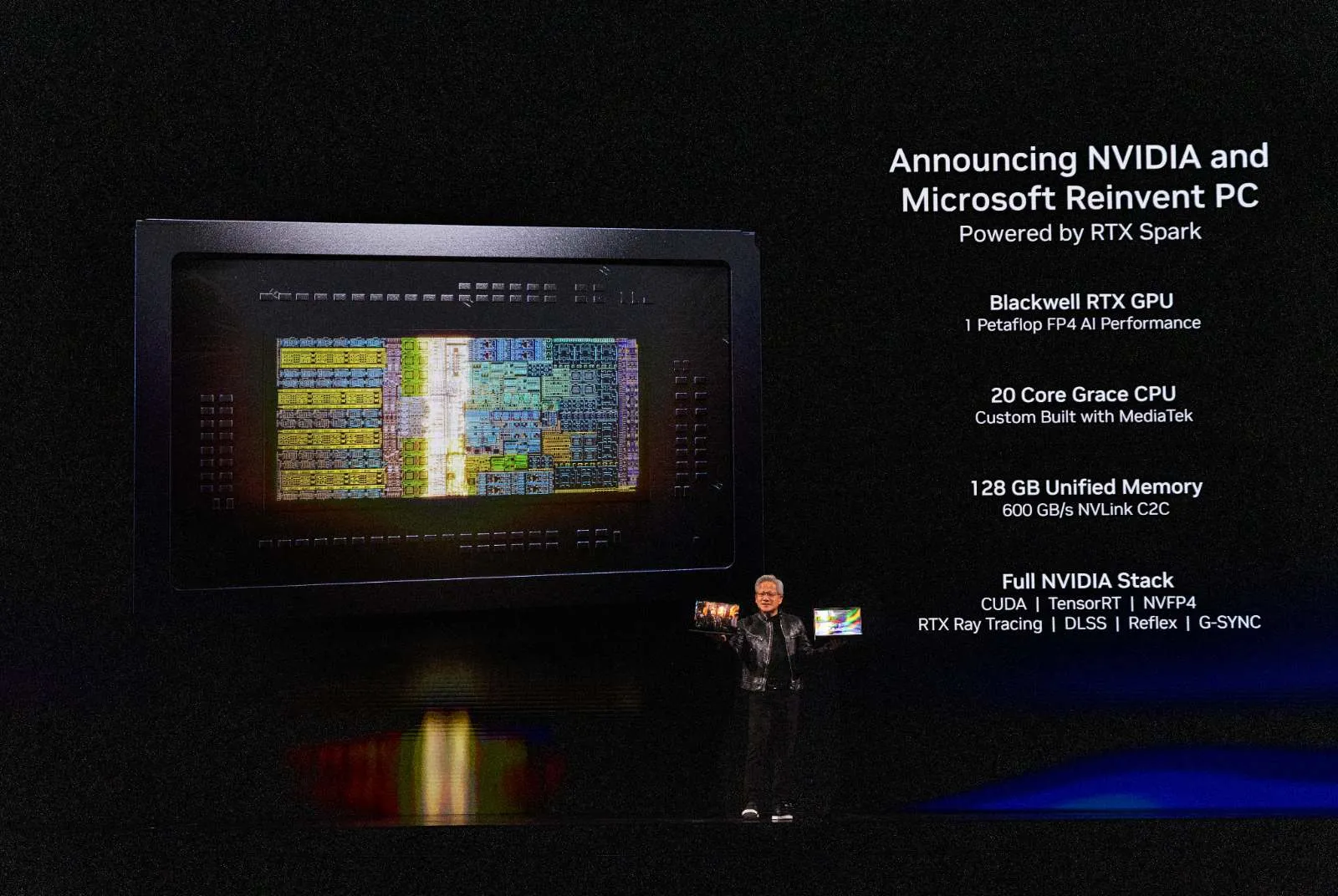
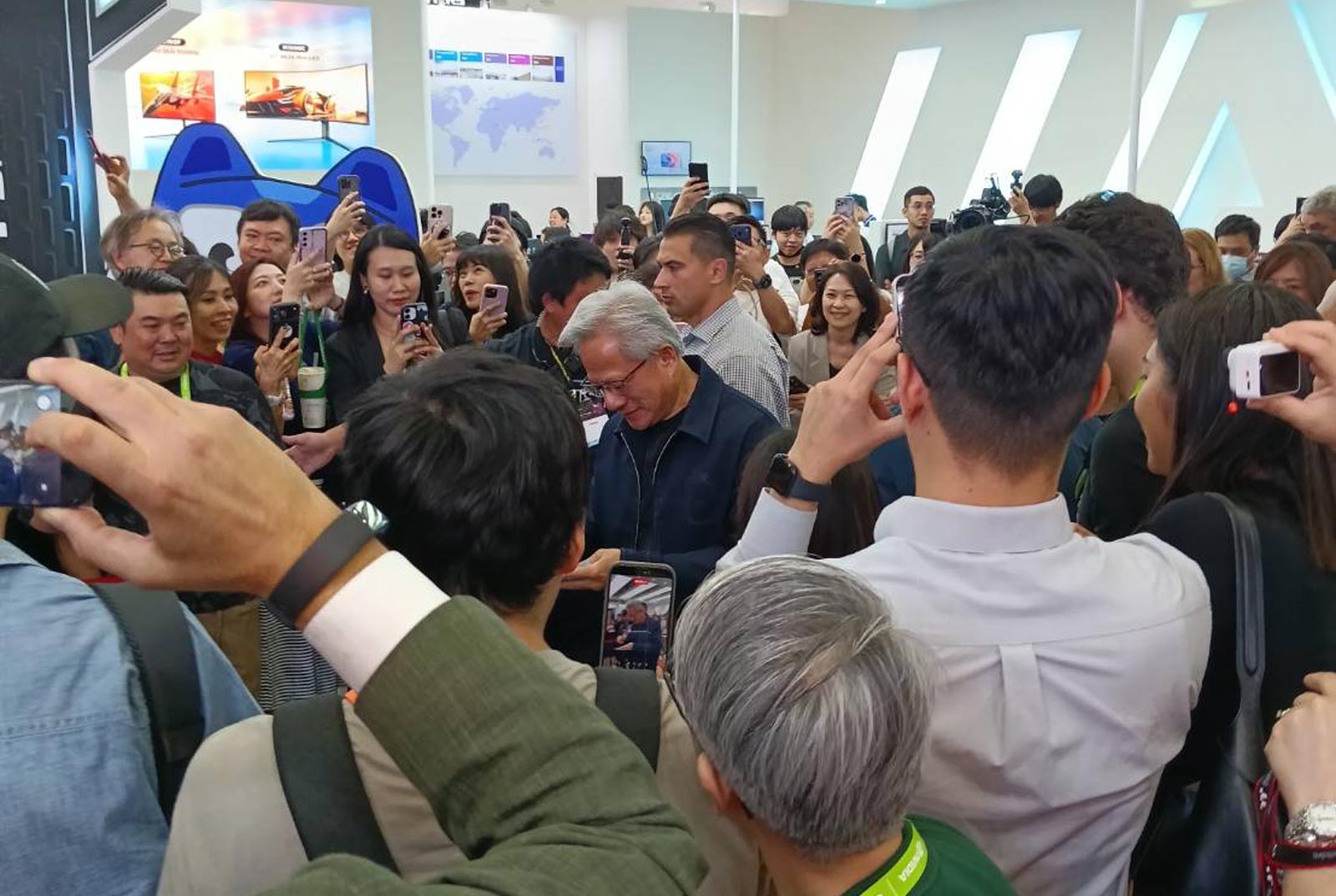
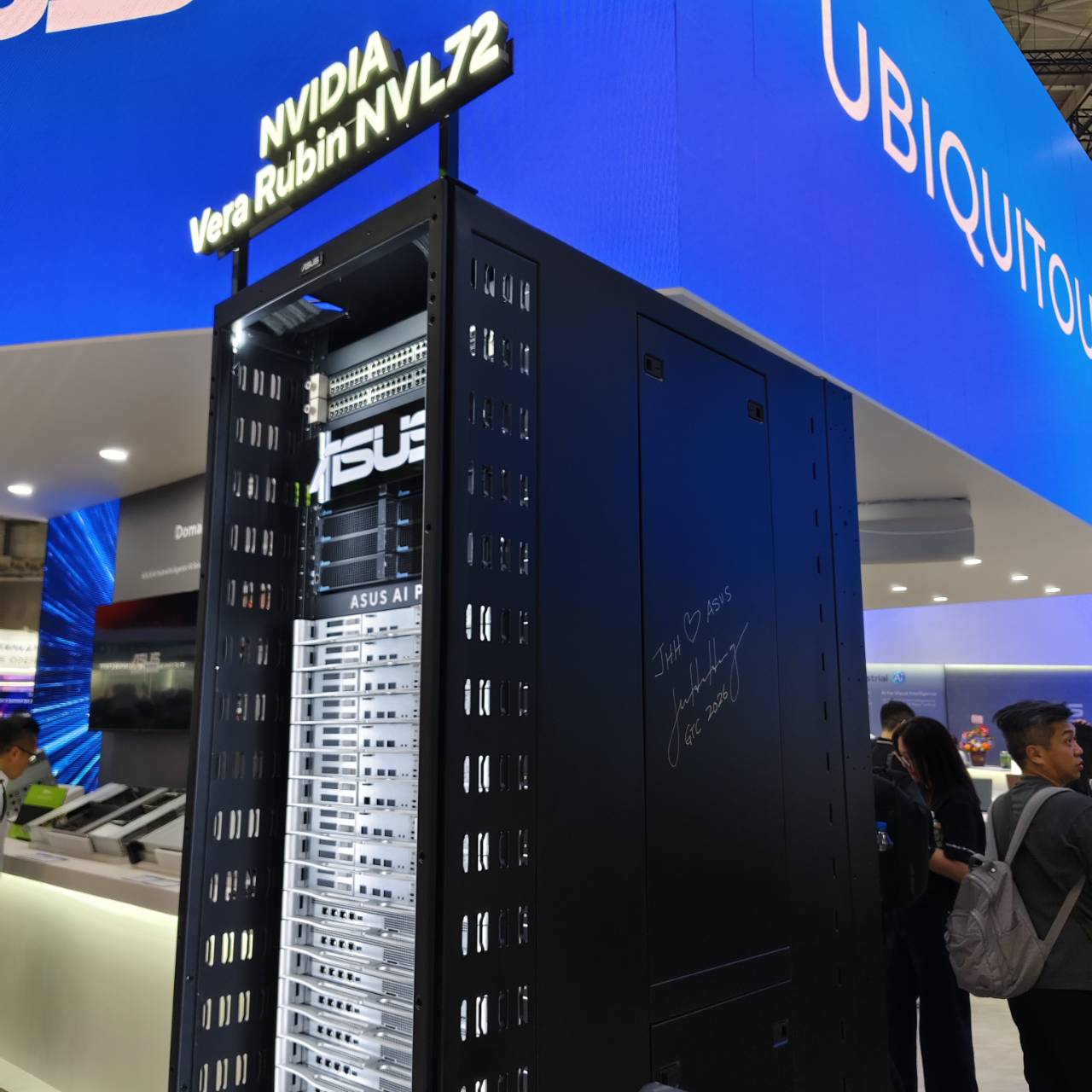
Since the AI boom, Computex has transformed into something resembling a tech Woodstock. But the superstar here isn’t Taylor Swift—it’s Jensen Huang. Attendees willingly line up for over an hour just to gain entry to the Taipei GTC Keynote venue, without a single complaint. Inside, fans eagerly take selfies in front of servers bearing Huang's signature, a badge of honor to prove to friends that they stood where the Nvidia icon once stood. Whenever a dense crowd bottlenecks the exhibition hall, the hype is contagious. "Why the crowd? Is Jensen coming?" people ask, craning their necks. "Let’s get closer and take a photo!"
 (Photo: Gloria Wang)
Yet, while AI chips and Jensen Huang dominate the stock market narratives, Computex 2026 is refreshing proof that the event is no longer just about boring, me-too computers and monolithic servers. It is everything: PCs, robotics, smart devices, drones, semiconductors, AI applications, and even concept vehicles.
 (Photo: Judy Lin)
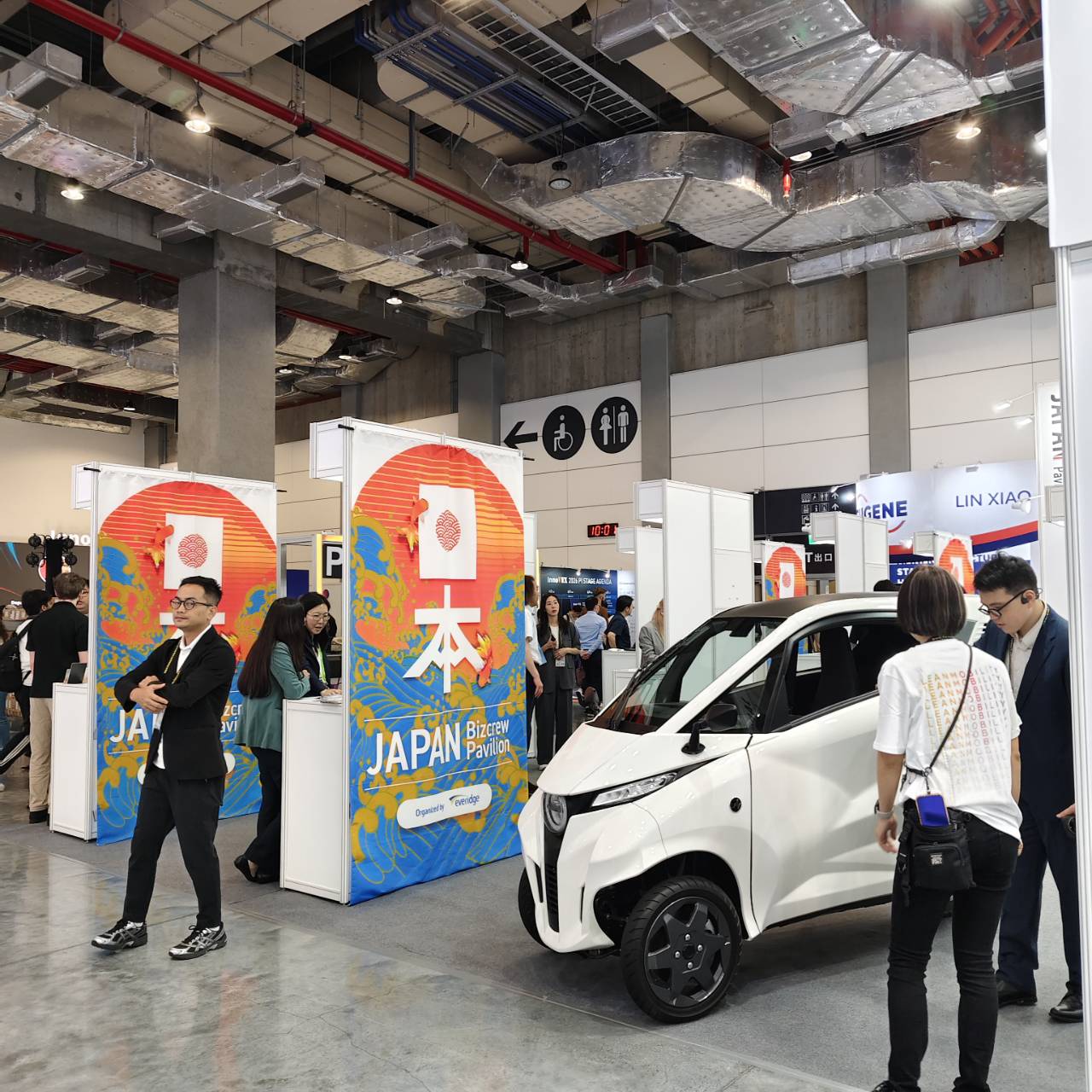
Take Lean Mobility, a Taiwanese startup founded by Japanese automotive veteran Akihiro Yanaka. The company aims to mass-produce and ship a single-seat, three-wheeled electric vehicle complete with air conditioning by late 2026. "Our manufacturing partner is AeonMotor, and this vehicle is designed to be both safe and affordable," explained Lynn Fu, the company's marketing manager.
 (Photo: Judy Lin)
Even the historically painful lunch hour received an upgrade this year. Beyond expanded dining choices outside the venue, a novel automated vending machine serving hot food and beverages inside the hall saved exhausted exhibitors from starvation—though, true to the event's high-demand nature, its popularity guaranteed a perpetual queue.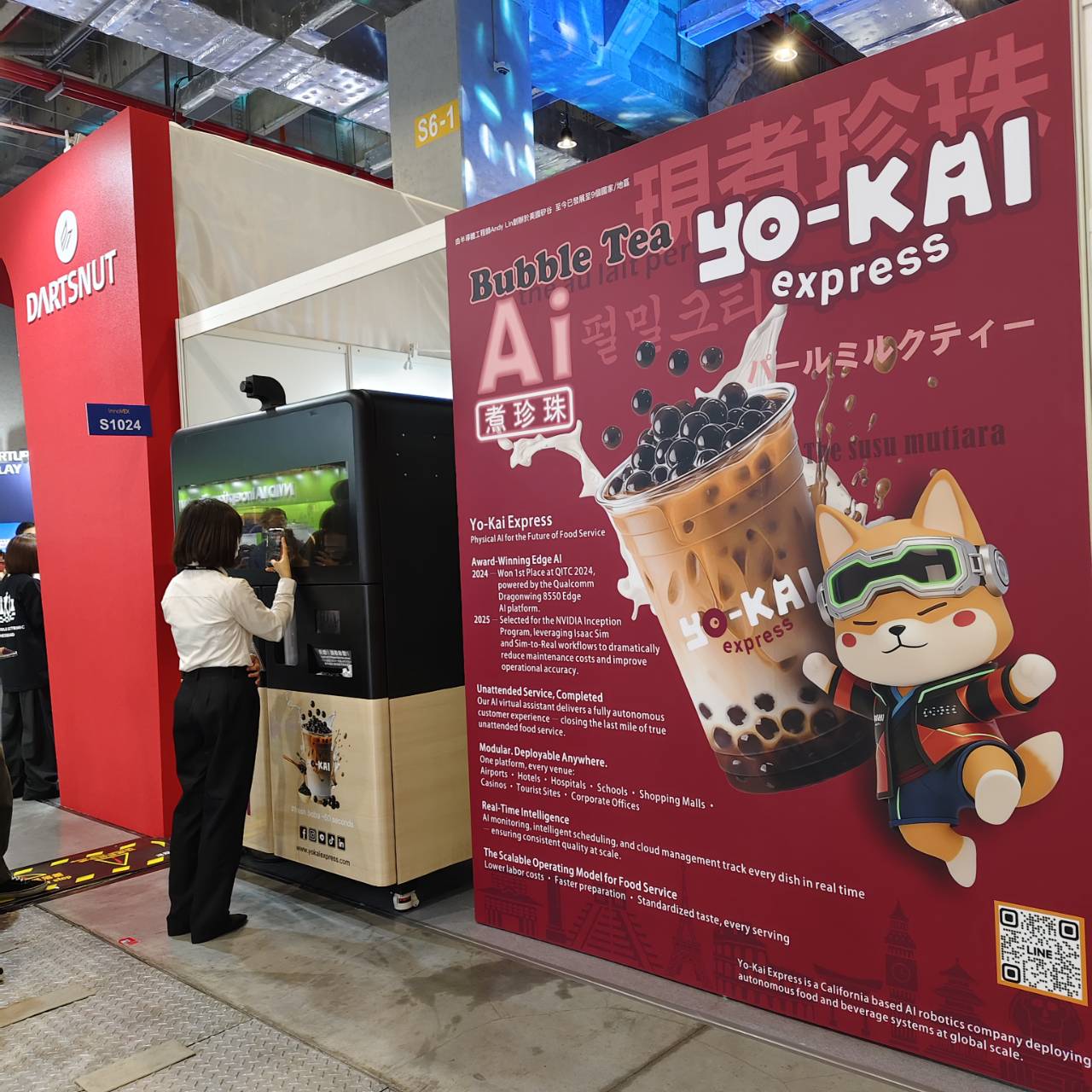 (Photo: Judy Lin)
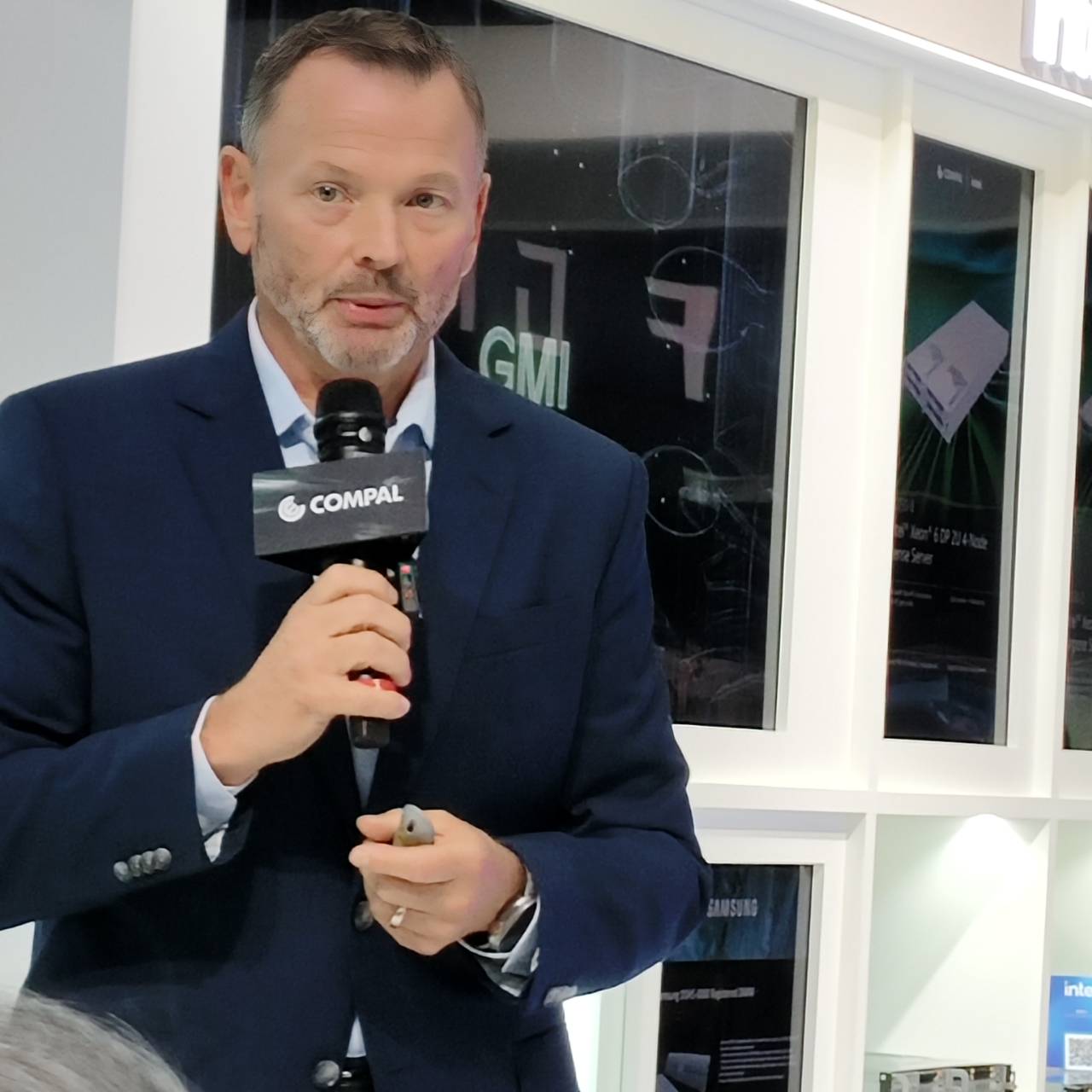
Beyond the hardware spectacles, Computex remains a fertile ground for inspiring stories of business transformation. Compal Electronics CEO Tony Bonadero announced a $5 million investment to build a new AI server factory in Texas and Taiwan to start mass production by year end, respectively, while expanding SMT production lines in both Taoyuan and Vietnam. The company showcased not only AI infrastructure and direct liquid cooling solutions, but also new growth engines like satellite connectivity, digital healthcare, automotive tech, and agentic AI creativity. Their PolyMedX Series, for instance, is a product family built around modular robotics, intelligent storage, and mission-specific systems. Operating through a unified platform, it delivers automation and optimization for high-frequency workflows across hospitals, retail, restaurants, logistics, and laboratories.
 (Photo: Judy Lin)
Meanwhile, Hong Kong-based Chessnut showcased digital dartboards and electronic chess sets equipped with AI applications that track every move and allow users to play against the computer. Their origin story is one of pure pandemic survival. "We used to produce electronic pens for banking signatures," said Stella Zhuang, Chessnut's marketing manager. "But when business suffered during the pandemic, our CEO made the critical decision to pivot." They applied their existing sensor technology to indoor games, targeting isolated consumers looking for entertainment during lockdowns.
 (Photo: Judy Lin)
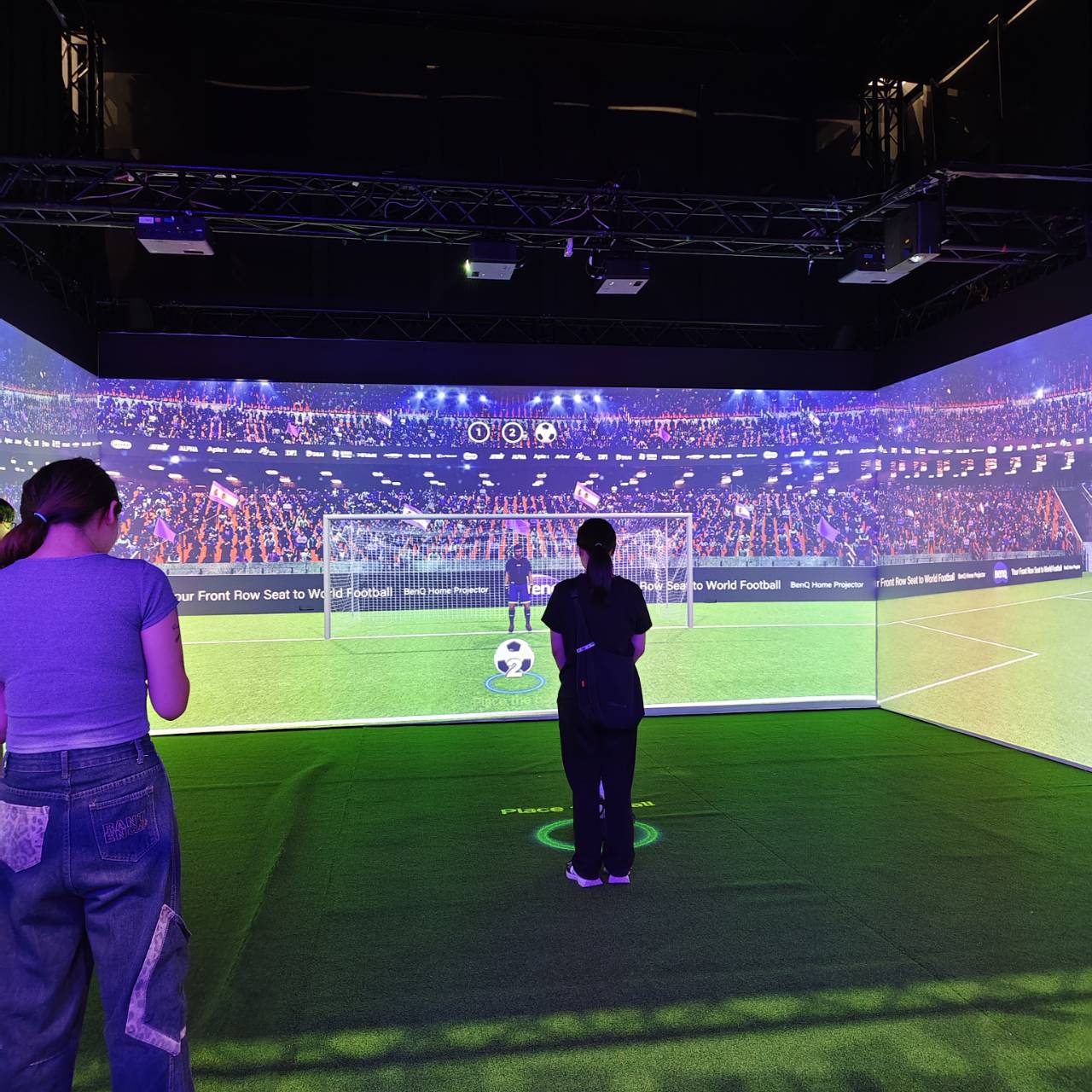
Similarly, Qisda (formerly known as BenQ) is seeing light at the end of the tunnel. Having embarked on a diversification journey into digital healthcare, retail electronics, robotics, drones, and digital sports, the company used the event to announce that its long-awaited AI infrastructure products are finally ready to ship.
 (Photo: Judy Lin)
If the roaring crowds surrounding Nvidia prove that AI is the current engine of the tech industry, the rest of the exhibition floor proves something more profound: the ecosystem is alive, diverse, and fiercely adaptable. From EV startups and pandemic pivots to automated lunch boxes, Computex 2026 demonstrated that tech's future won't just be lived in the cloud or on a balance sheet—it is being built, piece by piece, on the ground in Taiwan.
Have you read?
- Computex 2026: How Nvidia and Qualcomm Are Splitting the Map for the Agentic AI Era
- Exclusive: Why Cooling Problems Threaten Nvidia’s Most Important AI Launch Yet
- Lisa Su: “We Are Still in the Third Inning” of AI
Uploaded by Ian Huang
Views

Subscribe to CWE Newsletter (every Thursday)
Stay abreast of what's happening in Taiwan with our weekly digest.
Keywords: