Trump’s Harvard Crackdown Has Taiwanese Students Scrambling
Source:Ming-Tang Huang
Harvard, and more broadly, international students, have come under attack by the Trump administration, leaving Taiwanese students in or headed to the United States mulling their futures. How is studying abroad being redefined by geopolitics?
Views
Trump’s Harvard Crackdown Has Taiwanese Students Scrambling
By Matthew Hsiaoweb only
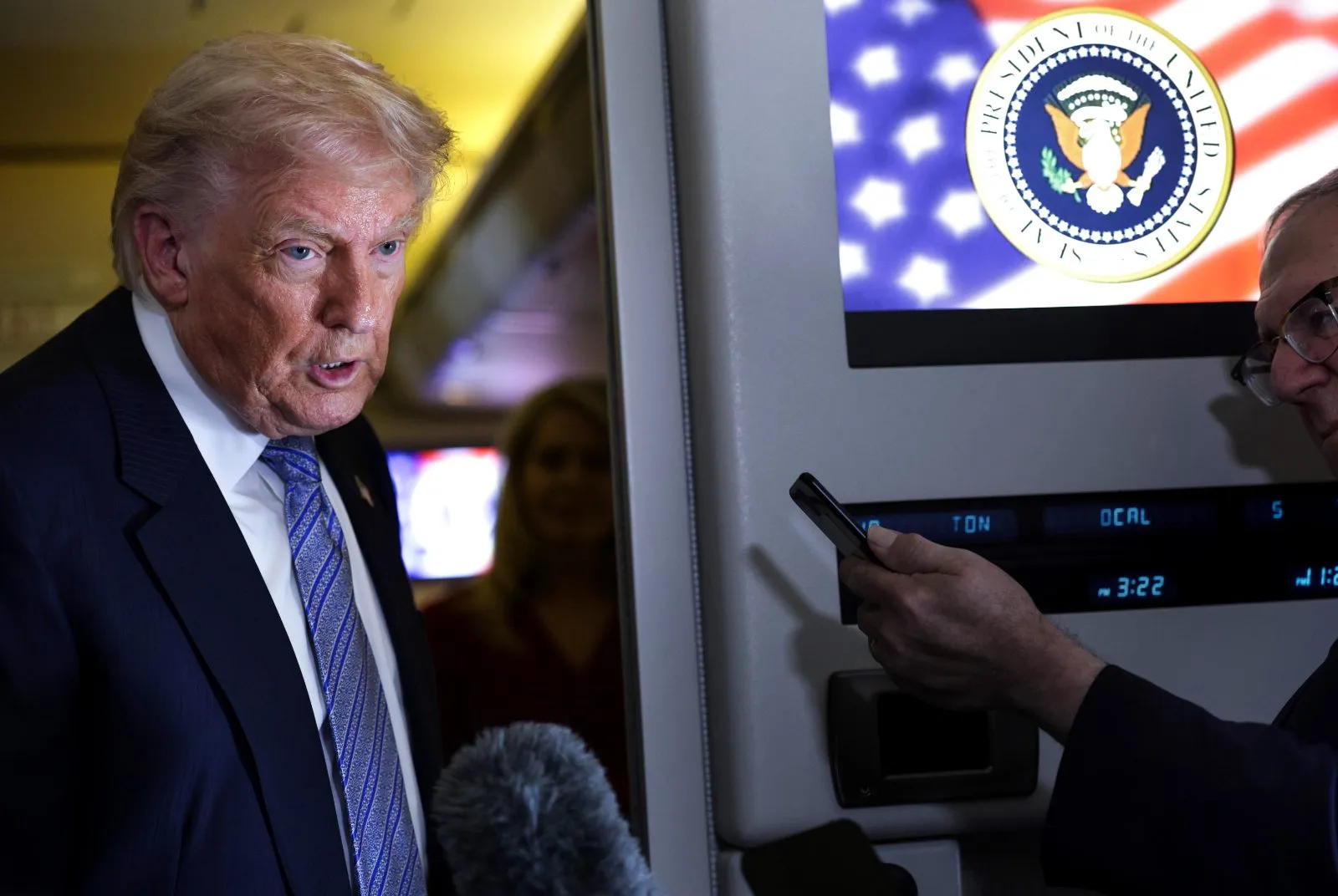
In May 2025, a series of actions by U.S. President Donald Trump targeting Harvard University sent waves of anxiety through the Taiwanese student community in the United States. The administration first froze US$2.2 billion in federal grants to the university, then revoked its authority to enroll international students.
Shortly afterward, the State Department ordered all U.S. embassies to halt student visa interviews and announced tighter scrutiny of applicants’ social media history.
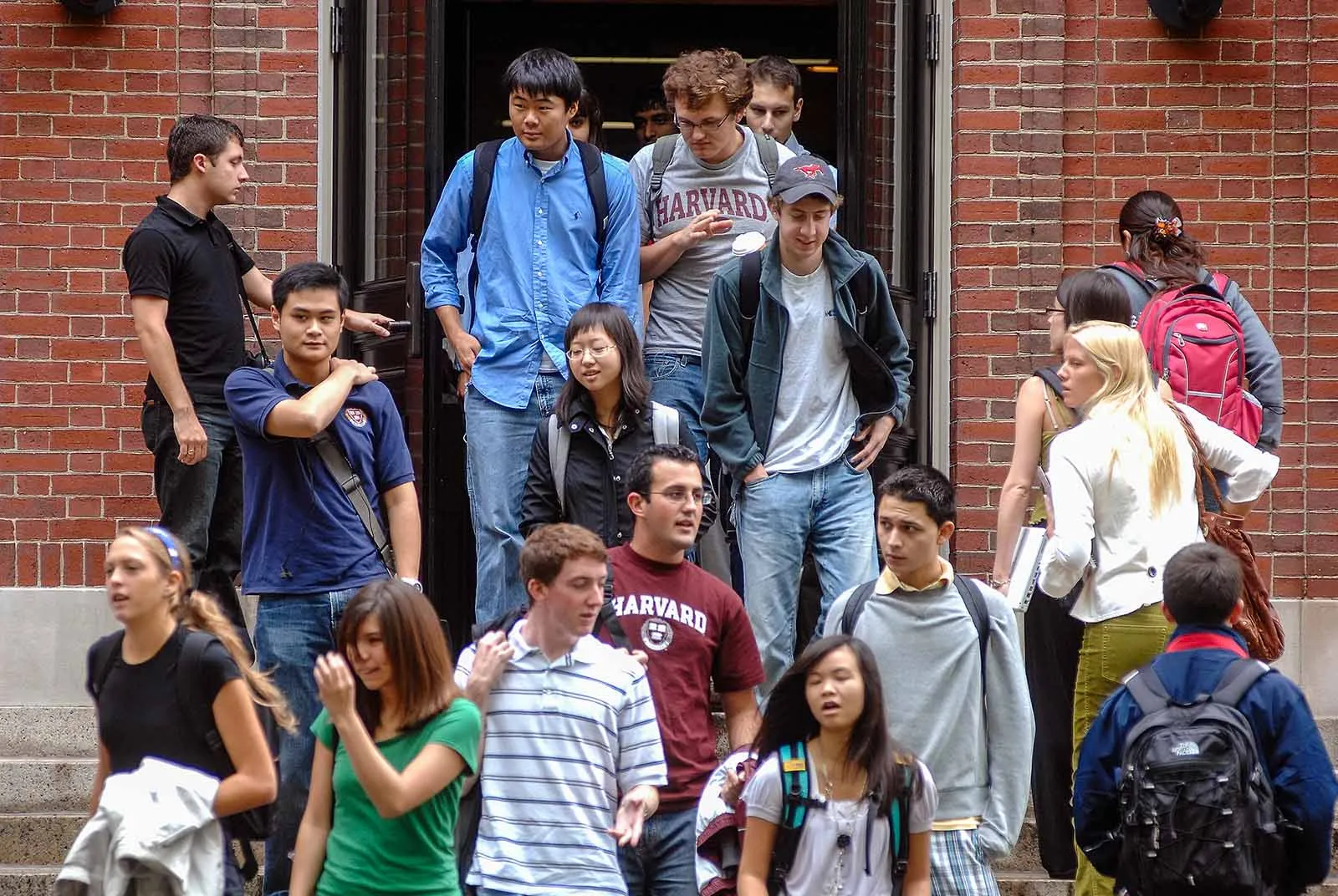
The moves struck a blow not only to America’s higher education system but also to the study-abroad dreams of Taiwanese students, both those already enrolled and those about to begin their studies.
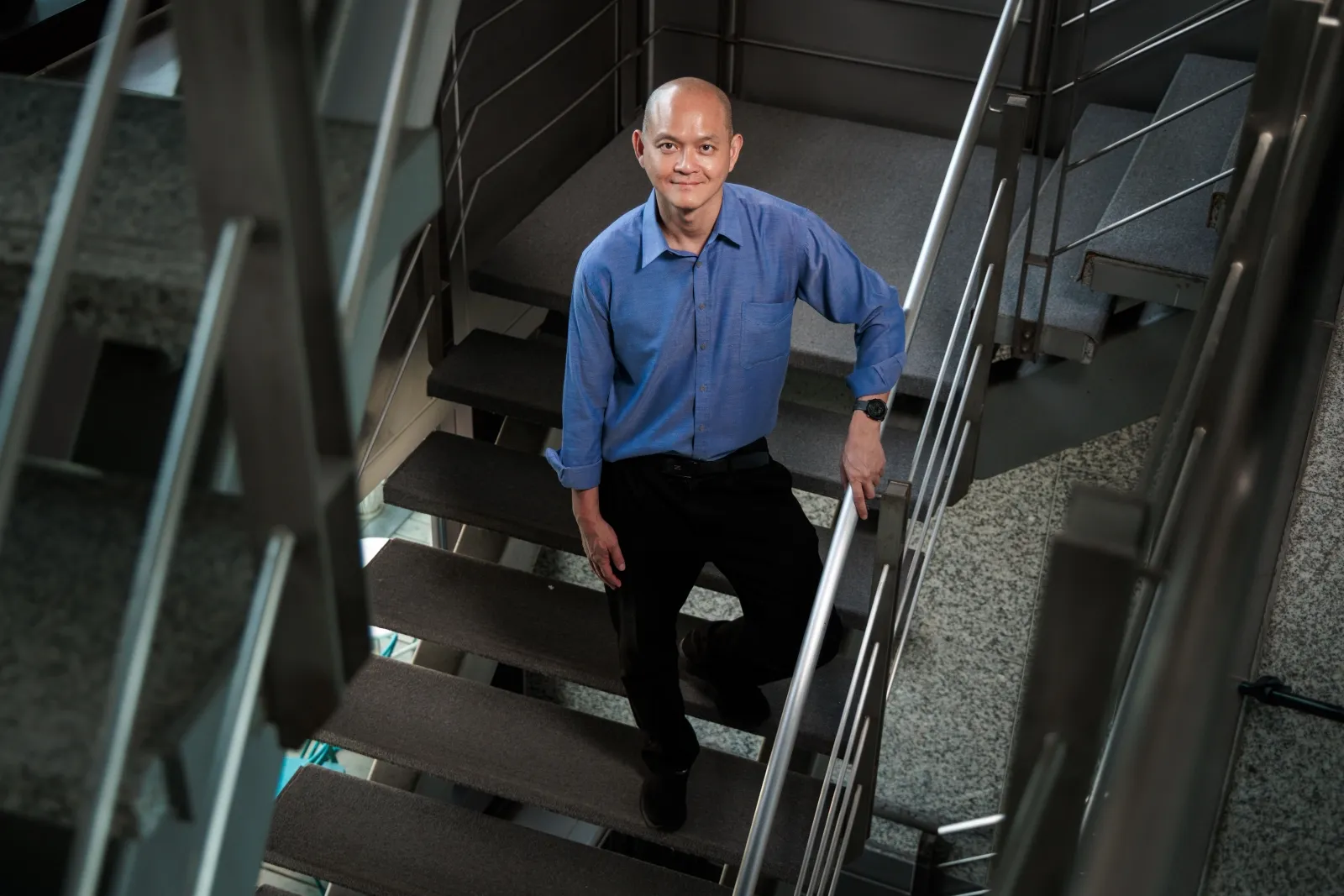
“This situation is unprecedented in 100 years,” said Li Tien-chang (李典璋), a master’s student in infectious diseases at the Harvard T.H. Chan School of Public Health.
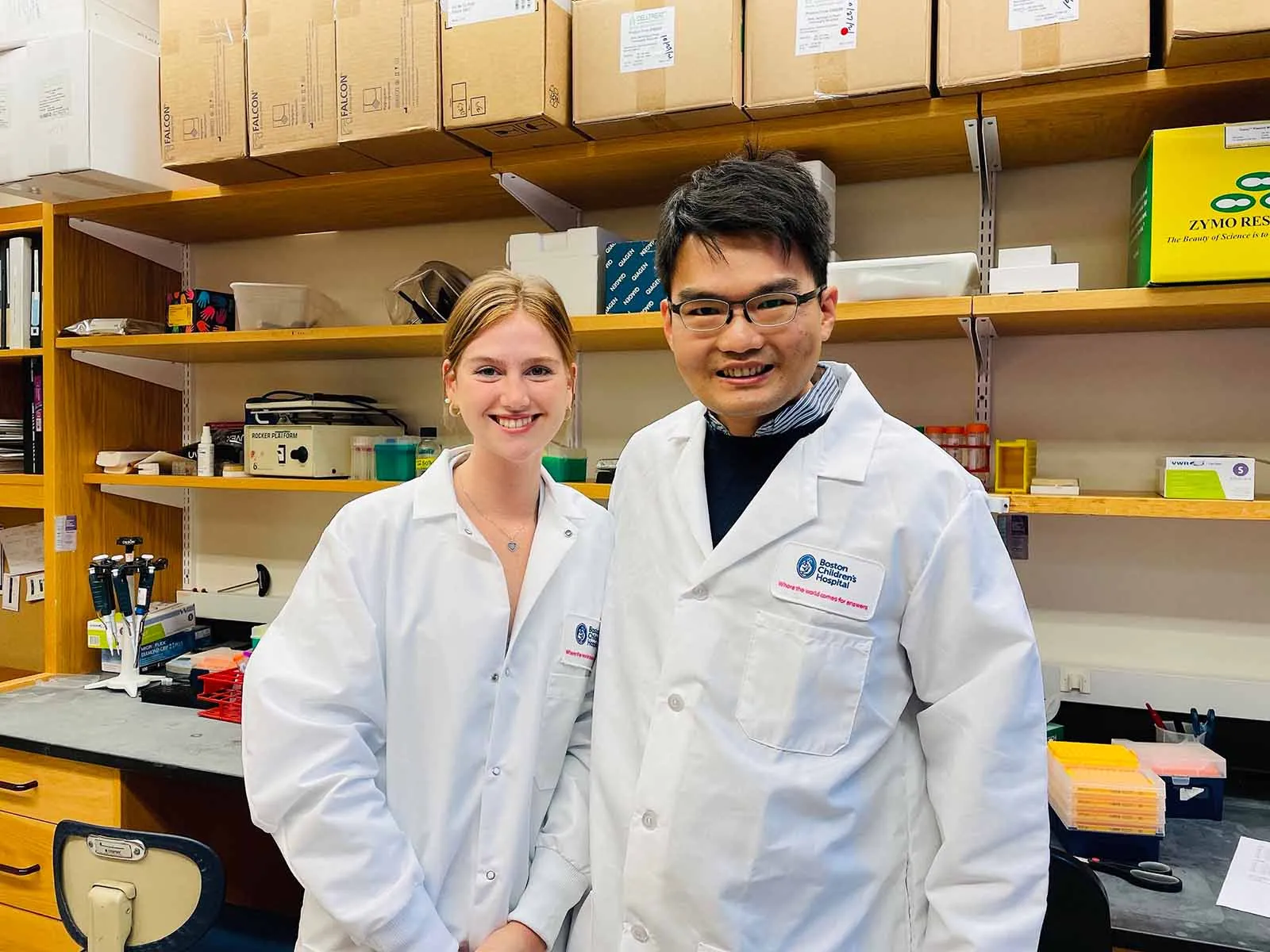 (Source: Li Tien-chang)
Li, who is also a leader of the Harvard Taiwan Student Association, said he’s received a flood of inquiries from Taiwanese students over the past week.
Some had their research grants frozen and may not receive their salaries. Others are still waiting on their visas and might miss the start of the semester. One student who had already secured housing was suddenly informed that the landlord had rented it to someone else.
“Everybody’s very nervous. All you can do is wait for more information,” Li said.
Behind the Policy: Trump’s Beef with Harvard
The storm engulfing Harvard is deeply entangled with politics.
Wu Chong-han (吳崇涵), chair of the Department of Diplomacy at National Chengchi University (NCCU), identified two core drivers behind Trump’s antagonism toward Harvard.
First, protests against Israel erupted on campuses across the U.S. in late 2023 and 2024, following Israel’s retaliatory strikes on Gaza after the October 2023 Hamas attacks. Harvard’s response to the protests was seen as ambiguous, and the university refused to cooperate with a federal investigation into the student protesters. Trump condemned Harvard as a hotbed of anti-Semitism and called for a crackdown.
Second, Trump’s long-standing “America First” stance makes him hostile toward elite universities with high proportions of foreign students that still receive federal support. At Harvard, international students make up 27% of the student body, with a quarter of them from China—something that has further fueled Trump’s discontent.
The administration began freezing more grants to Harvard in April, reaching US$2.75 billion by the end of May. Homeland Security Secretary Kristi Noem then moved to revoke the university’s certification under the Student and Exchange Visitor Program (SEVP).
According to Wu, the implications are serious: “All international students holding I-20 forms for Harvard may soon be considered undocumented and will need to transfer to maintain legal status. Harvard also won’t be able to admit any international students for the upcoming academic year.”
Disrupting Overseas Study Plans: Feeling Powerless
The fallout is already affecting Taiwanese students in real ways. One student, who spoke anonymously, had secured a full scholarship for a Ph.D. program at Vanderbilt University and had already bought a plane ticket. But before departure, he was informed the university had lost its funding and his admission was revoked.
He was later accepted into a master’s program in public policy at Harvard with a US$100,000 scholarship—only to run into the new visa freeze. His visa application remains pending, and the landlord of his pre-arranged housing has since rented the unit to someone else.
“I have no idea whether or not I can go, where I can go, and when. I can only wait,” he said.
Currently, there are 52 Taiwanese students enrolled across seven of Harvard’s schools, including the medical, design, and law schools. According to a recent internal survey by the Harvard Taiwan Student Association, 30% are considering transferring. Half of them are thinking about staying in the U.S. but switching schools, 25% are weighing a move to Europe, and 17% are planning to return to Taiwan.
The End Near for Studying in the U.S.?
Opinions in the study-abroad community are split.
Some consultants argue that the U.S. judicial system can serve as a check on executive overreach. They believe court rulings could limit Homeland Security’s actions and eventually restore order. “Students shouldn’t worry too much,” one consultant said.
Others are less optimistic. They see Trump’s moves as the opening salvo of a broader anti-immigration and anti-globalization campaign.
Wu warned that other universities with high international student populations and strong activist cultures—like MIT, Columbia, and UC Berkeley—may be next. Columbia, where 40% of students are foreign nationals, faces the highest risk.
Studying Abroad No Longer an Obvious Choice
This policy tightening isn’t limited to the United States.
In 2024, Canada reduced its international student quota and limited post-graduation work visas. Australia raised its English-language requirements. The United Kingdom banned some master’s students from bringing their spouses and restricted work visas for non-STEM graduates.
With protectionism rising globally, students seeking education abroad face mounting uncertainty and obstacles.
As Li Tien-chang put it, “Studying abroad isn’t over—but it’s going to be harder than ever.”
Have you read?
- The Shenzhen Effect: How New Immigrants Are Revamping Hong Kong’s Iconic Nightlife
- Japan’s Labor Pivot: How Migrant Workers Keep Narita Running
Translated by Luke Sabatier
Uploaded by Fiona Lin
Views

Subscribe to CWE Newsletter (every Thursday)
Stay abreast of what's happening in Taiwan with our weekly digest.
Keywords: