Taipei on Foot: An Urban Adventure
Source:Pei-Yin Hsieh
Discover Taipei on foot with a 10–15 km urban adventure from Dongmen to Jingmei—through leafy parks, the campus of Taiwan’s top university, a scenic hill climb, and a night market feast.
Views
Taipei on Foot: An Urban Adventure
By Sunny Wuweb only
Taipei is a city made for walking. With its extensive MRT system, you can set out from almost any station, wander for hours, and end your journey wherever your legs decide—just hop on a train or bus to head home. And while many visitors head to the mountains for a workout, the city itself offers routes that can be surprisingly demanding, blending urban culture, history, and nature into a single day’s walk.
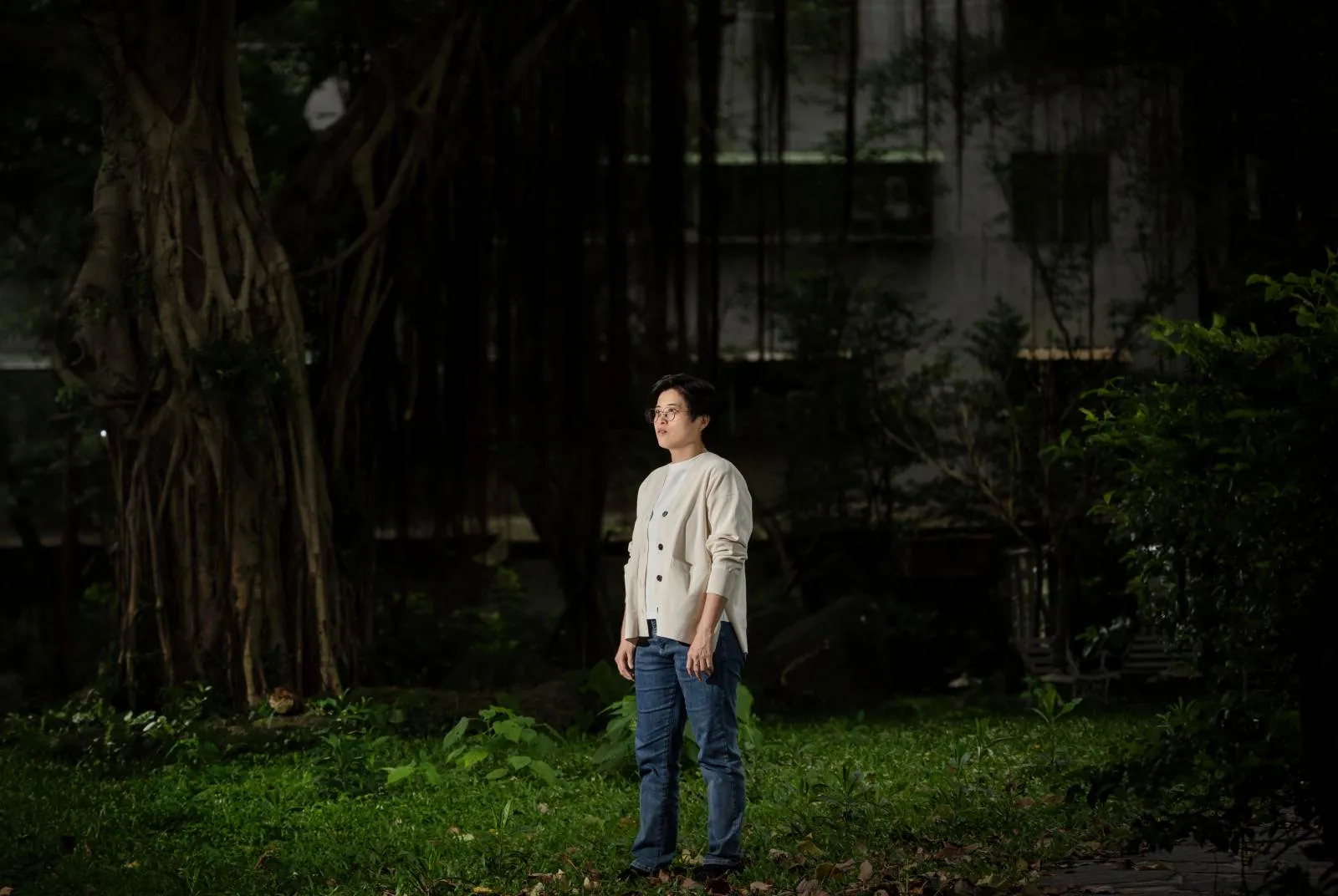
Winston Shen, CEO of Hotel Royal Groups, is one of Taipei’s most enthusiastic urban walkers. What began as short lunchtime strolls—half an hour to clear his head—quickly grew into half-day and full-day expeditions. For him, walking isn’t just exercise; it’s a way of travel.
Walking with History
Shen’s passion deepened when he discovered the story of the Wanshin Railway, a branch line of Taiwan’s north-south railway built in 1921. It ran from Wanhua (in today’s Wanhua District) to the Gunyakusho-mae (now the Wenshan District Office in southern Taipei), passing through what were then important tea- and coal-producing areas.
Shen grew up in Jingmei and was startled to learn that this long-demolished railway once ran right past his home. “From Wanhua to Xindian, the train passed through Jingmei—my own neighborhood,” he recalls. “My first long-distance walk was just to find the path where the trains used to run.”
Today, the rail bed is gone, replaced by Tingzhou Road. Navigating by old maps rather than GPS, Shen followed its curve from near National Taiwan Normal University straight into Wanhua, marveling at how different the route felt compared to the direct but less interesting Roosevelt Road. That detour sealed his love for exploring “hidden” routes through the city.
Preparing for the Challenge
Shen’s recommended route from Dongmen MRT Station to Jingmei Night Market is an urban trek of more than 10 kilometers—15 if you fully explore every stop. It’s ideal for anyone who wants to combine exercise with sightseeing. All you need is a bottle of water, your EasyCard, and a good mood. There’s no pressure to finish; you can exit the walk at any point and take public transport home.
The route can be done in either direction, but Shen likes to start in the north and head south.
Leg 1 — Daan Forest Park Warm-Up
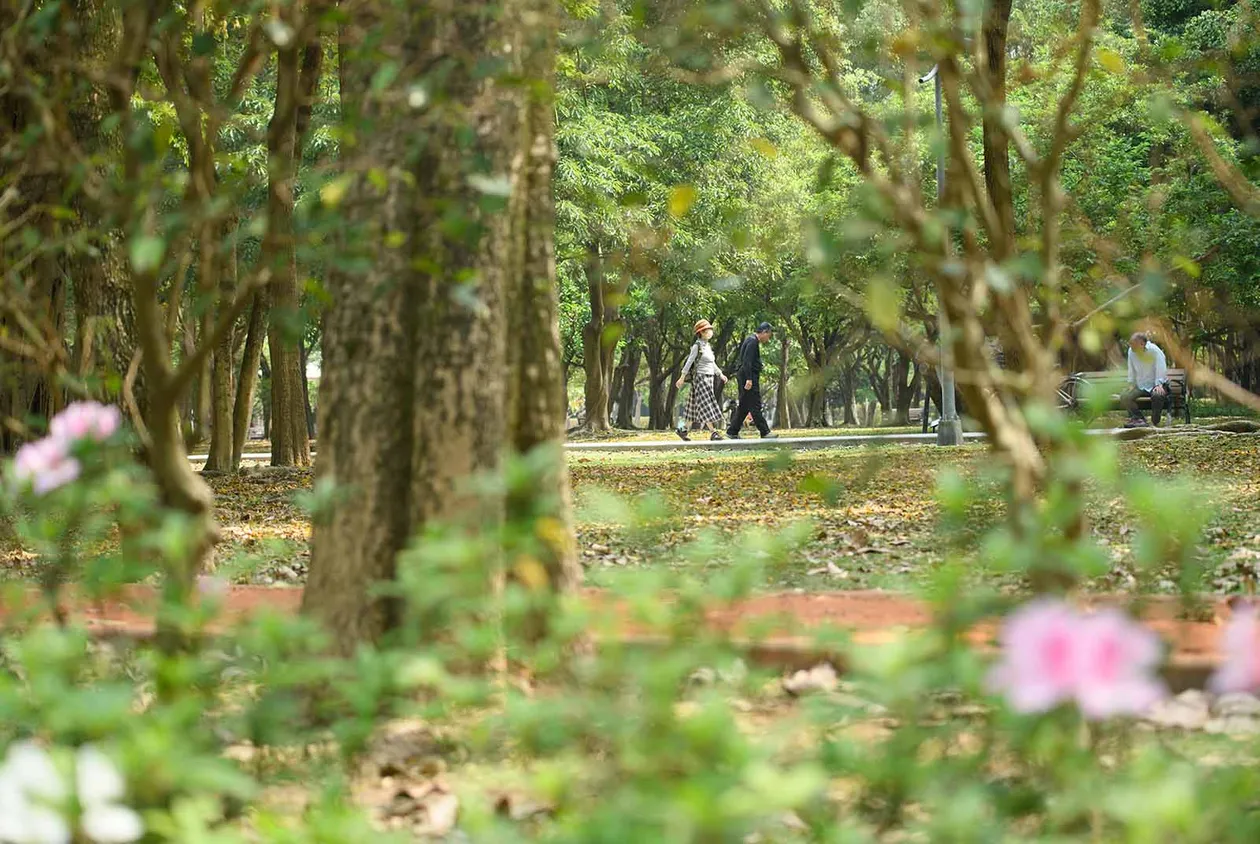
If you begin at Daan Forest Park Station, give yourself time to walk a full loop inside the park first. This 26-hectare green space in the middle of the city is Taipei’s answer to Central Park, with a well-maintained 2-kilometer loop trail, shady trees, lotus ponds, and joggers circling in the early morning. Shen calls it “the best park in Taipei.”
Alternatively, start at Dongmen Station and enjoy a pre-walk meal at the famous Din Tai Fung or browse the bustling Dongmen Market, where locals shop for produce, meats, and ready-to-eat snacks.
Leg 2 — “Paradise Road”
From Daan Forest Park, head south along Xinsheng South Road, known locally as Paradise Road because of its unusually dense collection of churches and religious landmarks.
- Taipei Grand Mosque, built in the 1960s, is Taiwan’s largest mosque and the center of Muslim life in the city.
- Holy Family Catholic Church is the largest Catholic church in Taiwan, a striking 1950s landmark with tall spires.
- Grace Baptist Church and Taipei Wesley Methodist Church follow, each with its own architectural character.
- Farther along, Bread of Life Christian Church dominates a corner of Heping West Road with its imposing facade.
- Even without religious ties, the street is worth the walk for its variety of sacred architecture and the peaceful atmosphere in the middle of busy Taipei.
Leg 3 — National Taiwan University and Gongguan
Continue south into the campus of National Taiwan University (NTU), the country’s most prestigious university. In spring, the paths burst with pink and white azaleas, making this one of the best flower-viewing spots in the city. Sports fields are alive with student games, and tree-lined boulevards invite slow wandering.
The campus is large—big enough to leave your legs tired before the main climb—so take breaks as needed. Families might add a short side trip to the nearby Museum of Drinking Water, which offers quirky exhibits and open lawns.
Back outside the main gate, Gongguan Market offers plenty of snacks even in daylight, from fresh fruit drinks to pepper buns and oyster omelets.
Leg 4 — The Climb to Xianjiyan
From Gongguan, take Xinglong Road and then Jingxing Road. This section climbs gently into the southern hills of Taipei but remains gradual enough that you might not notice the incline.
The highlight is Xianjiyan, a small but rewarding hill hike. The trail is short, shaded, and easy to follow, with a mix of stairs and dirt paths. The summit offers one of the city’s most underrated viewpoints: the Taipei Basin spread out below, framed by distant mountains and the winding Xindian River.
Leg 5 — Jingmei Night Market Feast
The descent from Xianjiyan leads you straight into the heart of Jingmei Night Market, one of Taipei’s most local-feeling food streets. The must-try here is Zheng’s BBQ, a stall famous for braising meats before grilling them to smoky perfection. Locals rate it among the best barbecue in Taipei.
From sizzling skewers to sweet potato balls and bowls of savory rice noodles, the market is a perfect way to refuel after your walk.
Distance and Timing
The route’s base distance is just over 10 kilometers, but if you explore Daan Forest Park, wander the NTU campus, and climb Xianjiyan, expect closer to 15 kilometers. Shen suggests allowing at least two hours for each major stop if you want to fully enjoy them.
The beauty of walking in Taipei is its flexibility. There’s no need to hit a mileage target or complete the whole route. At any point, you can step onto the MRT or a bus—fares are less than US$1—and be home in minutes.
Why Taipei Is Perfect for Walking
Urban hiking here combines cultural landmarks, neighborhood discoveries, and natural beauty without the logistical headaches of getting to the mountains. Whether you’re a visitor or a longtime resident, Shen’s philosophy is simple: start anywhere, walk until you’ve had enough, and enjoy whatever the city reveals along the way.
Views

Subscribe to CWE Newsletter (every Thursday)
Stay abreast of what's happening in Taiwan with our weekly digest.
Keywords: