India-Taiwan Rare Earth Collaboration Could Design Future Security in the Region
Source:shutterstock
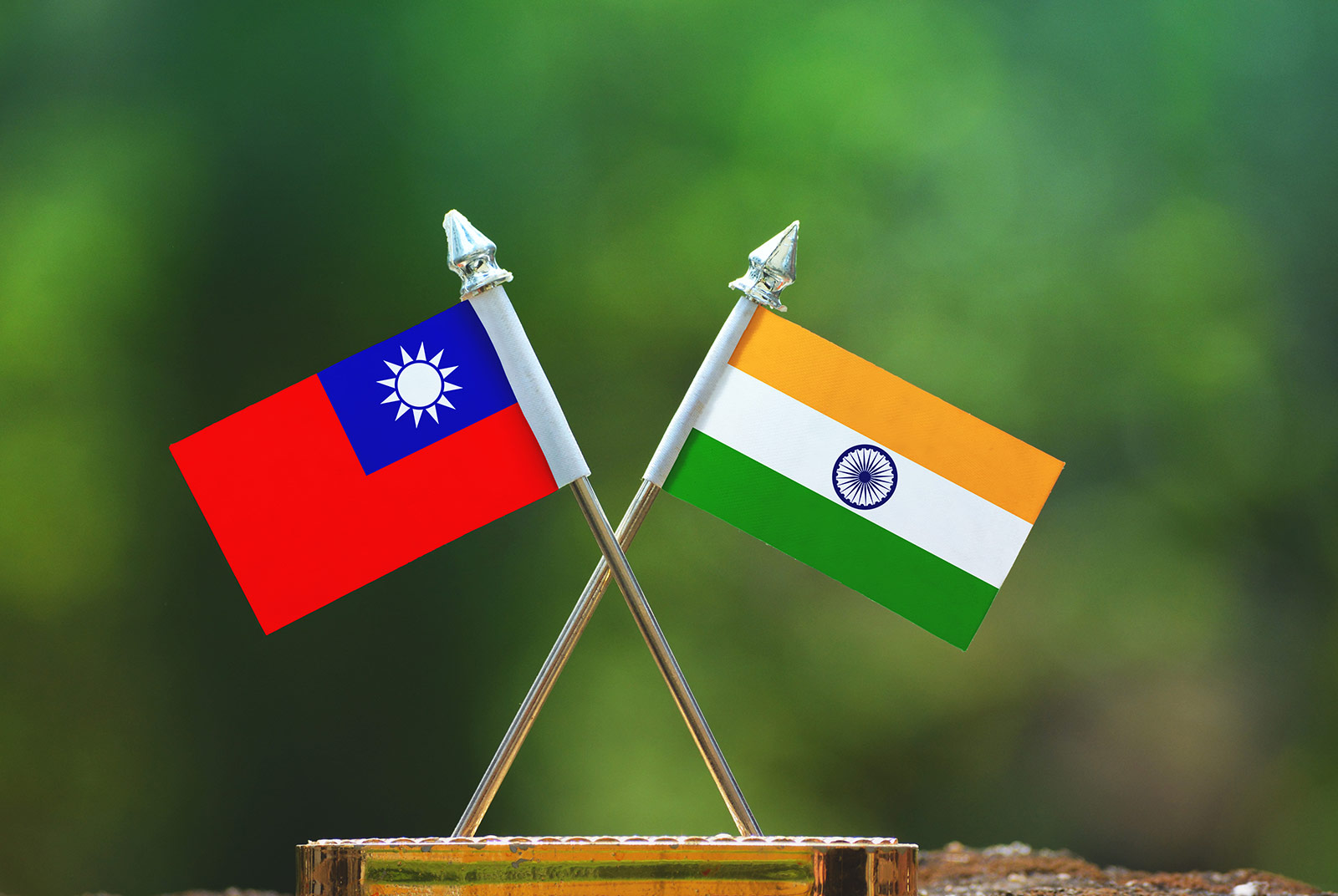
China’s fresh curbs on rare earth exports have pushed Taiwan and India closer, as both seek to reduce reliance on Beijing for critical minerals. With Taiwan needing secure supplies for its tech industries and India holding untapped reserves, could this be the start of a strategic trade alliance?
Views
India-Taiwan Rare Earth Collaboration Could Design Future Security in the Region
By Venus Upadhayayaweb only
China's fresh curbs on rare earth increase the stakes of India-Taiwan next generation trade partnership defined by shared geo-strategic compulsions.
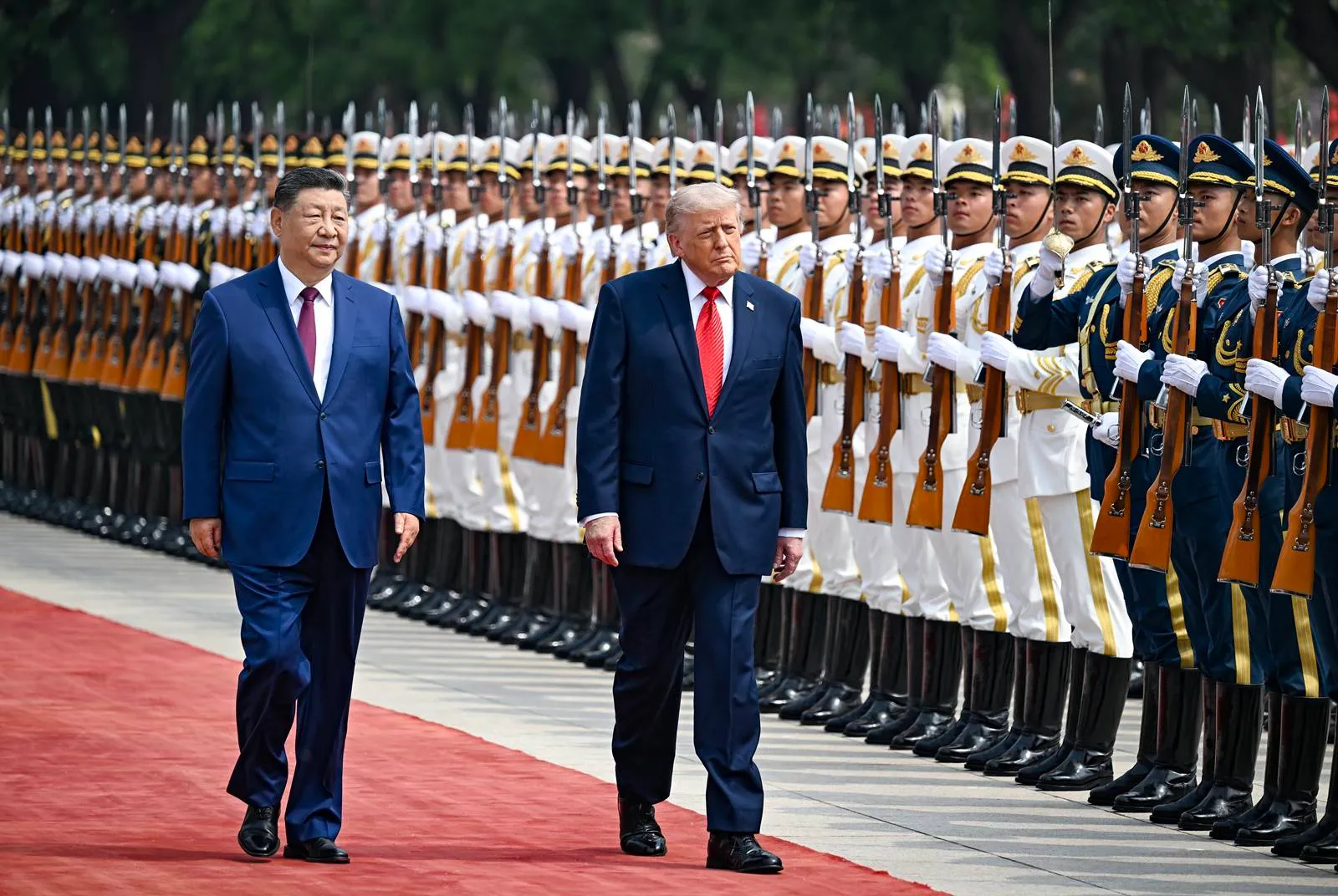
China's new rare earth regulations will take effect in two tiers–on Nov. 8 and December 1–this comes in the wake of China’s April limits on the export of the rare earths mined and processed in China. The new restrictions issued by China’s Ministry of Commerce expanded its restrictions on rare earths and permanent magnet exports. The curbs directly impact the global defense manufacturing industry and as per the statement by Chinese Ministry of Commerce, China is ready for multilateral and bilateral export control dialogues on the issue.
The criticality of the rare earths and the Chinese global dominance of its mining and processing implies an upper hand for the Chinese in these negotiations making things geo-political for everyone. China manages around 70 percent of global rare earth mining and over 90 percent of its global processing.
For India with thousands of miles of highly militarized border with China such negotiations can particularly turn sensitive. Taiwan that has continuously faced threats of a Chinese invasion will also face similar uncertainty. This common compulsion creates a shared need to design future security and a circular economy that breaks through Chinese rare earth dominance.
Impact of Chinese Curbs on Taiwan
There is mixed opinion on how these Chinese curbs will impact Taiwan. Island’s supplies indirectly rely on the Chinese rare earths processed in Japan and the Taiwanese economic ministry has clarified that Taiwan's semiconductor industry is not impacted from China's new curbs. It reportedly continues to assess the impact of the curbs on its chip industry. However other sources don’t agree with this assessment.
In a way the impact of the curbs on the Taiwanese chip industry could be less because Taiwan’s import of rare earths is very small compared to other economies–it makes up only 2.49 percent of the total global imports and most of these are not imported directly from China. However, according to Alayna Bone’s 2022 report for the Global Taiwan Institute, this small is “strategic” for Taiwan’s “economic security” because of the reliance of Taiwan’s most successful manufacturing industries on it. Rare earths are key to Taiwan’s semiconductor industry and anything that impacts the global supply chain will prove challenging for Taiwan as well.
Taiwan is also a part of the smart machine supply chain and this along with its medical technology industry–both require rare earths. Bone had cautioned about the Taiwanese vulnerability to Chinese dominance and had called for investment in international mining and refining firms to diversify its procurement. He had also recommended the creation of a circular economy around rare earths by partnering with other states and foreign firms. This is where Indian rare earths become important for Taiwan.
Taiwanese interest in the Indian rare earth minerals has recently become public. Keven Cheng, Deputy Director, Market Development Department, TAITRA (Taiwan External Trade Development Council) told the Asian News International (ANI) on the sidelines of the Taiwan Expo in New Delhi in late September that Taiwan is interested in sourcing rare earths from India.
The context to this development is further heightened by the increasing global geopolitical stakes in India’s economic rise and India’s domestic push in investing and securing its rare earth mining and processing.
Why Would Taiwan Want Indian Rare Earths?
In addition to the common geo-political context there are other common factors seeking an India-Taiwan collaboration. The rare earth economy is highly futuristic and any technology and development oriented country would want to secure its future needs. That's more the case for Taiwan which wouldn’t want to trade its any kind of freedom with China, for anything on the negotiating table. It would only make Taiwan’s status more vulnerable.
Taiwan would want to secure its rare earth supplies for its expanding domestic industry and to ensure its dominance in the expanding global market. This would need futuristic investment and the ability to be relevant and assertive on the negotiating table. And this is where Indian rare earths become key for Taiwan.
India can do both these functions for Taiwan–India can be an apt ground for Taiwanese investments in rare earths while India could also act as a play card on the negotiating table with China. The latter would want to do everything to curb any future competition, particularly from India, the fastest growing economy, the largest demography, a democratic, civilizational nation in its backyard.
China has much at stake in India’s economic rise. It is to be seen how India itself negotiates with China for rare earths and how in the long run it diversifies its supplies while simultaneously developing its domestic processing capabilities.
Taiwan is watching this with interest. It has the money to invest while India has the fifth largest reserves of rare earths but only one percent of contribution to global mining. This implies a greater need for investment and a large scope for future growth.
In response to China’s curbs on rare earths, India is setting up a National Critical Mineral Stockpile. The Indian initiative wants to create a two-months reserve and is encouraging the investment of the private sector in it. This program addresses India’s strategic vulnerability and complements India’s efforts to increase its domestic production of rare earths.
Taiwan doesn’t possess any significant reserves of rare earths and India’s 8.52 million tonnes of reserves could be its opportunity too–not only in joint processing and securing the supply chains but in research and development as well. Provided the two manage a deal!
(This piece reflects the author's opinion, and does not represent the opinion of CommonWealth Magazine.)
CommonWealth Magazine welcomes op-ed submissions. Please send your article proposals to [email protected]
About the author:

Venus Upadhayaya is a MOFA 2025 Taiwan Fellow and a Visiting Scholar at the College of Law and Politics at National Chung Hsing University, Taichung city.
Views

Subscribe to CWE Newsletter (every Thursday)
Stay abreast of what's happening in Taiwan with our weekly digest.
Keywords: