From ‘Made in Taiwan’ to ‘Team Taiwan’: The Dilemma of a Global Brand
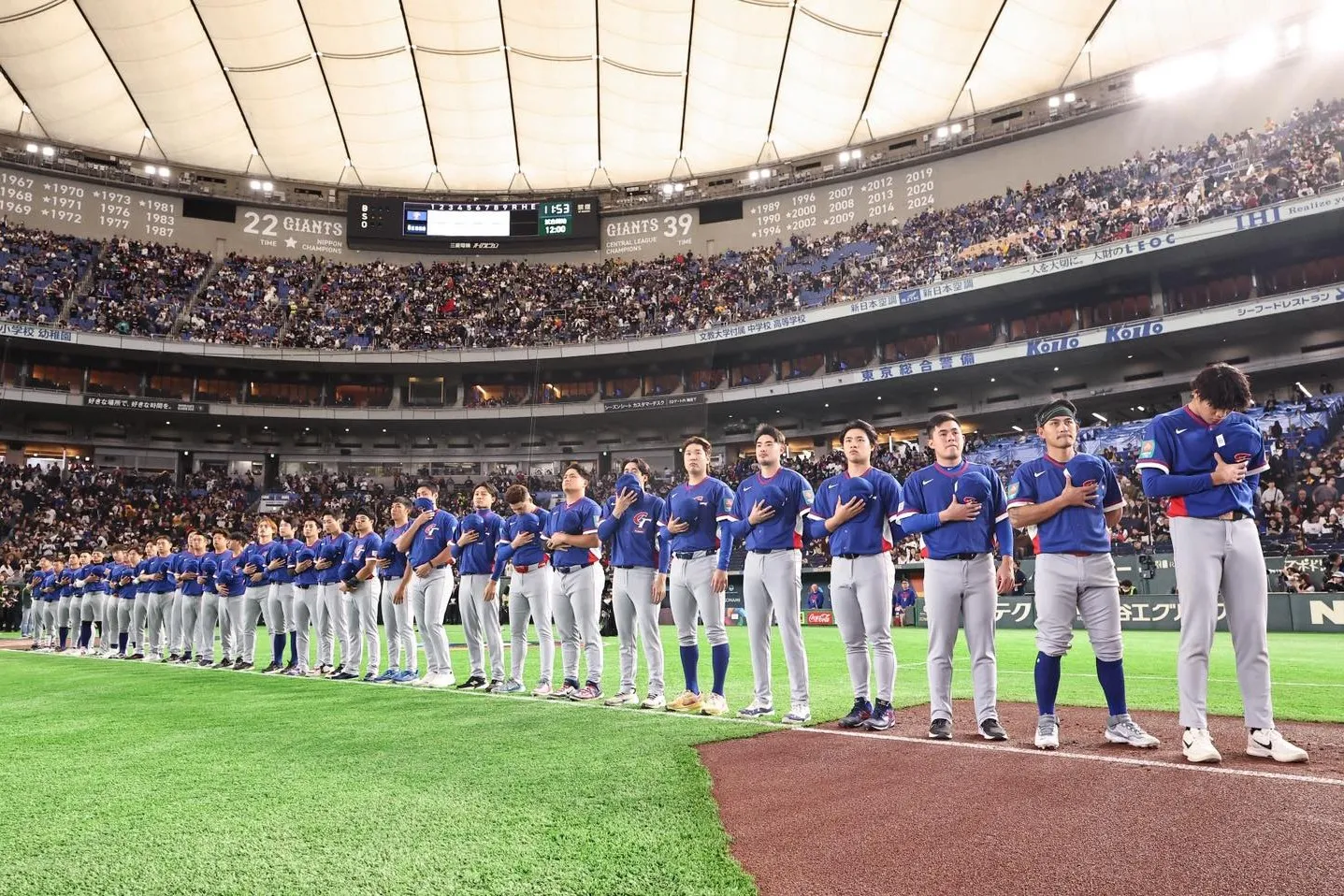
Source:CPBL @Facebook
A viral meme from Taiwan's 2026 World Baseball Classic — "Win and shout Team Taiwan; lose and it's Chinese Taipei" — captures more than fan psychology. It points to an untapped strategic opportunity: the informal brand power of "Team Taiwan" may be able to do what official diplomacy cannot, shaping how the world sees Taiwan in arenas where protocol gives way to perception.
Views
From ‘Made in Taiwan’ to ‘Team Taiwan’: The Dilemma of a Global Brand
By Meng Kit Tangweb only
During the 2026 World Baseball Classic, a meme spread quickly among Taiwanese fans online: “Win and shout Team Taiwan; lose and it’s Chinese Taipei” (贏球喊台灣隊,輸球就是中華隊). The line was humorous, but it also captured a deeper emotional pattern in Taiwan’s sporting culture. When the team triumphed, supporters proudly invoked “Team Taiwan.” When results disappointed, some distanced themselves by invoking the official but awkward label of “Chinese Taipei.”
The tournament provided vivid examples of these emotional swings. At the Tokyo Dome, thousands of Taiwanese fans turned the stands into a sea of blue jerseys, horns, and flashing phone lights. The atmosphere peaked during a dramatic 5–4 extra-inning victory over South Korea, one of the team’s most memorable wins. Yet earlier defeats including heavy losses to Japan and Australia triggered a different tone online. In those moments, some fans spoke of the struggling “Chinese team” rather than the beloved “Taiwan team.”
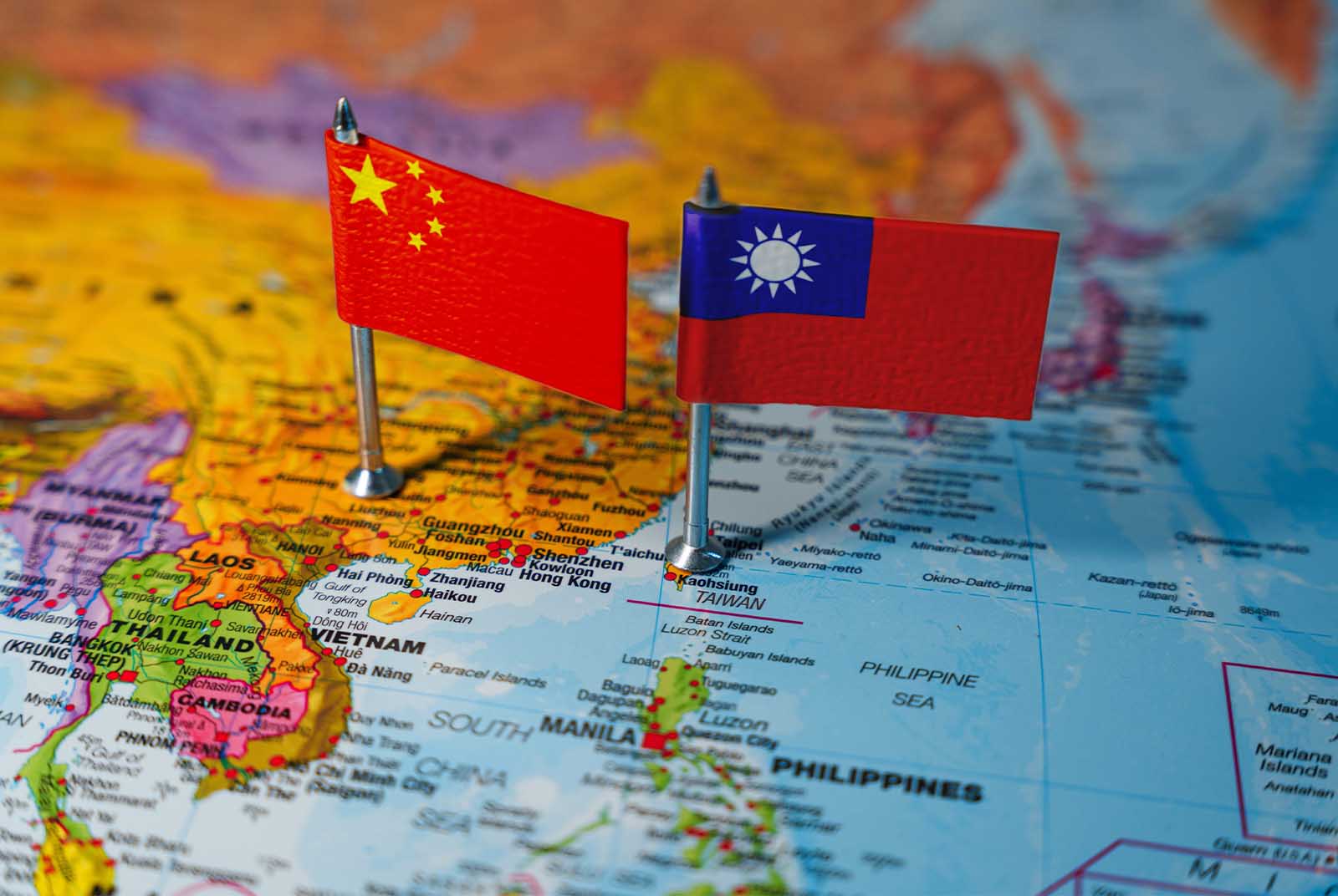
The meme exposed a paradox at the heart of Taiwan’s global presence. On the international stage, Taiwan competes under the name Chinese Taipei, a diplomatic compromise shaped by decades of geopolitical pressure. At home, however, many citizens instinctively cheer for “Team Taiwan.” The tension between these labels reflects Taiwan’s evolving identity under constraint. If handled thoughtfully, the emotional power behind “Team Taiwan” could become more than a stadium chant but grows into a powerful unofficial global brand.
The Compromise Behind “Chinese Taipei”
Taiwan’s unusual sporting identity is rooted in a historical compromise. After shifts in international recognition during the late twentieth century, Taiwan’s participation in global sporting institutions had to be renegotiated. Arrangements such as the Nagoya Resolution and the Lausanne Agreement established the designation “Chinese Taipei” for Taiwan’s Olympic committee and national teams.
The compromise was pragmatic. It ensured that Taiwanese athletes could continue competing in major events such as the Olympics to tournaments like the World Baseball Classic without triggering direct disputes over sovereignty. For athletes, this arrangement has preserved access to the world stage.
Yet the symbolic gap between diplomatic terminology and everyday identity has widened. Taiwan’s democratic transformation has been accompanied by a steady shift in how citizens understand themselves. Surveys consistently show that a growing majority now identify primarily as Taiwanese rather than Chinese.
As a result, the label “Chinese Taipei” often feels detached from popular sentiment. It functions in diplomatic arenas, but it rarely resonates emotionally with fans at home. In stadiums, on social media, and in casual conversation, “Team Taiwan” has increasingly become the instinctive alternative.
Conditional Cheering and the Politics of Identity
The viral meme illustrates how identity can be negotiated through sport. When Taiwan wins, supporters embrace the aspirational identity they prefer: “Team Taiwan.” When the team loses, some distance themselves from disappointment by invoking the official name they find less meaningful.
This pattern reflects a familiar dynamic in social identity politics: success invites identification, while failure invites symbolic distancing. By shifting labels depending on the outcome, fans preserve collective pride while externalizing frustration.
In Taiwan’s case, the contrast between “Team Taiwan” and “Chinese Taipei” provides a ready vocabulary for this emotional maneuver. The former evokes a confident and modern Taiwan, one that is democratic, innovative, and distinct. The latter, though politically necessary, carries the legacy of Cold War diplomacy and unresolved cross-strait tensions.
Yet turning identity labels into tools of blame can be counterproductive. Athletes compete under a single jersey regardless of political debates surrounding its name. When public discourse links identity labels to victory or defeat, it risks placing additional pressure on players who already face intense international competition.
Moments during the tournament revealed another side of Taiwanese fandom. Even during difficult games, large numbers of supporters continued cheering loudly in the stands. The dramatic victory over South Korea produced scenes of shared celebration that transcended naming controversies. For a few hours, the stadium’s chants were not about politics but about collective pride.
These moments hint at a deeper truth: beneath debates over labels lies a reservoir of emotional unity waiting to be harnessed.
From Stadium Chant to Global Brand
This is where the idea of “Team Taiwan” becomes strategically significant. Because the phrase operates largely outside formal diplomatic frameworks, it can function as a flexible brand rather than a contested political statement.
In sports culture, the brand already carries momentum. International tournaments frequently feature large and energetic Taiwanese fan groups whose coordinated cheering attracts global media attention. Their distinctive style of blue jerseys, rhythmic chants, and celebratory props create a recognizable identity that travels easily across broadcasts and social media.
Beyond the stadium, similar language has begun appearing in other arenas. Technology exhibitions, startup delegations, and trade events often highlight Taiwan’s innovation and entrepreneurial spirit through coordinated branding. These efforts build on Taiwan’s reputation in semiconductors, advanced manufacturing, and artificial intelligence.
Cultural exports reinforce the image as well. From bubble tea to design culture, Taiwanese creativity has found enthusiastic audiences abroad. Each success contributes to a broader perception of Taiwan as a dynamic and forward-looking society.
Crucially, unofficial branding works precisely because it remains unofficial. Diplomatic naming disputes can paralyze formal institutions, but the informal spaces of globalization like consumer culture, sports fandom, and business collaboration operate more flexibly. Recognition in these arenas emerges through familiarity rather than legal status.
“Team Taiwan” therefore operates in a domain where perception matters as much as protocol. Repeated by fans, entrepreneurs, and cultural ambassadors, the phrase can gradually shape how global audiences understand Taiwan even if official institutions continue to use more cautious terminology.
Turning Emotion into Strategy
For such a brand to succeed, however, consistency is essential. The meme that inspired laughter during the tournament also highlights a potential weakness: fragmentation. If “Team Taiwan” appears only in moments of victory, it risks becoming a reactive slogan rather than a coherent identity.
A more sustainable approach would emphasize resilience and inclusivity. Sporting defeats would become part of a shared narrative rather than a reason to switch labels. Fans, businesses, and cultural institutions could adopt the phrase as a unifying symbol that transcends the scoreboard.
Public diplomacy could reinforce this narrative by connecting sports enthusiasm with economic and cultural promotion. A Taiwanese startup delegation presenting new technology abroad, for example, might frame its achievements as part of the same creative ecosystem that produces world-class athletes and artists. In this framing, “Team Taiwan” represents not only a baseball team but a broader spirit of innovation and collaboration.
Importantly, embracing such a brand does not require abandoning existing diplomatic arrangements. Taiwan will likely continue competing internationally as Chinese Taipei for the foreseeable future. Parallel narratives can coexist: official names satisfy institutional rules, while unofficial brands shape global perception.
The Power of a Shared Story
Sport offers one of the clearest stages where this tension becomes visible. Each tournament brings victories and defeats, but it also provides moments when collective identity is publicly performed.
If the energy behind “Team Taiwan” evolves from a conditional chant into a consistent narrative, it could give Taiwan something powerful: a global brand rooted in resilience and creativity. In stadiums, trade fairs, and cultural exchanges alike, the phrase would signal a society confident enough to celebrate itself even within diplomatic limitations.
Taiwan may not yet control the name under which it competes. But it can shape the meaning that name carries. And when supporters around the world cheer “Team Taiwan,” they are doing more than supporting a baseball team—they are telling a story about a community determined to define itself on its own terms.
(This piece reflects the author's opinion, and does not represent the opinion of CommonWealth Magazine.)
CommonWealth Magazine welcomes op-ed submissions. Please send your article proposals to [email protected]
About the author:

Tang Meng Kit is a Singaporean and works as an aerospace engineer. He graduated from the S. Rajaratnam School of International Studies (RSIS), Nanyang Technological University (NTU), Singapore. His research interests include cross-Straits relations, Taiwan politics, policy issues and aerospace technology.
Have you read?
Uploaded by Ian Huang
Views

Subscribe to CWE Newsletter (every Thursday)
Stay abreast of what's happening in Taiwan with our weekly digest.
Keywords: