How NTUST Became a Talent Pipeline for Taiwan Tech
Source:Chien-Tong Wang
Taiwan Tech (NTUST), the nation's leading technical university, is more than just a cradle for engineering talent — it has cultivated a campus environment where international students from 54 countries feel genuinely supported and at ease, revealing a softer, more thoughtful side beneath its technical exterior.
Views
How NTUST Became a Talent Pipeline for Taiwan Tech
By Hazel Hsuweb only
With 30 days remaining before graduation, Abhishek Tarikallu Thippesh, a second-year master’s student in electrical engineering at the National Taiwan University of Science and Technology (NTUST), leads a reporter on a tour of the gymnasium and various academic buildings.
Thippesh hails from Bengaluru (also known as Bangalore), the center of India’s high-tech industry. He first came to Taiwan in 2023 through the National Science and Technology Council’s international talent internship program, interning at Delta Electronics. Later, when choosing among five graduate programs to which he had applied, he selected NTUST, which fellow Indian students had described as offering “abundant employment resources.”
The technology sector was not the only factor attracting him to stay. Originally, he had considered either returning to India or pursuing opportunities in the United States. However, after two years in Taiwan, he decided to remain, hoping to pursue a doctorate or work as a power systems engineer.
One experience left a particularly strong impression on him. After forgetting his bag on a train and asking station staff for assistance, the lost item was returned to him within just 10 minutes.
“It was unbelievable,” he said.
International talent like Thippesh is becoming an increasingly important source of manpower for Taiwan’s technology industry. According to an alumni survey of international students at NTUST, 60 percent of international graduates have stayed in Taiwan to work over the past five years, double the rate of previous years.
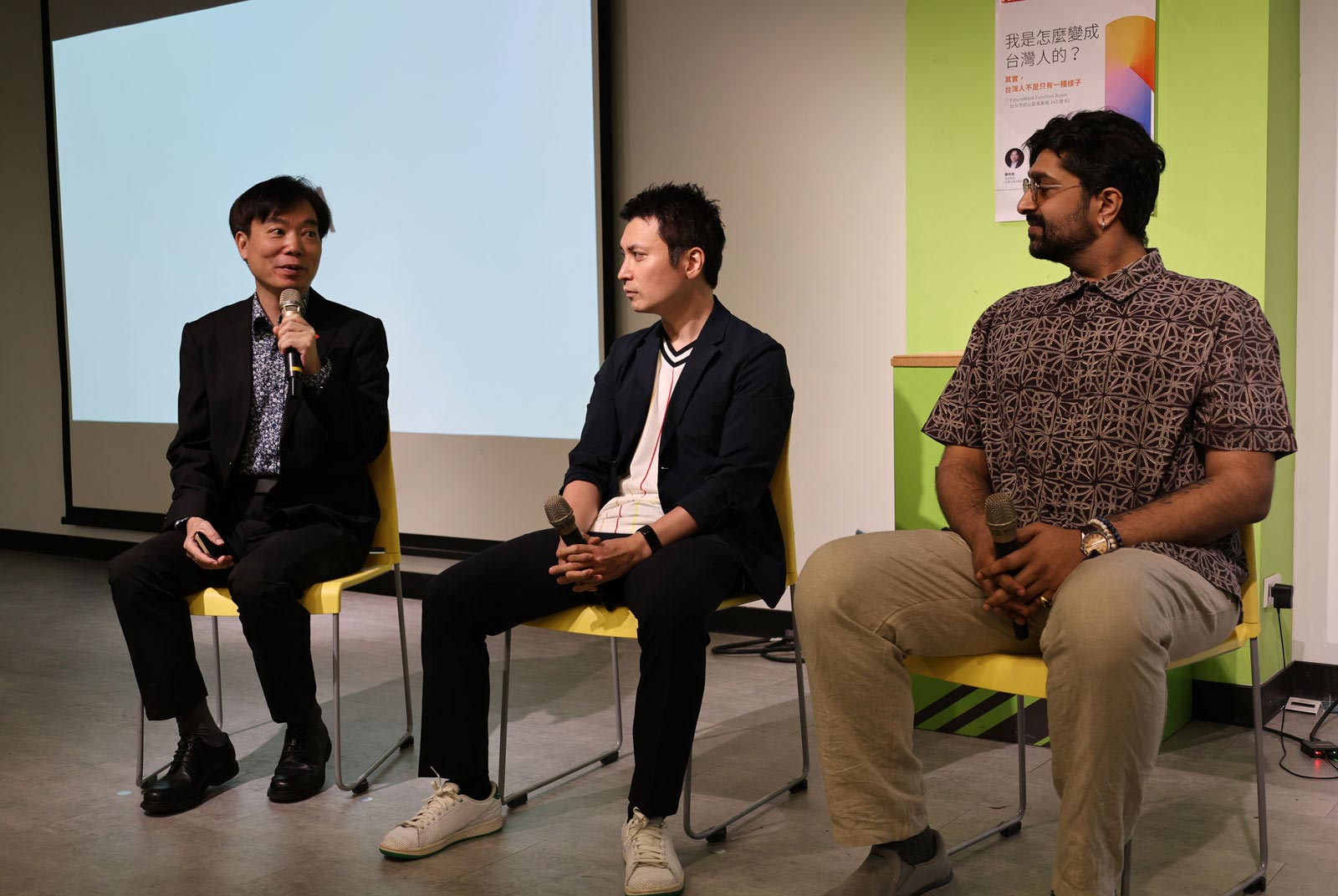
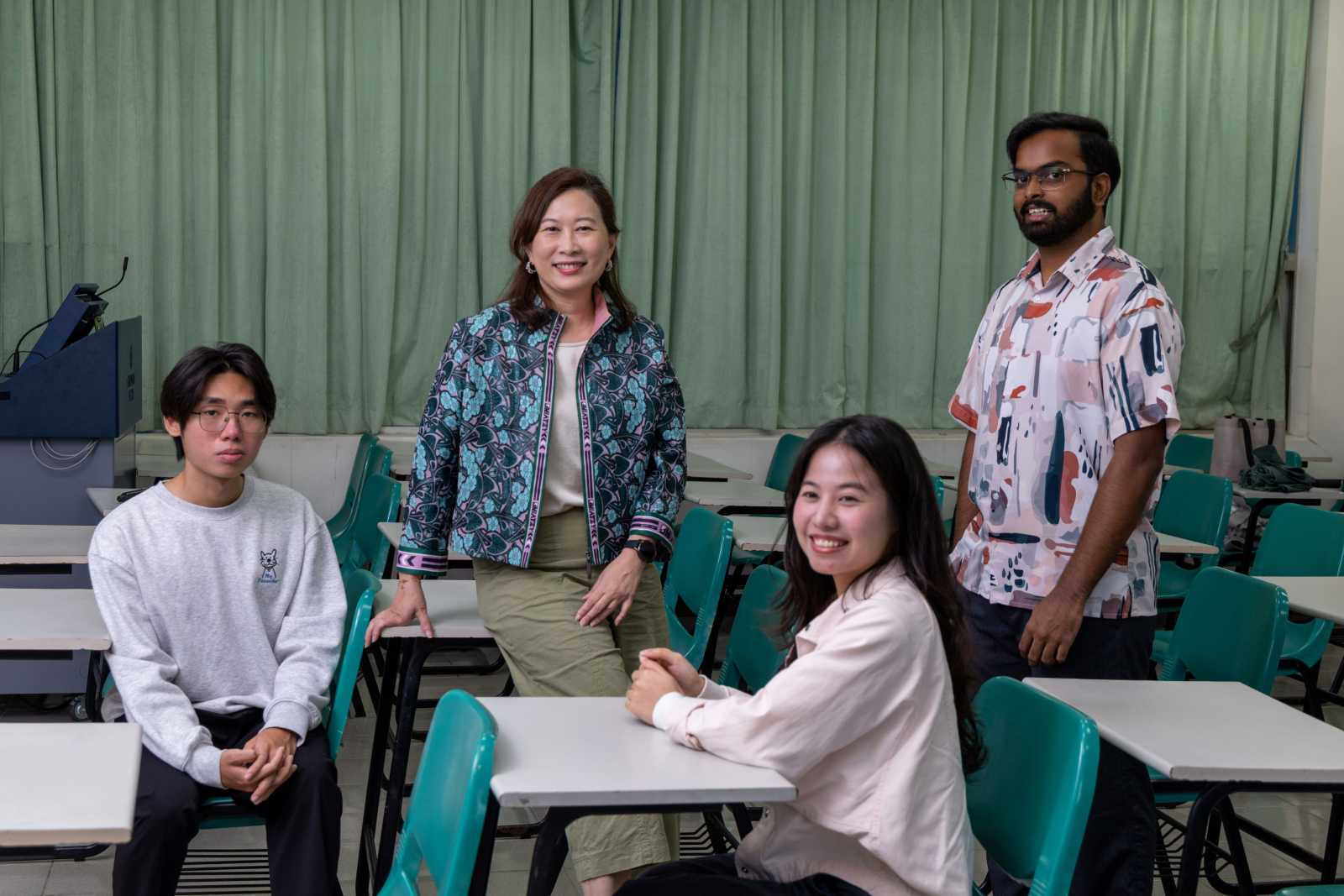 Pictured from left to right: Indonesian student Chang Kuang-liang, dean of international affairs at NTUST Yeh Ying-jung, Vietnamese student Nancy, and Indian student Abhishek Tarikallu Thippesh.
Established in 1974, the National Taiwan University of Science and Technology is Taiwan’s first institute of technology. As early as 20 years ago, anticipating demographic decline and talent shortages, the school actively pursued internationalization and positioned itself as a talent partner for companies expanding into Southeast Asia. Today, most of its international students are enrolled in master’s and doctoral programs, supplying the technology sector with the mid- to senior-level engineering talent it urgently needs.
This year, the school’s job fair attracted 220 companies, one-fifth of which offered positions specifically for international students.
During the pandemic, the number of international students in Taiwan fell sharply, but NTUST did not slow its efforts. After taking office as dean of international affairs, Professor Yeh Ying-jung (葉穎蓉), whose background is in human resources and psychology, worked both to strengthen international alumni networks and challenge employers’ stereotypes about foreign talent.
She compiled a list of corporations that have hired international alumni, from Acer and BenQ to Cathay Bank. Arranged alphabetically, the display became an “A to Z” wall of employers and a prominent recruitment tool.
Seeing the wall, a student from the Philippines exclaimed, “I had no idea we could work at these companies. I thought my only option would be teaching English!”
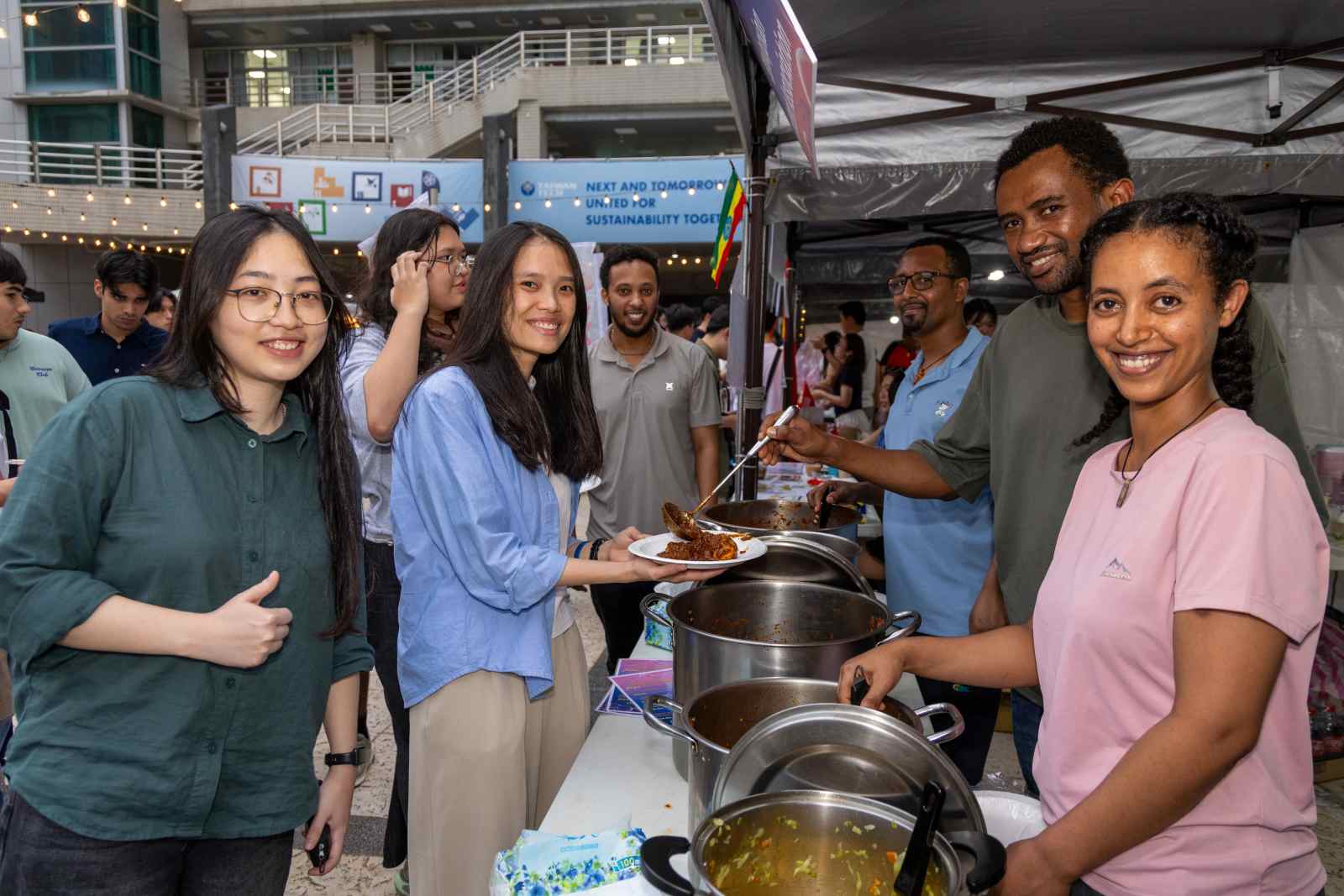 NTUST is committed to building an inclusive campus environment that addresses both tangible and intangible needs, offering facilities such as a halal restaurant and prayer rooms.
Today, more and more companies are actively reaching out to the university in hopes of hiring international talent.
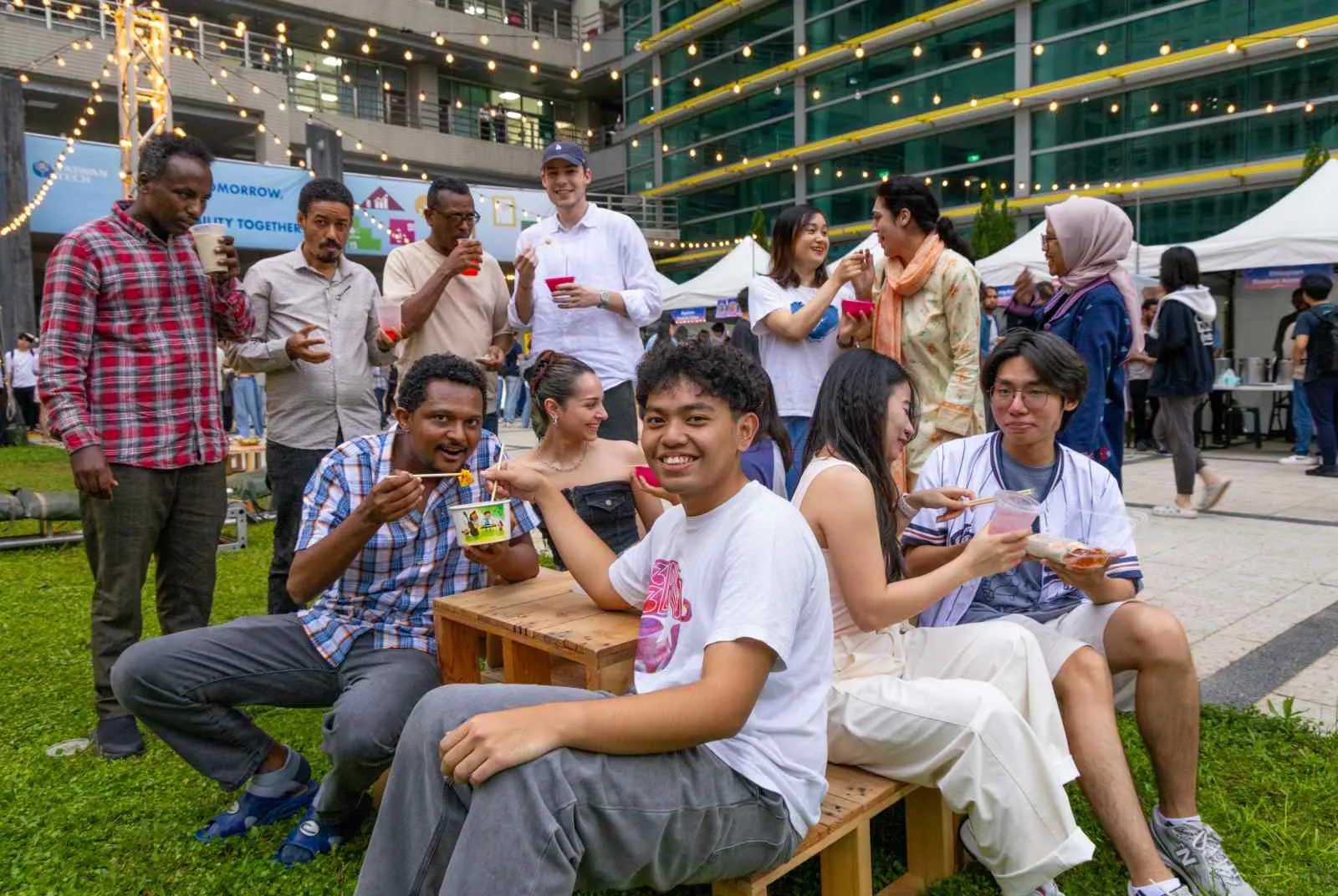
In addition to employment opportunities, NTUST has worked to create a welcoming campus environment. Its international student population has grown from just over 100 to more than 1,000 students from 54 countries. The university also provides halal dining facilities and prayer rooms on campus.
Yet what often persuades international students to stay is not infrastructure but personal connections and support.
Chang Kuang-liang (張光良), president of the Indonesian Students Association, said upperclassmen assist newcomers from the moment they arrive in Taiwan, helping with transportation, mobile phone service, bank accounts, and dormitory essentials.
“When I first arrived, the upperclassmen welcomed me warmly. I hope to pass that same experience on to younger students,” he said.
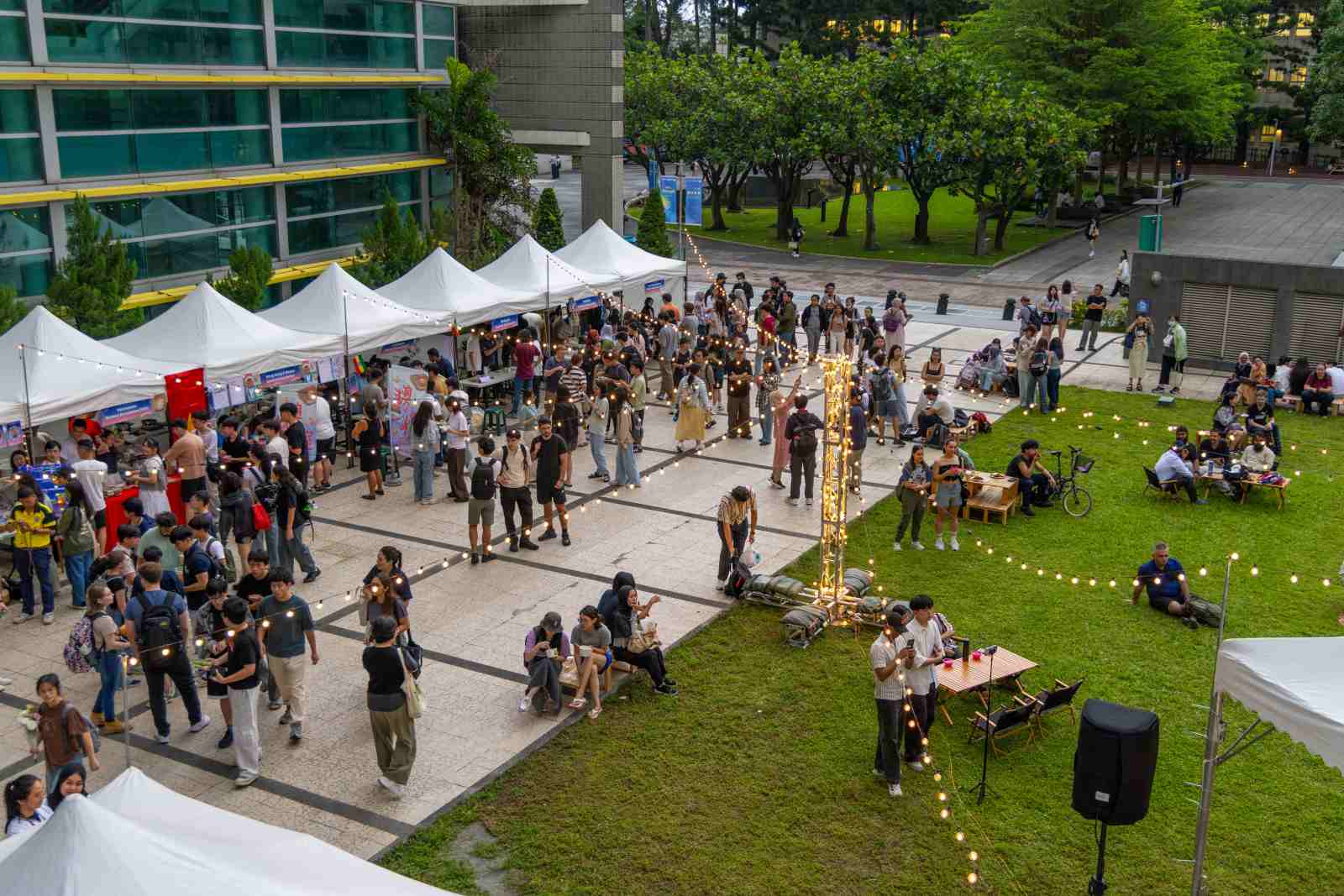 NTUST has nurtured a vibrant, self-sustaining international student community through a rich array of activities spanning career development, cultural exchange, and sporting events.
This culture of mutual support also continues through NTUST’s long-standing international student organization, the Association for International Affairs (AIA). Its founder, American professor Alicia D. Lloyd, taught at the university for 45 years and dedicated herself to supporting international students. Many affectionately regarded her as their “Taiwan mom.”
Originally from Jordan, Tariq, the first international student to serve as AIA president, now works for Texas Instruments. Remembering Lloyd, he said, “She was a kind grandmother figure.”
As the world comes to Taiwan, students are drawn not only by opportunities in the technology sector but also by the relationships and culture that make them want to stay.
Have you read?
- Why New International Schools Pick Kaohsiung as Home
- Why Taiwanese Students Are Heading to Phoenix City Hall—and Why It Matters
- Young Indian Engineer Builds Career in Taiwan’s Semiconductor Industry
Uploaded by Ian Huang
Views

Subscribe to CWE Newsletter (every Thursday)
Stay abreast of what's happening in Taiwan with our weekly digest.
Keywords: