The Maritime Squeeze: China’s Long Game Around Taiwan
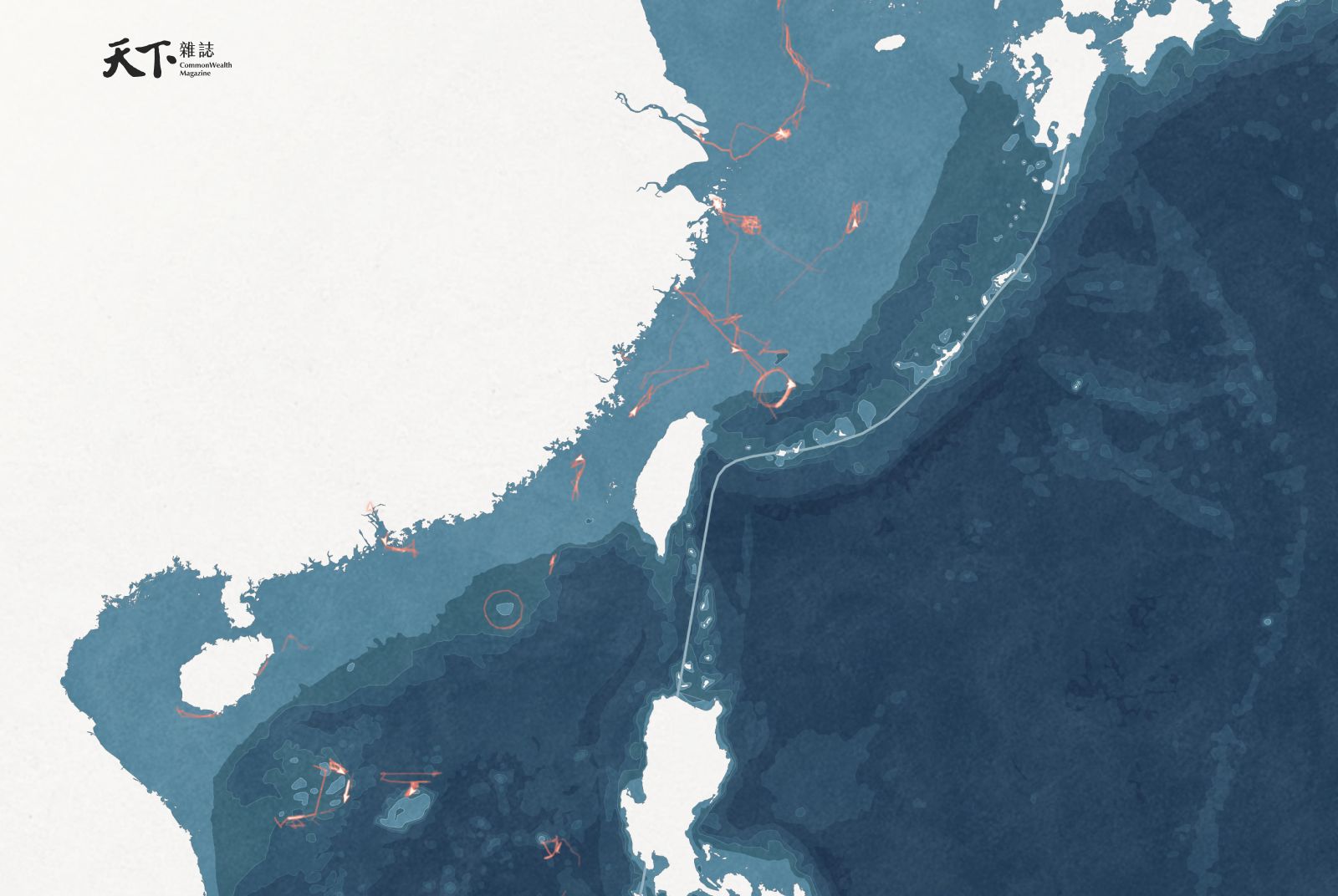
Source:CommonWealth Magazine
August 10, 2026 -- Today’s top stories: The Maritime Squeeze: China’s Long Game Around Taiwan, Iran Rules Out US Talks as Hormuz Tensions Persist, and China’s AI Video Lead Could Shape the Next AI Race.
Views
The Maritime Squeeze: China’s Long Game Around Taiwan
By CommonWealth Magazineweb only
Is China's Coast Guard and the Long Game of Isolating Taiwan Breaking the First-Island Chain?
An exclusive Commonwealth magazine analysis of 1.8 billion vessel signals shows how the China Coast Guard has expanded its footprint from disputed waters between Japan and South Korea to Itu Aba. Is the chain beginning to unravel?
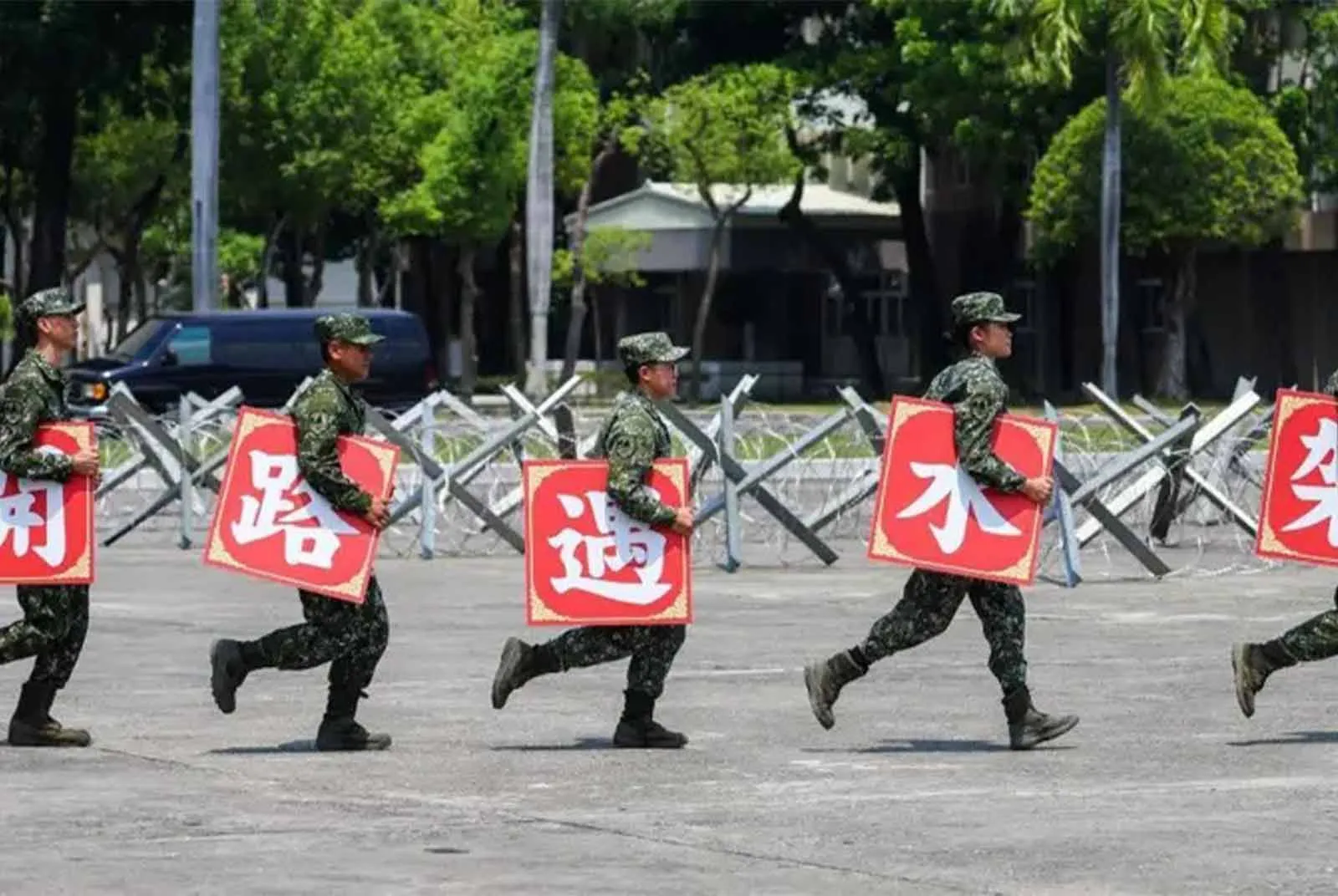
Chinese Coast Guard vessels are becoming an increasingly important tool in Beijing’s pressure campaign against Taiwan, conducting law enforcement operations around the island and even entering restricted or prohibited waters. The strategy allows China to assert its sovereignty claims without relying exclusively on military force.
The latest escalation followed Japan and the Philippines launching negotiations to delimit their exclusive economic zones (EEZs) in the Pacific, which Beijing claimed threatened its “rights and interests.” Rather than responding with People’s Liberation Army exercises, China dispatched government vessels to conduct law enforcement operations—a lower-intensity approach that carries less risk of triggering an accidental military confrontation.
Such operations are especially frequent in disputed waters claimed by Beijing, including around the Diaoyutai Islands, Scarborough Shoal, and Second Thomas Shoal. Lin Ying-yu, associate professor at Tamkang University, argues that deploying the Coast Guard and Maritime Safety Administration also reinforces Beijing’s political narrative: because these are domestic law enforcement agencies, their involvement frames Taiwan-related affairs as an internal matter rather than an international dispute.
More concerning for Taiwan is that Chinese government vessels have begun taking concrete enforcement actions, challenging a long-standing tacit understanding that the two sides would not infringe on each other’s administrative jurisdiction. An analysis by CommonWealth Magazine of 1.8 billion vessel-tracking records traces the movements of 140 Chinese Coast Guard ships, revealing where Beijing is concentrating its operations—and how maritime law enforcement is becoming a key instrument for advancing its territorial ambitions.
Reference Sources
- CommonWealth Magazine - Broken Chain: China's Coast Guard and the Long Game of Isolating Taiwan
Talks with US won't happen while interim deal is breached, Iranian minister

Iran and the United States are not engaged in talks, and Tehran will not start them as long as Washington breaches an interim deal signed in June, Foreign Minister Abbas Araqchi said on Sunday.
Araqchi repeated Iran's position that an agreement on the Strait of Hormuz between Tehran and Muscat was in the "final stages" but would not reopen the strategic waterway. Emergency response personnel from Saudi Aramco, the kingdom's state energy corporation, successfully put out a fire that broke out in the early hours of Sunday at an oil processing facility in Jazan, a Southwestern province bordering Yemen. Official reports confirmed that no casualties or injuries resulted from the incident.
The Jazan processing plant, capable of handling approximately 400,000 barrels of crude daily, had already been taken offline toward the end of last month after sustaining structural damage in a prior strike linked to Iran-Aligned Houthi insurgents.
Meanwhile, the UAE accused Iran on Saturday of targeting a tanker belonging to its state-owned oil company in the Strait of Hormuz, even as both Iran and Oman suggested talks on administering the vital waterway were progressing.
Iran has imposed an effective blockade of the Strait and wants to charge users for passage, repeatedly attacking ships it accuses of attempting to circumvent its preferred route.
Reference Sources
- thestarmy - Talks with US won't happen while interim deal is breached, Iranian minister says
- israelnationalnews - Fire extinguished at Saudi Aramco refinery amid escalating regional clash
- spagov - MWL Welcomes UN Security Council Statement Condemning Houthi Attacks Against Saudi Arabia
- malaymail - UAE condemns Iran tanker attack as Hormuz reopening remains uncertain
- apnews - Yemen’s Houthis claim attack on Aramco oil facility in Saudi Arabia, and other Middle East news
Chinese AI Video Is Coming for More than Hollywood

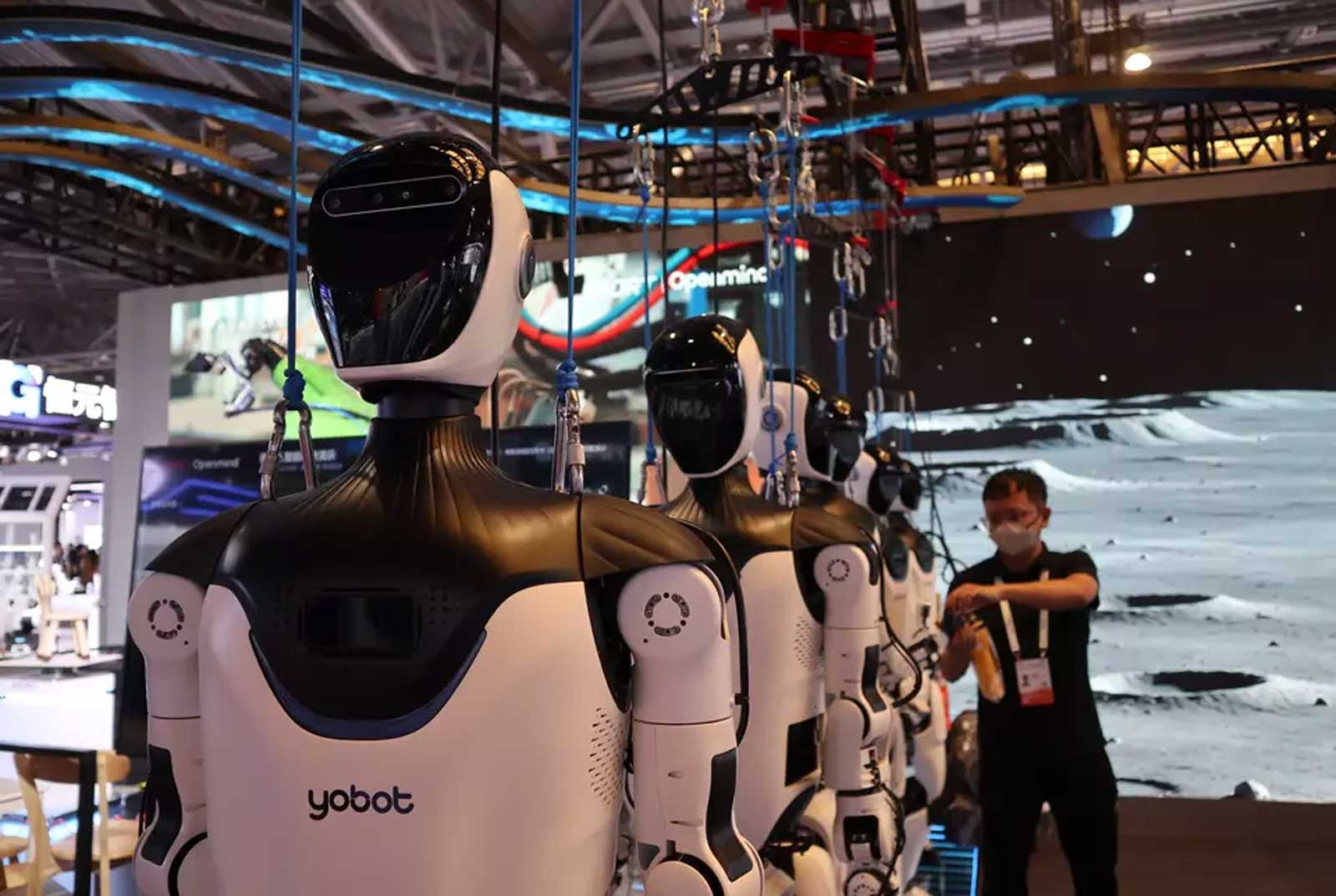
China’s growing dominance in generative video could give it an unexpected advantage in the race to build “world models,” widely seen as a potential next generation of AI. Unlike language models, world models must develop an understanding of motion, causality, physics and how objects interact in uncertain environments. Such systems could eventually become the intelligence behind humanoid robots, autonomous vehicles and other forms of physical AI.
Generative video could provide an important foundation. To create convincing videos, AI must learn more than visual aesthetics: it needs a rough understanding of how objects move and what is likely to happen next. Researchers have found that rudimentary physical reasoning can emerge as video models scale, even without explicit programming. Researchers are increasingly pairing video models with instructions and other inputs to train robots, potentially offering an alternative path toward artificial general intelligence rather than simply building ever-larger chatbots.
That makes China’s strength in AI video strategically significant. Leading Chinese developers, including ShengShu Technology, are already moving from video generation toward world models and broader multimodal systems. If video technology becomes a stepping stone to physical AI, China’s current advantage could extend into robotics and autonomous systems, turning what appears to be a competition over AI-generated content into a much larger technological race.
The development also presents Washington with a challenge. Selina Xu argued in a Wall Street Journal op-ed that while the U.S. may restrict Chinese AI models domestically, it cannot prevent the rest of the world from adopting them. An outright U.S. ban would also face legal and policy questions. Unlike advanced chips and semiconductor equipment, AI models can spread globally with relative ease, potentially making software much harder to contain through the export-control strategies Washington has used in the semiconductor race.
Reference Sources
- bloomberg - Chinese AI Video Is Coming for More than Hollywood
- wsj - Banning Chinese AI Models Is Complicated
The CommonWealth English daily news digest is a service curated by CommonWealth English team with the help of AI tools.
Have you read?
- Self-Driving Taxis Cleared for London Streets Later This Summer
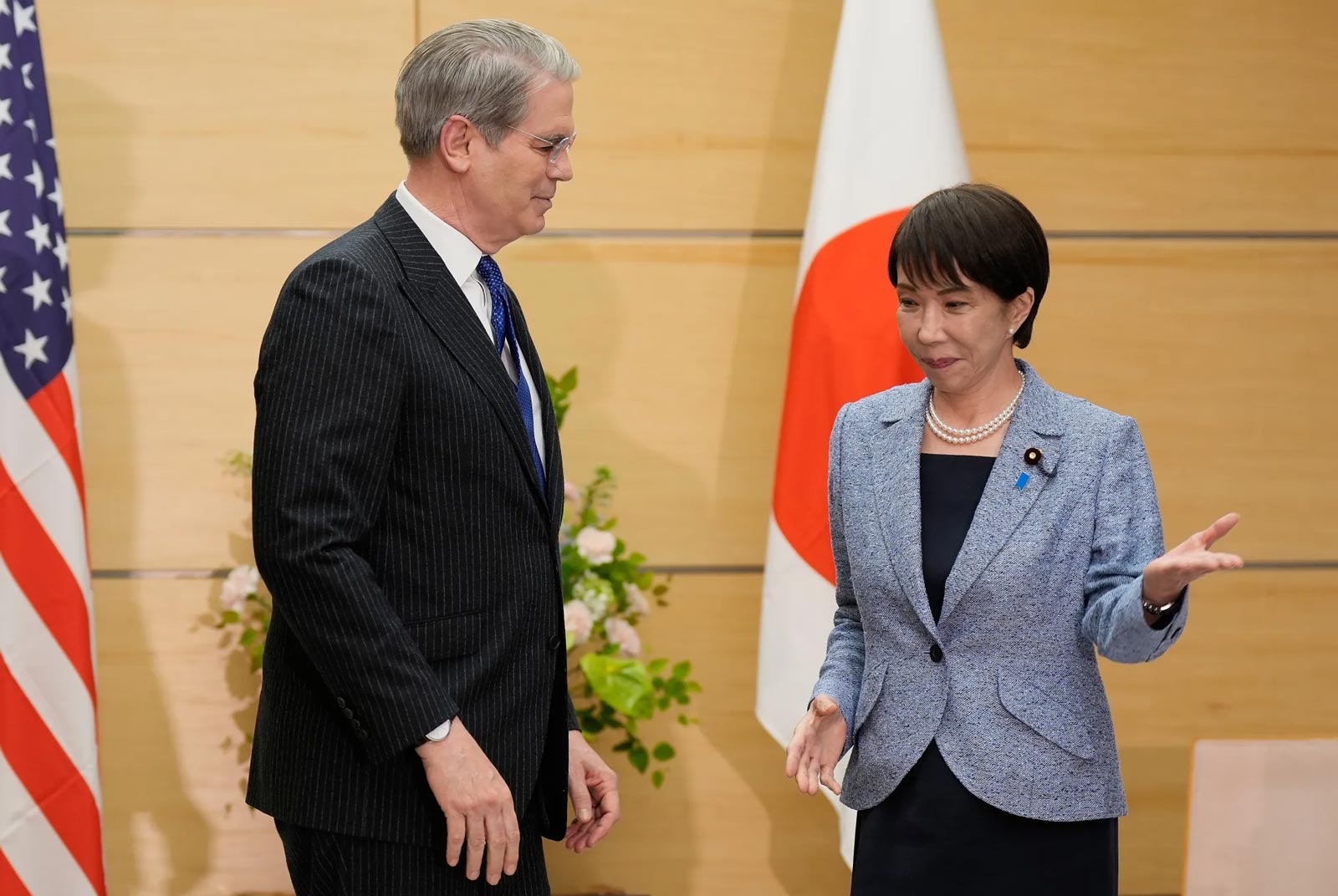
- US and Japan Coordinate Yen Defence Against Speculators
- Alibaba Unveils 2.4T-Parameter AI Model, Boosting Shares
Uploaded by Ian Huang
Views

Subscribe to CWE Newsletter (every Thursday)
Stay abreast of what's happening in Taiwan with our weekly digest.
Keywords: