Why China’s “Gray Zone” Campaign Has Extended to Eastern Taiwan
Source:Kui-Fang Lu
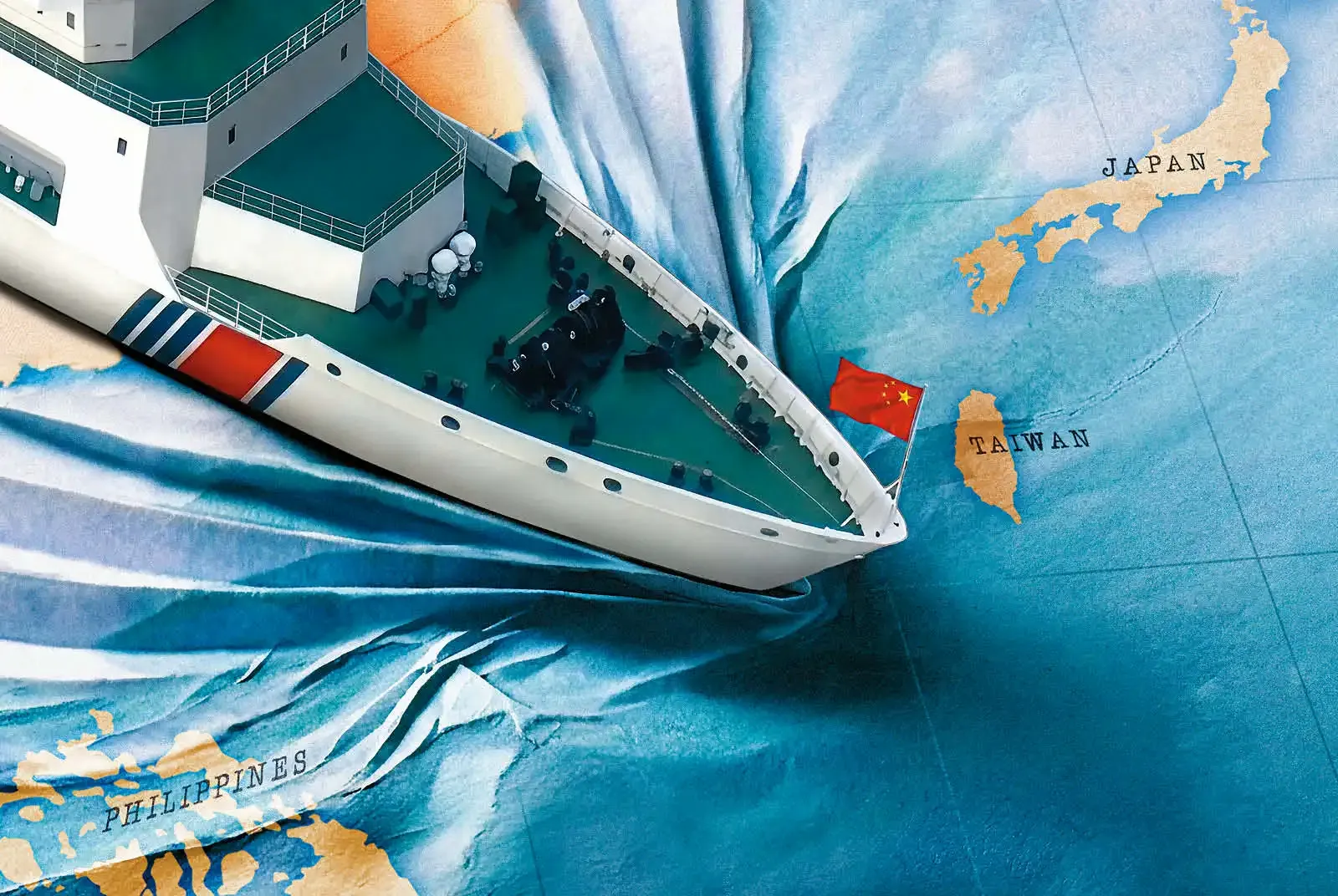
China’s gray zone campaign against Taiwan has entered a new phase, with China Coast Guard vessels extending routine patrols into Taiwan’s eastern waters for the first time. As Beijing steadily expands its maritime presence without resorting to open conflict, is it laying the groundwork for a future blockade of Taiwan?
Views
Why China’s “Gray Zone” Campaign Has Extended to Eastern Taiwan
By Ashley Lee, Shuren Koo, Kwangyin Liu, Hazel Hsuweb only
On Jun. 6th, four Chinese government vessels departed Xiamen and sailed south to rendezvous with four China Coast Guard ships. The fleet moved east to conduct patrols along Taiwan’s eastern coast—the first time Beijing has overreached its naval jurisdiction to eastern Taiwan, and the clearest indication to date that its “gray zone tactics” have officially crossed the line into Taiwan’s territorial waters.
Days before, Japan and the Philippines had announced their joint initiative to delimit the maritime boundary of their exclusive economic zones. Beijing used this as an excuse to “reinforce its sovereignty”. During the foray, the government vessels hailed international cargo ships, including those belonging to Taiwan’s Evergreen, demanding to know the vessels’ names, headings, and destinations.
On Jun. 10th, China’s official Xinhua News Agency proclaimed the end of the “special maritime law enforcement operations” targeting commerce and traffic in the waters east of Taiwan, with a total of 198 vessels inspected.
On Jul. 4th, China Coast Guard declared that such “law enforcement operations” will become routine.
Ying-Yu Lin (林穎佑), associate professor at Tamkang University, points out that while coast guard patrols were less provocative than PLA military drills, the message they conveyed was clear: “Anything involving Taiwan is China’s internal affair.”
This also violated the unspoken agreement across the Taiwan Strait since 1949: for the first time, Chinese law enforcement has conducted operations in Taiwan’s eastern waters, an area that has never been under its jurisdiction.
CommonWealth worked exclusively with the American think tank CSIS Futures Lab to create an analysis model, built by researcher Jose Macias, that can track China Coast Guard activity around Taiwan from 2020 to 2026.
Results show China Coast Guard operations have drifted from Taiwan’s southwestern waters and the median line of the Taiwan Strait to waters surrounding the island. Since February of last year, Chinese government vessels have used the pretext of escorting trespassing fishing boats to begin conducting routine patrols around the restricted waters of Dongsha every week or every other week. China’s excursions into Taiwan’s eastern waters have increased from a couple days a month in 2024 to as many as nine days this June. For the first time, Chinese government ships have harassed Taiping Island in the South China Sea.
Similar scenarios are playing out around the Diaoyu Islands, Kinmen, Scarborough Shoal, and Second Thomas Shoal. Yun-hu Yeh (葉雲虎), professor at Central Police University, draws the conclusion that China maintains the same modus operandi in different waters, as though those were the testing grounds for future maneuvers against Taiwan.
Ray Powell, Director of the SeaLight maritime transparency program and retired US Air Force colonel, warns that China has begun to isolate Taiwan. “Today, it’s patrols and declarations. Tomorrow, it may be stops, boardings, even demands for ships to reverse course.”
Lee Chun-yee (李俊毅) at the Institute for National Defense and Security Research says, “The moment when people accept China Coast Guard ships appearing as the norm is when the gray zone tactics are the most dangerous.”
In the South China Sea, an incident in July saw China and the Philippines accuse each other of instigating conflict near Second Thomas Shoal. Chinese diplomat chief Wang Yi and his Filipino counterpart Lazaro exchanged complaints during an ASEAN event in late July. U.S. Secretary of State Marco Rubio stated that under no circumstances should international waters be controlled by any country. In a first, Britain, France, and Germany issued a joint statement on Taiwan affairs reaffirming their opposition to unilateral attempts to change the status quo and expressing their concern over navigational freedoms and regional stability.
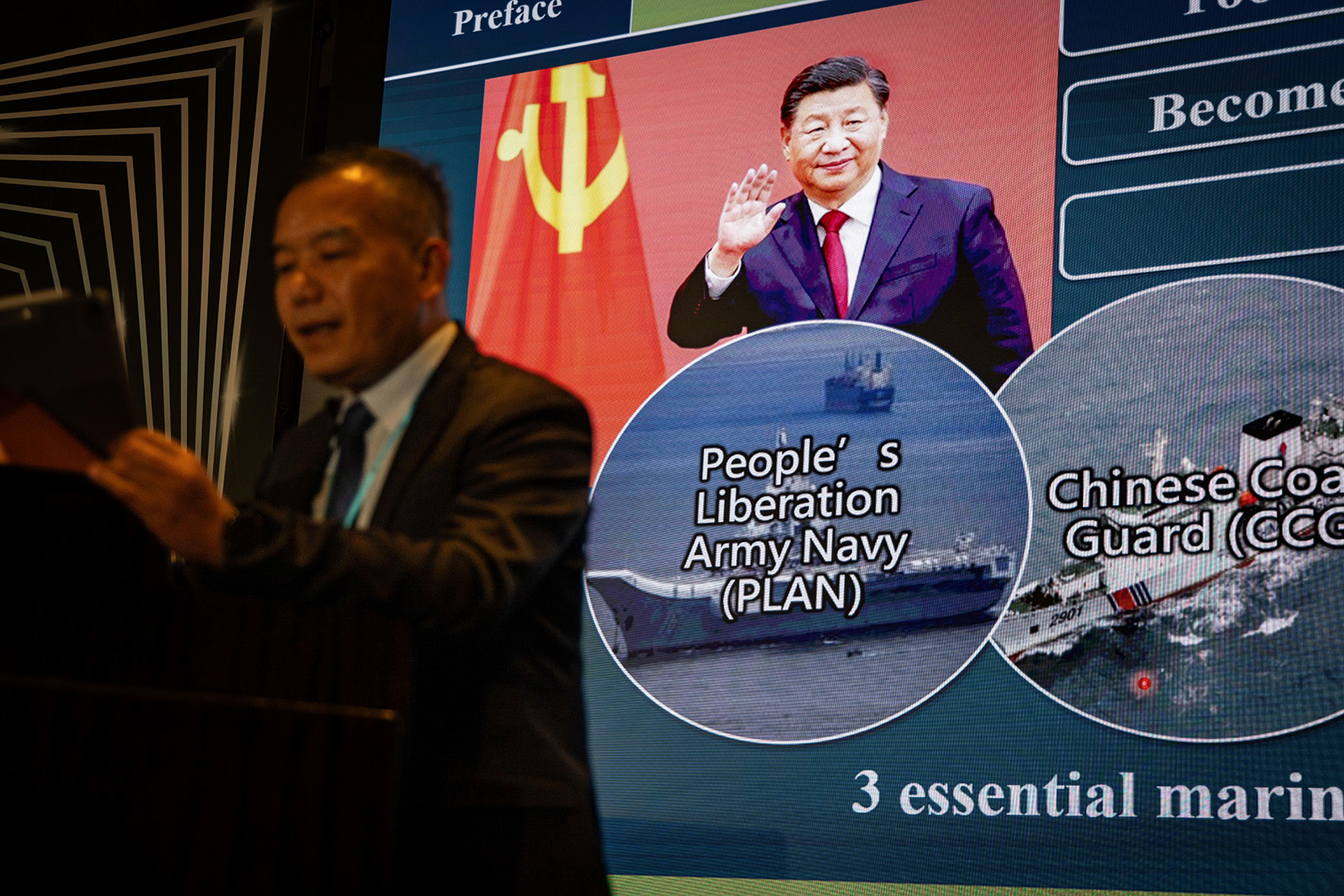 Taiwan Strait security has become a global concern. Taiwan's Ocean Affairs Council hosted an international forum, bringing together experts from around the world to discuss security in the Taiwan Strait. (Photo: Chien-Tong Wang)
Tamkang University professor Chang Wu-Ueh (張五岳) opines that as tensions escalate between China and the U.S., and as attempts at reaching a consensus stall across the Taiwan Strait, Beijing may be inclined to leverage its military might to unilaterally pursue reunification. It is also preparing to use blockades to “force a peace deal” with Taiwan in the future.
He warns that if China Coast Guard fleets successfully isolate Taiwan, “it will be Taiwan’s biggest crisis since 1949.”
Have you read?
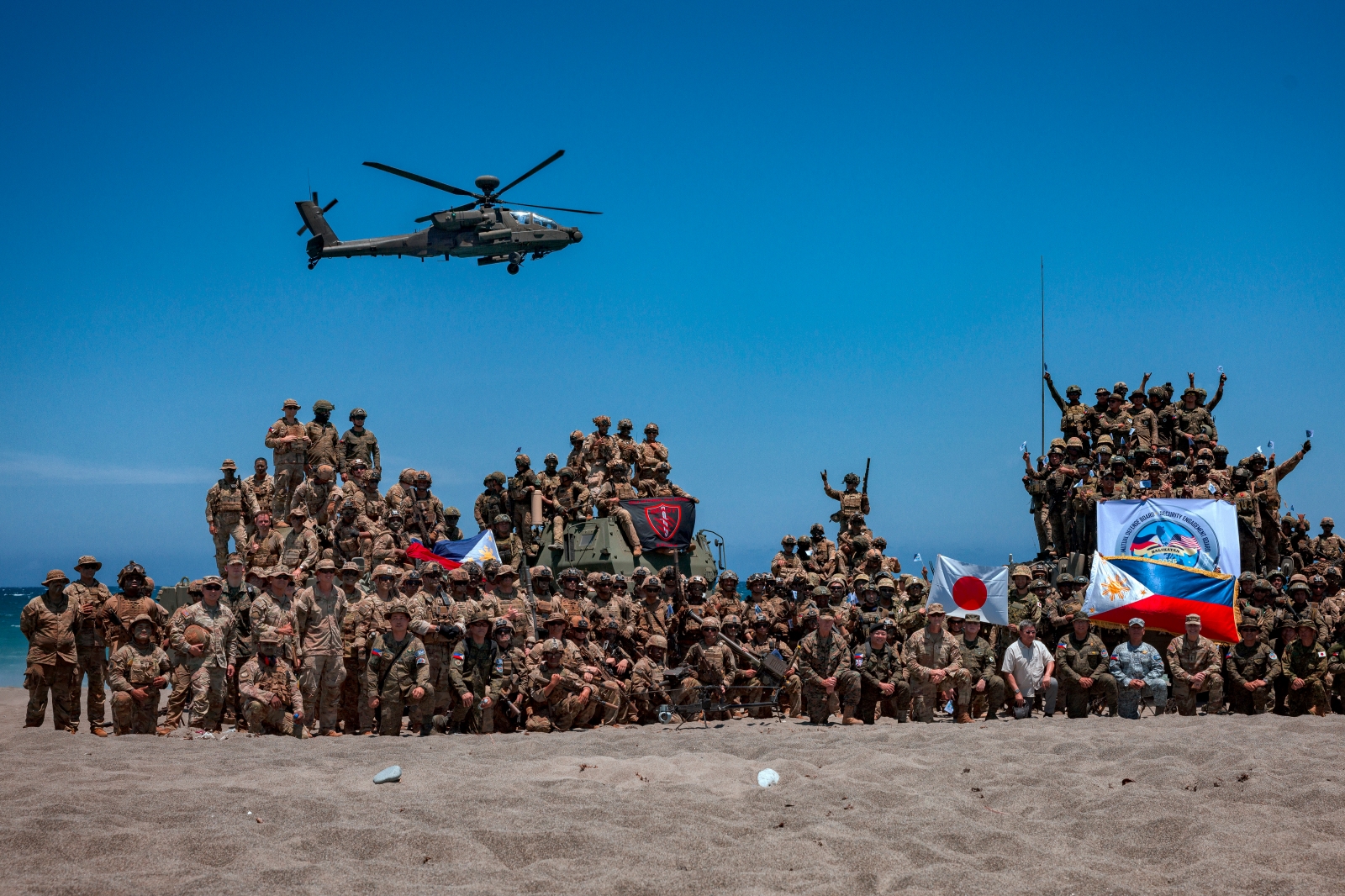
- How Taiwan’s First Island Chain Allies Quietly Build a Coalition Against China’s Gray-Zone Playbook
- [Exclusive] NSC Secretary-General Joseph Wu: “What We Fear Most Is a Public Grown Numb to China's Pressure”
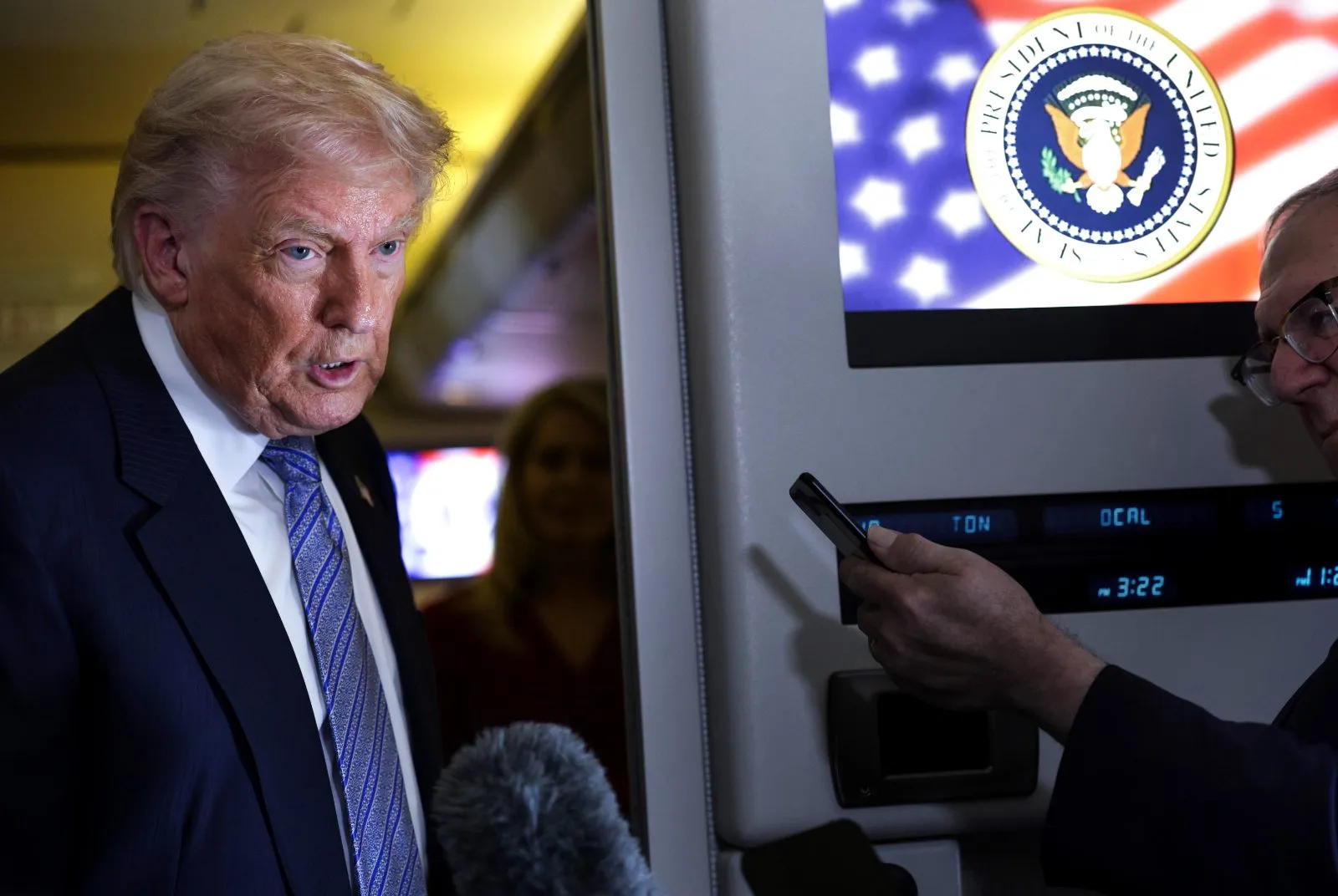
- Taiwan Faces Uncertainty after Trump-Xi Summit
Translated by Jack Chou
Uploaded by Ian Huang
Views

Subscribe to CWE Newsletter (every Thursday)
Stay abreast of what's happening in Taiwan with our weekly digest.
Keywords: