Former Malaysian Deputy Minister: ASEAN Doesn’t Want to Depend on China Alone

Source:Kai-Cheng Chuang
As Chinese investment expands and semiconductors become a frontline in the U.S.-China competition, can Southeast Asia avoid choosing sides? Former Malaysian Deputy Minister of International Trade and Industry argues that no country wants to be dominated by another. While balancing is getting harder, it remains the most viable strategy.
Views
Former Malaysian Deputy Minister: ASEAN Doesn’t Want to Depend on China Alone
By Silva Shihweb only
Eight years ago, Malaysia experienced its first change of government. Ong Kian Ming (王建民), an academic-turned-politician, entered office as deputy minister under Mahathir Mohamad’s Pakatan Harapan coalition.
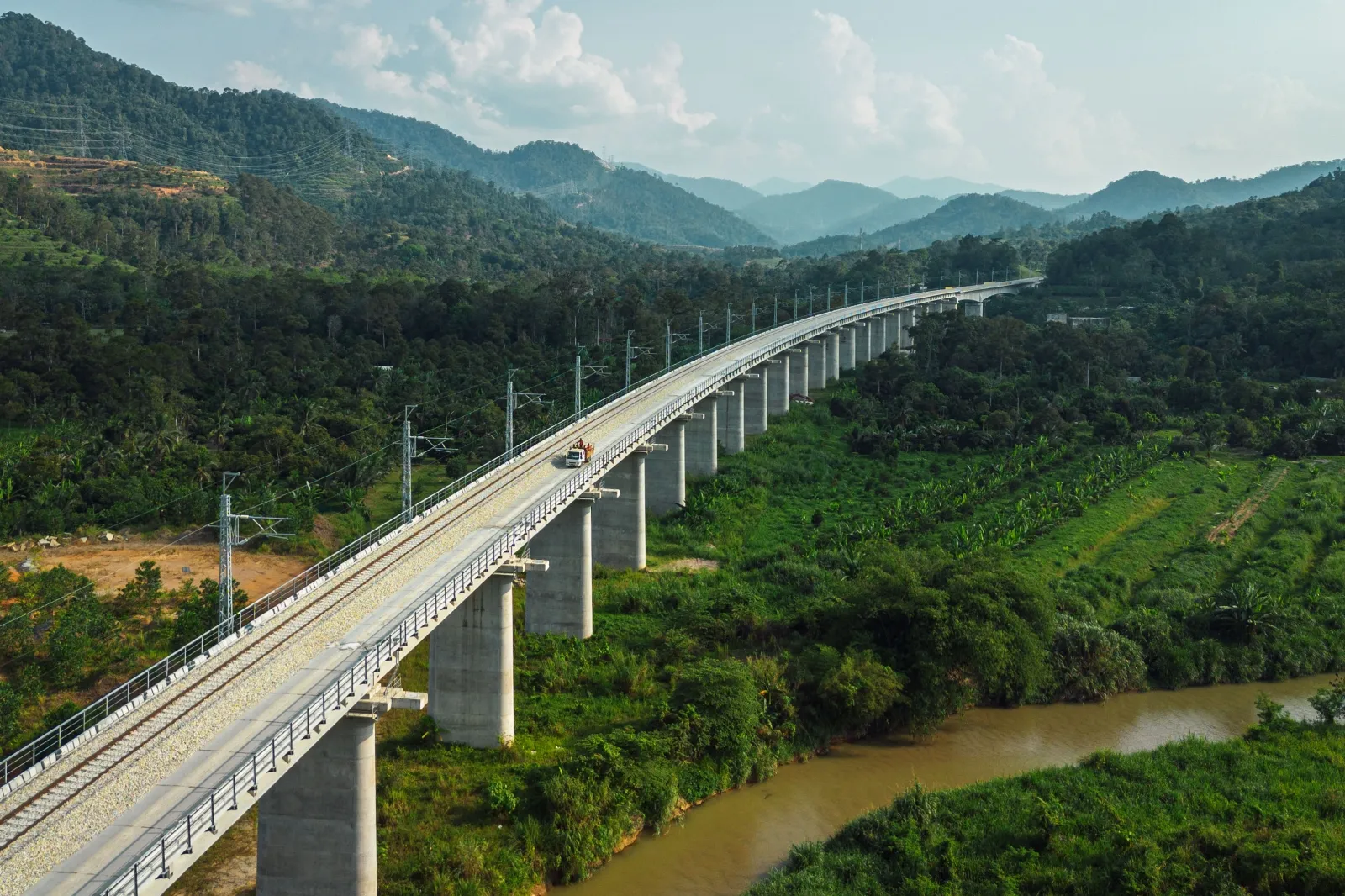
At the time, the U.S.-China trade war had just begun, and Chinese investment in Malaysia was accelerating. Ong made a point of visiting major Chinese-backed projects early in his tenure, gaining firsthand experience in dealing with Chinese firms.
Though no longer in government, he remains an active public voice, hosting a policy-focused podcast and fielding informal consultations from former colleagues. In an interview with CommonWealth, he shared his views on Malaysia’s strategic autonomy amid intensifying great-power rivalry.
From Low-End Manufacturing to Strategic Sectors
“Even before Donald Trump took office, Chinese companies had already begun expanding into Southeast Asia,” Ong said. Early investments, around 2013, were concentrated in lower value-added manufacturing such as steel, glass, and textiles.
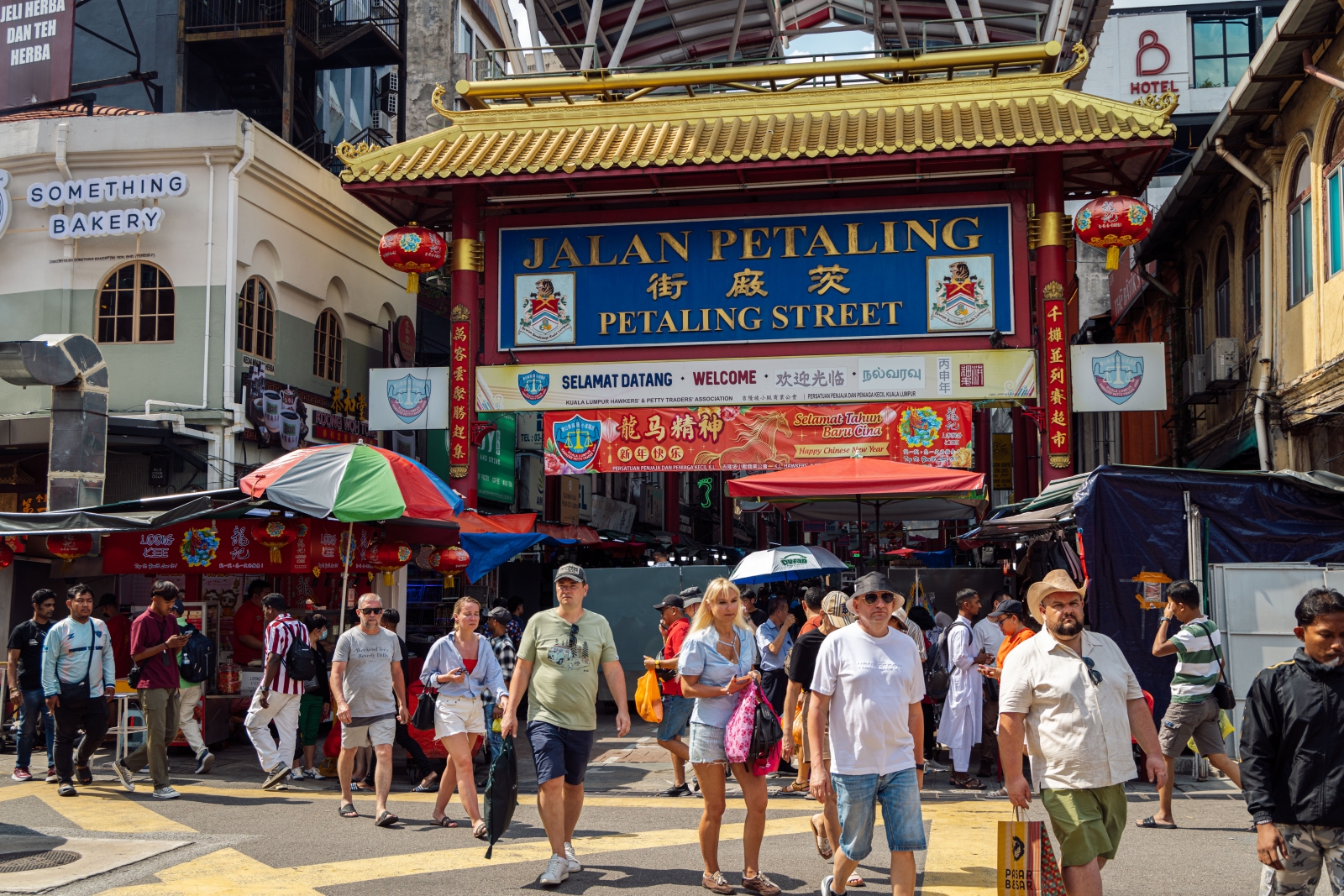 China is expanding its influence in Southeast Asia through trade and investment, but the region has long maintained a stance of not choosing sides and preserving strategic flexibility. The photo shows Petaling Street in Kuala Lumpur, a predominantly Chinese area. (Photo: Kai-cheng Chuang)
These projects brought economic benefits but also uneven impacts. He cited the case of Alliance Steel in Kuantan, whose scale and capacity undercut local producers, contributing to the decline of Malaysia’s domestic steel industry.
Over time, however, Chinese investment has moved up the value chain.
Around 2018, Huawei established a regional R&D center in Kuala Lumpur, employing more than 3,000 people. Since the pandemic, interest in semiconductor-related investments has also grown, often through low-profile expansions and acquisitions—not only from Chinese firms, but American ones as well.
Semiconductors: A Red Line with Washington
With semiconductors now central to U.S.-China rivalry, Malaysia faces mounting pressure to clarify its position.
“We need to maintain a good relationship with the United States,” Ong said. “In particular, we must assure Washington that advanced chips used in data centers will remain in Malaysia, and not be re-exported to China.”
This issue has become a key concern in bilateral discussions, and Malaysia is working to ensure compliance.
Balancing Without Surrendering Autonomy
Ong stressed that maintaining strategic balance requires clear boundaries. While recent tariff negotiations with the United States may appear to tilt toward Washington, he noted that agreements typically include clauses requiring mutual consent.
“For example, if the U.S. says: ‘You can use advanced chips, but you cannot host China-owned data centers in Malaysia,’ we would not accept that,” he said.
At the same time, China’s expectations are relatively straightforward: Malaysia is free to maintain ties with all countries, as long as its policies do not discriminate against Chinese firms.
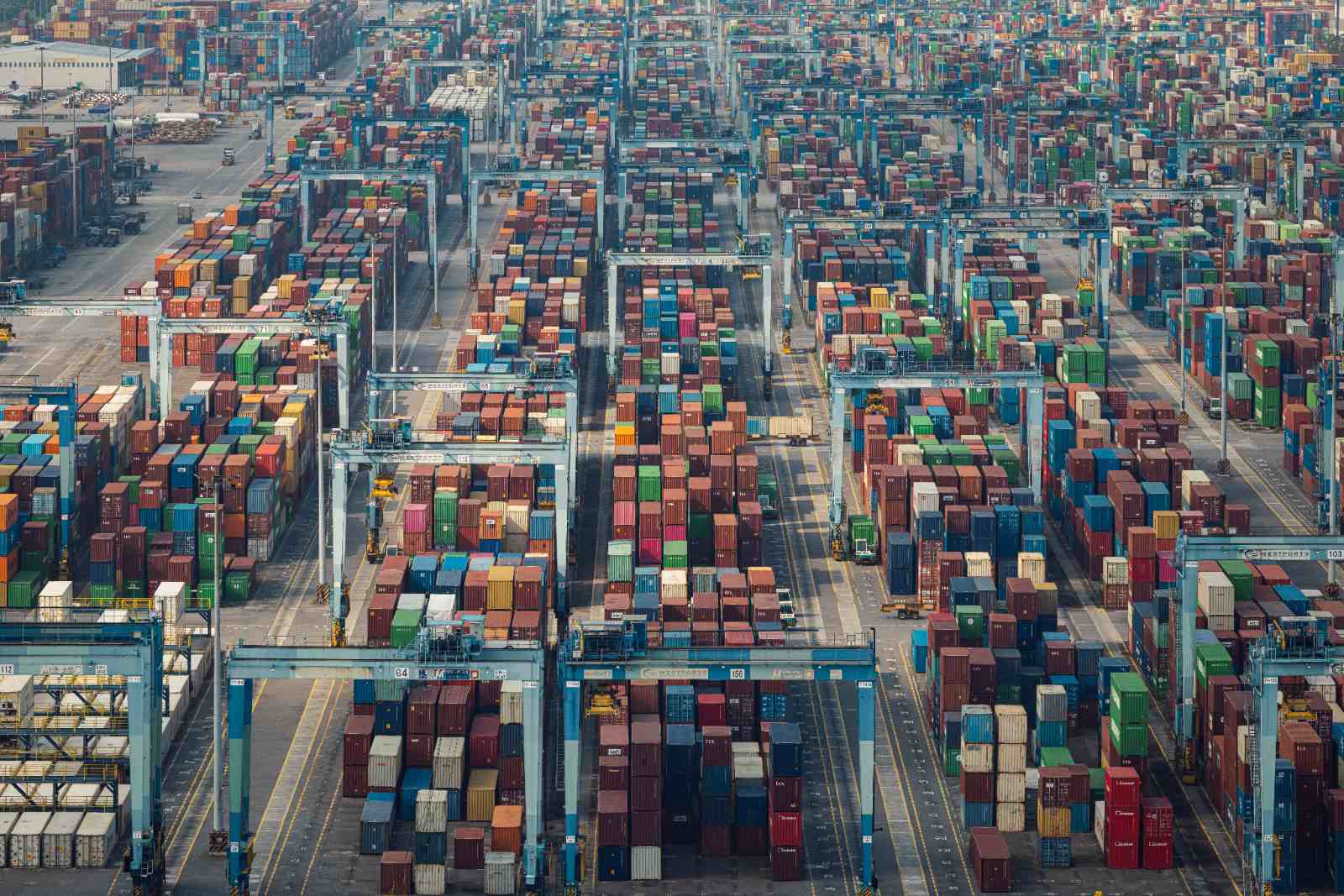 Port Klang, facing the Strait of Malacca, is Malaysia’s largest port. (Photo: Kai-cheng Chuang)
Rising Influence, But Not Dominance
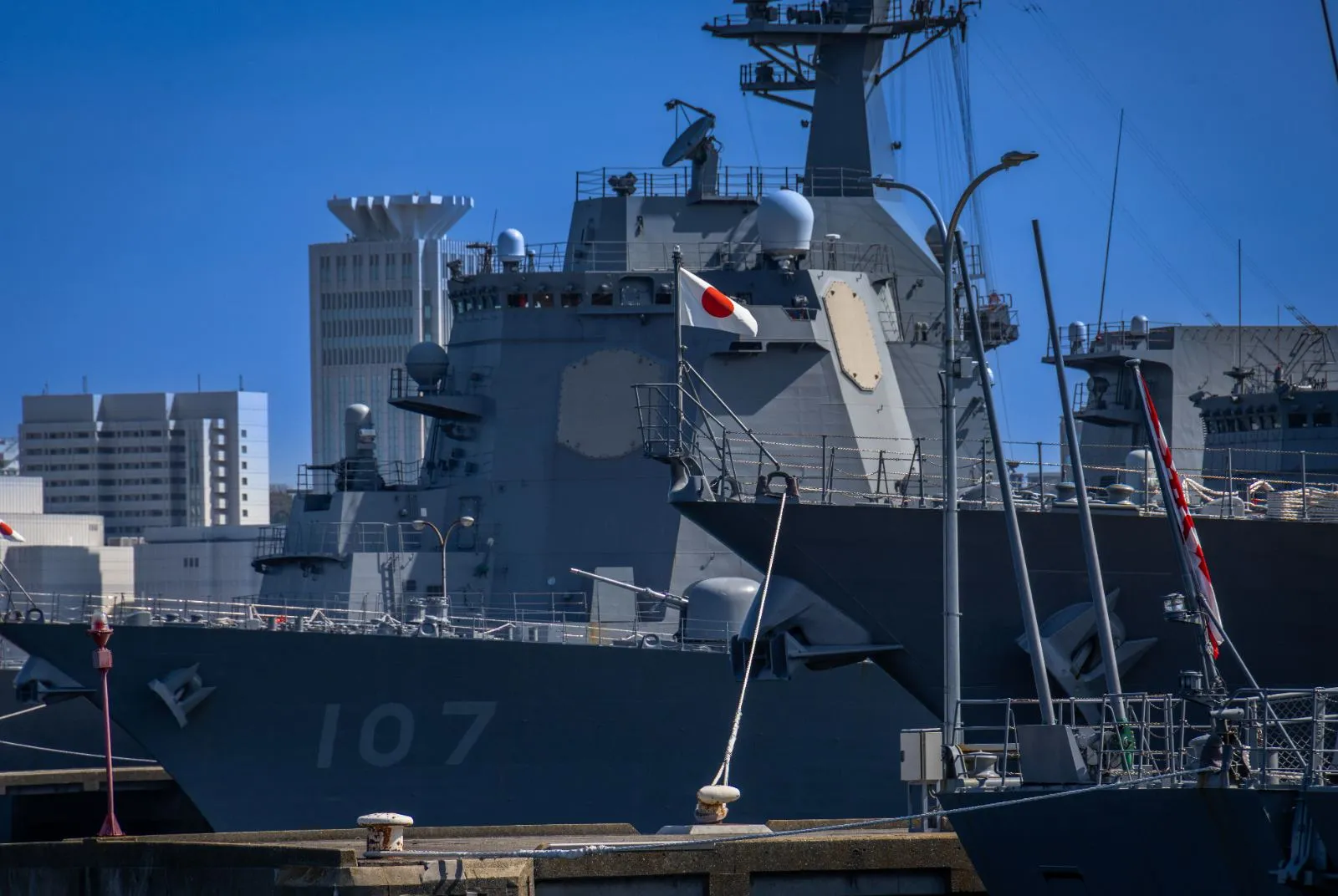
Recent surveys by Singapore-based think tanks suggest ASEAN countries are leaning closer to China. Ong said this is unsurprising given the scale of Chinese investment. However, he pointed out that the same studies consistently show Japan remains the most trusted partner in the region.
He also noted that perceptions of the United States have been affected by its foreign policy, including its actions in Gaza and trade measures, which have generated dissatisfaction in parts of Southeast Asia.
Still, Ong rejected the idea that China could “dominate” the region.
“I wouldn’t use that word,” he said. “China’s economic influence in Southeast Asia will continue to grow, but no country wants its domestic or foreign policy dictated by another.”
He pointed to Cambodia, often seen as one of China’s closest partners, as an example. Even Phnom Penh sought to deepen cooperation with Japan during its 2022 ASEAN chairmanship, signaling a desire to diversify its external ties.
Hedging Remains the Default Strategy
For Southeast Asian countries, preserving strategic flexibility is paramount. “Even as China’s influence grows, countries will instinctively build safeguards to keep their options open,” Ong said. This includes maintaining U.S. engagement in both security and economic domains.
That approach—commonly described as “hedging”—is becoming more difficult as geopolitical tensions intensify. But Ong believes it remains the most rational path.
“It’s getting harder, but not choosing sides is still the best strategy,” he said.
For readers in Taiwan, he added, it is important to look beyond surface-level alignments. “When a country appears to be leaning toward China, there are often specific reasons. But at the same time, no country wants to become overly dependent on China,” he said.
Have you read?
- Why Foreign Investors Like Warren Buffett Are Flocking to Japanese Stocks
- The Taiwan-Inspired AI Revolution: How a Sci-fi Writer Led Team Mirai into Japan’s Parliament
- Khamenei Dead: Is China the Loser? Why Didn’t Beijing Immediately Rally Behind Iran?
Uploaded by Ian Huang
Views

Subscribe to CWE Newsletter (every Thursday)
Stay abreast of what's happening in Taiwan with our weekly digest.
Keywords: