RSF: Against Disinformation, Taiwan Must Urgently Restore Public Trust in the Media
Source:shutterstock
Reporters Without Borders (RSF), which has operated its regional office from Taiwan since 2017, and whose Director General will visit the island from October 14 to 18, 2024, calls for reform of the media environment in order to restore public trust in the media, “the only lasting barrier against disinformation”.
Views
RSF: Against Disinformation, Taiwan Must Urgently Restore Public Trust in the Media
By Thibaut Bruttin, Cédric Alvianiweb only
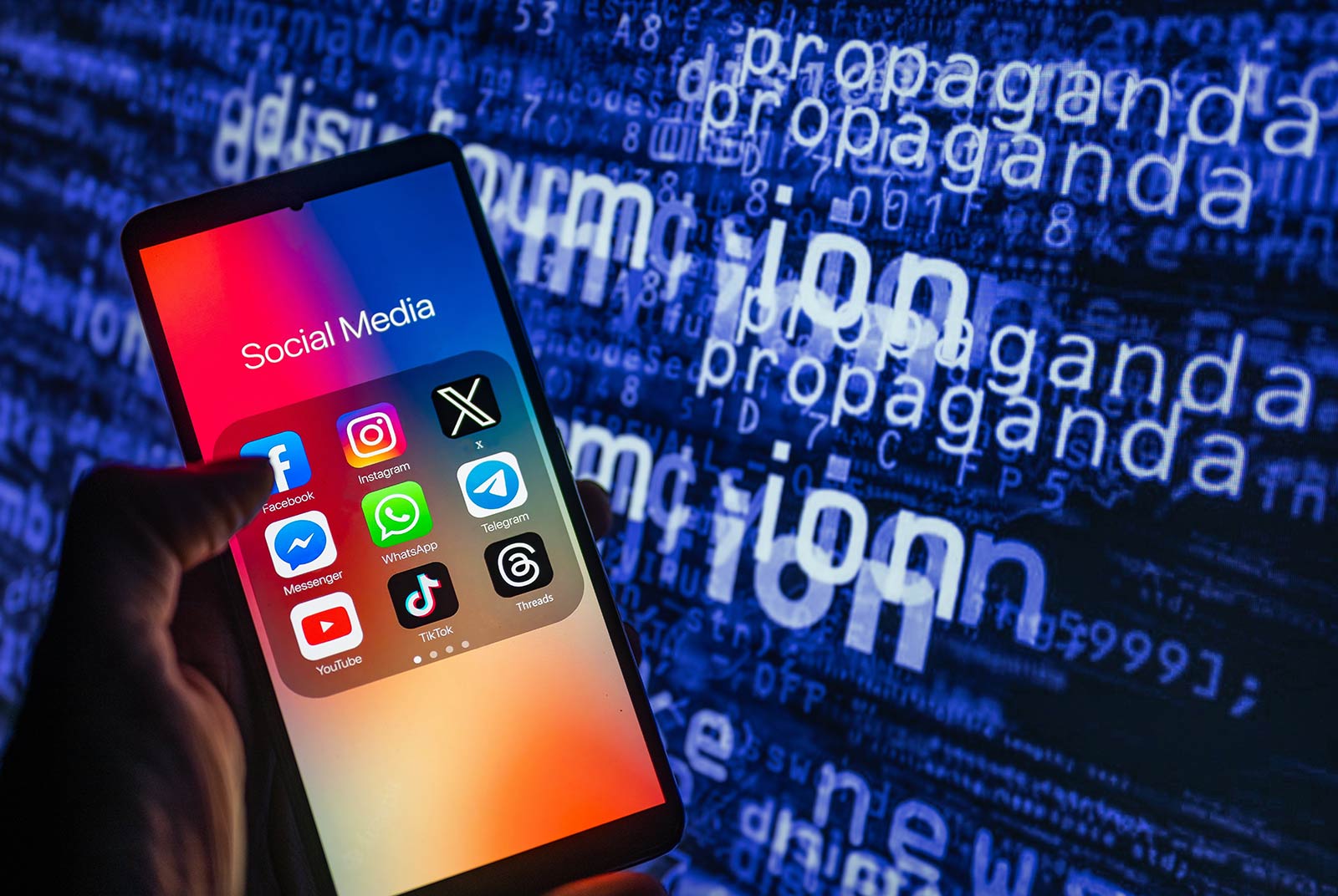
Disinformation, a practice which consists of deliberately spreading false or biased news with the aim of manipulating minds, is gaining ground around the world every day. As China and Russia sink into authoritarianism and export their methods of censorship and media control, democracies find themselves overwhelmed by an incessant flow of propaganda that threatens the integrity of their institutions. Taiwan, the strongest democracy in Asia according to the Economist Intelligence Unit, is also the country that is most targeted by disinformation originating abroad, in this case China, according to the independent research institute V-Dem.
The only known lasting bulwark against disinformation is a free, independent and plural press, prioritizing the public interest and conditioning the information it publishes on systematic verification of its sources. However, the Taiwanese media, who enjoy a relatively free environment (Taiwan ranks 27th out of 180 in the RSF world press freedom ranking 2024), too often neglect journalistic ethics for political or commercial reasons. As a result, only three in ten Taiwanese say they trust the media according to the Reuters Institute, one of the lowest percentages among democracies. By contrast, this climate of distrust gives disproportionate influence to platforms, in particular Facebook and Line, despite them being a privileged vector of false or biased information in Taiwan.
This credibility deficit for traditional media, a real Achilles heel of Taiwanese democracy, puts it at risk of being exploited for malicious purposes, with potentially dramatic consequences.
But despite the urgency, no major reform has yet seen the light of day. It is true that in Taiwan, any public policy affecting the supervision of the media systematically exposes its authors to the easy accusation of a “return to dictatorship”.
On the contrary, such a reform, if it adopted a co-regulation approach, returning journalism practitioners to their responsibilities, could ensure that the media as a whole serves the general public interest rather than that of their shareholders.
We suggest five areas of reform which seem easy to implement and which, in our opinion, would have a lasting impact:
- Adopt a regulatory framework that encourages and protects the independence of editorial staff vis-à-vis their employers and their boards of directors.
During our delegation's visit to Taiwan, from October 14 to 18, 2024, we expect to meet with President Lai Ching-te, government and opposition officials, as well as a wide range of media and civil society representatives. We will emphasize the need for such reforms and introduce innovative solutions developed by RSF that can facilitate them, in particular the Forum for Information and Democracy, laboratory for developing good practices, the Journalism Trust Initiative (JTI), the first ISO standard for media quality certification, the Paris Charter on artificial intelligence and journalism, and the Propaganda Monitor, an observatory recently launched to analyze misinformation emanating from authoritarian regimes. We are convinced that Taiwan, a regional leader in press freedom and the only democracy in the Chinese-speaking world, has everything to gain from reforming its media regulations so that they are in line with international best practices. It is through this effort that Taiwanese media will regain public trust, a necessity not only to combat disinformation, but also to guarantee their own long-term survival in the face of the platforms’ hegemony. The future of journalism is linked to that of democracy, and vice versa. |
(This piece reflects the author's opinion, and does not represent the opinion of CommonWealth Magazine.)
About the Author:
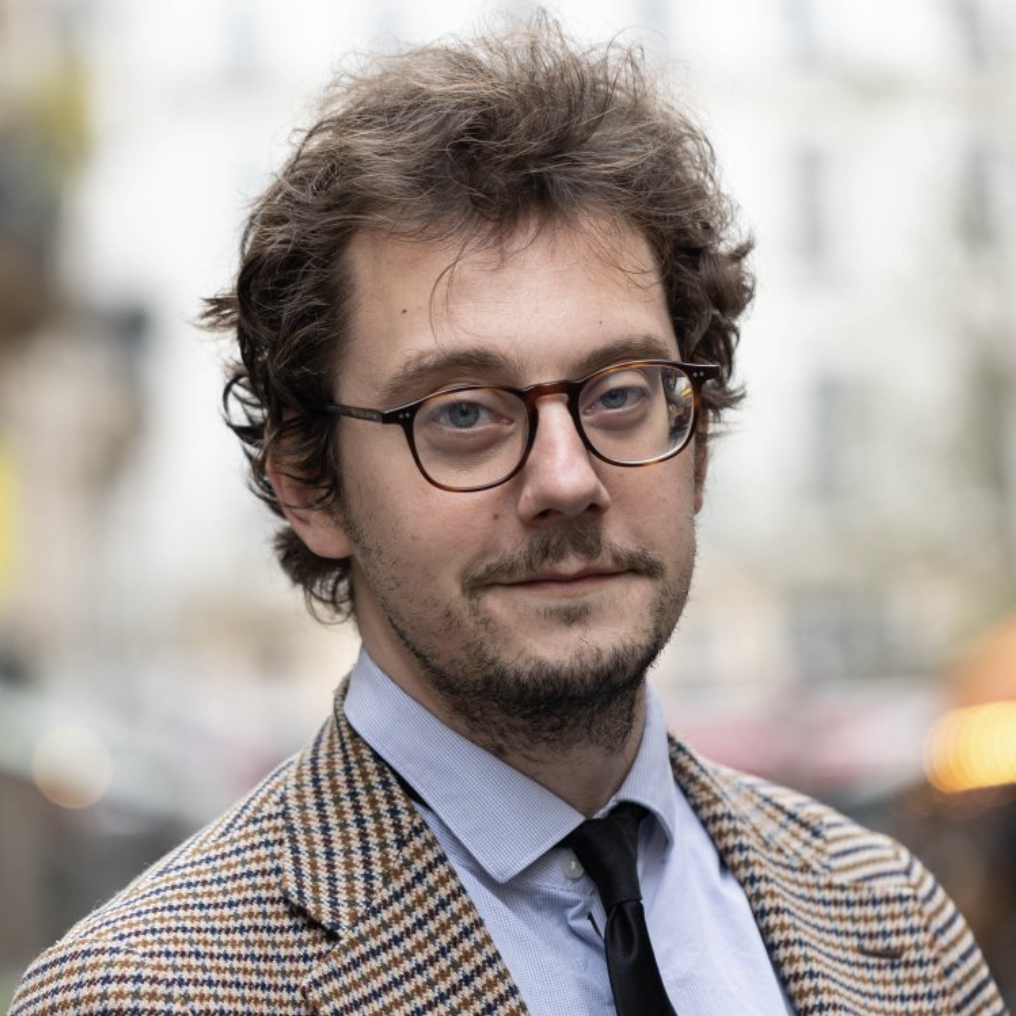
Thibaut Bruttin is the Director General of Reporters Without Borders (RSF) and Cédric Alviani is the Director of RSF’s Asia-Pacific bureau.
Have you read?
- Generative AI and Disinformation - Assessing EU Policies and Taiwan Policy Recommendations
- Regulating Social Media: Free Speech and Social Media in the U.S. And Taiwan
- Rise of the Haters, Preventing Fake News
Uploaded by Ian Huang
Views

Subscribe to CWE Newsletter (every Thursday)
Stay abreast of what's happening in Taiwan with our weekly digest.
Keywords: