
RightsCon 2025: A Global Gathering for Digital Rights in Taipei
Source:RightsCon
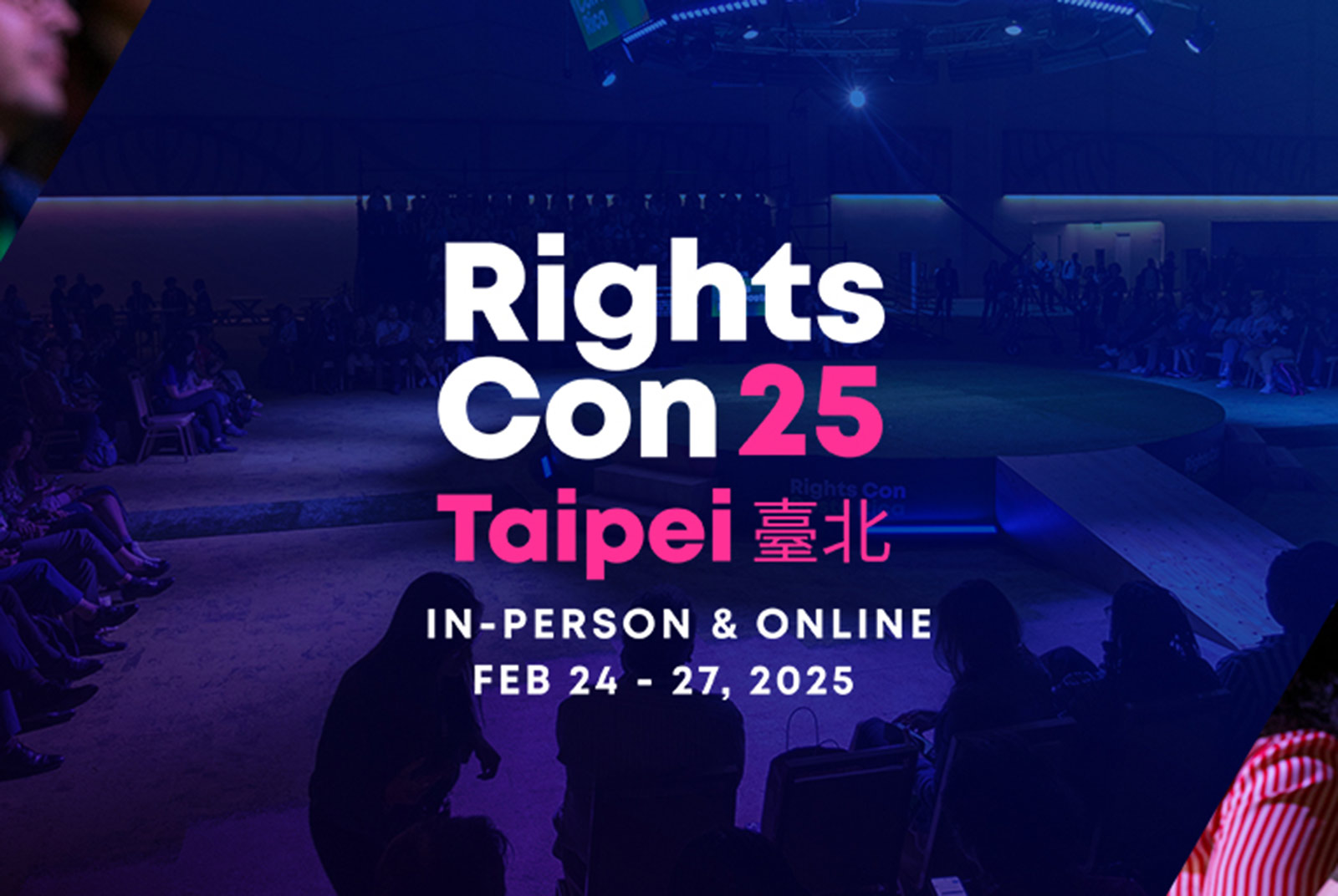
The Taiwanology podcast recently hosted a conversation with Raman Jit Singh Chima and Jason Liu of Access Now. The discussion revolved around the upcoming RightsCon event in Taipei, its significance, and the broader impact of digital rights advocacy. What can we expect from the first RightsCon in Taipei?
Views
RightsCon 2025: A Global Gathering for Digital Rights in Taipei
By CommonWealth Magazineweb only
The following is the transcript of the 44th episode of the Taiwanology podcast. It was produced by CommonWealth Magazine, hosted by Kwangyin Liu, and was first aired Feb. 11, 2025.
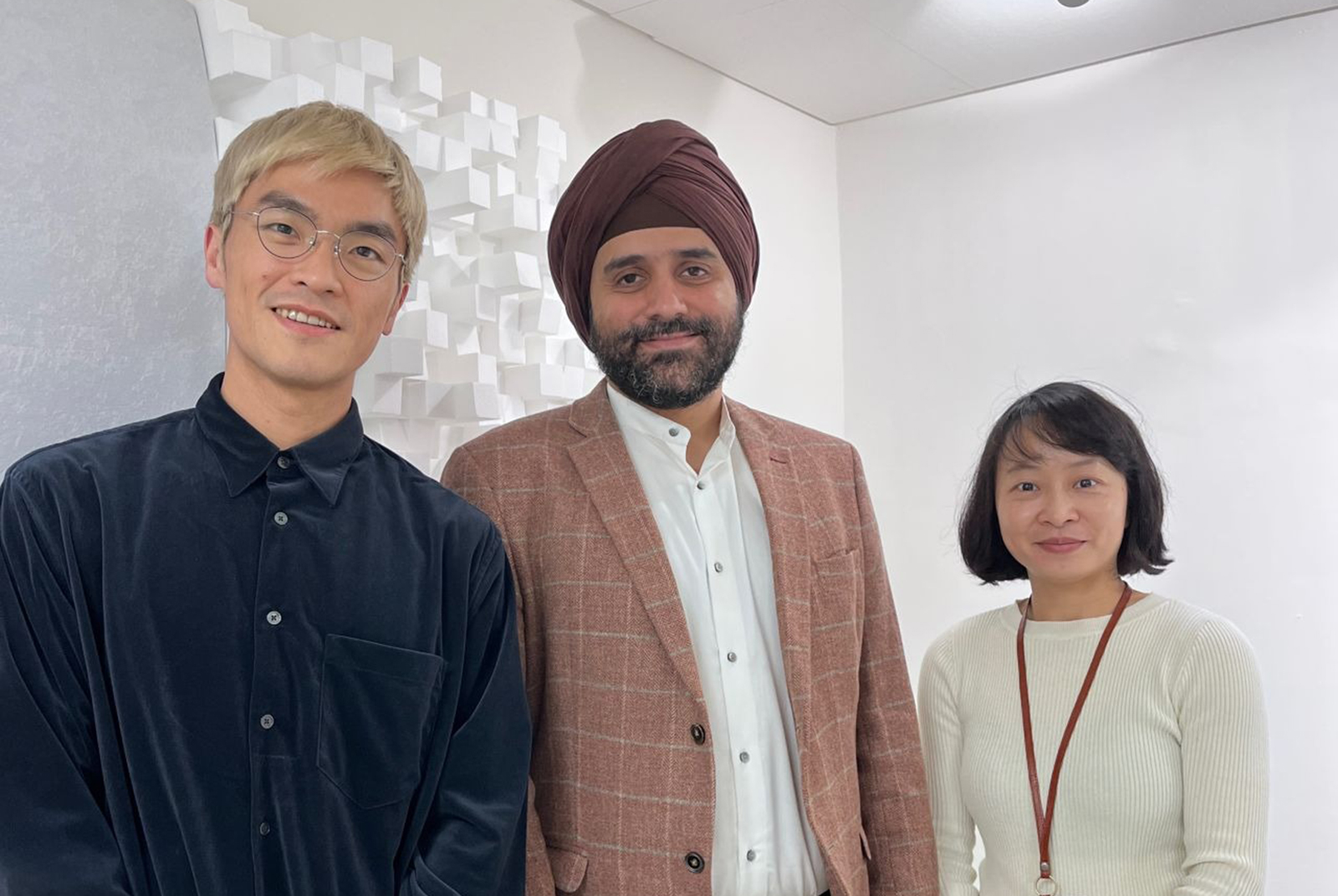
Listen to the episode:【Taiwanology Ep.44】RightsCon Comes to Taiwan: Human Rights Battle in The Digital Age
Taiwanology: What is Access Now, and what are your objectives?
Raman Jit Singh Chima: Access Now was founded with the realization that while technology empowers and facilitates human rights, it also places people at risk. The organization emerged from the Iranian Green Revolution protests, where activists used mobile phones and digital tools to mobilize but faced severe surveillance threats. Initially, we focused on providing digital security support, but we soon recognized the global nature of these challenges. Today, Access Now works to ensure technology does not infringe on human rights, providing expertise to policymakers and raising public awareness about digital threats.
Who were the people behind Access Now?
Chima: The organization was founded by Brett Solomon, Cameron Ashraf, and others from diverse backgrounds, including activists from Iran, Australian digital rights advocates, and technologists passionate about encryption and privacy. These individuals believed in the necessity of providing digital security tools and advocating for better tech governance. Over time, our team has grown to include experts from around the world dedicated to protecting digital rights.
How did a group of internet activists gain global recognition and funding?
Chima: It was a combination of hard work and recognizing the growing impact of the internet on global politics. Around 2009-2010, there was an optimistic view of the internet’s power for democratic change, but people also started realizing the risks of surveillance and data privacy breaches. We tapped into this momentum, engaging with policymakers, activists, and technologists to advocate for an internet that serves human rights. Over time, we established credibility and attracted support from various sectors, including non-profits and philanthropic organizations.
Why did you leave Google to join Access Now?
Chima: While working at Google’s public policy team in India, I witnessed firsthand how governments navigated internet governance. The experience was invaluable, but I felt I could contribute more by actively advocating for human rights in tech policy. My transition to Access Now was driven by the desire to speak up more freely and shape the conversation on digital rights.
What about you, Jason? How did you transition from journalism to Access Now?
Jason Liu: As a journalist, I covered human rights and technology, examining their influence on politics across different regions. While reporting, I realized that meaningful change required collaboration between journalists, activists, policymakers, and tech platforms. My book on disinformation highlighted how technology impacts society, and I wanted to work directly in facilitating these critical conversations. Access Now’s approach of connecting local activists to global forums resonated with me, making it the perfect space to continue my advocacy work.
What is RightsCon, and why was it created?
Chima: RightsCon started as a Silicon Valley-based human rights and technology conference. The goal was to bring together the tech sector and activists to discuss digital rights. Over the years, it has evolved into the premier global convening on digital rights, attracting policymakers, activists, academics, and industry leaders. Unlike traditional conferences, RightsCon is highly interactive, featuring panels, workshops, and networking opportunities where participants engage in meaningful discussions.
What can we expect from RightsCon in Taipei?
Liu: We anticipate around 3,500 to 4,000 in-person attendees from across the world, including government officials, tech leaders, activists, and civil society members. The event will feature over 500 sessions covering a wide range of topics, from cybersecurity to AI governance. More importantly, RightsCon isn’t just about the formal sessions—it’s about the conversations happening in the corridors, where unexpected collaborations and exchanges take place.
Why is it significant that RightsCon is being held in Taipei?
Chima: Asia is the present and future of the internet, with the largest number of internet users and a rapidly evolving tech landscape. Taipei, in particular, has become a hub for discussions on democracy, governance, and digital rights. Unlike other locations where certain topics are off-limits, Taipei offers a platform where activists and policymakers can speak freely about their challenges and strategies.
Liu: Hosting RightsCon in Taipei also bridges the gap between Taiwan’s civil society and the global digital rights movement. Taiwanese activists have valuable insights from their experiences with cyber threats, digital mobilization, and governance, which can contribute to international discussions. At the same time, global experts can provide Taiwanese stakeholders with fresh perspectives and strategies.
How does Taiwan’s geopolitical situation influence its approach to digital rights?
Chima: Taiwan’s experience with cyberattacks, disinformation, and geopolitical pressures has made it a leader in digital resilience. Governments and civil society organizations worldwide want to learn from Taiwan’s strategies, especially in navigating the challenges posed by authoritarian digital interference. Additionally, Taiwan’s tech industry plays a crucial role in the global economy, making its approach to digital governance significant beyond its borders.
Who are some of the notable speakers at RightsCon?
Chima: RightsCon features an impressive lineup of speakers, including Meredith Whitaker, President of Signal and a key figure in Google’s employee activism movement. We also have digital rights advocates from regions facing intense repression, such as Pakistan, Belarus, and Hong Kong. However, RightsCon is not just about big names—it’s about the critical conversations happening among activists, journalists, and policymakers shaping the future of digital rights.
Can anyone attend RightsCon?
Liu: Yes, but registration is required. While there is a fee, we ensure that activists and individuals with financial constraints can participate through sponsorships and support programs. The event is open to anyone interested in digital rights, whether they are students, academics, civil society members, or industry professionals. Virtual participation is also available for those unable to attend in person.
Final Thoughts
With its rich discussions and diverse participation, RightsCon 2025 promises to be a crucial event for advancing digital rights. As Taipei welcomes thousands of global participants, it cements its place as a vital hub for conversations on democracy, technology, and human rights. Whether attending in person or online, participants can expect thought-provoking sessions, invaluable networking opportunities, and an open exchange of ideas shaping the future of the digital world.
Have you read?
- Last-Straw Family Apathy Breaks Transgender’s Back
- How Can Labor-starved Taiwan Attract More Foreign Talent?
- How can Taiwan Overcome Partisan Infighting?
Uploaded by Ian Huang
Views

Subscribe to CWE Newsletter (every Thursday)
Stay abreast of what's happening in Taiwan with our weekly digest.
Keywords: