Why Taiwan Should Not Establish a Sovereign Wealth Fund
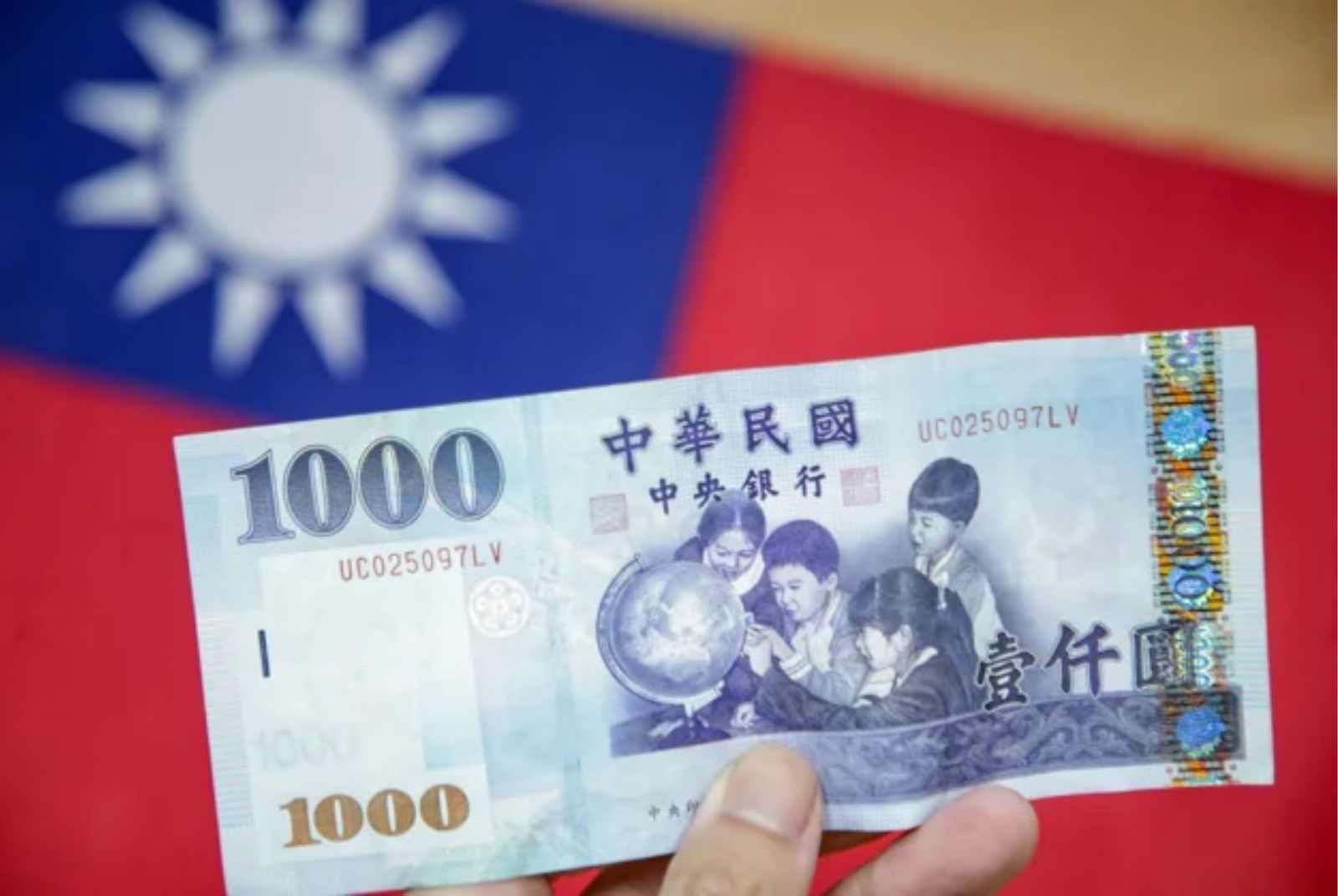
Source:UDN
As Taiwan once again debates the idea of creating a sovereign wealth fund, Academia Sinica Academician Cyrus Chu issues a stark warning: Taiwan’s democracy isn’t ready, and the notion of “strategic investment” is dangerously vague.
Views
Why Taiwan Should Not Establish a Sovereign Wealth Fund
By Cyrus Chuweb only
Calls to establish a sovereign wealth fund in Taiwan have resurfaced. But I must reiterate my long-held opposition to such a move. I opposed it during President Ma Ying-jeou’s administration in 2008, and I still oppose it today—for three fundamental reasons.
1. Taiwan’s Democracy Remains Incomplete
Globally, countries with sovereign wealth funds fall into two camps: either highly democratic nations like Norway or highly authoritarian ones like China and Singapore.
In very democratic countries, sovereign funds function properly because they are subject to strong institutional oversight, transparent accountability, and rational public debate.
In authoritarian regimes, oversight is practically nonexistent. Decisions follow the will of the top leader, and the fund may be managed by the prime minister’s spouse without public scrutiny—that’s simply how things operate there.
Taiwan, however, lies in between. Our democracy is not yet mature. If a fund worth hundreds of billions of NT dollars were created, it would inevitably attract endless political interference. In short, a “sovereign fund” and a “not-yet-mature democracy” are inherently incompatible.
2. Our Existing Funds Perform Poorly
Taiwan already manages several public funds—such as the Labor Pension Fund, the Civil Servants Pension Fund, and the National Development Fund. Yet none are known for outstanding performance or operational efficiency.
As someone who has previously served in a senior role with the National Development Fund, I can say with confidence: aside from a fortuitous early investment in TSMC, which turned out to be a huge success, the fund’s other investments have consistently underperformed.
Its review mechanisms and bureaucratic red tape fall far short of the standards of professional investment banks—not to mention the ever-present risk of corruption. If we cannot manage existing funds effectively, why should we believe that creating an even larger one will magically resolve these issues?
3. Who Defines “Strategic Investment”?
Some argue that a sovereign wealth fund would allow Taiwan to make strategic investments. But such claims only deepen the concerns raised above.
What exactly qualifies as a “strategic investment”? Consider the example of Malaysia’s sovereign wealth fund, 1MDB, which was famously manipulated by a con artist, resulting in losses of several hundred billion dollars.
Taiwan, too, has had its share of questionable ventures—the Papua New Guinea diplomatic scandal and the so-called “Overseas Nation-Building Fund,” both of which were touted as strategic at the time.
Unless the fund is managed by a moral authority like the late Master Sheng Yen, whom can the Taiwanese public truly trust to make such judgment calls?
Advocates for a sovereign wealth fund were roundly criticized more than a decade ago and subsequently faded from the conversation, acknowledging the weakness of their case.
It is puzzling to see the proposal resurface today, when nothing in the political or institutional landscape has improved. One can’t help but question the motives behind its revival.
(This article was translated with the assistance of AI tools.)
(This piece reflects the author's opinion, and does not represent the opinion of CommonWealth Magazine.)
CommonWealth Magazine welcomes op-ed submissions. Please send your article proposals to [email protected]
About the author:
Cyrus Chu is a Distinguished Research Fellow at the Institute of Economics, Academia Sinica.
Have you read?
- Should Taiwan Join the Global Race for a Bitcoin Reserve?
- Taipei Leaps into Top 10 of Global Happy City Index: Mayor Highlights Resilience, Innovation, and Democracy as Keys to Success
Edited by Kwangyin Liu
Uploaded by Fiona Lin
Views

Subscribe to CWE Newsletter (every Thursday)
Stay abreast of what's happening in Taiwan with our weekly digest.
Keywords: