What Giant’s Forced Labor Case Means for Taiwan
Source:CommonWealth Magazine
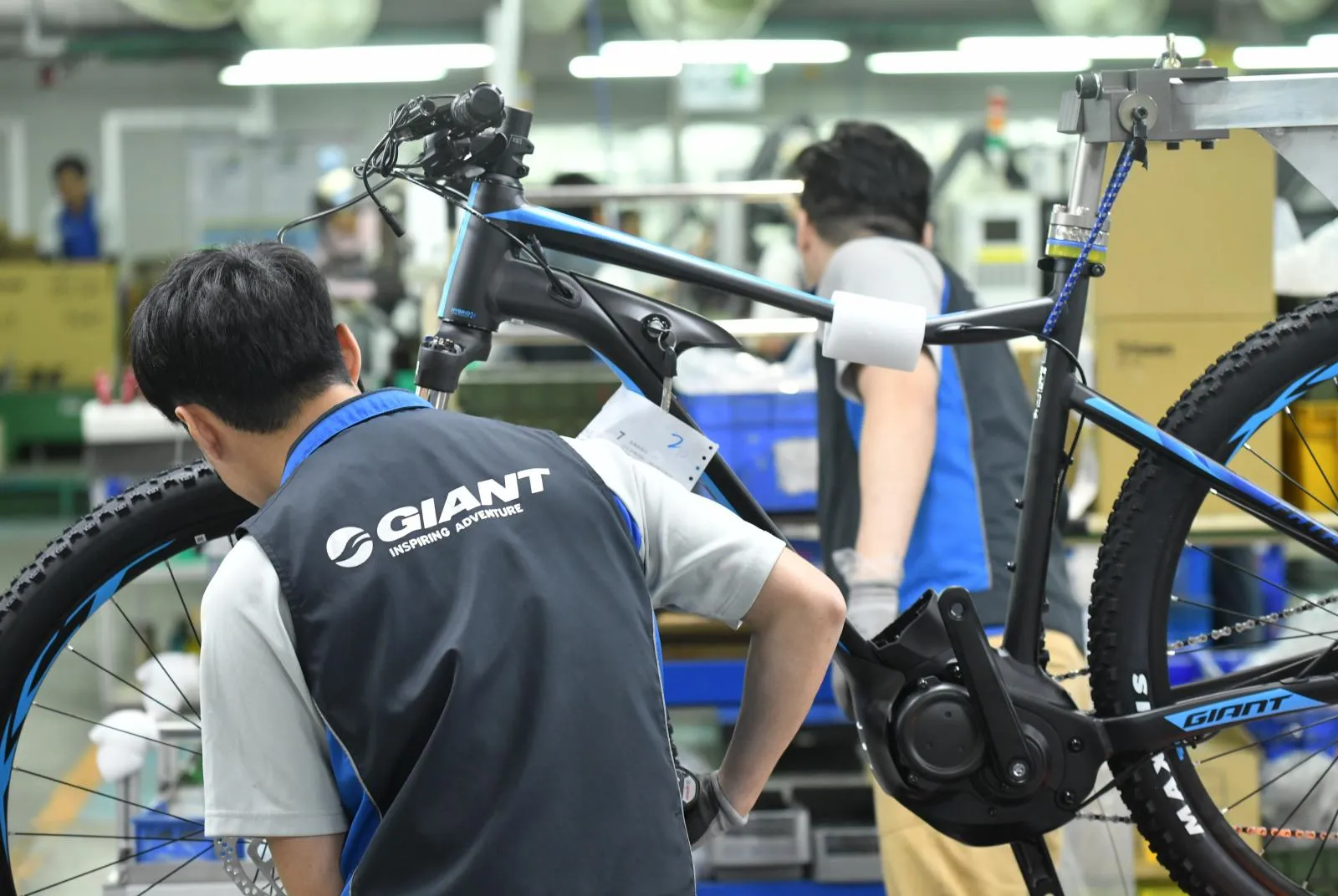
U.S. Customs and Border Protection (CBP) issued a withhold release order (WRO) on Giant Manufacturing, detaining its U.S.-bound goods over alleged forced-labor risks. In Taiwanology’s interview, host Kwangyin Liu asks CC Wu, trade compliance consultant at PwC Taiwan, how WROs work, what “forced labor” looks like in practice, and what Taiwanese manufacturers must do to stay in the U.S./EU markets.
Views
What Giant’s Forced Labor Case Means for Taiwan
By Taiwanologyweb only
The following is the transcript of the 53rd episode of the Taiwanology podcast. It was produced by CommonWealth Magazine, hosted by Kwangyin Liu, and was first aired Oct. 28, 2025. The guest was CC Wu, a trade compliance consultant of PwC Taiwan.
Listen to the episode: Forced Labor? What Taiwan’s Exporters Must Do Next【Taiwanology Ep.53】
What is a WRO — mechanics and immediate impact
Host: “Can you first explain to people who are unfamiliar with the subject what a WRO is? What does it do?”
Wu: “WRO for me is withhold release order. It means your product is related to forced labor. Your product can no longer enter the U.S. because it’s currently detained by the CBP. You can petition, claim yourself your product is not made of forced labor. But if customs later issue the finding, then they will detain the goods, and then you can no longer re-export.”
What this means for exporters: Detention at the U.S. border halts sales and scrambles working capital, logistics, and supplier contracts. The only viable path is a documented petition paired with concrete remedies that directly address the indicators CBP suspects.
Where the risk originates: recruitment debt, documents, and dorm rules
Host: “Isn’t Taiwan a great place of democracy? Why would any products made in Taiwan be associated with forced labor?”
Wu: “Debt bondage usually deals with migrant workers because they need to pay a lot of fees to come to Taiwan. Before they come, they are already in debt.”
Host: “Our labor law says that the workers can pay their broker monthly service fees. I’m following Taiwanese law here. Why is that not enough?”
Wu: “Because they violate the international standards.”
Host: “Walk us through the ILO indicators. Restriction of movement would include factory curfews. Retention of identity documents means holding passports.”
Wu: “I’ve seen many times Chinese companies still hold it. They are afraid the migrant will run away.”
What this means for exporters: Even if local regulations permit broker fees or dorm curfews, international standards drive enforcement. Indicators like debt bondage, passport retention, and movement restrictions create WRO exposure regardless of local legality.
The new baseline: employer-pays recruitment and sector contagion
Host: “Merida has announced reimbursement of broker fees to their migrant workers. Is this going to be the norm for Taiwanese companies exporting to the U.S.?”
Wu: “I would say this is the compliance cost they need to consider, or they are exposed to the risk. Their supply chain will be disrupted. Their goods will be detained by the U.S. Customs. The Taiwan bike industry they are under high risk.”
Host: “In Malaysia, in two years, there are five similar cases in the same sector detained by U.S. customs.”
Wu: “Pay all those fees. All the costs in the recruitment processes, like looking for people and maybe visa fees, relocation fees, an employer would have to shoulder all the costs rather than transferring to the workers.”
What this means for exporters: Moving to employer-pays (zero-fee) recruitment and reimbursing historic worker payments are not PR gestures; they are the price of market access.
Not just America: Europe’s 2027 line and a global trend
Host: “What’s the situation in Europe?”
Wu: “They also passed the forced labor regulation last year and will be executed in 2027.”
Host: “This is a global trend. Canada, Australia, and Germany have similar regulations. So nowhere to escape.”
What this means for exporters: If you sell into either the U.S. or the EU, plan for the same forced-labor bar. Documentation must travel with shipments, and corrective actions must be auditable.
A working blueprint already in Taiwan: electronics and the RBA decade
Host: “Why are electronics not associated with forced-labor risks?”
Wu: “They already implement zero fees. For the past decade.”
Host: “There’s an organization called Responsible Business Alliance. Apple and Amazon and other tech companies are members. If a Taiwanese company is a supplier to these tech companies, they would have been subjected to RBA rules for over a decade. This trend has been extended to all supply chain. Bikes, hand tools, clothes, shoes, everything.”
What this means for exporters: The template exists. Map brokers, standardize contracts, adopt employer-pays, and build verification and grievance systems with proof.
Price in compliance
Host: “Companies say customers keep asking for lower prices while they have to shoulder more responsibilities and pay higher costs. Is it fair to expect manufacturers to shoulder all the costs?”
Wu: “I don’t need to worry if I order the goods from them, then my goods would be detained by the U.S. customs. I also don’t want the item to be on the forced labor issue. Reality bites. We don’t live in fairy tales. We like a reasonable price, and we also want no issues of compliance.”
What this means for exporters: Treat labor-rights compliance like ESG and quality — a fixed cost of doing business that must be reflected in quotes and contracts.
What to implement now?
Host: “So pay all those fees. Why should a company shoulder all the costs for recruiting?”
Wu: “If you hire white-collar workers from the headhunter, you also need to pay the fee.”
Action plan for exporters:
- Employer-pays recruitment: Reimburse workers for recruitment, broker, visa, and relocation fees. Keep receipts, ledgers, and signed acknowledgments.
- End document retention and curfews: Return all passports. Remove dorm curfews or other restrictions that limit movement.
- Grievance and protection: Provide accessible, multilingual grievance channels and anti-retaliation safeguards, plus unannounced dorm checks aligned with ILO indicators.
- Petition plus remedy: If under WRO, file a petition with evidence and show plant-wide remedies. If customs issues a finding, you can no longer re-export.
- Borrow the RBA playbook: Adopt the electronics sector’s zero-fee model and supplier oversight down to corridor-level broker mapping.
EU-2027 readiness: Attach worker-treatment evidence to shipments destined for the EU and keep a defensible audit trail.
Have you read?
- Beyond the Headlines: A Conversation on Peace, Gaza, and Taiwan
- Taiwan’s Mass Recall Movement: A Stress Test for Democrac
- National Security Pushes Taiwan to Rethink Nuclear Exit
Uploaded by Ian Huang
Views

Subscribe to CWE Newsletter (every Thursday)
Stay abreast of what's happening in Taiwan with our weekly digest.
Keywords: