Taiwan needs porcupine quills to deter China
Source:Chien-Ying Chiu
Taiwan became the frontline in the most recent maneuvers by China’s People’s Liberation Army (PLA). What message did Chinese President Xi Jinping want to deliver with the PLA’s first display of combat capability in the wake of military restructuring ? And how can Taiwan defend itself?
Views
Taiwan needs porcupine quills to deter China
By Shu-ren KooFrom CommonWealth Magazine (vol. 755 )
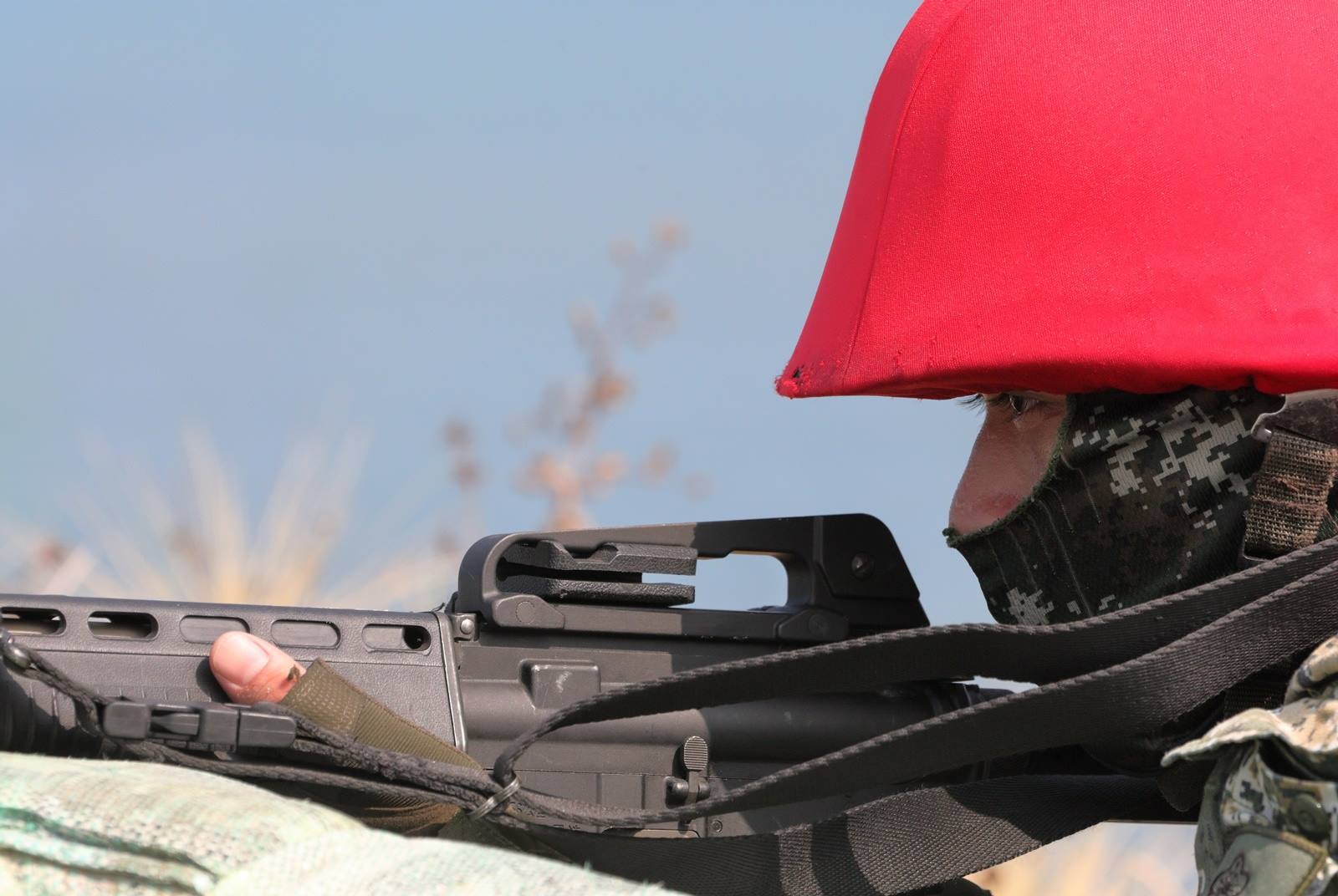
It is in the early morning of August 4 at the Tsoying Naval Base in Taiwan’s southern port of Kaohsiung. Most of the base’s vessels have been quickly dispatched and are already at sea.
Docked alongside the pier, a Knox-class frigate, a LaFayette-class frigate, and a Ching Chiang-class anti-missile corvette are getting ready. The search radar is operating on all three vessels as they await orders to sail. Ahead of the visit of U.S. House of Representatives Speaker Nancy Pelosi, Taiwan’s Ministry of Defense raised the military’s combat readiness.
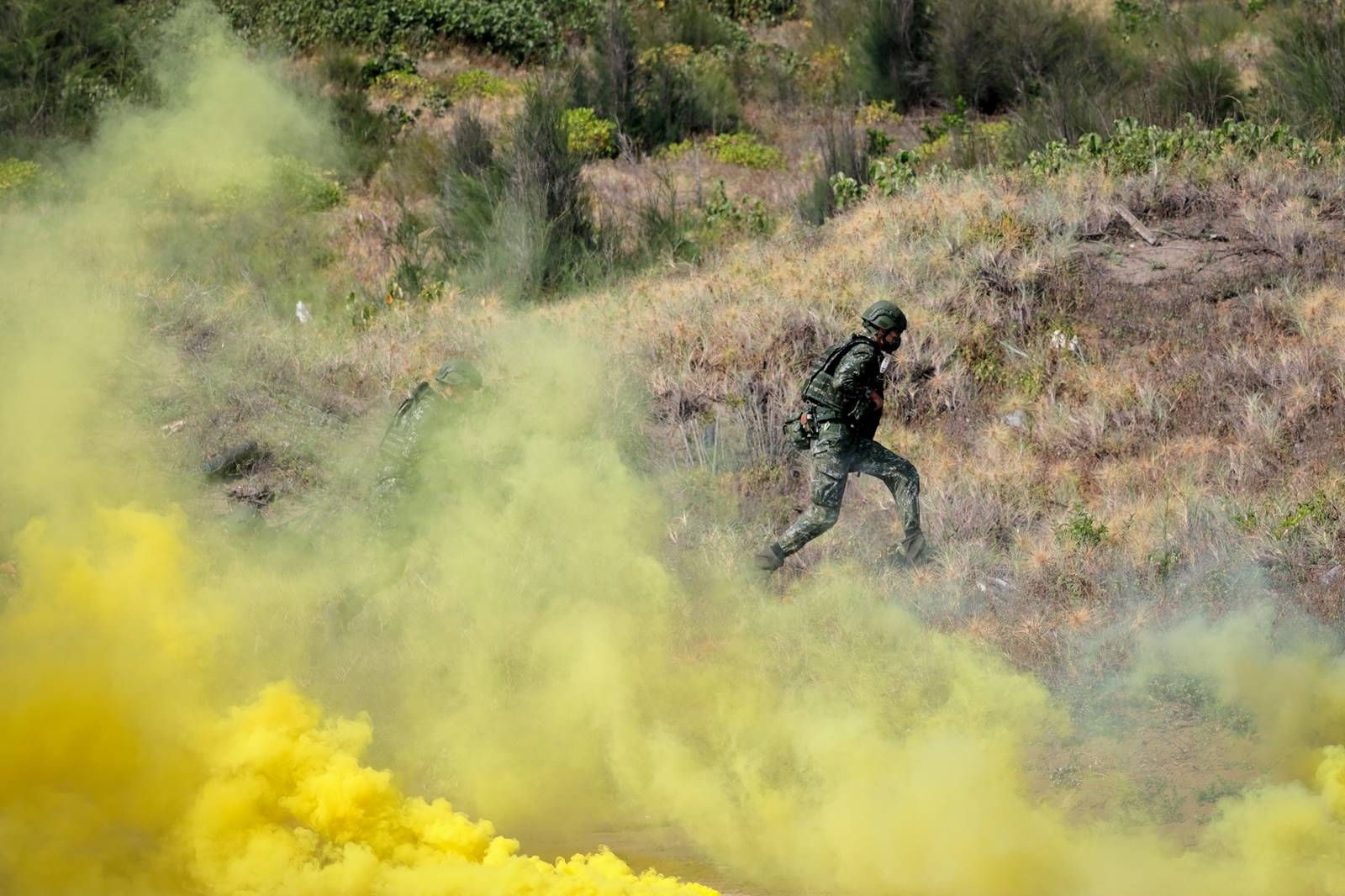
In early August, military personnel across Taiwan were under heightened combat readiness.
 (Source: Chien-Ying Chiu)
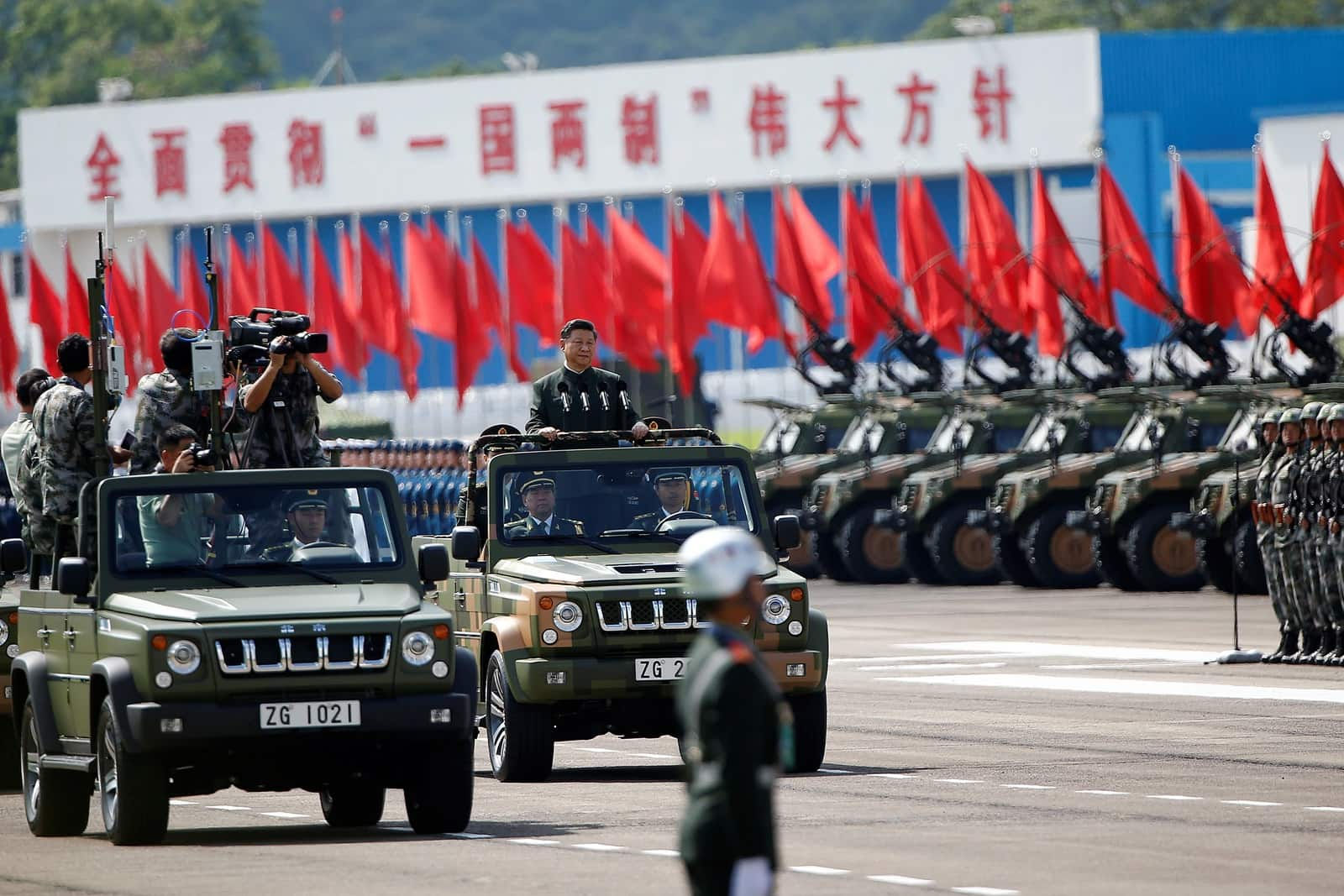
The PLA continued to conduct military drills even after Pelosi left Taiwan. As it showed off its combat capability during Pelosi’s visit, the PLA expanded its maneuvers from the Taiwan Strait to the Pacific off Taiwan’s eastern coast, and even touched Taiwan’s territorial waters, demonstrating its ability to break through the so-called first island chain.
The U.S. chose to remain low-key in response to China’s saber-rattling. On August 4, White House National Security Council Coordinator for Strategic Communications John Kirby condemned the PLA’s actions and announced that the U.S. would conduct standard air and maritime transits through the Taiwan Strait in the coming weeks to preserve a free and open Indo-Pacific region. But so far this has not happened.
“It’s like the Sword of Damocles is hanging over Taiwan’s head,” says a former national security officer in describing the situation.
One businessman who sits on the board of a Tesla supplier reveals that the latest cross-strait crisis has set off alarm bells in industry circles abroad. “Taiwanese companies are facing a new crisis because foreign clients, seeing Taiwan at risk of war, have begun to demand that manufacturing bases are relocated from China and Taiwan, or else they will lose orders. The government needs to understand this and take precautions to not aggravate the situation any further.”
The board member notes that one U.S. carmaker has even demanded that its suppliers build up half a year’s inventory. For small- and medium-sized enterprises, maintaining related capacities for raw materials, production and warehousing creates enormous working capital pressure.
“This generation does not get to be the masters of their own destiny,” says the chairman of one large electronics maker with exasperation. Pointing to intensifying competition between China and the United States, he feels that “Taiwan cannot decide its own destiny.”
On the surface, the people of Taiwan seem unfazed by the heightened cross-strait tensions. But questions such as “Do we really want to fight a war?” or “Where can I find an air raid shelter?” are sometimes brought up in everyday conversations.
 (Source: Office of the President)
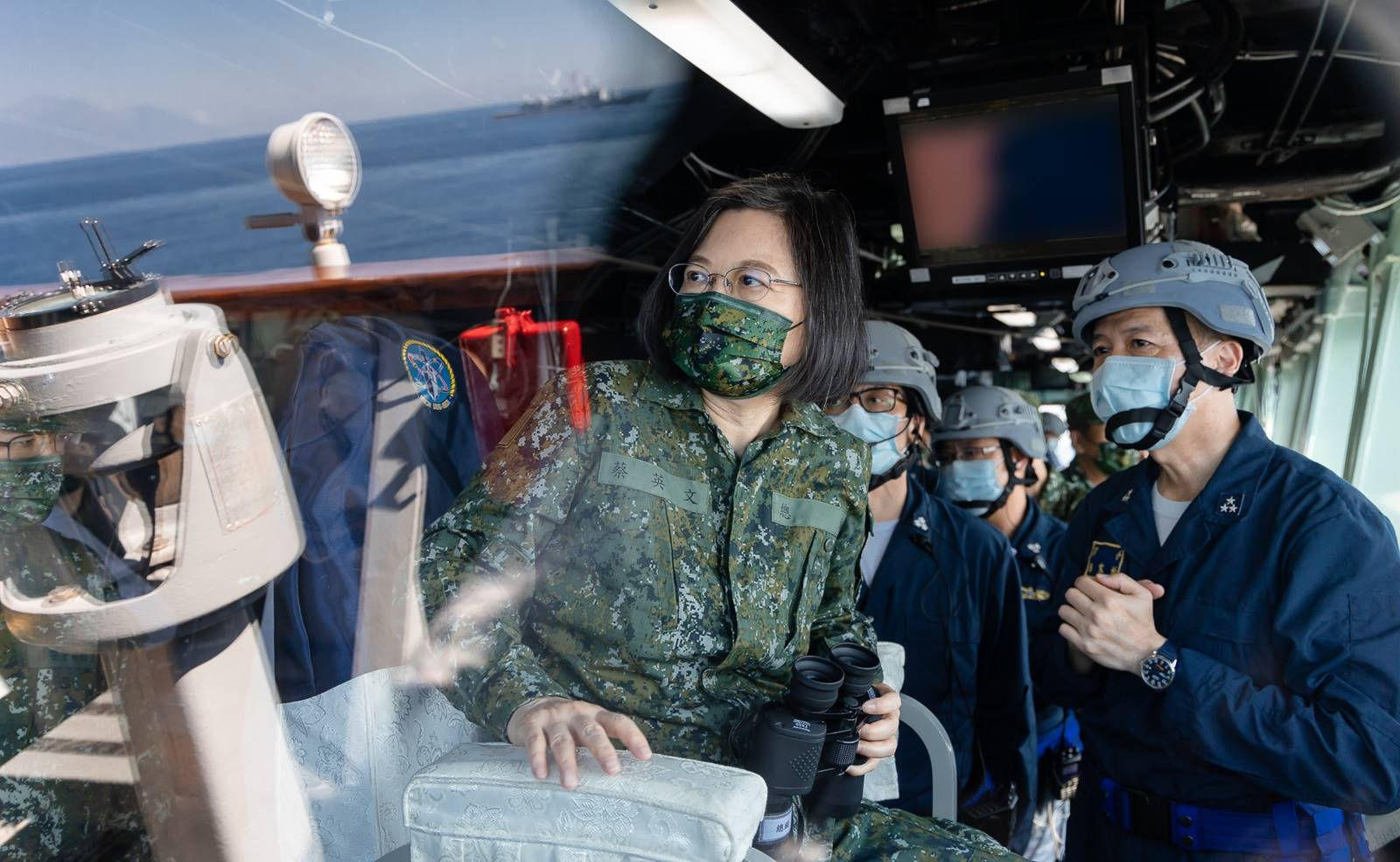
What do the latest PLA drills, the largest since military reforms were completed, portend? How can Taiwan defend itself against a Chinese attack?
China’s latest display of its military clout has led analysts to come up with three timelines for a possible PLA attack on Taiwan, namely the years 2027, 2035, and 2049.
But as Shen Ming-shih, acting Deputy CEO of the Institute for National Defense and Security Research (INDSR), a think tank under the Ministry of Defense, is quick to point out, “These timeframes represent estimates of military strength,” and not the expected breakout of a war.
Late last year, the U.S. Department of Defense stated in its annual report on China’s military power that “China aims to have the capability to counter the U.S. military in the Indo-Pacific region, and force Taiwan’s leadership to the negotiation table on Beijing’s terms.”
Why 2027?
Lin Yin-yu, assistant professor with the Institute of Strategic and International Affairs of National Chung Cheng University, believes that, following the massive military restructuring that Xi kicked off in 2015, it will take at least ten years of finetuning and training before the new combat capability is firmly in place.
“The PLA might have the ability to operationalize a Taiwan contingency, and they might have the capability to have the level of confidence that they think they can succeed with an occupation of Taiwan,” says Randall Shriver, who served as assistant secretary of defense for Indo-Pacific Affairs during the Trump administration, in an exclusive interview. “So there are certain capabilities that are still in development but are getting close to being online,” he says.
These capabilities include amphibious warfare, a blockade of Taiwan’s surrounding area, and the ability to keep U.S. forces outside of the region, thwarting an intervention.
In a report to the Legislative Yuan in October last year, the Ministry of National Defense stated that “the ability of the [Chinese] army, navy and air force to quickly attack in multiple locations is quickly increasing, and constitutes a major challenge for Taiwan’s defense operations.”
 (Source: Reuters)
PLA rises, US forces decline, but capability does not equal intention
With 360 ships and submarines, China’s Navy already outstrips the U.S. Navy’s 300 battle ships. In its annual report to Congress on China’s military power, the Department of Defense said in March of 2021 that the Chinese Navy’s “overall battle force is expected to grow to 420 ships by 2025 and 460 ships by 2030.” Regarding hypersonic weapons, Admiral John Aquilino, the commander of the U.S. Indo-Pacific Command, stated in testimony to the House Armed Services Committee in March that a real concern is the speed and pace at which they are showing up in the Chinese arsenal and the threat they pose to the American homeland and Guam [the most important U.S. base in the second island chain] in particular.
Another reason for concern is that, in the wake of the war on terror, the U.S. military is currently in the process of adjusting its global deployments, decommissioning old weaons systems and introducing new ones. This means that in the coming five to seven years, military capability could be compromised, causing concern that Beijing might take advantage of this situation.
Chieh Chung, a senior assistant research fellow at the Taipei-based National Policy Foundation, believes that the military capability of the U.S. forces will temporarily decline between 2025 and 2027, right before the Chinese Communist Party completes a leadership transition at the 21st party congress in 2027. “While China’s military power rises, American military power declines; that’s why the U.S. is very worried about 2027,” says Chieh.
International affairs professor Lin estimates that the PLA will reach its full capability by 2035. At that point, personnel who have received modern military training will be serving as commanders, markedly boosting military capability.
The year 2049 is seen as significant because Xi has demanded that the PLA be a world-class military by that year, and because it marks the 100th anniversary of the founding of the People’s Republic of China.
While China’s ability to attack Taiwan increases steadily, all experts emphasize that having the capability to attack and having the intention to do so are two different things. Bonnie Glaser, director for the German Marshall Fund’s Asia Program, who is familiar with the thinking behind White House, State Department, and Pentagon policy, also argues that the U.S. military’s assessment that a Chinese invasion of Taiwan could take place before 2027 is based on capabilities, not intention.
However, faced with China’s growing military clout, Taiwan’s defense policy needs to cope with major challenges to safeguard the nation’s security.\
Challenge No. 1: Asymmetric warfare is key
The first challenge is finding ways for Taiwan’s David to beat Goliath China.
At the time of the cross-strait crisis in 1996, China’s defense spending was just twice that of Taiwan. Today, it is 20 times higher.
Taiwan spends less than two percent of its GDP on defense, far less than Israel or Singapore.
The key is whether Taiwan can beat China using “asymmetric warfare”.
The Russian attack on Ukraine earlier this year, on top of concern over the specter of China achieving military parity with the U.S. in Asia by 2027, has raised the sense of urgency in Washington. Policymakers believe that Taiwan must build up its capability to fight an asymmetric war within the coming five years.
“Nobody [at the Pentagon] thinks it [2027] is inevitable, but they think we absolutely must be prepared for the unthinkable, because that is what happened in Ukraine. The unthinkable happened,” says Glaser in explaining what haunts the Biden administration.
As Glaser points out, this led to less tolerance for Taiwan spending its limited procurement dollars on weapons platforms that the U.S. feels would not likely survive the first hour of a PRC invasion and on weapons that would not contribute to Taiwan’s ability to prevent an invasion from succeeding.
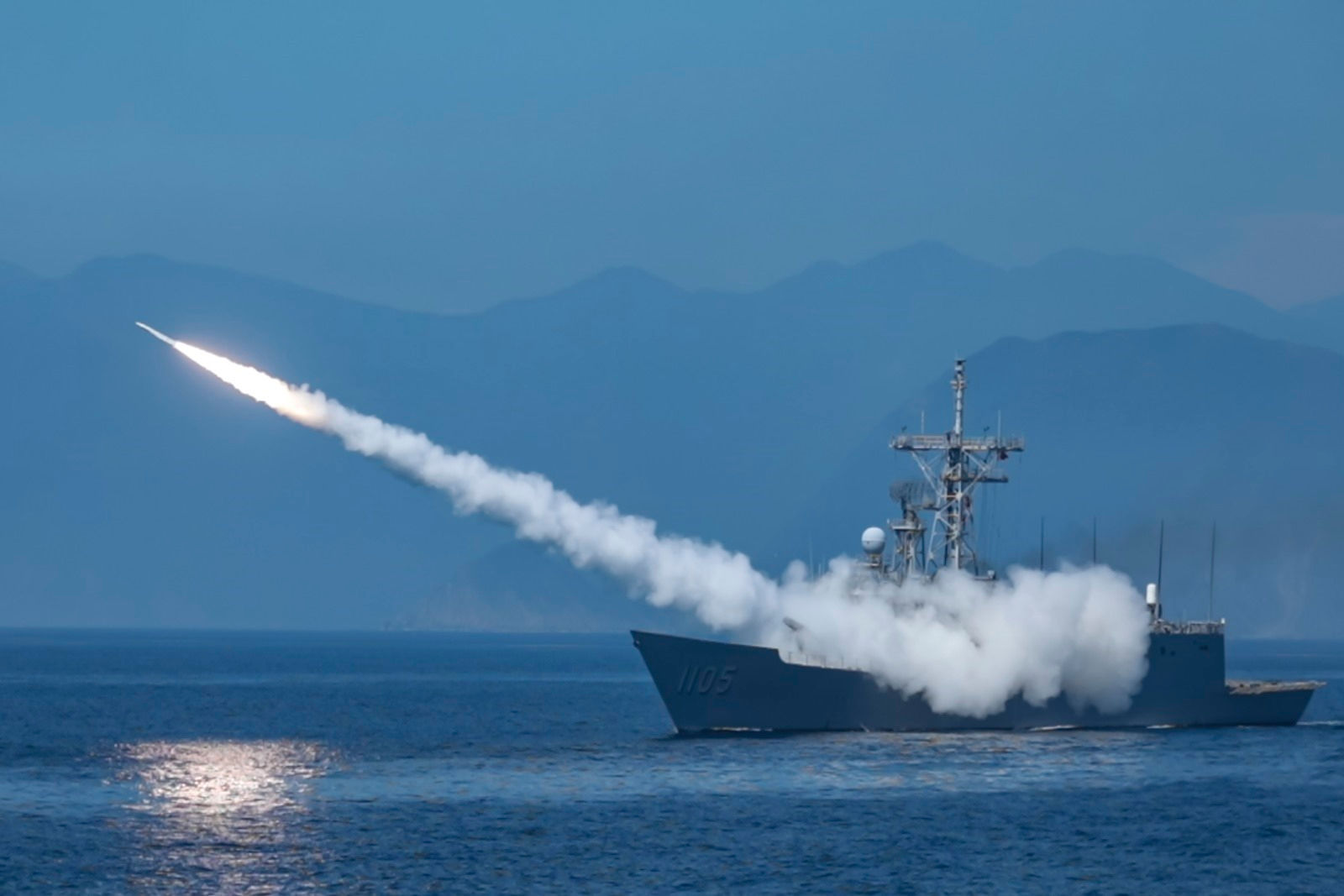
Instead, Washington hopes that Taiwan can become a porcupine, using American anti-air, anti-ship missiles, rockets, drones, and sea mines as its quills. If Taiwan followed the example of Ukraine to set up a territorial defense force equipped with small weapons that are comparatively cheap, available in large numbers, mobile, and less vulnerable, an invasion of Taiwan would become more difficult for the PLA.
 (Source: Yu,Zih-Yao)
Over the past two years, the Biden administration has rejected Taiwanese requests for large, expensive weapons such as self-propelled howitzers, early warning aircraft, and anti-submarine helicopters. The five arms packages that were approved all contain weapon systems that are related to improving asymmetric warfare capabilities such as Harpoon anti-ship missiles, Patriot surface-to-air missiles and the HIMARS artillery rocket system.
Yet whether this is the best strategy for Taiwan remains disputed.
Challenge No. 2: Taiwan and US strategies out of step
The main point of contention is that the Biden administration’s focus is on defense after a war has broken out or even after the PLA has landed troops on Taiwan. It lacks counter measures to handle so-called gray zone activities or blockades before an armed confrontation.
The latest PLA maneuvers effectively amounted to a “blockade-like situation”, highlighting the limitations of porcupine tactics.
Lin believes that, without the ability to fight a joint sea and air campaign using fighter jets and warships, Taiwan does not stand a chance of protecting the shipping lanes and maritime trade routes that are so important to its economic survival.
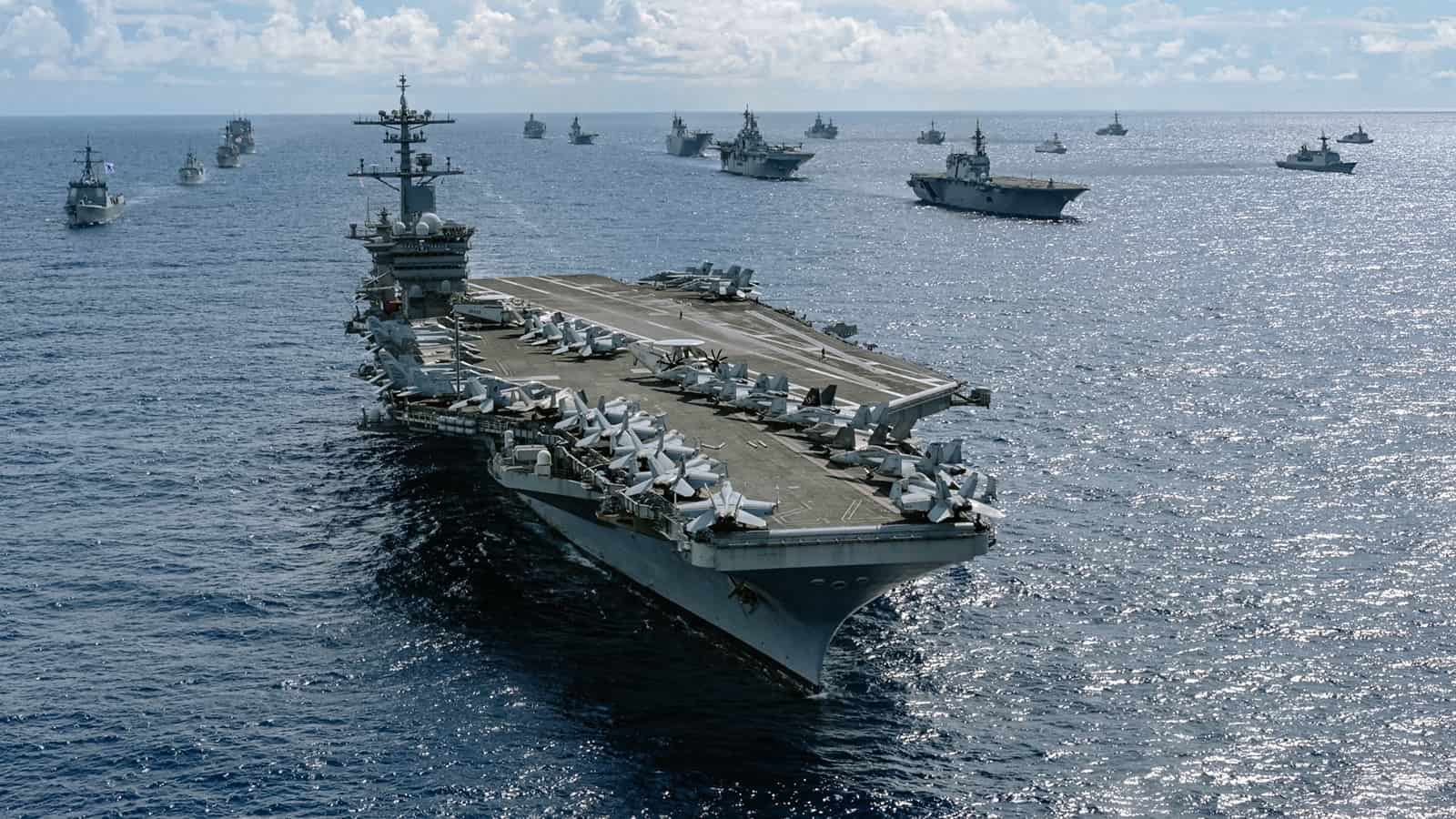 (Source: U.S. Pacific Fleet)
In an open letter published in May, Rupert Hammond-Chambers, president of the U.S.-Taiwan Business Council, criticized the approach of the Biden administration as solely focusing on a D-Day style attack on Taiwan while awarding less importance to other scenarios such as gray zone activities and blockades of air and seaports. “Taiwan’s ability to handle challenges under these scenarios as time passes will be significantly degraded by this new U.S. policy. Far from sharpening Taiwan’s spear, this policy will quickly open new vulnerabilities for the PLA to prey upon,” Hammond-Chambers warned.
Lo Chih-cheng, a lawmaker for the ruling Democratic Progressive Party (DPP), is also eager to point out that the geopolitical situations of Taiwan and the Ukraine are completely different. NATO is able to ensure a steady supply of aid to Ukraine from the country’s western land border.
“Taiwan is surrounded by the seas; how is U.S. assistance supposed to get here if China imposes a blockade on Taiwan?” asks Lo.
A national security official also points out that Taiwan needs to have its own defense strategy given that the U.S. won wars in Afghanistan and Iraq but eventually still withdrew its troops.
More autonomous defense cannot wait
There is a consensus that Taiwan will have to face pressure from China’s gray zone activities and intimidation.
One former member of Taiwan’s National Security Council believes that Beijing’s ultimate goal is not to conquer Taiwan but to use various means to force its government to the negotiation table. Therefore, “demonstrating that Taiwan will not succumb to pressure will have a deterrent effect.” He also emphasizes that, “If the population does not have morale, any kind of asymmetric warfare is meaningless.”
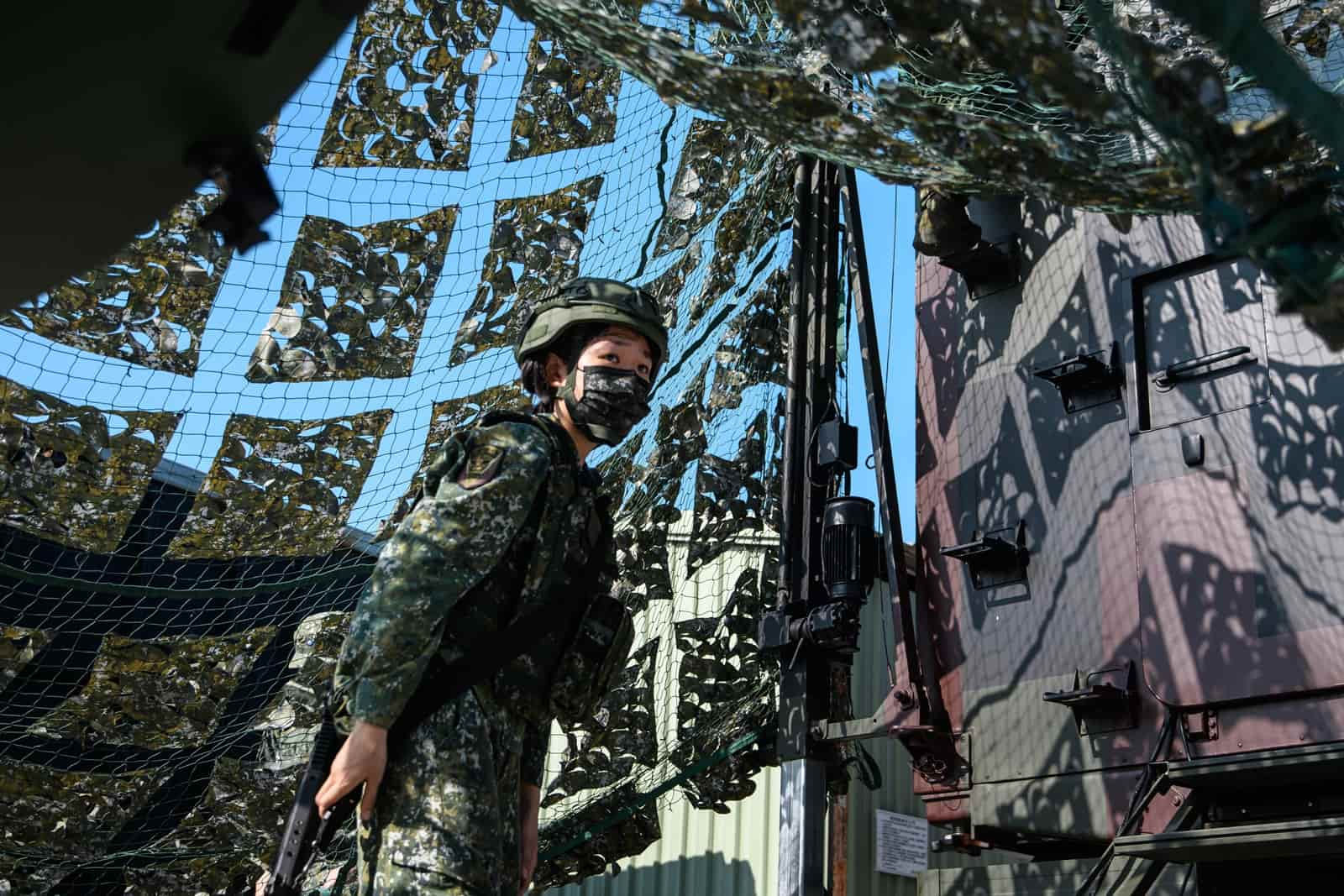 (Source: Pei-Ying Hsieh)
Several non-governmental groups might have begun to mobilize people on their own initiative, but how is sentiment in society-at-large?
“These are pipe dreams,“ charges one electronics industry heavyweight, pointing to many open questions that do not even feature in public discourse. What about the resilience of Taiwan’s basic infrastructure, including the electricity supply, reserves of natural gas and oil, and major military facilities? Should the four-month compulsory military service be lengthened? Is the reservist system up to scratch?
“There is only a chance for peace if we have strength,” says Chang Jung-feng, a former deputy secretary-general of Taiwan’s National Security Council, noting that peace comes at a price.
Wedged between two superpowers, Taiwan still needs to rely on its own strength to carve out its niche for survival.
Have you read
- Maps: China’s 72-hour ‘Taiwan blockade’
- Military expert: Taiwan’s only defense lies in strength
- Pelosi’s Taiwan visit was a US-made crisis
Edited by TC Lin
Translated by Susanne Ganz
Uploaded by Penny Chiang
Views

Subscribe to CWE Newsletter (every Thursday)
Stay abreast of what's happening in Taiwan with our weekly digest.
Keywords: