“We Seek to Honor Our Ancestors. Taiwan’s Formosa Plastics Is Making Sure That Doesn’t Happen.”
Source:Gail LeBœuf,Barbara Washington
Gail LeBoeuf and Barbara Washington expose a Louisiana community’s fight against Formosa Plastics, a Taiwanese company planning to build a toxic petrochemical plant on land that serves as a burial ground for enslaved ancestors. Will we allow heritage and humanity to be sacrificed for industry?
Views
“We Seek to Honor Our Ancestors. Taiwan’s Formosa Plastics Is Making Sure That Doesn’t Happen.”
By Gail LeBœuf, Barbara Washingtonweb only
In October 2024, a new report was published showing that after more than 150 years, the names and identities of five young people buried in an unmarked grave near our homes had finally been discovered. Their names are Simon, Betsy, Rachel, Stanley, and Harry. No stones mark their final resting place, and their graves may soon be desecrated by Taiwan’s own, Formosa Plastics.
Simon, Betsy, Rachel, Stanley, and Harry were all enslaved. None of them knew freedom during their brief time on earth. As children, they were bought and sold as property, used to perform manual labor for which they were never compensated. We are likely their descendants.
At the time, this was a common practice where we are from. In the US state of Louisiana, the enslavement of people of African descent was legal and common from the time this land was under European colonization until the American Civil War. Human beings were traded as commodities and put to work – often in brutal conditions. After their deaths, they were buried unceremoniously on the plantations where they had been enslaved – often in a back corner on the least productive scrap of land.
Today, that land is held by Formosa Plastics, a Taiwanese company that wants to build the largest, most toxic petrochemical plant in North America. Company executives chose this location because unlike the Taiwanese government, our government will allow them to build a plant with dangerously high emissions.
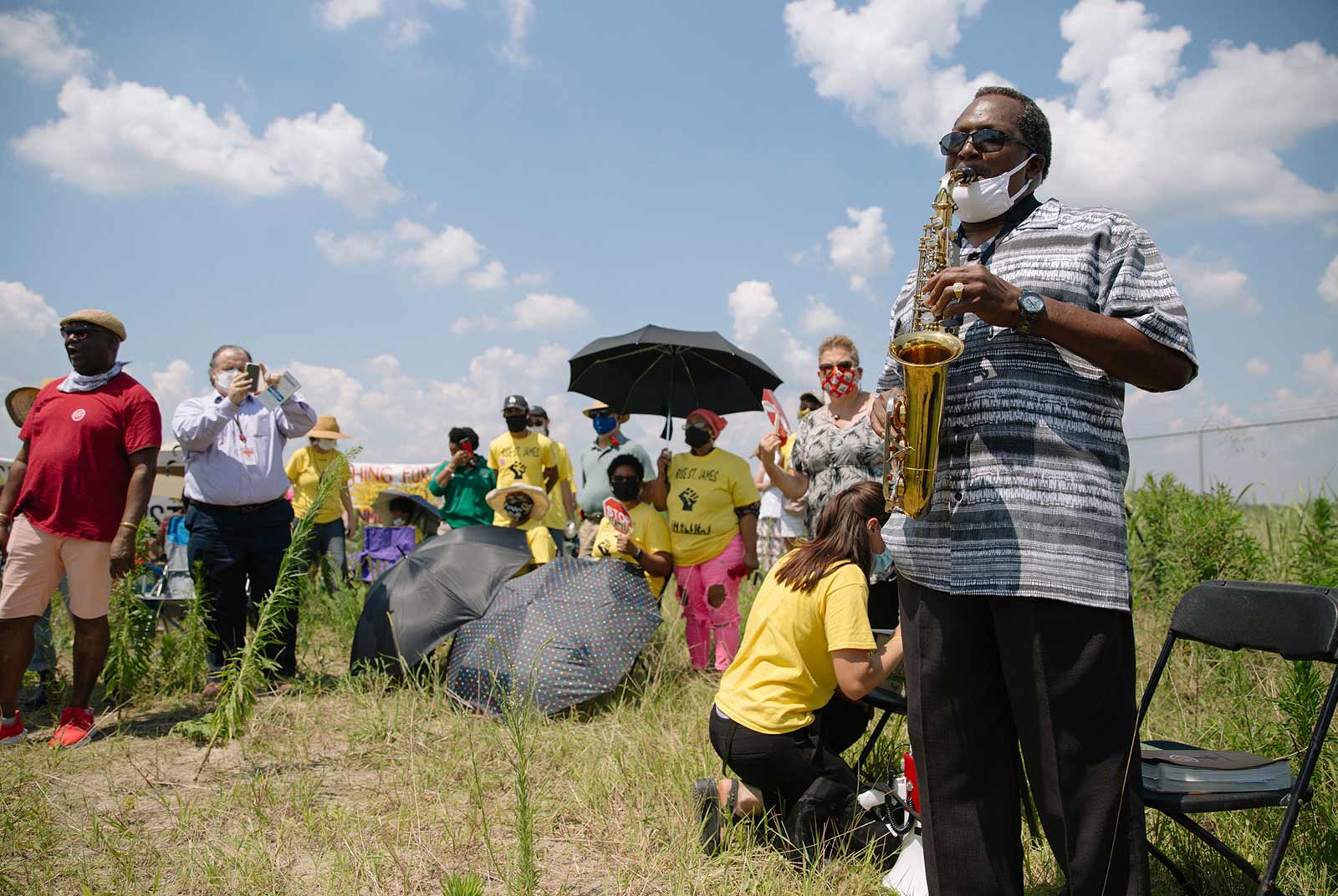
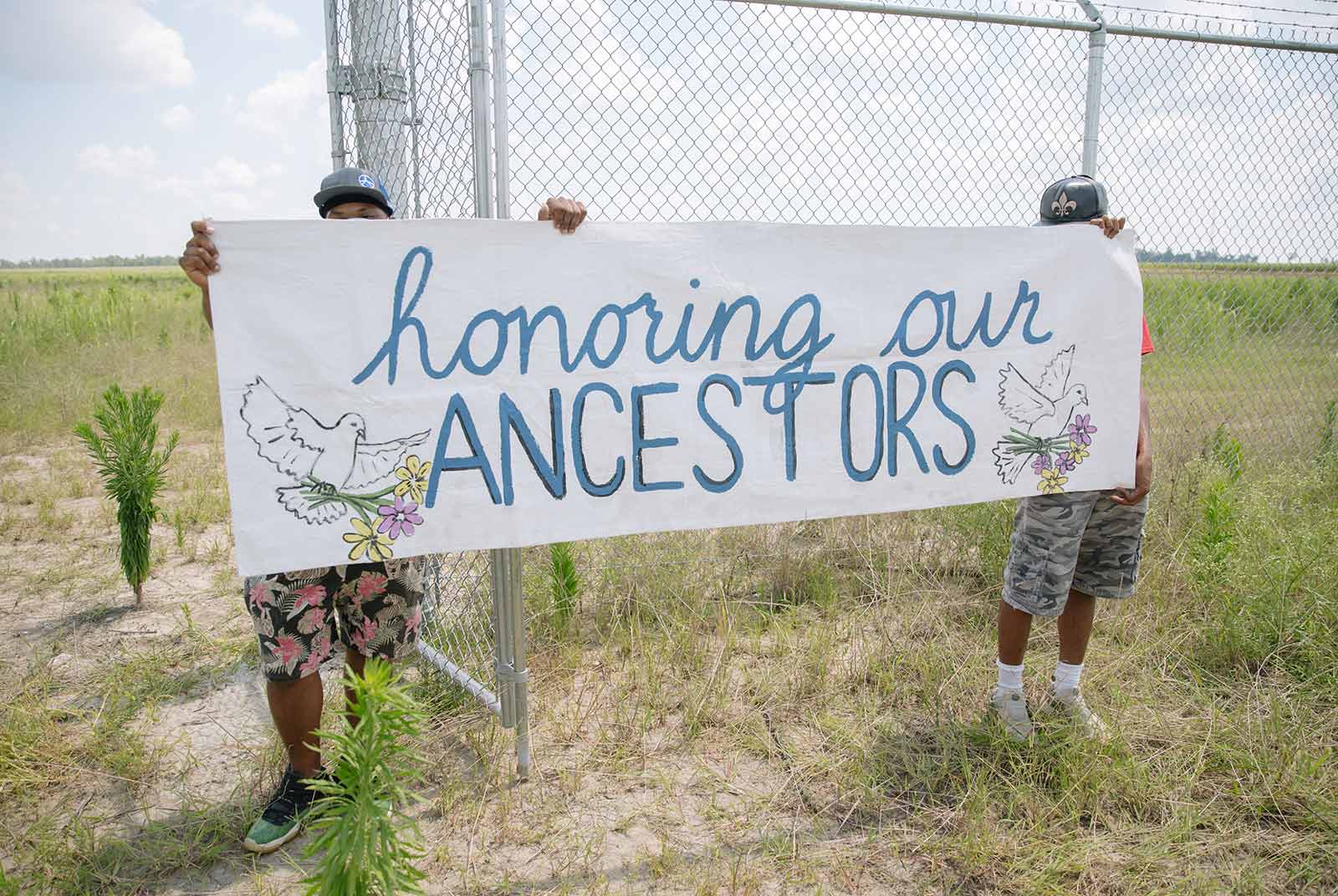
Unfortunately, the location they selected is a burial site where enslaved people are laid to rest, and rather than annexing the land back to us, so it can be properly dedicated and protected, Formosa executives instead seem content to pretend like our ancestors never existed, and to destroy our cultural heritage in the process.
Formosa’s disrespect for our ancestors and for our community runs deep. The plant they are working on building in our community is something that is so polluting, so toxic to the surrounding area, that it could not be built in Taiwan. Instead, they want to bring that toxicity and those carcinogens to our community. If they choose to proceed, the polluting plastic plant would be next to a school for small children, a church, and a Freetown.
For those not familiar, a Freetown is a place where formerly enslaved people settled after the American Civil War. Our ancestors were among those to found one of these communities just across the river in the 1870s, creating schools, churches, businesses, and an entire local economy for newly freed Black Americans. Now, not only would Formosa Plastics desecrate the final resting place of the dead, but dishonor the legacy of our ancestors who founded this historic place.
This disrespect of our home, our history, and our ancestors did not begin this year. Over the last several years, the company drew public scrutiny for its proposed facility, which would double the amount of toxic emissions inflicted on our community. In 2021, the U.S. Army Corps of Engineers took the rare step of halting Formosa Plastics’ plans for the site pending a full environmental impact statement. That process could take years to complete. Even before that, a Judge delayed Formosa’s permit, citing the disproportionate harm it would inflict on the people who live here.
Now, Formosa plans to move forward with construction against the wishes of the community. While the company’s representatives have indicated they would allow several of us to visit the site, it requires lengthy back and forth between lawyers. Our ancestors needed permission to leave the plantation. Formosa is now forcing us to ask permission to visit our own ancestors.
(This piece reflects the author's opinion, and does not represent the opinion of CommonWealth Magazine.)
About the author:
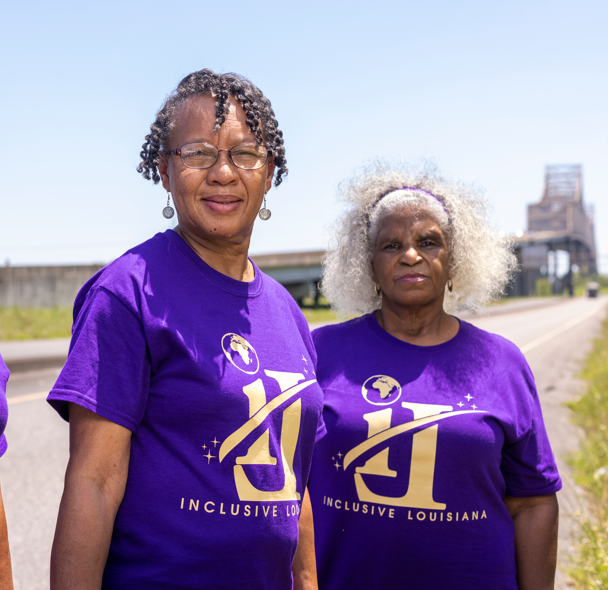
Gail LeBoeuf and Barbara Washington are Co-Founders and Co-Executive Directors of Inclusive Louisiana, a non-profit organization dedicated to protecting the residents of St. James Parish, Louisiana and neighboring parishes from environmental harm caused by industrial pollution.
Views

Subscribe to CWE Newsletter (every Thursday)
Stay abreast of what's happening in Taiwan with our weekly digest.
Keywords: