The ANC Picked China Over Taiwan—and Now Faces the Consequences
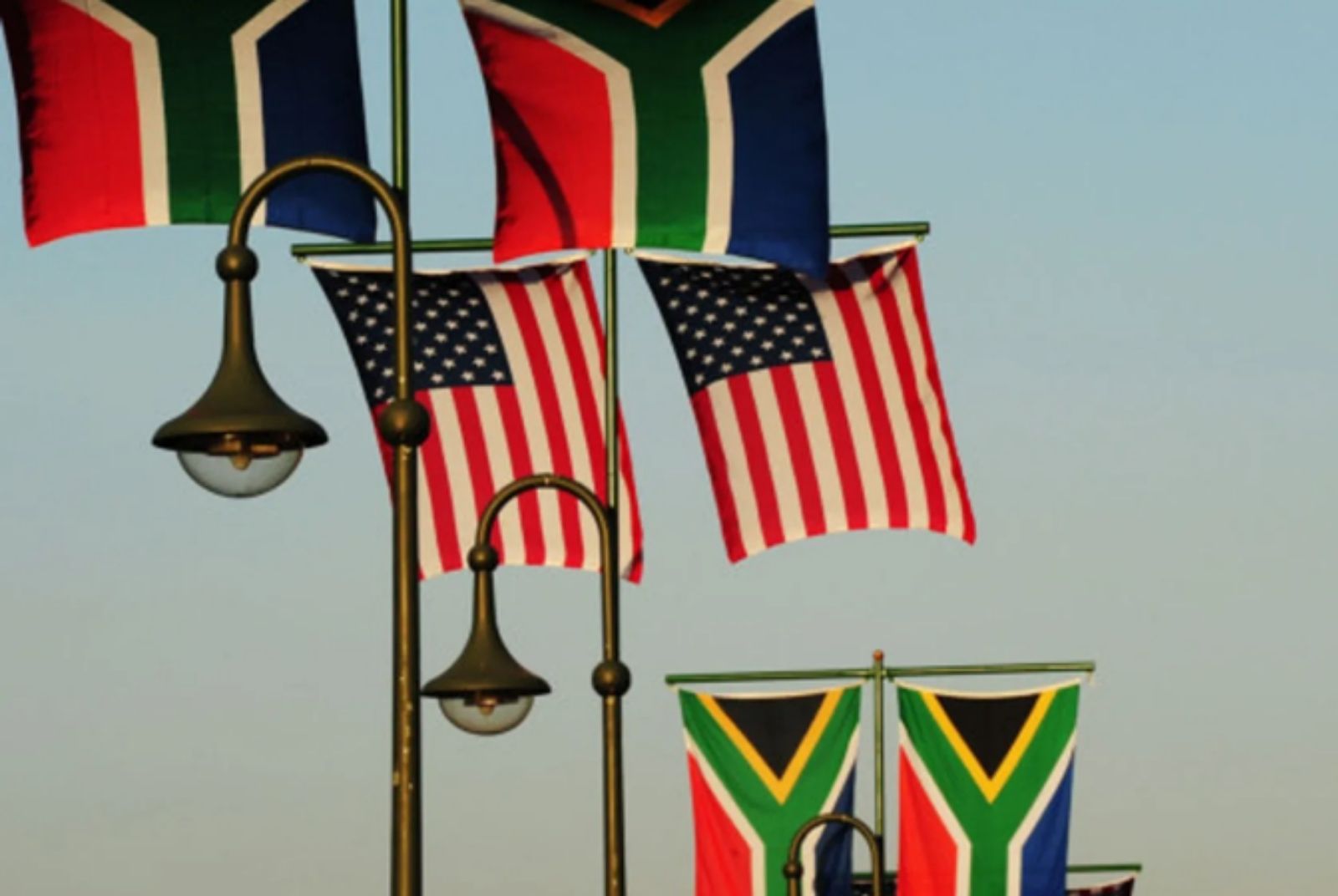
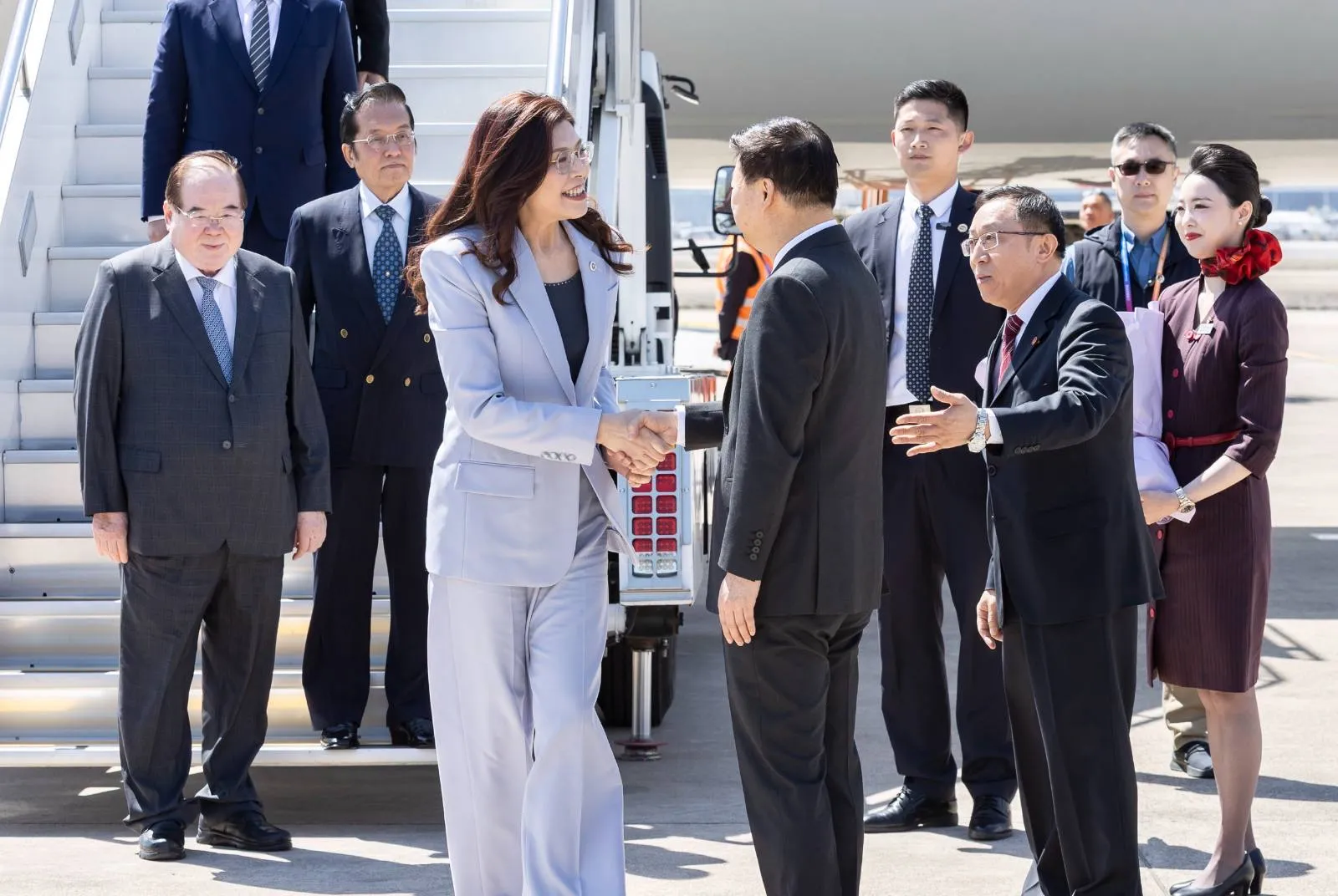
Source:GCIS South Africa
Following South Africa’s demand that Taiwan relocate its unofficial embassy out of the country’s capital, the United States Congress has introduced the US-South Africa Bilateral Relations Review Act of 2025, which would impose sanctions on South African officials. What signal is this move sending to South Africa, and what does this indicate about U.S. support for Taiwan?
Views
The ANC Picked China Over Taiwan—and Now Faces the Consequences
By Jun Kajeeweb only
Amid escalating tensions over South Africa’s demand that Taiwan relocate its unofficial embassy out of the country’s capital, the United States Congress has introduced the US-South Africa Bilateral Relations Review Act of 2025—a precursor to direct sanctions against South African government officials. Spearheaded by Congressman Ronny Jackson and co-sponsored by Congressman John James, this legislation aims to address concerns over South Africa’s alignment with adversarial nations including China, Russia and Iran.
The African National Congress (ANC), also known as the party of Nelson Mandela, has suffered a series of international diplomatic setbacks including the recent expulsion of their ambassador to the US following his tone-deaf remarks on the Trump administration. The ANC’s diplomatic isolation deepened further as Jackson’s bill explicitly identified South Africa’s unilateral renaming and forced relocation of Taiwan’s representative office as violating bilateral parity, framing these actions as part of Beijing’s efforts to erode Taiwan’s international space—hence threatening US strategic interests in the Indo-Pacific.
If enacted, the legislation would mandate a comprehensive review of bilateral relations within 120 days, requiring President Trump to submit a detailed report to Congress. It would identify leaders eligible for sanctions under the Global Magnitsky Act, which targets individuals involved in corruption or gross human rights violations. Sanctions could include asset freezes, visa revocations, entry bans, and restrictions on financial transactions with American entities. These sanctions would target individuals rather than the South African state, ensuring a focused approach to addressing perceived misconduct.
The ANC should heed the grim precedents set by previous US-targeted regimes: Saddam Hussein’s capture in a hole near Tikrit and subsequent execution after a politicized trial, and Muammar Gaddafi’s NATO-backed overthrow, humiliation at the hands of rebels, and alleged covert assassination by foreign agents. Sanctions often serve as a precursor to destabilization. Past events show how punitive measures can rapidly escalate into regime collapse—a fate unlikely but not unthinkable if geopolitical tensions deepen.
Taiwan’s allies have shown that they will not stand idly by as Beijing weaponizes diplomatic coercion through proxies like the ANC. History underscores the US’s unique leverage: its 1980s sanctions program, which Nelson Mandela explicitly credited for isolating the Apartheid regime, demonstrated how American pressure could dismantle entrenched systems of oppression that many thought would endure for generations to come. Just as sanctions dismantled Apartheid, these very same measures could spell the end of the ANC.
(This piece reflects the author's opinion, and does not represent the opinion of CommonWealth Magazine.)
(CommonWealth Magazine welcomes op-ed submissions. Please send your article proposals to [email protected])
About the author:

Jun Kajee is a lecturer and adjunct faculty member at Southern Utah University (SUU) affiliated to its concurrent enrollment program addressing the Internationalization of Higher Education. He has contributed to the academic field through various publications focused on international affairs and international program development. His research has received funding from the European Commission, the Central European Institute of Asian Studies, the Erasmus Mundus Association, Salzburg Global, the United States Bureau of Educational and Cultural Affairs, and the United Nations Sustainable Development Solutions Network (UN SDSN).
- South Africa's Coalition Government Divided Over Deepening Ties with China
- Why the World Will Not Have a Second TSMC
- Taiwan’s Deportation of Yaya Underscores the Meaning of National Interest
Uploaded by Fiona Lin
Views

Subscribe to CWE Newsletter (every Thursday)
Stay abreast of what's happening in Taiwan with our weekly digest.
Keywords: