Honoring the Past, Fighting for the Future: Taiwan’s Quiet Strength
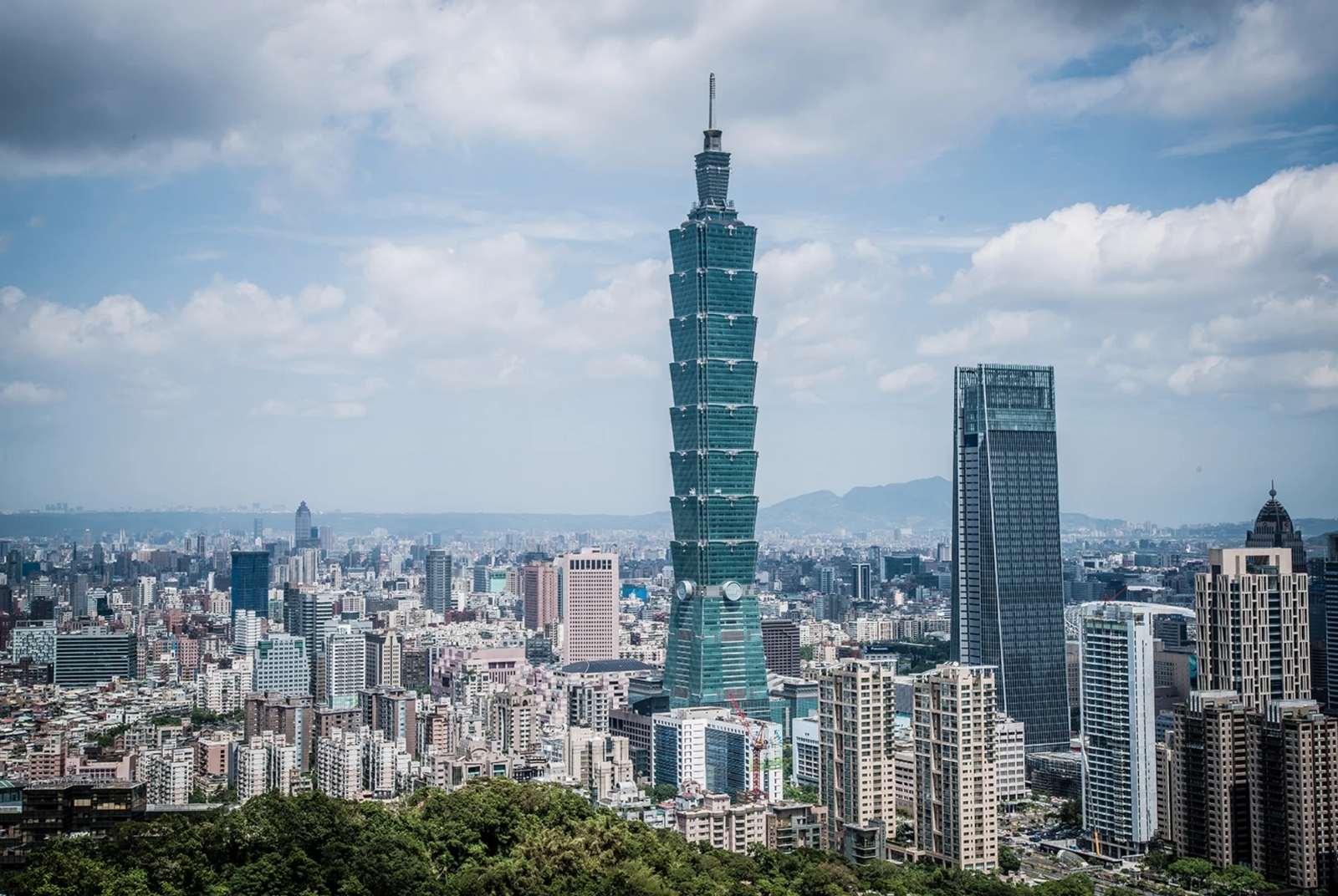
Source:Getty Images
With Taiwan facing an increasingly uncertain diplomatic environment and continued threats by China, it is tantamount for the country and its people to remain strong. In this op-ed, the author examines how Taiwan's historic approach to development amid challenges has shaped its resilient character.
Views
Honoring the Past, Fighting for the Future: Taiwan’s Quiet Strength
By Meng Kit Tangweb only
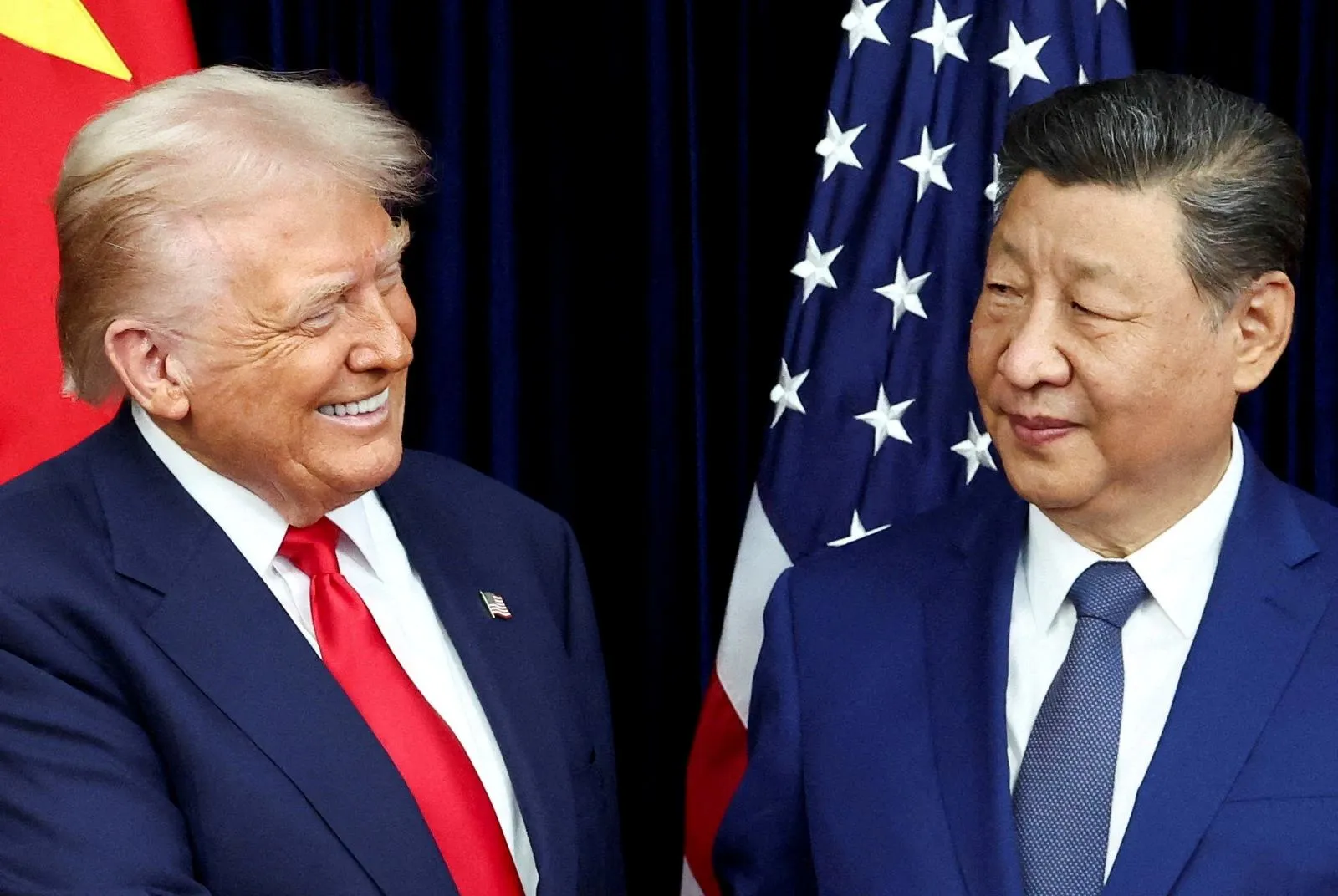
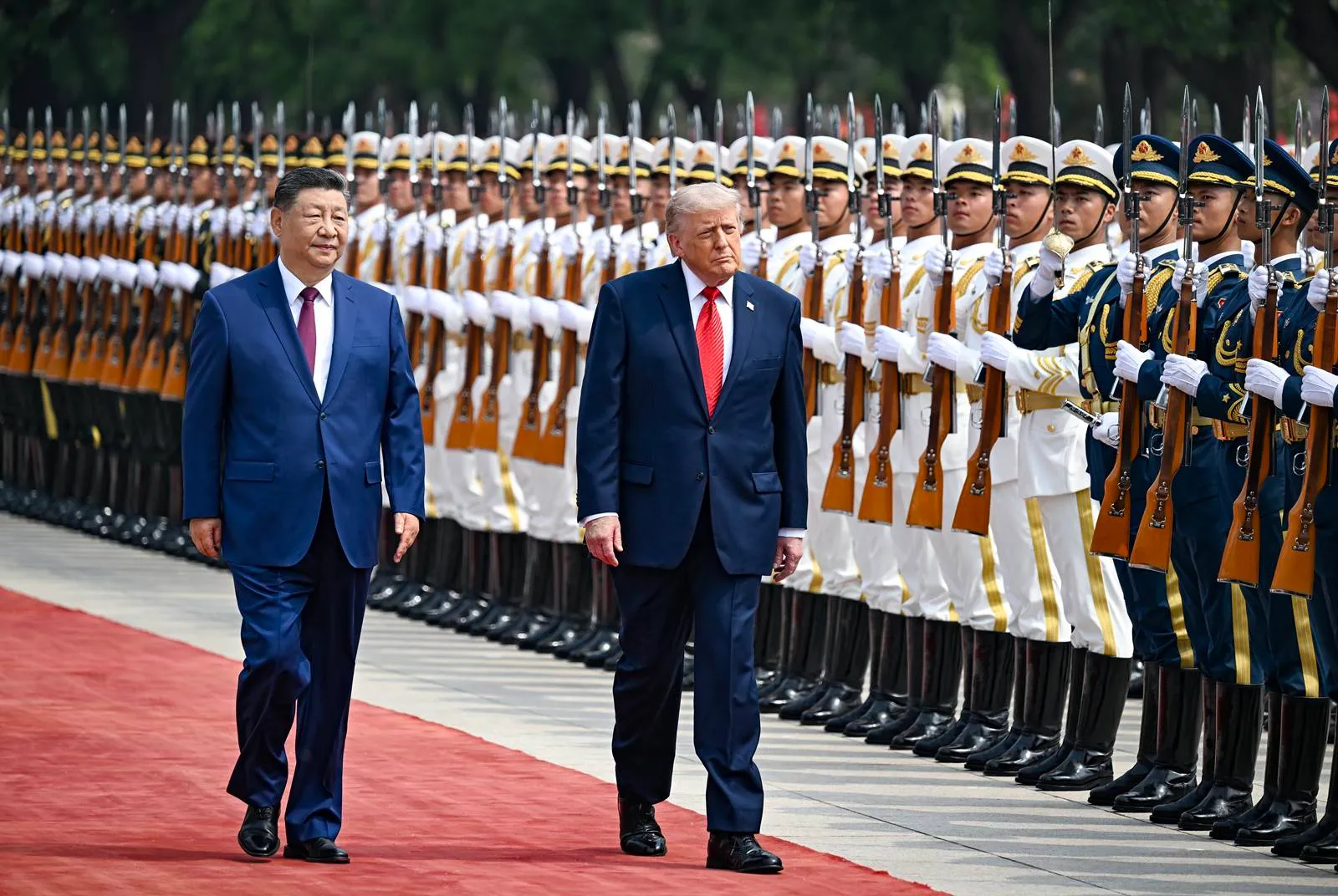
In 2025, Taiwan stands at a crossroads. Military coercion from China continues to test its defences. Diplomatic space has narrowed, with only a few formal allies remaining. The much-discussed security umbrella of the United States feels increasingly uncertain, shadowed by trade tensions and transactional diplomacy. At home, economic anxieties and political fragmentation weigh heavily, with movements like the Great Recall reflecting both discontent and civic awakening.
Yet this is not a nation easily shaken. The current moment, though fraught, calls back to earlier chapters in Taiwan’s journey - times when resolve, ingenuity and grounded leadership turned daunting circumstances into engines of progress.
Foundations of a Transformation
Postwar Taiwan did not inherit easy conditions. Its rural population struggled with poverty, its infrastructure lagged and it faced global isolation long before it became a talking point. And yet, within a generation, Taiwan emerged as one of Asia’s most remarkable development stories.
Key to that transformation were far-reaching land reforms under Chiang Kai-shek, which redistributed land from absentee landlords to tenant farmers. The effects rippled across the countryside, improving livelihoods and creating a rural base of prosperity. That stability became the groundwork for industrial growth.
During the 1970s and 1980s, under Chiang Ching-kuo, the government launched the Ten Major Construction Projects - a sweeping initiative that modernized Taiwan’s infrastructure. Highways, railways, nuclear power plants and ports were not just concrete and steel. They were strategic investments in national coherence and self-reliance.
From 1952 to 1982, Taiwan’s GDP grew at an average rate of 8.7 percent. It transitioned from a labour-intensive economy to a global hub for high-tech manufacturing. What unfolded was not accidental. It was earned, through planning, hard choices, and social consensus.
From Textile Mills to Tech Giants
By the 1980s, Taiwan had made its mark in global trade. But its leaders and entrepreneurs did not stop there. The creation of the Hsinchu Science Park in 1980 signalled a pivot toward the future. Semiconductors, not shoes, would shape Taiwan’s destiny.
That pivot has paid off. Today, Taiwan Semiconductor Manufacturing Company (TSMC) is indispensable to the global digital economy. Its rise did not come easily - it required precision, sustained investment and a culture of relentless problem-solving.
Foxconn (Hon Hai Technology Group), known globally for assembling Apple’s iPhones, has evolved into a diversified multinational with stakes in electric vehicles, AI and industrial automation. ASUS and Acer compete on the global stage with cutting-edge hardware and eco-friendly solutions. Companies like Advantech, AUO and BenQ Qisda continue to push the boundaries of industrial IoT, healthcare ICT and display innovation.
These enterprises did not flourish by accident. They reflect an ethos shaped over decades - focused on execution, adaptation and quiet confidence in the face of pressure.
Social Fabric and Inclusive Growth
Taiwan’s development was not just economic. In parallel, the island advanced in education, healthcare and quality of life. The introduction of nine-year compulsory education expanded opportunity, creating a skilled and literate workforce ready to meet the challenges of a changing economy.
Healthcare reforms brought access and security to the population. And while industrialization initially favored urban areas, major investments in rail and road eventually knit the country together, connecting rural communities to new markets and opportunities.
Despite uneven benefits early on, the longer arc of Taiwan’s growth showed a commitment to equity and inclusion - a recognition that social progress and economic vitality are inseparable.
The Leadership that Moved a Nation
Leadership in Taiwan’s critical decades was neither flashy nor ideological. It was methodical and results-driven. Chiang Ching-kuo’s governance offers a window into that mindset. He prioritized national projects over international recognition, emphasizing self-strengthening over external validation.
He governed with a focus on accountability, often appearing personally at sites of development or crisis. In doing so, he projected trust, not through charisma, but through presence and execution.
That model remains instructive today. In an era of political polarization, where populism tempts and trust in institutions erodes, the idea of leadership grounded in responsibility and long-term vision is quietly radical.
Present Challenges, Enduring Character
Taiwan's current challenges are different in form but familiar in essence. The threats are not only from across the Strait. They include global economic volatility, technological decoupling, energy insecurity and internal political fatigue.
Yet if past performance is any guide, Taiwan has never responded to pressure by retreating. It retools. It finds consensus where others fragment. It turns scarcity into innovation.
The civic energy seen in recent years, from student-led movements to local governance experiments, points to a society still deeply invested in shaping its own path. Even contentious moments, like the Great Recall Movement, speak to a public that refuses to disengage.
This sense of collective stakeholding, sometimes noisy, often complex, is part of what makes Taiwan resilient. It is not passivity but participation that defines the national character.
Looking Ahead
For leaders, the task is to embrace this moment with the same clarity and conviction seen in earlier eras. That means investing in strategic sectors like energy independence and biotech. It means tackling housing inequality, generational divides and education reform not as slogans, but as shared imperatives. And it means reaching beyond party lines to build coalitions that can act with courage, not just caution.
For citizens, it means refusing to be spectators. Taiwan’s achievements have always come from a high level of civic engagement, through protest, voting, volunteering and dialogue. The road ahead will demand more of the same, especially as Taiwan navigates a world where alliances are fragile and norms are shifting.
Taiwan does not need to mimic its past, but it can draw from it. The same resourcefulness that built highways and chip foundries can meet today’s tests.
A Legacy Still in Motion
What Taiwan has built over the past seven decades is extraordinary. A once-impoverished island became a powerhouse of technology, education, and democratic practice. Its companies shape the world economy. Its people have shaped their own destiny.
This is not the work of one era or one leader. It is the accumulation of choices made in moments like the present, when the path ahead was uncertain, but the will to walk it never faltered.
The legacy continues, not as nostalgia, but as a quiet current beneath Taiwan’s ongoing efforts to remain strong, open, and self-determined in a world that increasingly demands all three.
(This piece reflects the author's opinion, and does not represent the opinion of CommonWealth Magazine.)
CommonWealth Magazine welcomes op-ed submissions. Please send your article proposals to [email protected]
About the author:
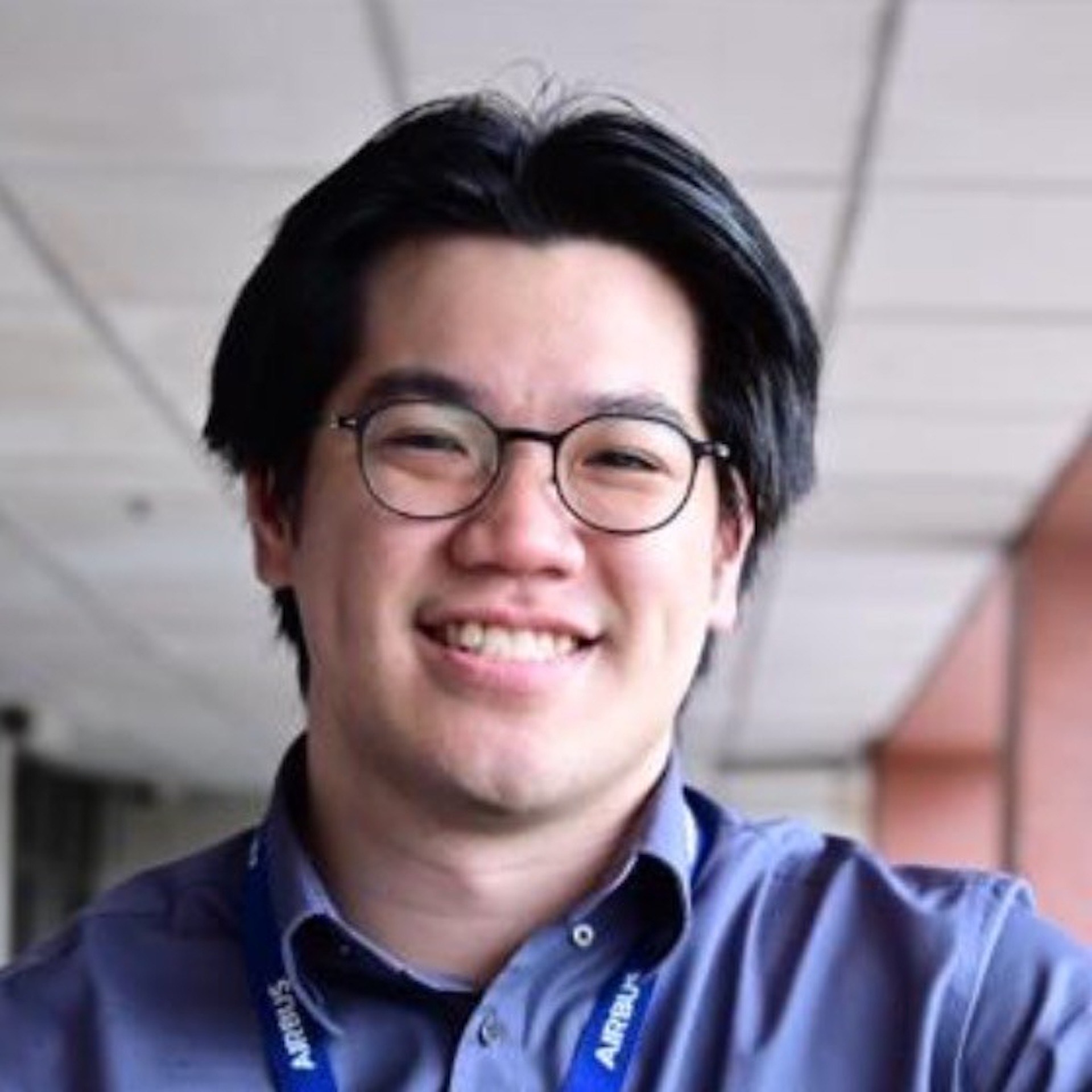
Tang Meng Kit is a Singaporean and works as an aerospace engineer. He graduated from the S. Rajaratnam School of International Studies (RSIS), Nanyang Technological University (NTU), Singapore. His research interests include cross-Straits relations, Taiwan politics, policy issues and aerospace technology.
Have you read?
- Taiwan's Freedom Is Not a Fixation
- [Exclusive] Will the U.S. Fight for Taiwan? Stephen Wertheim Says There’s Another Way
- Why the World Will Not Have a Second TSMC
Uploaded by Fiona Lin
Views

Subscribe to CWE Newsletter (every Thursday)
Stay abreast of what's happening in Taiwan with our weekly digest.
Keywords: