The Gap Between Capability and Clarity
Source:Joshua Roberts
Taiwan’s OEM manufacturers remain technically strong, built on decades of engineering discipline, yet many are struggling with slower growth as buyers now evaluate suppliers through digital-first impressions rather than long relationship cycles. The challenge is no longer capability, but clarity: if excellence isn’t immediately visible, it risks being overlooked. In a market that filters before it engages, can engineering strength alone still compete?
Views
The Gap Between Capability and Clarity
By Joshua Robertsweb only
If you’ve spent any time inside a Taiwanese OEM company, you know the feeling.
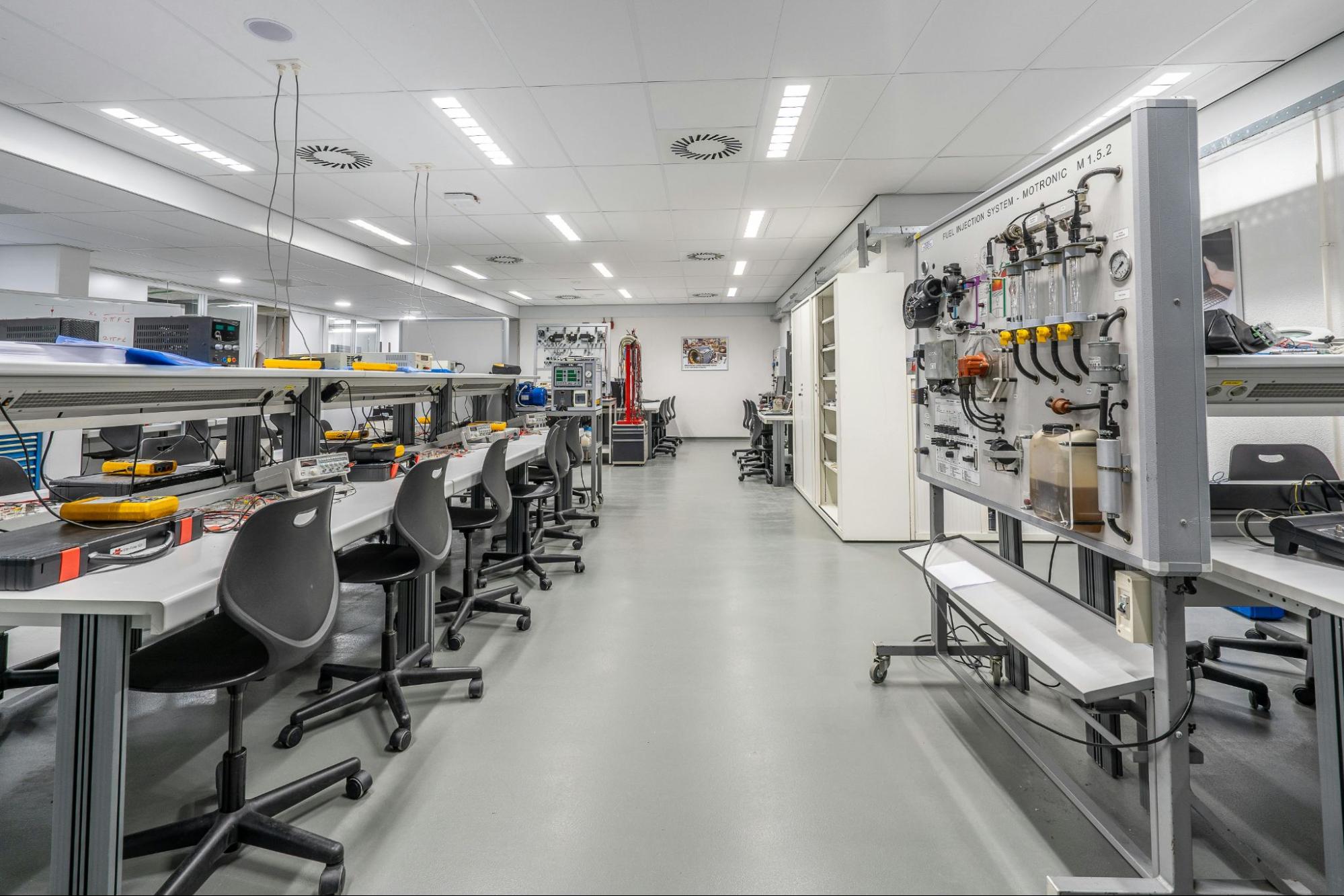 Workshop Room Interior. (Photo: Mike van Schoonderwalt from Pexels)
The factory floor is organized. Machines are well maintained. Engineers speak in details most buyers will never fully appreciate. There is history in those walls, decades of iteration, long-term staff who have seen entire product categories rise and fall.
The capability is real.
In recent years, though, I’ve noticed a pattern in early project conversations. It doesn’t sound dramatic. No one declares a crisis. It usually surfaces more subtly.
Revenue is flat. Growth has slowed. Most income still comes from long-standing customers, but acquiring new ones feels harder than it used to.
The discussion naturally turns to pricing, China, Southeast Asia, labor shortages, tariffs, the global economy. All of those pressures are legitimate. Taiwan is no longer the low-cost manufacturing powerhouse it once was. Production has shifted. Margins are tighter. Buyers have more choices.
But underneath those explanations, there’s something else happening.
The work has not declined.
The market has changed how it evaluates.
Built for a Different Era
Taiwan’s OEM model was built in a time when trust accumulated slowly.
Relationships formed at trade shows, over factory visits, and across long sales cycles. Buyers expected to invest time to understand a supplier’s strengths. Technical depth carried weight, even if the story around it was minimal.
That system worked well for decades.
But today, evaluation often begins before the first call. Buyers may shortlist suppliers after a few online searches and internal discussions. If positioning is unclear, a company might never make it into the serious conversation.
I worked with a 30-year-old Taiwanese electronics manufacturer that invested heavily in a major European trade show. They built a large booth, flew in senior engineers, and showcased several new product lines. After the show, they were surprised to find that inbound leads were lower than expected, and many visitors were still unclear about what the company actually specialized in.
By the time they stepped into the hall, their filtering had already begun.
A system optimized for depth now competes in a market optimized for clarity.
The Middle Squeeze
Many Taiwanese manufacturers now find themselves in the middle.
On one side are lower-cost competitors offering “good enough” at aggressive prices. On the other are global players investing heavily in positioning, messaging, and digital presence.
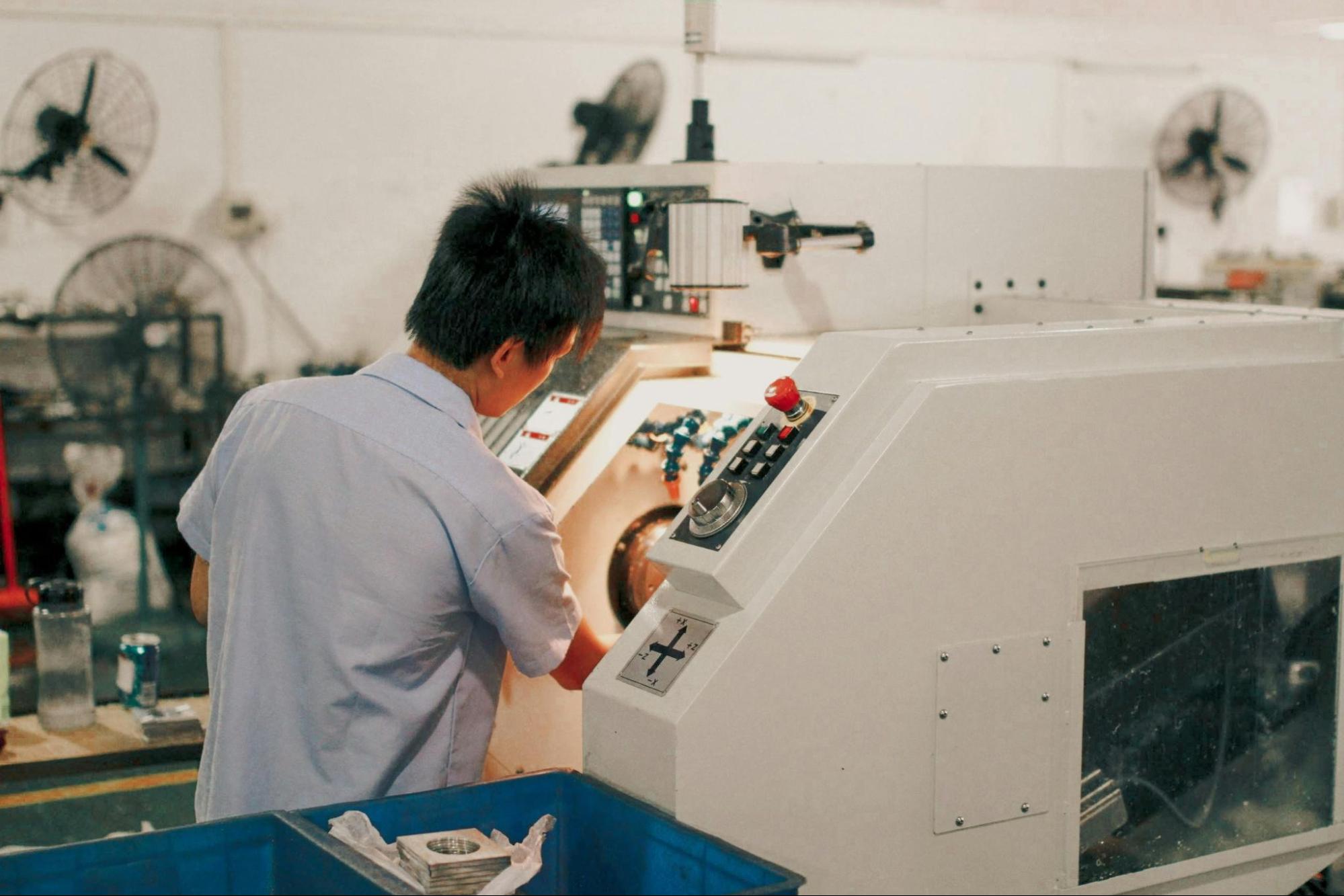 A Man Operating Industrial Machinery. (Photo: Mehmet Turgut Kirkgoz from Pexels)
I’ve sat with engineers and product managers who can explain in detail why their product is better. They talk about tolerances, durability tests, process improvements, subtle design refinements. I believe them. The pride is earned.
But when those strengths are reduced to a few lines on a website or buried inside a dense PDF, the difference becomes harder to see. From a buyer’s perspective, five suppliers open in five browser tabs can look remarkably similar.
When distinctions aren’t clear, price becomes the easiest comparison tool.
The pressure isn’t coming from weak capability.
It’s coming from indistinct perception.
Capability Without Clarity
I remember walking through a manufacturing facility for the first time and being genuinely impressed. Spools of copper wire stacked neatly across the floor. Dedicated testing rooms. Teams working methodically through quality checks. You could feel the discipline in the environment.
Later, when I opened the company’s website with an overseas partner, that depth was almost invisible. The structure, the precision, the pride in process, none of it translated clearly to someone who hadn’t stood on that floor.
That disconnect matters.
In global B2B, the website, the deck, and the positioning statement often function as the first layer of due diligence. If the external story doesn’t reflect the internal strength, the company risks being underestimated before a real conversation even begins.
That gap is not about marketing style.
It is about risk perception.
Buyers are selecting long-term partners in an unstable world. Clarity lowers uncertainty.
A Generational Shift
Many of the leaders I meet today are second-generation owners stepping into businesses built by their parents.
It’s a complicated position. The company is still healthy, but growth has slowed. The team has deep experience, yet the market feels faster and more exposed. You inherit something strong and are expected to take it somewhere new.
The most thoughtful among them are not modernizing for aesthetics. They are modernizing to reduce uncertainty.
They understand that a website, brochure, or positioning statement is often the first filter a buyer applies. These are not decorative assets. They are signals of focus, expertise, and maturity.
Some of the more meaningful shifts I’ve seen weren’t cosmetic. They involved narrowing focus. Clarifying what the company truly excels at. Letting go of the instinct to list every capability in the hope that something will resonate.
In several cases, that kind of clarity changed the tone of inbound conversations. Not necessarily more volume, but better alignment. More serious buyers. Shorter explanations at the start of a call.
That’s not reinvention.
It’s risk reduction.
Translation, Not Reinvention
Taiwan’s OEM sector is not broken. The technical foundation is strong. The discipline, process thinking, and engineering culture remain impressive.
What has changed is the context in which that strength is judged.
Brand, in this environment, is not about noise or hype. It is about making competence easier to understand. It is about helping the right buyers recognize fit more quickly. It is about reducing friction before a contract is even discussed.
There is still opportunity for companies willing to evolve. I see it in the questions leaders are asking. I see it in the willingness to refine positioning and sharpen communication. That shift in mindset alone is encouraging.
The capability has been there for decades.
Now it has to be seen.
(This piece reflects the author's opinion, and does not represent the opinion of CommonWealth Magazine.)
CommonWealth Magazine welcomes op-ed submissions. Please send your article proposals to [email protected]
About the Author:

Joshua Roberts is the Founder of Level Interactive™, a Taipei-based brand strategy and design consultancy. A former global creative director at Acer, he has lived in Taiwan for over 20 years, helping local enterprises bridge the gap between engineering excellence and global brand equity. He can be contacted at: [email protected].
- What Hiring Reveals About a Company’s Brand
- What Taiwan’s Convenience Stores Teach Us About Building Things That Work
- Why High CP Value Is the Most Dangerous Trap for Taiwan Brands
Uploaded by Ian Huang
Views

Subscribe to CWE Newsletter (every Thursday)
Stay abreast of what's happening in Taiwan with our weekly digest.
Keywords: