Watching the Dragon: How Taiwan Decodes China's Internal Fragility
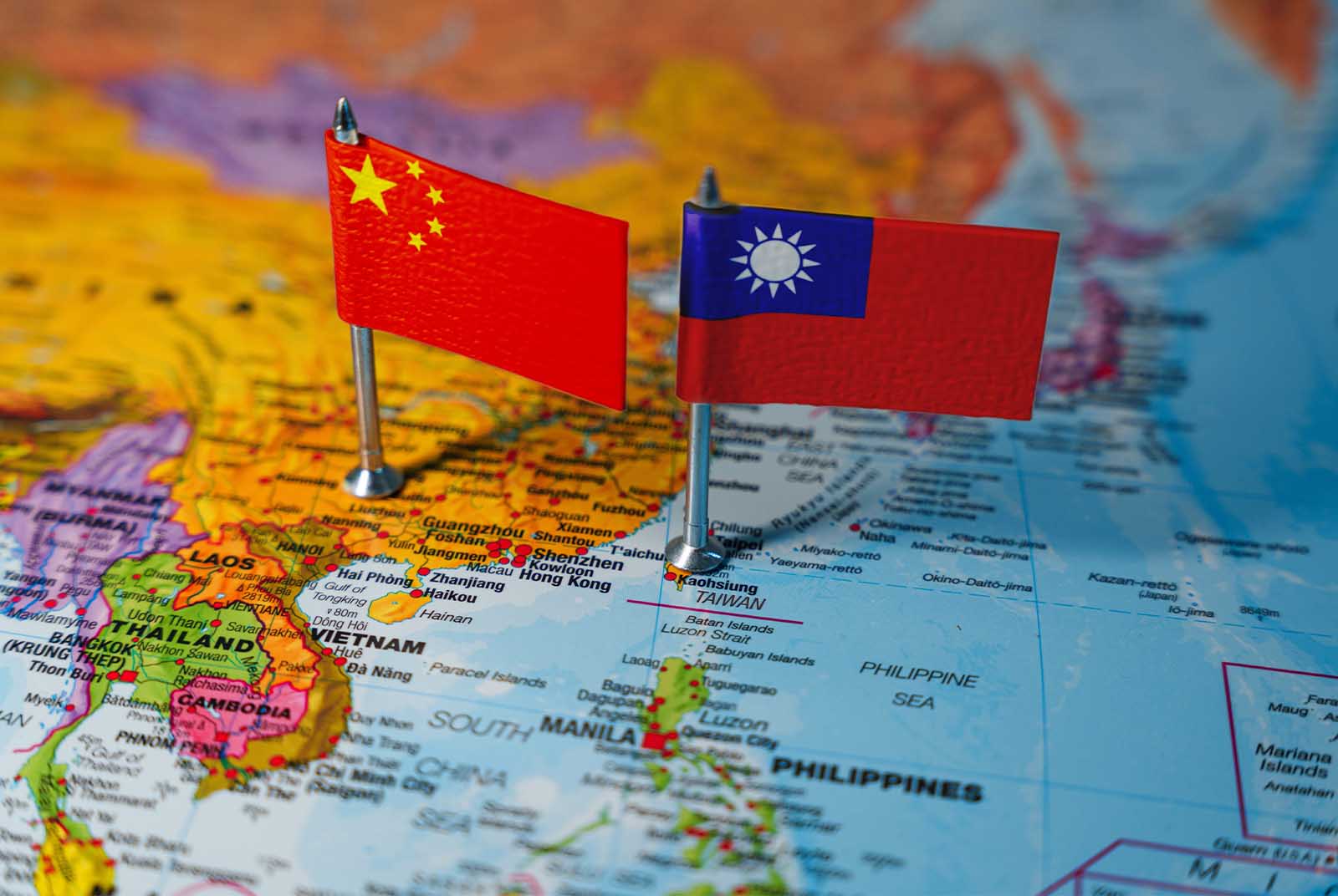
Source:Shutterstock
As China grows increasingly opaque, Taiwan cannot afford to look away. We take a deep dive into the 2025 China Monitoring Report by the Thinking Taiwan Foundation—tracking 50 indicators across economy, finance, fiscal policy, society, and politics, and revealing a dual-speed reality and rising systemic social unrest.
Views
Watching the Dragon: How Taiwan Decodes China's Internal Fragility
By CommonWealth Magazineweb only
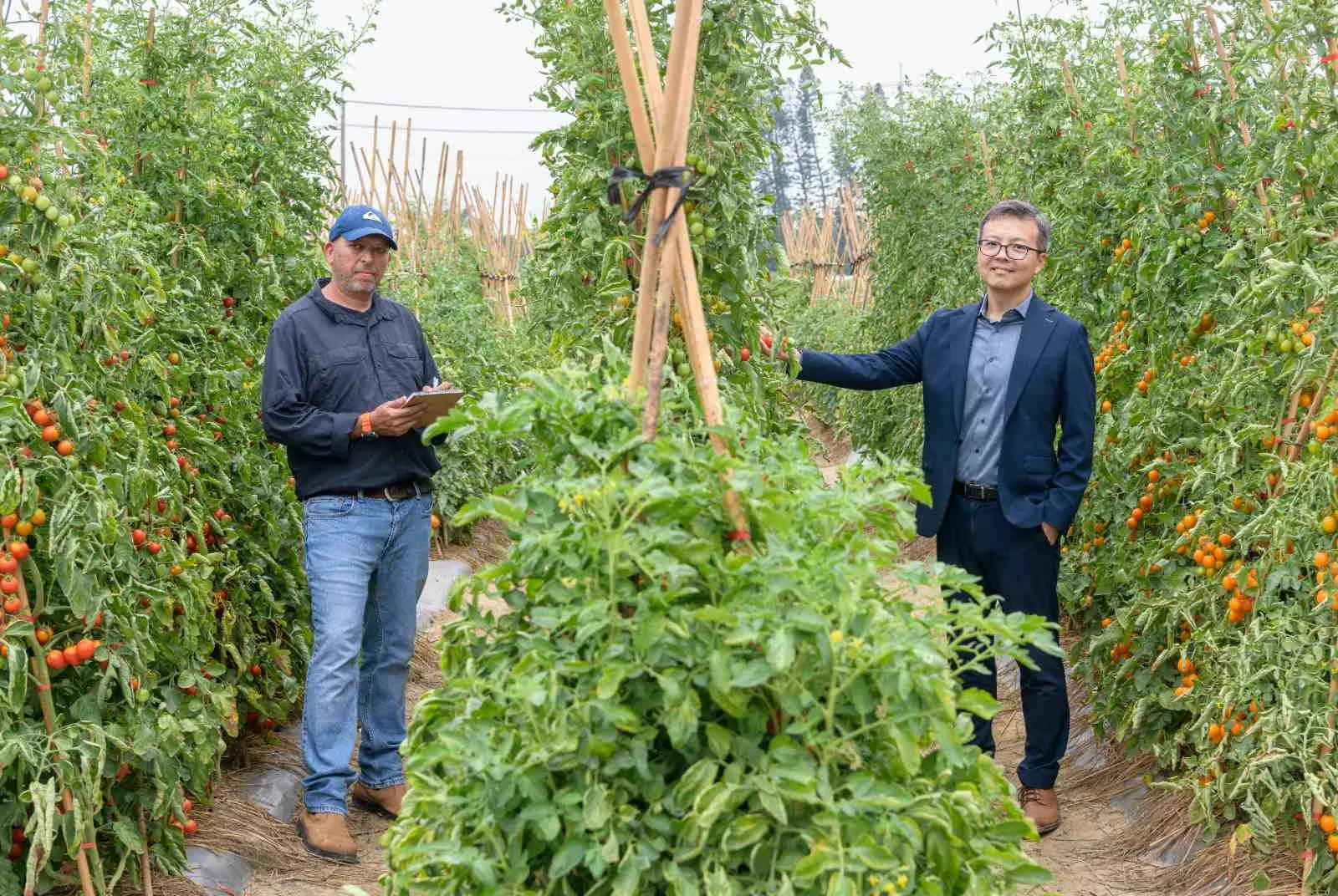
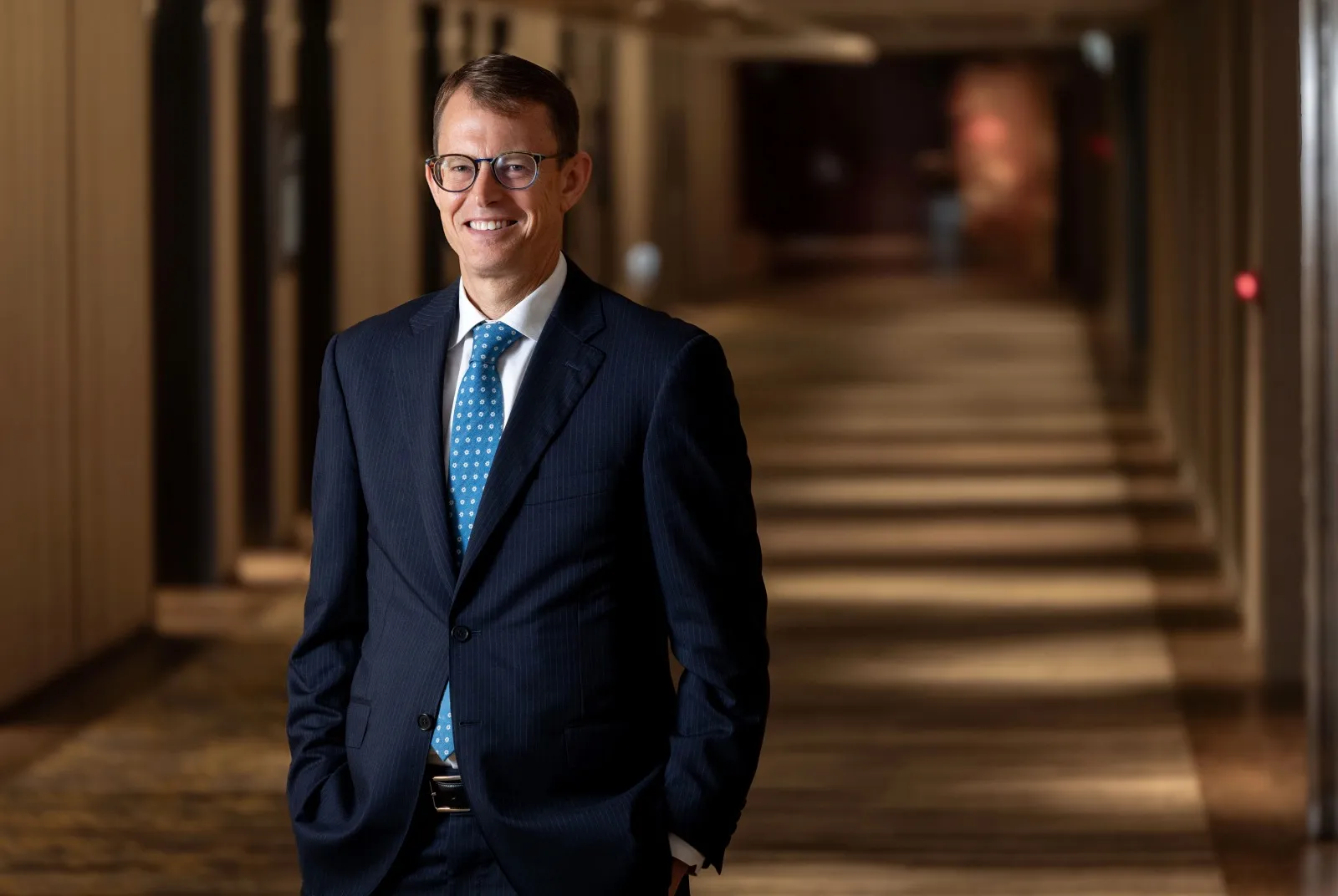
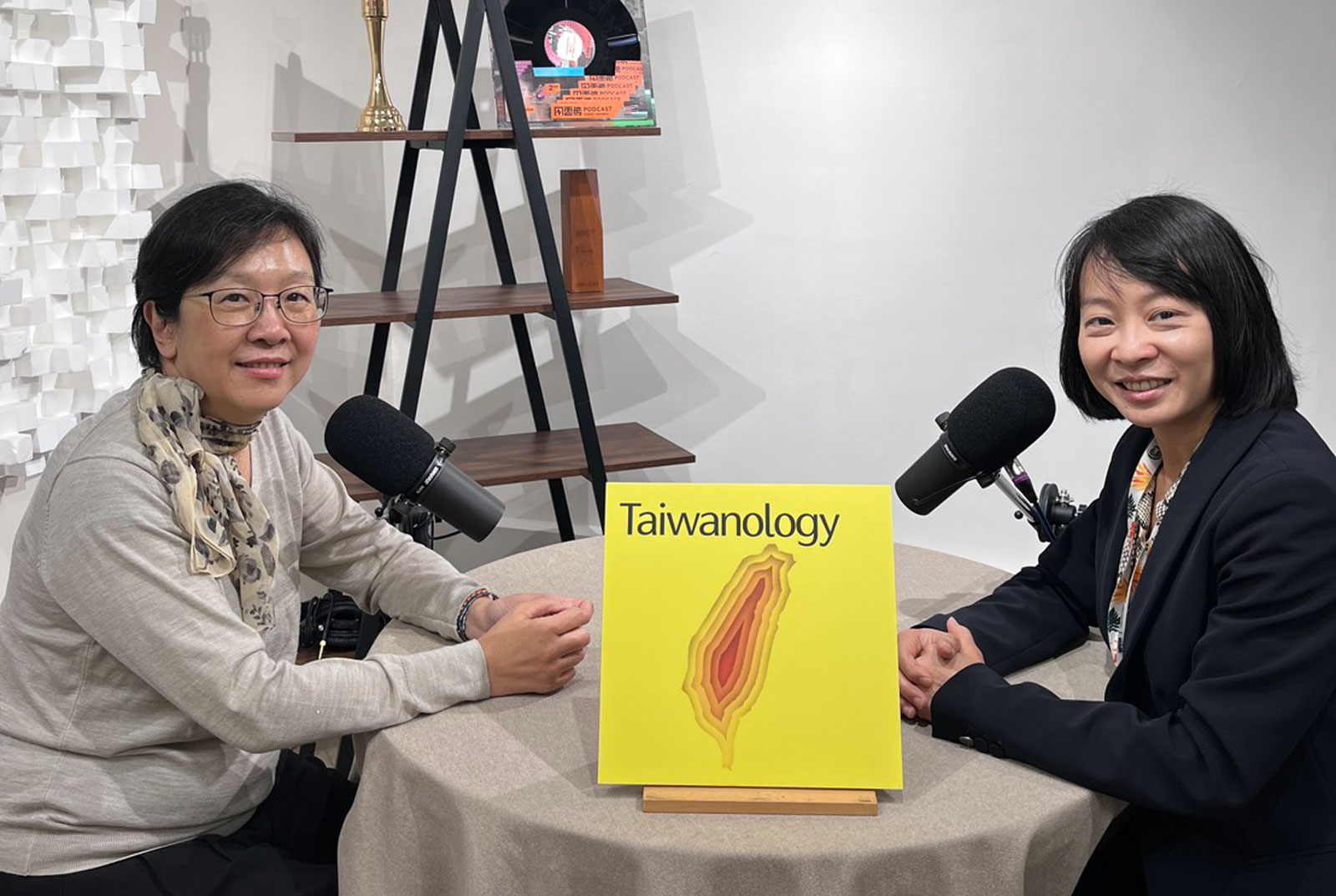 Yifeng Tao (left), associate Professor at the Department of Political Science, National Taiwan University, and Kwangyin Liu (right) , Deputy Managing Editor of CommonWealth Magazine.
The following is the transcript of the latest episode of the Taiwanology podcast. It was produced by CommonWealth Magazine, hosted by Kwangyin Liu, Deputy Managing Editor of CommonWealth Magazine, and was first aired on March 2, 2026. The guest was Yifeng Tao, Associate Professor at the Department of Political Science, National Taiwan University, and Senior Advisor at the Office of Former President Tsai Ing-wen.
Listen to the episode: Watching the Dragon: How Taiwan Decodes China's Internal Fragility 【Taiwanology Ep.57】
Thinking Taiwan 2.0: Watching the Long Game
After stepping down in 2024, former President Tsai Ing-wen relaunched the Thinking Taiwan Foundation as a platform for long-term policy analysis. At the heart of its first major output is the China Monitoring Report—an annual project tracking 50 indicators across economy, finance, fiscal policy, society, and politics, designed to be updated year by year with the same yardsticks. Professor Tao explained why the indicator-based approach matters at a moment when firsthand research in China has become increasingly difficult.
Tao Yifen: "The indicators don't give you drama. They give you direction—are things improving, deteriorating, and how fast. And another reason for indicators is continuity. This isn't a one-off report. We want to watch how China changes year by year using the same yardsticks."
A Strong Surface, A Fragile Core
Kwangyin Liu (Host): "You've described China's economy as operating at dual speed—strong exports on the one hand, but weak domestic consumption on the other. Could you explain what the indicators support that conclusion and what this means?"
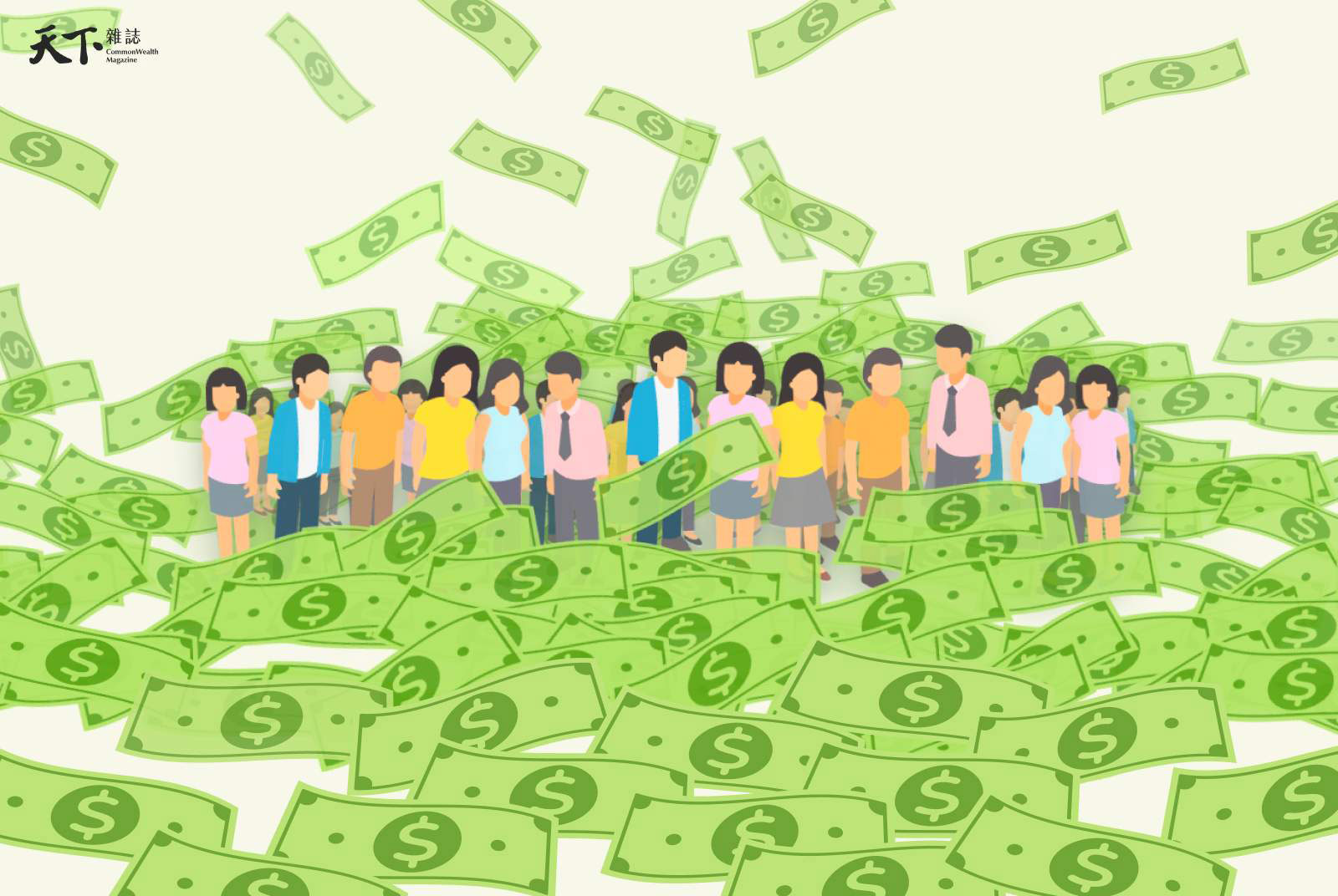
China posted a record trade surplus of over 1.2 trillion US dollars last year, with exports accounting for roughly one third of GDP growth. But Professor Tao argued that headline strength masks a deeply troubled domestic picture.
TY: "Internally, it is a completely different story. Consumption is weak, prices are flat or falling. People are saving instead of spending. Private investment has been shrinking."
Two indicators capture this internal freeze most clearly: persistent deflationary pressure, and a widening gap between M1 and M2 money supply—a sign that liquidity is piling up in savings rather than flowing into the real economy. KL pressed further on what this means for the broader global economy.
KL: "What does that mean for the world economy?"
For Professor Tao, China's imbalance—producing far more than it consumes—is not a temporary dip but something structural, and its consequences extend well beyond China's borders. With domestic demand unable to absorb its own output, China has little choice but to keep flooding global markets with cheap goods, accelerating de-industrialization in countries from Europe to the Global South.
TY: "Industry after industry, they just cannot sustain this kind of cheap price. So they just went out of business. China just produces too much and consumes too little."
Cracks Beneath the Surface: Social Unrest and a Broken Bargain
KL: "One indicator that caught my eye is the number of incidents of social unrest. What do you see from this data?"
The report's social indicators reveal a steady rise in protests since the pandemic, even under tightened surveillance, alongside marriage and birth rates at historic lows. What Professor Tao finds most significant, however, is not the volume of unrest but its changing character.
TY: "Today's protests are less about isolated economic losses and more about systemic unfairness—government officials' power abuse, pension cuts, arbitrary enforcement. People have always been aware of this systemic unfairness, but they could improve their own life even in an unfair system before—but not anymore. They started to look at the problem of the system."
KL drew out the deeper implication: this shift represents the erosion of the implicit social contract of the reform era—political control accepted in exchange for steadily rising living standards.
KL: "If I can still put food on the table, afford a house, and my children can have good jobs, then I'm probably willing to put up with a lot. But if I don't even have that prosperity, then what is this deal you're forcing on me?"
TY: "For the last 30 years, Chinese people have felt their life is getting better and better. But now they don't have this kind of feeling anymore."
And yet, rather than redirecting resources toward social welfare to relieve the pressure, Xi Jinping has consistently chosen to prioritize military buildup and technological self-reliance. Professor Tao was unambiguous about the trade-off being made.
TY: "The Xi Jinping government would rather put limited fiscal resources on superpower competition. We still see he will put resources on military buildup and technological development. If he keeps doing so, I think it's very hard for domestic demand to go up."
What Taiwan Should Do
KL: "Given these trends—social, economic, and political—what should Taiwan do next?"
For Taiwan, Professor Tao argued, monitoring China is not an academic exercise—it is a daily strategic reality. Overestimating China's strength breeds panic; underestimating it breeds complacency. Both, she said, are dangerous. Her prescription was threefold: invest continuously in China knowledge, build domestic social and economic resilience, and share Taiwan's analytical insights with the international community.
On resilience, she was careful to define what she meant—not a top-down mandate, but a society-wide partnership.
TY: "How could we turn this kind of individual resilience into a real societal resilience? I think we need more cooperation and communication between government and society to form a partnership from bottom up rather than top down. That kind of resilience will be more sustainable."
She closed with a calibrated warning against both panic and complacency—and a clear-eyed view of what the indicators actually show.
TY: "China will not collapse in the near future, but China is not invincible either. The challenge for Taiwan is to stay clear-eyed, calm, and prepared."
Have you read?
- Will Europe Choose Taiwan as Trust in China Fades?
- Taiwan’s Growing Climate Voice at Brazil’s COP30
- What Giant’s Forced Labor Case Means for Taiwan
- Beyond the Headlines: A Conversation on Peace, Gaza, and Taiwan
Uploaded by Ian Huang
Views

Subscribe to CWE Newsletter (every Thursday)
Stay abreast of what's happening in Taiwan with our weekly digest.
Keywords: