Jensen Huang’s Criss-Cross Strait Policy
Source:Shutterstock
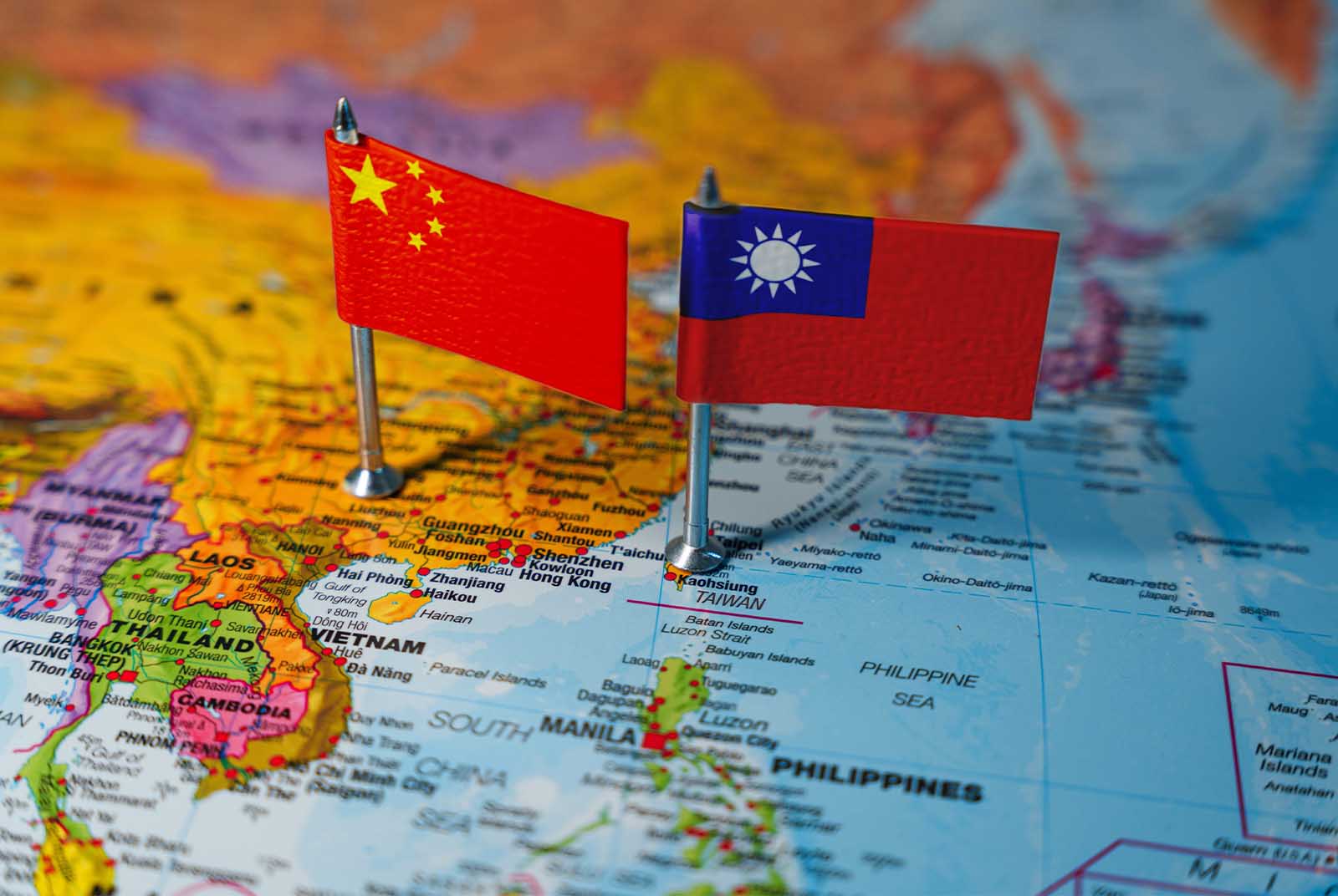
As NVIDIA's Jensen Huang courts Beijing while breaking ground on a 50-year headquarters in Taipei, his cross-strait balancing act raises an uncomfortable question: is the world's most powerful chip executive a force for cross-strait stability, or just its most expensive hostage?
Views
Jensen Huang’s Criss-Cross Strait Policy
By Samuel Strawweb only
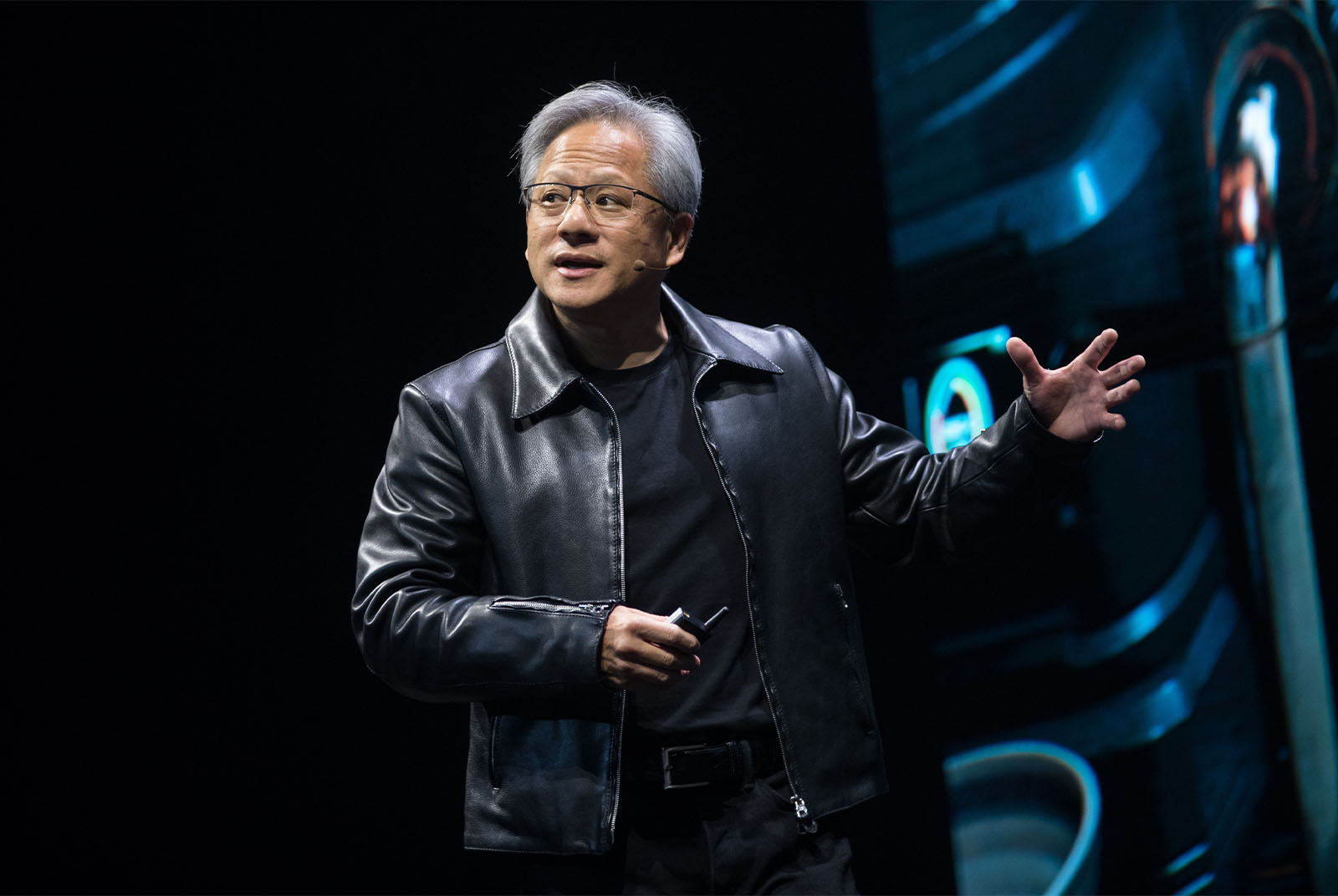
You always know when Jensen’s in town. Dubbed Jensanity. Social media floods with the iconic leather jacket, night market mania, a crowd pressing in with phones raised. All hallmarks the Tainan tech god, Jensen Huang, is back. Whether chatting with fans, giving quotes to journalists, or hosting one of his trillionaire dinners, where chip industry chiefs crowd a hotpot table and the host is uncontestably Jensen Huang.
The same man was, weeks earlier, standing in the Great Hall of the People in Beijing, called personally by President Trump after being left off the original delegation list. Not as a tourist. As one of the most commercially powerful Americans in the room.
So then, where exactly does Jensen Huang’s allegiance lie?
The Hometown Kid
Born in Tainan in 1963, raised in Kentucky and Oregon, co-founder of NVIDIA at a Denny’s in San Jose in 1993, he now runs the first American company to cross a $4 trillion market cap. Taiwanese by birth. American by citizenship. The man whose chips both Washington and Beijing are fighting over. His business requires keeping all three playing nice. A task getting harder by the month.
Taiwan has its own version of the PayPal Mafia. And no, not the triads. Call it the Hokkien Mafia, and Huang is its most famous member. AMD’s Lisa Su, Broadcom’s Hock Tan, Intel’s Lip-Bu Tan: Taiwanese-raised, US-trained, oozing the technocratic clout that makes tech diplomacy inseparable from deal-making.
The $150 Billion Bet
On May 27, Taipei Mayor Chiang Wan-an literally handed Huang the keys to the city at the groundbreaking for “NVIDIA Constellation,” the company’s first overseas headquarters, on a 50-year lease, 4,000 direct employees and 10,000 jobs by 2030. NVIDIA now spends $150 billion a year in Taiwan, up from $10–15 billion five years ago.
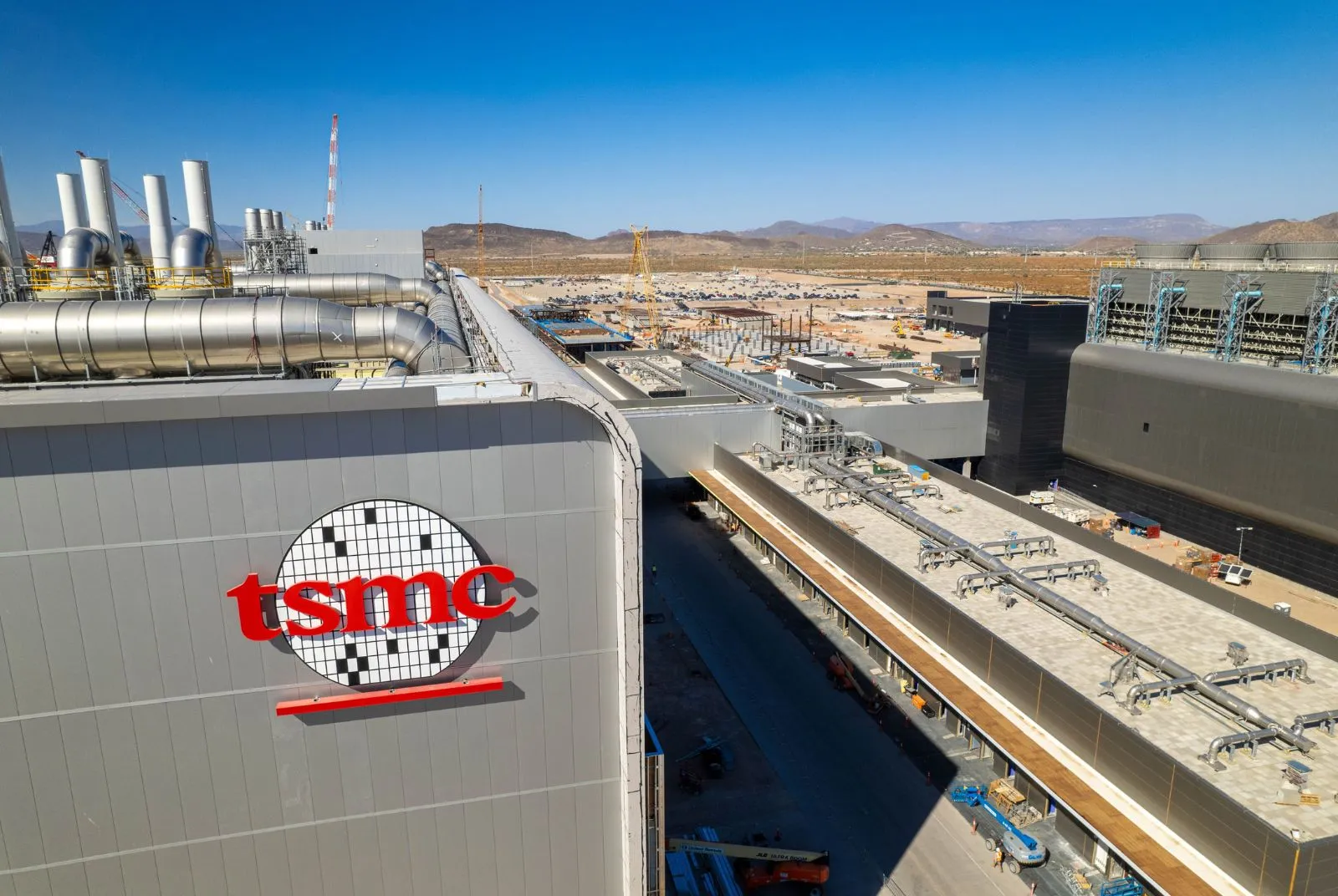
That money flows to TSMC, Foxconn, Wistron, and Quanta. TSMC alone accounts for roughly 42 percent of Taiwan’s benchmark stock index. Taiwan’s own market just overtook India’s to become the fifth-largest in the world.
If Huang’s Midas touch was still in doubt, when he walked onstage at Marvell CEO Matt Murphy’s keynote on June 2 and said “Ladies and gentlemen, the next trillion-dollar company,” Marvell surged 32 percent in a single session. A market mover, to say the least.
Taiwan Is A…
So when this man says something about Taiwan’s political status, people pay attention.
On May 29, 2024, at a Taipei night market, a reporter asked about Taiwan’s place in global technology. “Taiwan is one of the most important countries in the world,” Huang replied. Shanghai-based Guancha.cn accused him of getting “carried away.” China’s Taiwan Affairs Office said he should “read up on the history.” Within days: “I wasn’t making a geopolitical comment, but thanking all of our technology partners here.” Country had become supply chain.
In October 2025, Huang said being called a China hawk should be "a badge of shame." He is building an R&D center in Shanghai and has lobbied Washington repeatedly to ease chip restrictions. Before export controls tightened, China accounted for 13 percent of NVIDIA's revenue and Huang has estimated its AI market alone could be worth $50 billion this year. Short of $150 billion, but not nothing.
Recently, at COMPUTEX 2026 on June 2, mid-sentence on supply chains and strategic partners, he caught himself: “The contribution that Taiwanese country, uh, sorry, companies here investing in the U.S. is incredible.” The correction comes faster now. The instinct has not changed.
Beijing and Back
Then came May 13, 2026. Huang was not on Trump’s Beijing delegation list. Trump called him directly. Huang flew to Anchorage and boarded Air Force One alongside Elon Musk. At the Great Hall of the People: “The two presidents, President Xi and President Trump have such a wonderful relationship. This is an incredible opportunity for us to rely on those relationships to build a much, much better partnership.” He called Xi “very inspiring, very welcoming.”
Ten days later he was buying corn for strangers at Taipei’s Raohe Night Market.
Chips, China, and Congress
The export controls are where this tightrope snaps. The Trump administration’s April 2026 rules banned even the H20, the chip NVIDIA downgraded to satisfy earlier restrictions, triggering a $5.5 billion write-down overnight. NVIDIA currently holds no market share in China, and Huang wants it back.
His argument: China can already train frontier AI through brute force, as Huawei’s AI CloudMatrix cluster demonstrated. Locking NVIDIA out just ensures Chinese AI develops outside the American tech stack. “It would be extremely foolish to create two ecosystems,” he said. On whether competing in China means losing: “You’re not talking to someone who woke up a loser.”
The chips he wants to sell can train AI models capable of autonomous targeting, cyber intrusion at scale, and military logistics optimization, capabilities the Pentagon considers among the most sensitive dual-use risks in the current threat environment.
Washington has not settled this debate. Some argue selling American chips keeps China inside the US tech stack and buys leverage. Others argue it hands an adversary the tools to erode it. Huang has a side, and it happens to be worth several billion dollars to him.
On June 4, US Senator Warren invited Huang to testify at a June 11 Senate Banking Committee hearing on AI, China, and US technological dominance. He declined, offering to host her at NVIDIA's Santa Clara headquarters instead. Warren was unmoved: "The American people deserve answers in a public forum about Nvidia's China business and its views on US export controls." She noted he had found time for a $1 million-a-head Mar-a-Lago dinner and a flight to Beijing. A congressional summons, it turns out, carries less weight with the technocrat class than a call from the President.
The 50-Year Bet
NVIDIA is building that headquarters on land Beijing formally claims, on a 50-year lease. You do not make that kind of commitment on an island you think might one day be in a war zone. With $150 billion a year and 10,000 jobs on the line, Huang has a very direct financial interest in making sure missiles never fly across the Taiwan Strait. He answers to his shareholders, not to any government, and right now they need Taiwan to stay calm.
Taiwan's semiconductor dominance is not disappearing tomorrow. But chipmaking geographies do shift over decades, and if NVIDIA's fortunes increasingly run through Beijing's approval, the boardroom calculus changes. Huang already walks Beijing's red lines carefully. The question is how much further he walks them as the stakes rise.
The Tainan tech god is betting big the cross-strait conflict will remain a cold one, and for now, his money is where his mouth is. But if NVIDIA's China ambitions grow, Taiwan will be watching to see whether its most famous hometown hero stays a cheerleader or becomes just another star who found the Beijing market too large to argue with.
(This piece reflects the author's opinion and does not represent the opinion of CommonWealth Magazine.)
CommonWealth Magazine welcomes op-ed submissions. Please send your article proposals to [email protected]
About the author:

Samuel Straw is a researcher based in Taipei focusing on cross-strait affairs, digital diplomacy, and US-Taiwan-China relations.
Views

Subscribe to CWE Newsletter (every Thursday)
Stay abreast of what's happening in Taiwan with our weekly digest.
Keywords: