G20 Splits Over Industrial Overcapacity, an Issue Often Aimed at China
Source:AFP
October 5, 2026 -- Today’s top stories: G20 Splits Over Industrial Overcapacity, an Issue Often Aimed at China, US Labor Market Falters as September Job Growth Slows to 29,000, and Japanese and Korean Shipbuilders Deploy Robots To Take on China.
Views
G20 Splits Over Industrial Overcapacity, an Issue Often Aimed at China
By CommonWealth Magazineweb only
G20 splits over industrial overcapacity, an issue often aimed at China
The group of 20 (G20) trade ministers have rejected US calls to curb excess industrial capacity and “non-market" policies, according to the US Trade Representative's Office. Only two countries, Mexico and Argentina, signed on to a US-led statement calling for more work and cooperation to eliminate goods produced with forced labor from supply chains.
The rejection follows the Trump administration's imposition of tariffs of 10% or 12.5% on goods from 59 countries and the European Union over allegations that they fail to enforce bans on forced labor.
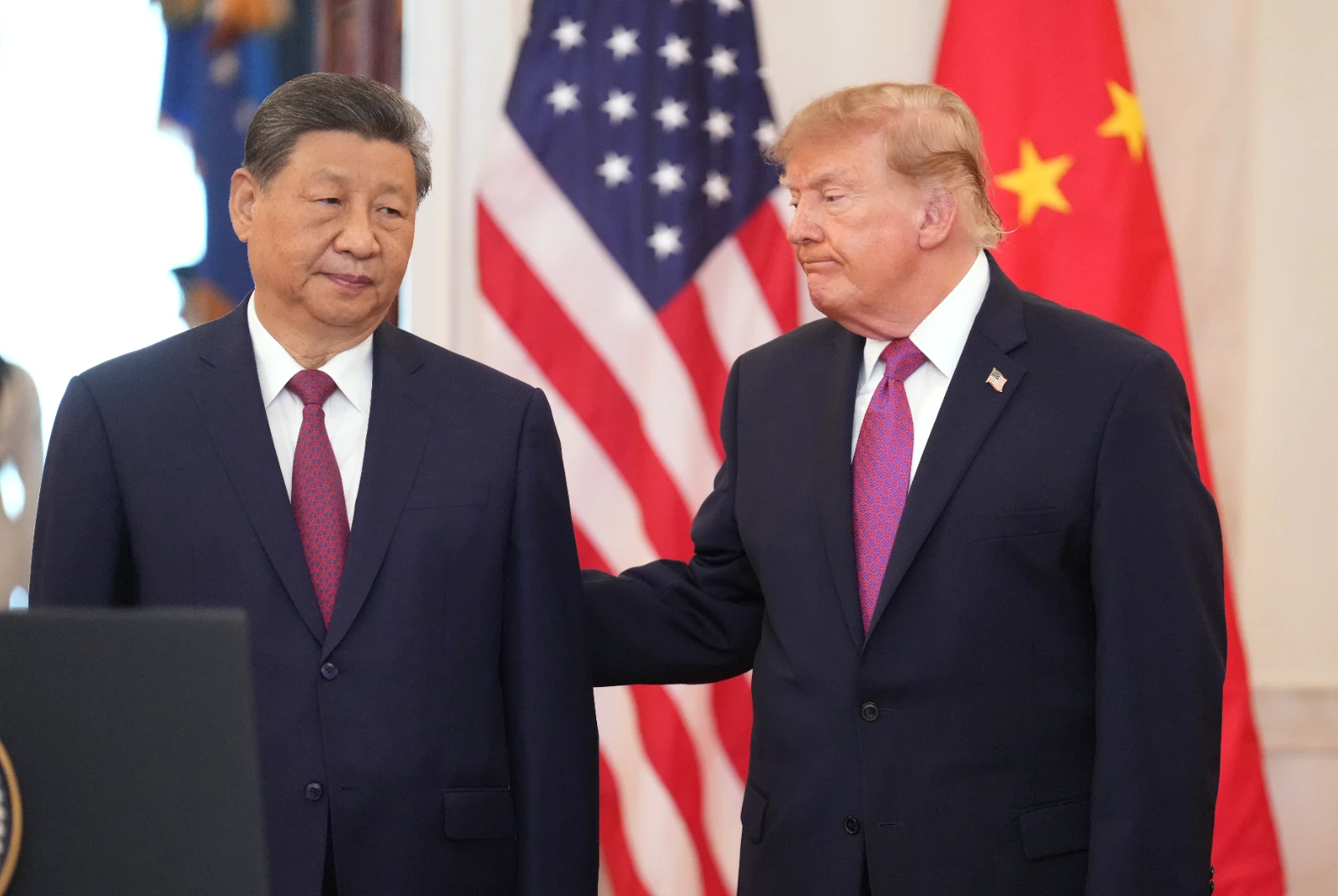
The US G20 Presidency said it was "severely disappointed" that some members rejected a statement this week for action against excess industrial capacity, a criticism commonly aimed at China. A draft ministerial statement against excess capacity, seen as driving costs down unfairly, "was supported by all but a handful of members," said top US trade official Jamieson Greer.
This had called on all countries to move to eliminate structural excess capacity in their economies.
The rejection from the vast majority of G20 countries follows the Trump administration's imposition of tariffs of 10% or 12.5% on goods from 59 countries and the European Union.
Reference Sources
- usnews - 'Handful' of G20 Countries Reject US Stance on Excess Industrial Capacity
- malaymail - G20 splits over industrial overcapacity, an issue often aimed at China
- thejakartapost - The Jakarta Post
- cnbc - 'Handful' of G20 countries reject U.S. stance on excess industrial capacity
- nikkei - 'Handful' of G20 countries reject US stance on excess industrial capacity
US Labor market faltered in September as jobs increased by just 29,000, unemployment rate rose to 4.2%

The US economy added 29,000 jobs in September, below estimates of an 84,000 gain and far below a revised gain of 133,000 the previous month, according to the Bureau of Labor Statistics.
The unemployment rate ticked up to 4.2% from 4.1% the previous month.
Economists have partially attributed the relatively steady unemployment figures to baby boomers starting to retire and President Trump’s strict deportation agenda, both of which have kept labor market entry low. Job gains for July and August were revised down by a combined 60,000 jobs.
The weaker-than-expected jobs report may feel especially lousy for men. Women outnumbered men in the workforce for eight straight months as of September, according to an analysis of government data by Indeed. That's the longest stretch since 2010. "Back then, the gap emerged because men were losing jobs.
This time, it's because women are gaining them," said Cory Stahle, senior economist at Indeed. Women represented slightly over half of net job growth in September, according to a CNBC analysis of Friday's BLS data.
Reference Sources
- newyorkpost - Job growth cools in September -- sorely missing forecasts
- cnbc - Labor market faltered in September as jobs increased by just 29,000, unemployment rate rose to 4.2%
- cnbc - Men are losing ground in the labor market. Here's why
- wsj - U.S. Stocks Rise as Jobs Report Tempers Rate Outlook
- dailymail - Another blow to Trump as US economy in freefall weeks before midterms
Japanese and Korean shipbuilders deploy robots to take on China

South Korea and Japan are accelerating efforts to deploy robots in their shipyards as China’s dominance of the industry alarms Washington and its allies.
The push towards “smart shipyards” has become essential as Seoul and Tokyo grapple with deepening labour shortages, long order backlogs, and intensifying competition from lower-cost Chinese rivals, which secured 63% of ship orders last year.
The two East Asian countries are vital for the US to reduce reliance on China for commercial and naval shipbuilding.
The two largest shipbuilding nations after China comprise 40% of global vessel production as of last year and possess crucial technological expertise in liquefied natural gas carriers, submarines and marine engines.
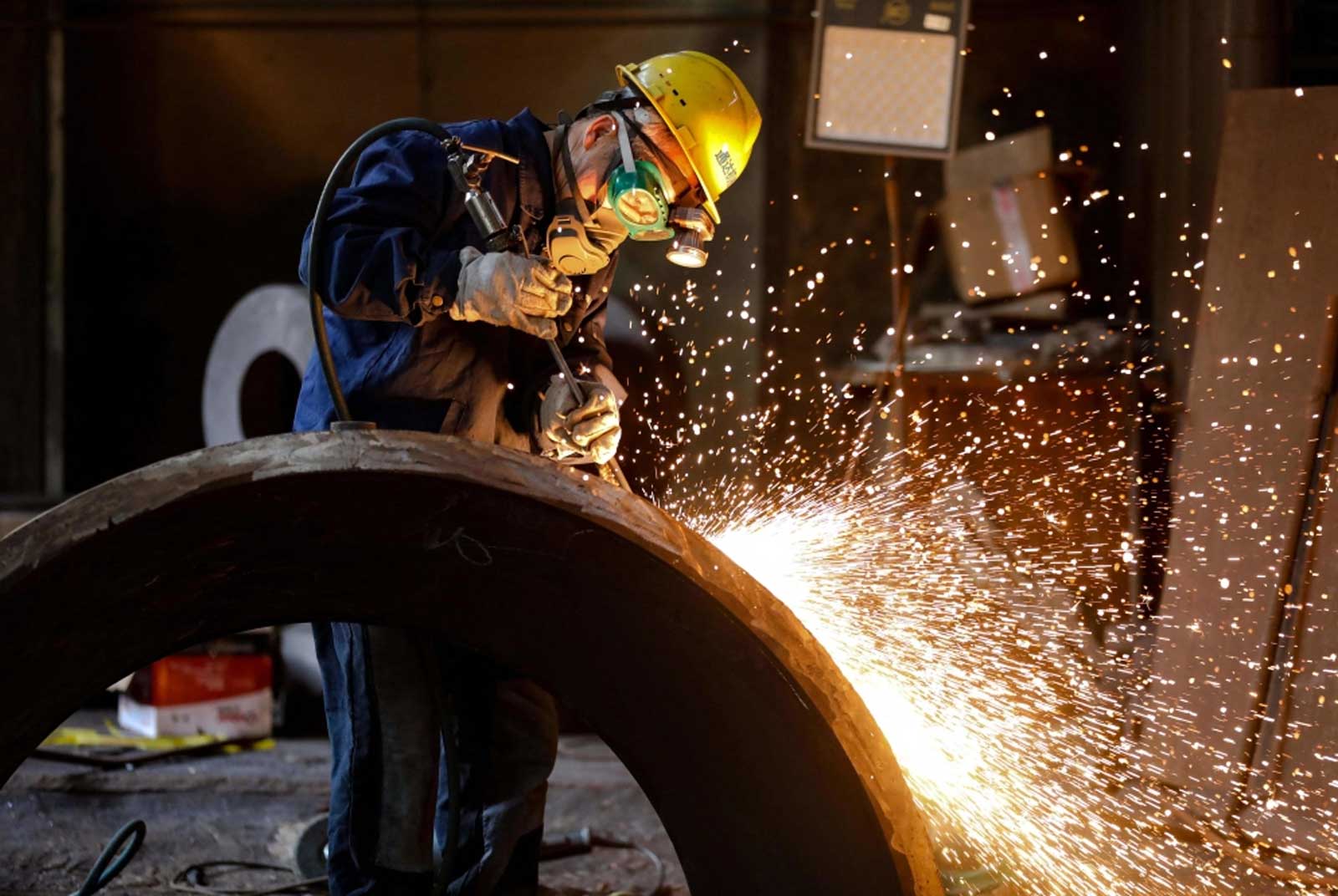
However, they face an uphill task as some experts said Chinese yards had outpaced them in developing and deploying welding robots and smart systems in one of the toughest industries to automate. Shipbuilding is difficult to automate because every vessel differs in design and structure, unlike standardised products such as cars. Shipyards are also complex and hazardous outdoor working environments, with narrow and irregular spaces similar to construction sites for buildings.
As such, the sector remains heavily dependent on an ageing pool of skilled workers.
While skilled workers may complete individual jobs more quickly, robots excel at maintaining consistent quality and output.
Reference Sources
The CommonWealth English daily news digest is a service curated by CommonWealth English team with the help of AI tools.
Have you read?
- US Growth Revised Up as Consumers, AI Investment Drive Second Quarter
- Nvidia Boosts Share Buyback by Record $150B
- OpenAI Cancels GPT-6.1 Astra Release Over Safety Concerns
Uploaded by Ian Huang
Views

Subscribe to CWE Newsletter (every Thursday)
Stay abreast of what's happening in Taiwan with our weekly digest.
Keywords: