Chris Miller on AI, Antitrust, and TSMC’s Strategic Role in the Tech World

Source:Ming-Tang Huang
In a recent CommonWealth podcast episode, Chris Miller, an US historian and author of "Chip War," discusses the evolving antitrust landscape as it pertains to Taiwan Semiconductor Manufacturing Company (TSMC). Miller also sheds light on the impact of artificial intelligence on semiconductor demand and the ongoing US-China tech rivalry, stressing Taiwan's central role.
Views
Chris Miller on AI, Antitrust, and TSMC’s Strategic Role in the Tech World
By Judy Linweb only
Every company valued at over US$1 trillion has faced antitrust scrutiny, and Taiwan Semiconductor Manufacturing Company (TSMC) might not be an exception, said US historian Chris Miller, the author of Chip War, in a podcast hosted by Liang-rong Chen, Editor at large of CommonWealth Magazine.
Producing over 90% of the world’s advanced chips, TSMC could be vulnerable to antitrust scrutiny, particularly as the yields of competitors Samsung and Intel remain uncompetitive, argues Chen.
"It's hard to find a trillion-dollar technology company that hasn't faced antitrust scrutiny—companies like Microsoft, Google, or Nvidia," said Miller. “I think we shouldn't be surprised if TSMC faces a similar set of questions.”
Miller recalled that in the history of the chip industry, there's a number of instances that suggest concern. Intel faced its own antitrust issues, which were eventually addressed by making AMD a second source to co-license the X86 IP.
Intel and Samsung as foundry competitors
“I think it's also possible, though, that TSMC continues to have 90% or so of the advanced foundry business, but either Intel or Samsung stay in the foundry business to some degree and provide a little bit of competition,” said Miller, offering another scenario.
Miller believes Samsung's leadership remains committed to its foundry operations despite ongoing underperformance. Given the influence of the founding family and the company's complexity, Samsung is likely to continue investing in foundry, even if it isn't immediately profitable.
Intel faces a similar dynamic, with the U.S. government keen on maintaining at least one, if not two, domestic players in the market.
The US government has supported Intel through initiatives like the CHIPS Act and the Secure Enclave program, which serves national security while also aiding Intel. This support suggests potential for further government intervention to sustain Intel. While TSMC could dominate 90% of the market with some competition, if its market share reaches 98%, it could face antitrust scrutiny based on historical trends in the tech industry, said Miller.
AI and US-China Tech Competition
Miller and Chen also discussed issues such as the US-China technology competition in artificial intelligence and tech decoupling under the ongoing geopolitical power struggle in the podcast.
The semiconductor ecosystem has undergone two major, rapidly unfolding changes since late 2022: the rise of artificial intelligence (AI) and the intensification of U.S.-China tech competition.
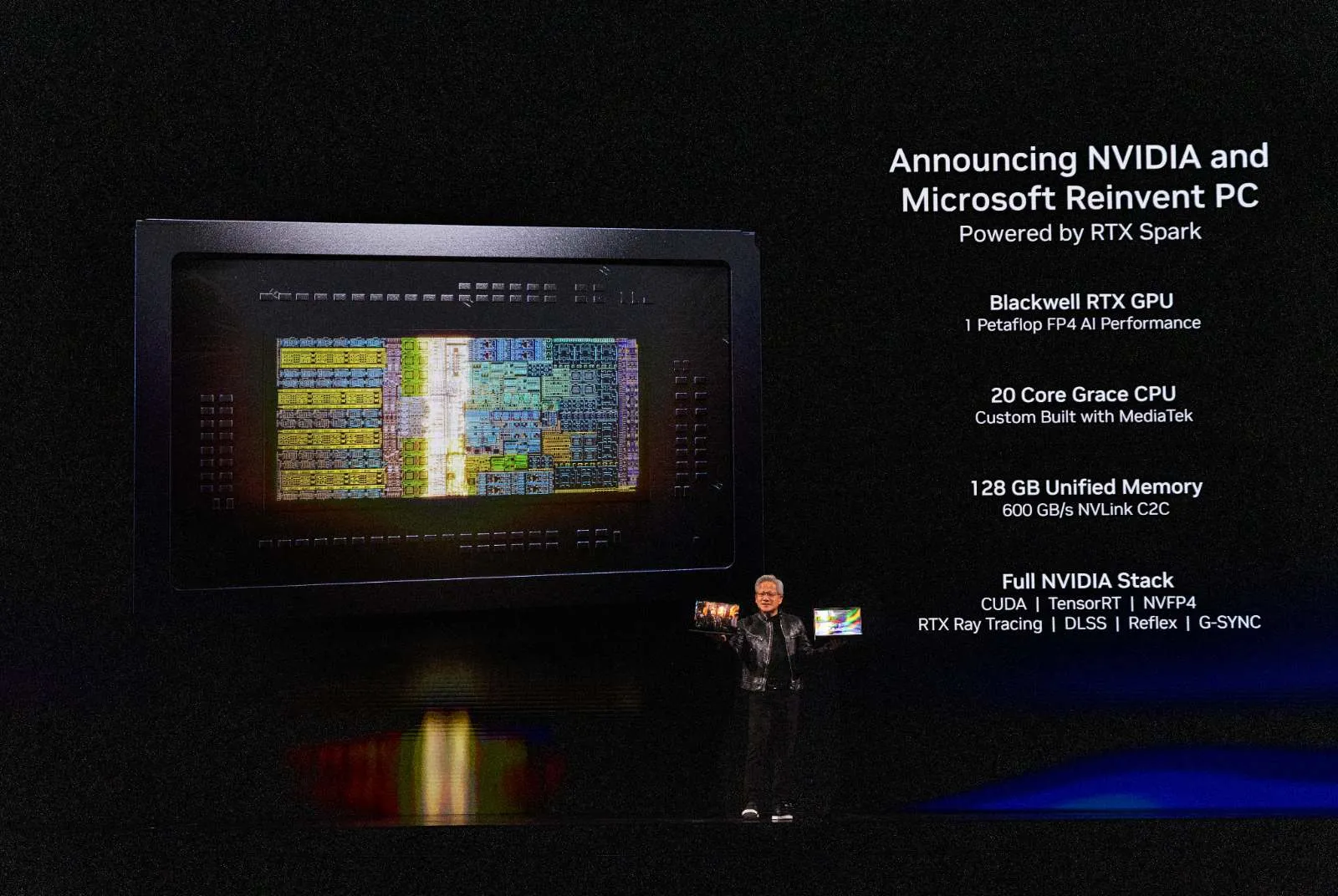
Miller pointed out that AI's unexpected surge, driven by the release of ChatGPT and subsequent investments in data centers, has highlighted the critical role of semiconductors, particularly NVIDIA GPUs manufactured by TSMC. This has made Taiwan central to AI progress, as its electronics supply chain underpins AI hardware production. Taiwan’s semiconductor expertise and dominance make it the country most affected by advancements in AI.
Simultaneously, U.S.-China tech tensions, exemplified by U.S. export controls on AI chips and equipment, have reshaped supply chains. Companies are increasingly avoiding reliance on Chinese components, further elevating Taiwan's strategic importance. Together, these trends underscore AI's transformative impact and the geopolitical dynamics shaping semiconductor manufacturing.
While not offering advice on how TSMC should prepare for antitrust issues, Miller emphasized that Taiwan would remain a pivotal manufacturing hub for AI, and he expects the final assembly lines for AI servers to remain on the island.
The true economic value of AI servers lies in designing next-generation components, rather than their assembly. Miller said expertise in critical areas like heat dissipation, essential for preventing server overheating, is far more valuable than the location of final assembly.
Taiwan currently leads in AI server design expertise, making it a global hub for this knowledge. “For Taiwan, the priority should be maximizing and leveraging this expertise rather than focusing solely on ensuring onshore assembly of AI servers,” said Miller.
As AI and geopolitical dynamics continue to evolve, Taiwan’s strategic role in global technology will only grow more significant.
Listen to the podcast episode on Apple Podcast , Spotify, and Sound On.
Miller will participate in a panel at the CommonWealth Economic Forum on January 8th, 2025 in Taiwan.
Have you read?
- TSMC’s Morris Chang on Intel’s Woes, Samsung’s Flaws, and Inviting Nvidia’s Jensen Huang
- “Dying of Success”? Scholars Warn Critical Risks to Taiwan's Economic Resilience
- Intel's Achilles' Heel: Can the Giant Be Saved After Gelsinger’s Exit?
- TSMC’s Path to Semiconductor Foundry Leadership: Insights from Morris Chang's Memoir
Uploaded by Ian Huang
Views

Subscribe to CWE Newsletter (every Thursday)
Stay abreast of what's happening in Taiwan with our weekly digest.
Keywords: