Trump 2.0: Implications for Taiwan and U.S.-China Relations
Source:shutterstock
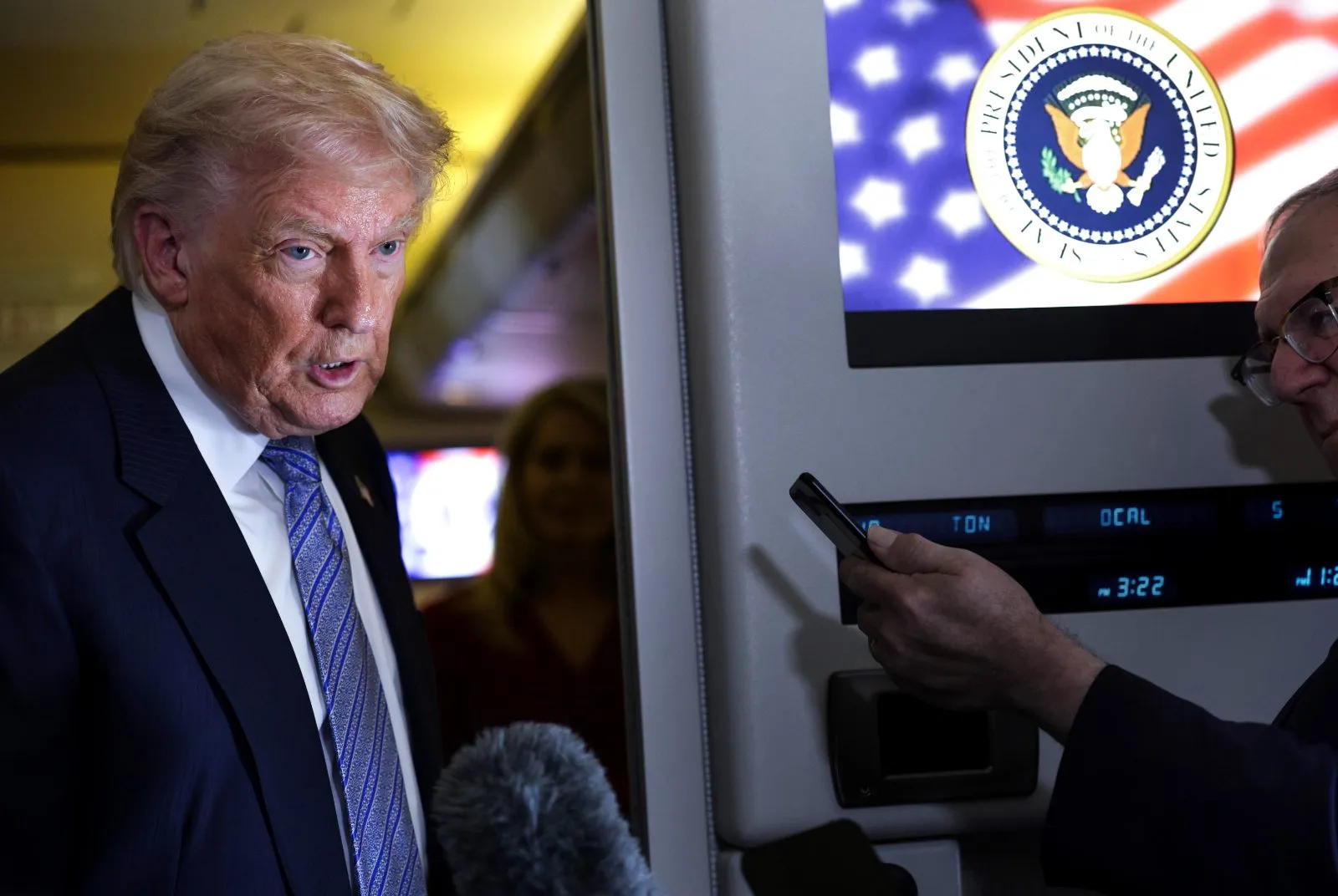
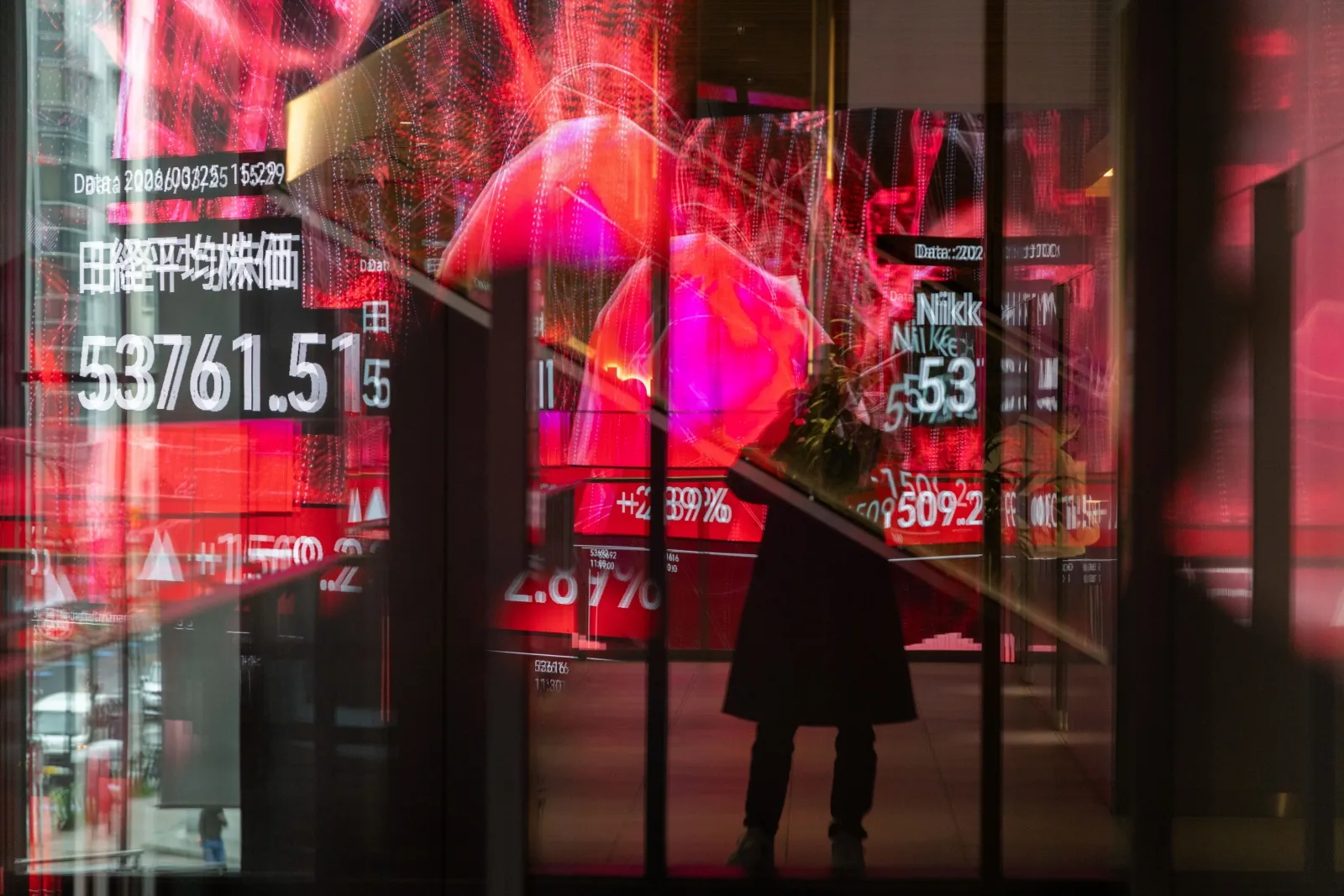
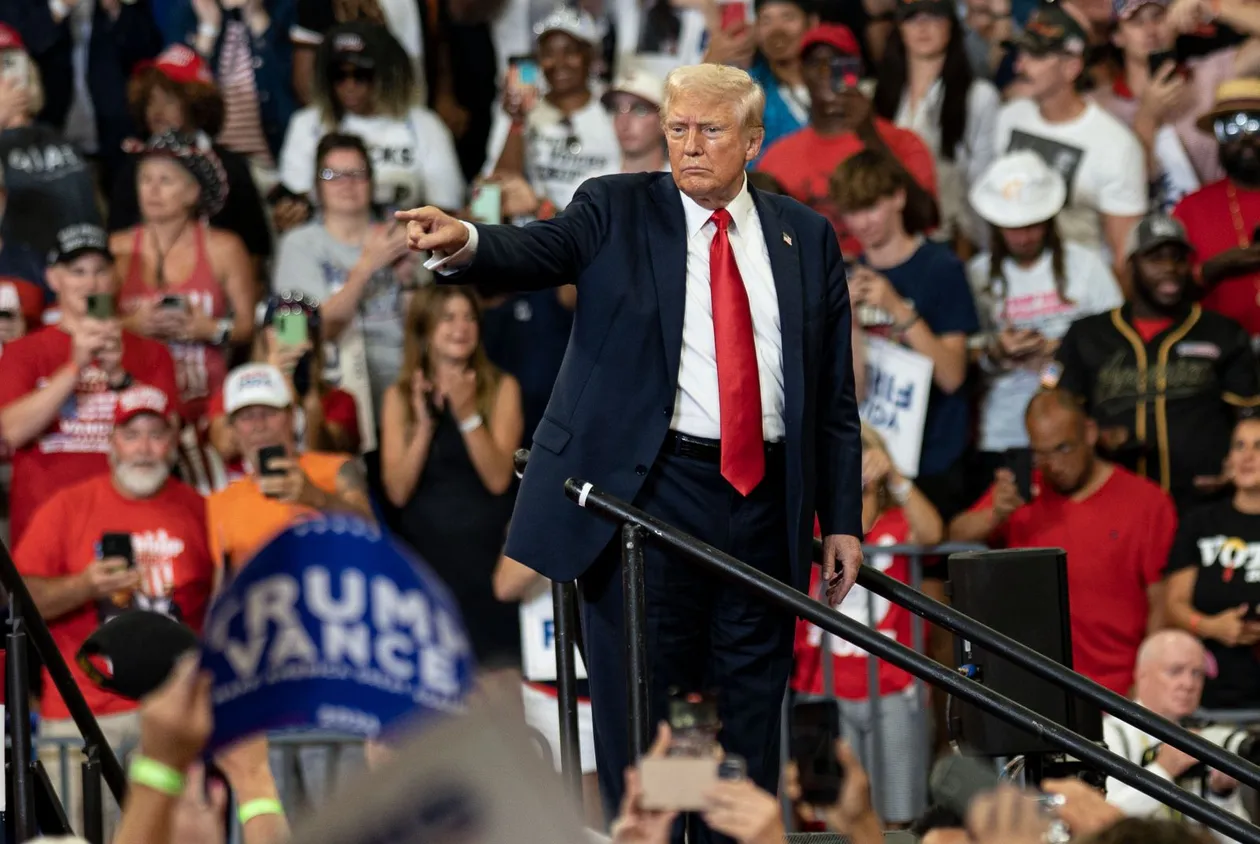
The impending inauguration of President-elect Donald Trump for his second term has sent ripples through global political and economic arenas. In a recent episode of the Taiwanology podcast, hosted by Kwangyin Liu of Commonwealth Magazine, global affairs advisor Wenchi Yu shared her insights into how Trump’s return could reshape U.S.-China dynamics and Taiwan’s strategic position in the region.
Views
Trump 2.0: Implications for Taiwan and U.S.-China Relations
By CommonWealth Magazineweb only
The following is the transcript of the 42nd episode of the Taiwanology podcast. It was produced by CommonWealth Magazine, hosted by Kwangyin Liu, and was first aired Jan. 14, 2025.
Listen to the episode: 【Taiwanology Ep.42】Trump 2.0: What It Means for Taiwan and the U.S.-China Power Play
A Seasoned Perspective
Question: Could you tell us a little about yourself and your career journey?
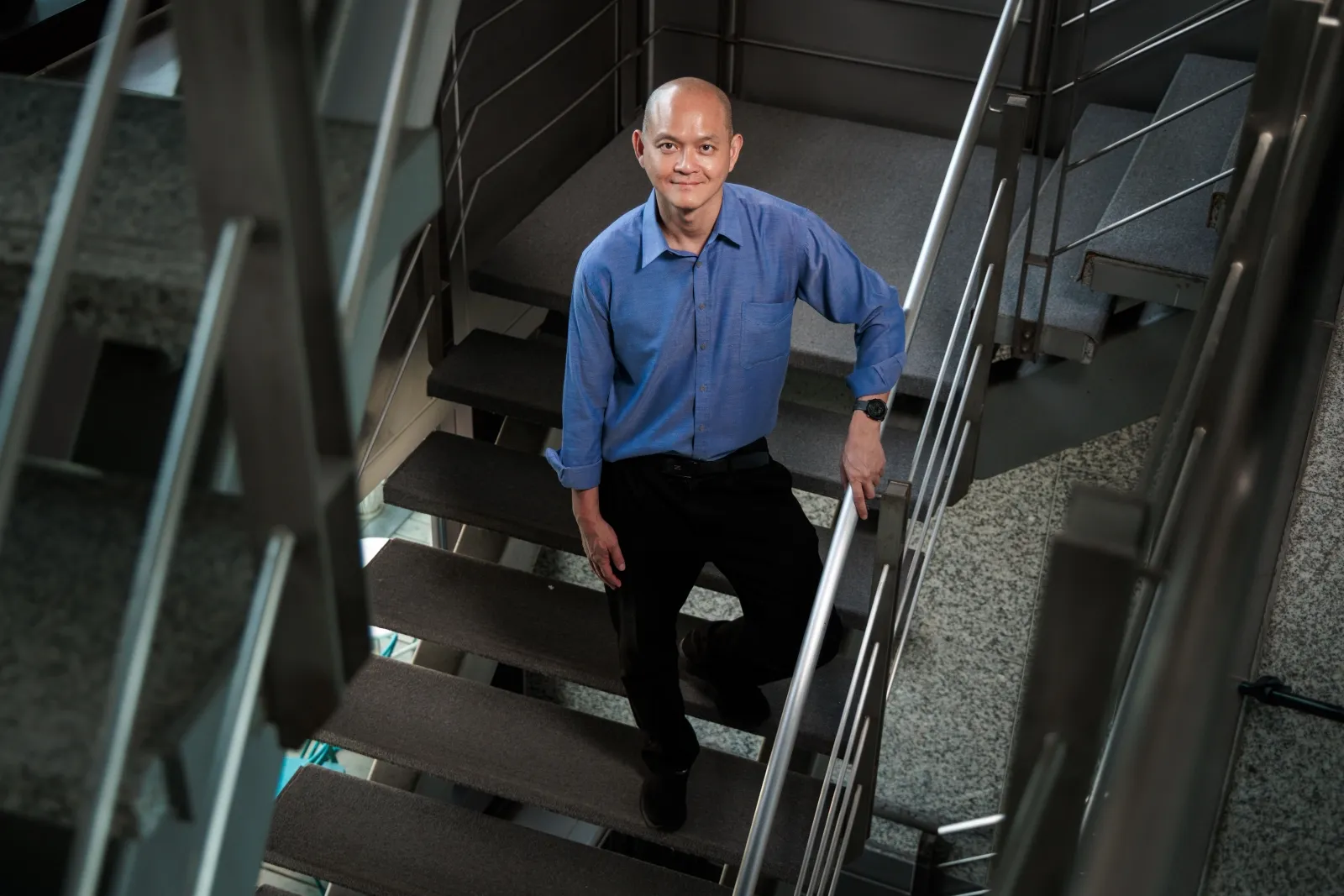
I have had the privilege of working across diverse sectors, including the U.S. Department of State, Congress, Goldman Sachs, and tech companies, which has allowed me to develop a nuanced understanding of cross-border strategies and policy-making. Since 2019, I’ve been a research fellow at Harvard’s Ash Center, focusing on issues like democracy, human rights, and U.S.-Asia relations.
What Trump 2.0 Means for U.S.-China Relations
Question: What do people expect from Trump’s second term, and how will it differ from his first?
I believe we can expect several shifts in U.S.-China relations during Trump’s second term:
- Economic Aggression: Trump’s reliance on economic tools like tariffs is likely to intensify. He has stated plans to impose a 25% tariff on all Chinese imports on his first day, with possibilities of increasing it to 60%. While this tactic aligns with his negotiation style, whether these measures will fully materialize or primarily serve as leverage remains to be seen.
- Prioritizing Hard Power: Trump’s “America First” agenda emphasizes projecting U.S. strength, particularly through military and economic dominance. However, traditional elements of U.S. diplomacy, such as promoting democracy and human rights, may receive less attention unless they serve strategic purposes.
- China’s Enhanced Preparedness: Unlike during Trump’s initial presidency, China now appears better prepared to counter U.S. policies. Through economic diversification and reduced reliance on American markets, Beijing has bolstered its resilience against U.S. measures. This preparedness could diminish the effectiveness of Trump’s economic strategies.
- North Korea’s Role: Trump’s interest in achieving a peace deal with North Korea could position China as a key intermediary. Beijing’s influence over Pyongyang may become a significant factor in broader U.S.-China negotiations.
Taiwan’s Role Amid Shifting Dynamics
Question: How do you see Taiwan’s role evolving in Trump’s second term?
Taiwan’s position as a global leader in semiconductor manufacturing provides it with substantial leverage. However, this unique position also presents challenges that require careful navigation:
- Semiconductor Advantage: Taiwan’s semiconductor industry, led by TSMC, is a cornerstone of the global tech ecosystem. It’s crucial for Taiwan to recognize the strategic importance of this industry and build upon it. Diversifying into emerging fields like biotech, AI, and robotics can further strengthen its economic foundation.
- Global Expansion and Risks: TSMC’s international expansion into markets like the U.S., Japan, and Germany could boost its global reach but also risks diluting Taiwan’s strategic importance. A balanced approach is needed to ensure Taiwan retains its competitive edge while embracing global opportunities.
- Adapting to Change: Taiwan is at a pivotal moment where it must transition from a single-industry focus to a more diversified economy. This shift requires fostering international partnerships, building stronger people skills, and enhancing global outreach to remain relevant in a competitive landscape.
Challenges Ahead for Taiwan
Question: What challenges do you foresee for Taiwan in the coming years?
In my view, the coming years will be marked by a “law of the jungle” mindset, where nations prioritize self-interest. Taiwan must strengthen its position by:
- Investing in hard technologies and industries that bolster its strategic value.
- Demonstrating tangible contributions to U.S. economic and strategic goals, especially under Trump’s interest-driven foreign policy.
- Balancing soft power elements, such as its democratic values, with a focus on hard power to appeal to pragmatic global alliances.
Navigating Trump’s Unpredictability
Question: How do you view Trump’s leadership style and its implications?
Trump’s leadership style is a double-edged sword. His boldness and willingness to challenge norms can lead to significant breakthroughs, but his impulsive decision-making often raises concerns. Whether he can execute his ambitious agenda effectively or create unnecessary chaos will be a key factor in his administration’s success.
The Bigger Picture
Question: What steps should Taiwan take to strengthen its global position?
Taiwan’s adaptability will be critical in navigating these uncertain times. As global priorities shift, Taiwan must position itself as a vital partner to the U.S. while managing the challenges posed by a more assertive China. Initiatives like the Global Women Asia Community, which I co-founded, demonstrate the importance of fostering connections and inclusion in a fragmented world.
Final Thoughts
Question: Any closing thoughts on Taiwan’s future under Trump’s second term?
The return of Trump to the White House creates heightened uncertainty in the U.S.-China-Taiwan relationship. However, this also presents opportunities for Taiwan to redefine its role on the global stage. By leveraging its technological edge, diversifying its industries, and fostering international partnerships, Taiwan can navigate this new era with confidence and resilience.
Have you read?
- Does Taiwan Have Leverage if Trump Asks for ‘Protection Fees’?
- "Taiwan Has the Most to Lose": Jimmy Goodrich on Export Controls and Global Semiconductor Security — a DSET Interview
- What Impact Will Trump's Victory Have on Taiwan?
- Taxing Taiwanese Chips? Trump is Getting Manufacturing Wrong
Uploaded by Ian Huang
Views

Subscribe to CWE Newsletter (every Thursday)
Stay abreast of what's happening in Taiwan with our weekly digest.
Keywords: