Why Intel Never Caught Up to TSMC
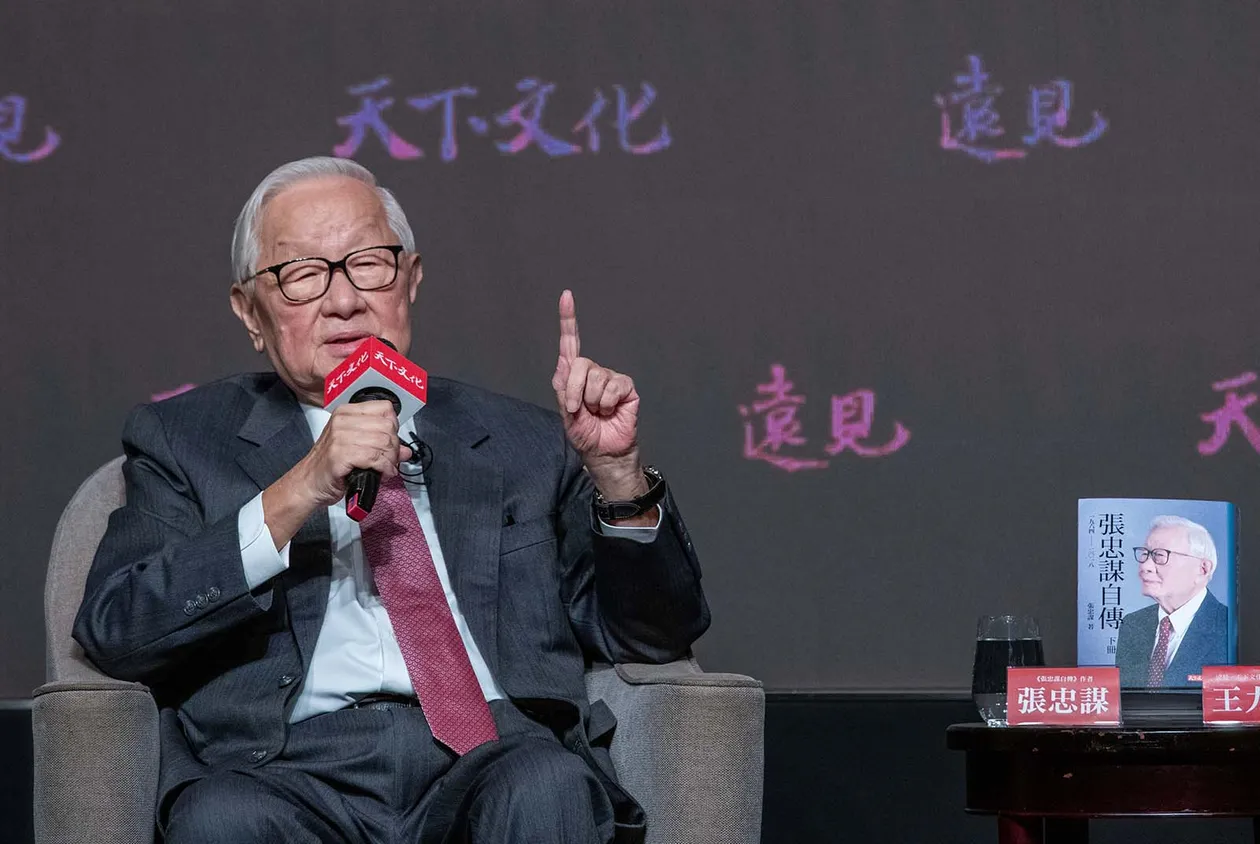
Source:Chien-Tong Wang
TSMC and Intel both pioneered semiconductor manufacturing, yet veteran TSMC engineers scoff at Intel’s foundries. Why? CommonWealth tech editor Liang-rong Chen tried to answer this question in this piece. He points out that, while TSMC built its success on elite engineers and relentless manufacturing excellence, Intel bet on R&D supremacy. Now, as Intel stumbles, it faces an ironic fate—turning to TSMC to stay in the game.
Views
Why Intel Never Caught Up to TSMC
By Liang-rong Chenweb only
I’ve always been curious—why do veteran TSMC engineers show visible disdain whenever Intel’s foundries are mentioned? Upon digging deeper, I discovered that despite both companies possessing the most advanced semiconductor technologies in Asia and the West, their fundamental approaches to manufacturing have been vastly different from the very beginning. Part of the answer can be found in the second volume of Morris Chang’s autobiography. This divergence in philosophy became the key factor in TSMC’s meteoric rise and Intel’s downfall.
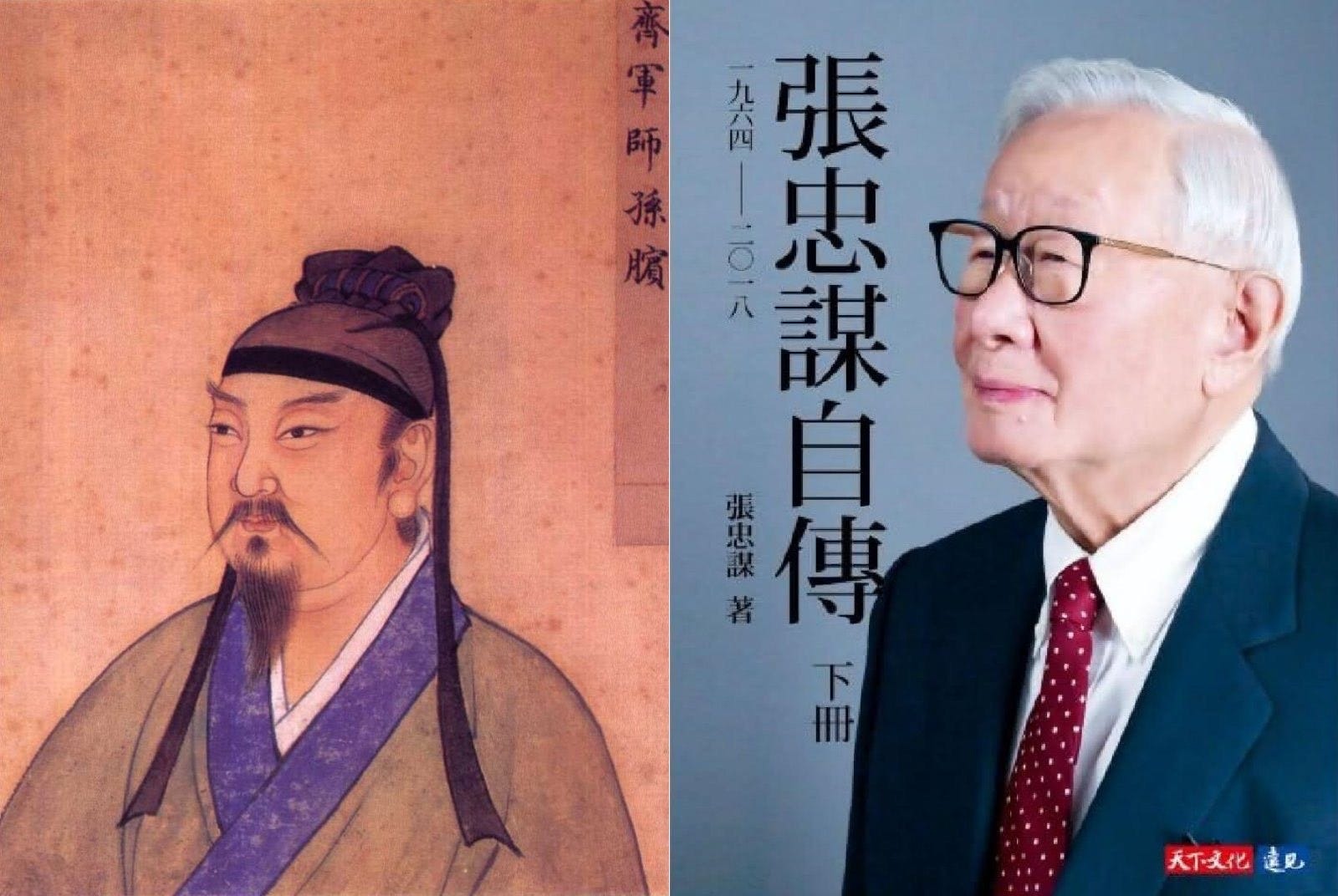
One of the earliest recorded applications of game theory can be found in the Grand Scribe’s Records (Shiji,史記), specifically in the biography of Sun Bin and Wu Chi(孫子吳起列傳): the story of Tian Ji’s horse race.
The military strategist Sun Bin, said to be a descendant of Sun Tzu, taught his employer how to overcome inferior horse quality and win a bet by adopting a “two-out-of-three” strategy. This led to the well-known tactic:
“Use your weakest horse against the opponent’s strongest, your strongest against their medium-tier, and your medium-tier against their weakest.”
This strategic lesson from over two thousand years ago is, in essence, the foundation of TSMC’s competitive advantage today. It also explains why Intel is collapsing, prompting the U.S. government and its board of directors to push for selling its manufacturing business to TSMC.
In 1985, Morris Chang responded to a request from K.T. Li and proposed the pure-play foundry model, founding TSMC. In the second volume of his autobiography, he explicitly states that this was “the semiconductor business model with the highest chance of success, given Taiwan’s conditions at the time.”
So, what were Taiwan’s “conditions” at the time?
A narrow interpretation would focus on the six-inch “demonstration line” at ITRI, which later became TSMC’s Fab 1. This pilot line had an exceptionally high yield rate, suggesting that if the team specialized in contract manufacturing, it could achieve international competitiveness.
Behind this high yield rate was a group of young, highly educated, and hardworking engineers. For example, in my podcast, former TSMC VP Chen Chien-Pang recalled how, at just 32 years old, he became a process manager at TSMC’s first fab. Chen had bachelor’s and master’s degrees in physics from National Taiwan University (NTU) and National Tsing Hua University (NTHU). He was part of a cohort that transferred from ITRI to TSMC, including the current Co-COO of TSMC, Y. P. Chin, who holds a master’s degree in electrical engineering from National Cheng Kung University (NCKU).
Chen recalled that from day one, TSMC prioritized “manufacturing excellence.” Engineers worked up to 80-hour per week, and nearly all production line engineers had master’s degrees. Supervisors were extremely strict—if a machine went down, they would demand: “Why did you stop the machine? Not allowed! We need to keep production going.”
Like Chen and Chin, tens of thousands of highly educated engineers graduated from Taiwan’s top universities each year, willing to endure harsh factory conditions. This broader interpretation of “Taiwan’s conditions” explains how TSMC had the right foundation for its success.
What Morris Chang Learned from Texas Instruments
Before founding TSMC, Morris Chang’s last position at Texas Instruments (TI) was as General Manager of Quality Control.
He was shocked to discover that for the same semiconductor product, TI’s Houston plant had a yield rate of just over 20%, whereas its Tokyo plant achieved 40–50%—almost double.
The key factor? The quality of personnel.
In Japan, semiconductor production lines were staffed by engineers with degrees in “relevant technical fields”, whereas in the U.S., top engineering graduates refused to work in factories, preferring R&D, marketing, or business roles instead.
The same issue applied to equipment engineers. In Japan, top-tier engineers ensured that advanced precision equipment ran at 90% efficiency, whereas in the U.S., the figure was just 50–60%.
Chang wrote that his experience at TI’s Japan division “directly inspired my vision for TSMC.” Even though Taiwan was a semiconductor “backwater” at the time, he believed that by assembling top graduates from NTU, NTHU, NCTU (Now NYCU) and NCKU—his “top-tier horses”—he could build a world-class wafer fab that would outperform those managed by medium- or low-tier engineers in the U.S.
This philosophy became the foundation of TSMC’s early success.
The Intel Problem: Prioritizing R&D Over Manufacturing
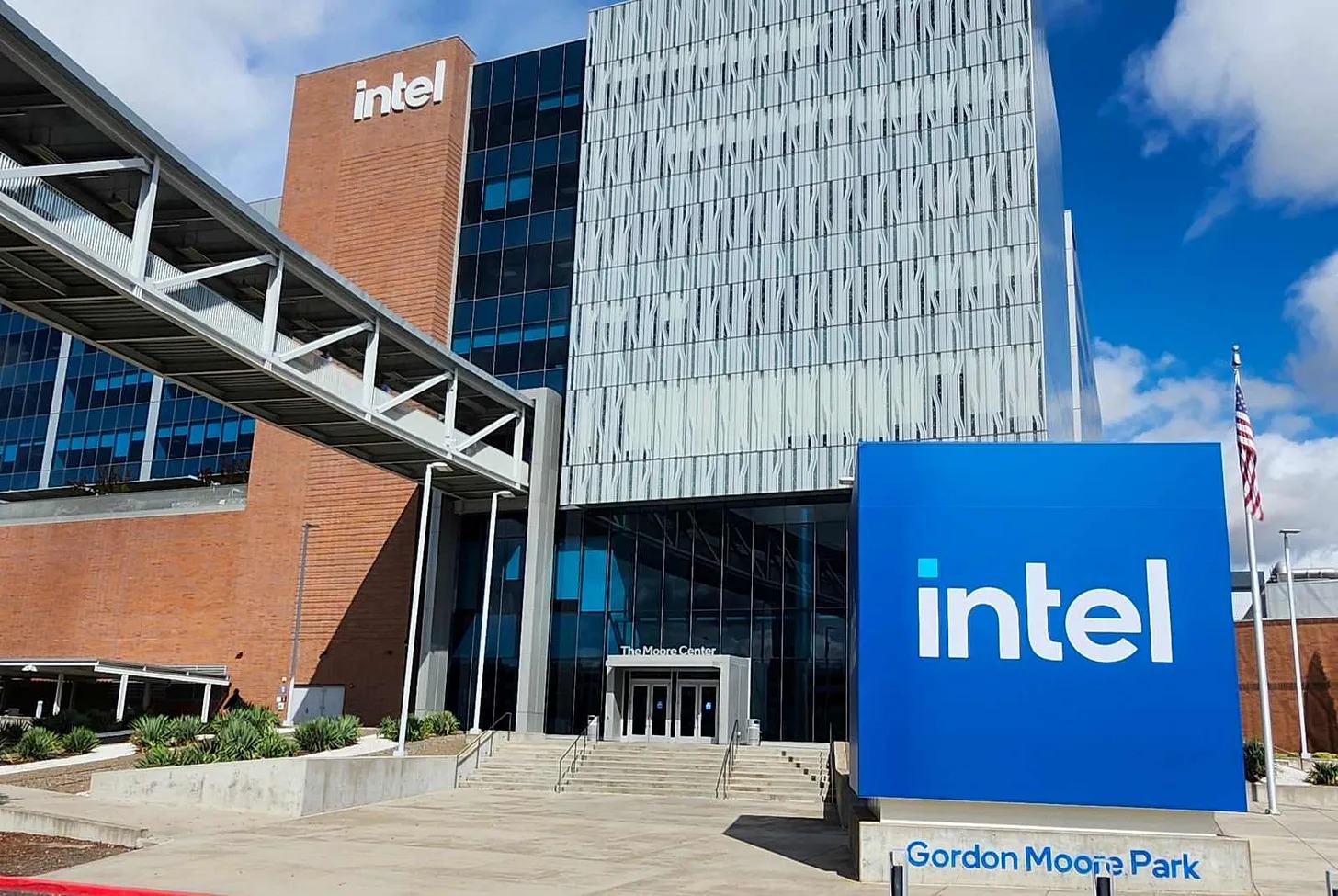 (Source: Shutterstock)
Decades later, it became standard for semiconductor fabs to be filled with highly educated engineers. But this led to societal concerns—were national university master’s graduates being “wasted” working night shifts running equipments on production lines?
A former TSMC plant manager scoffed at this notion: “How could it just be running equipments?” He argued that because TSMC has high-caliber engineers, “so our fabs can continuously innovate and improve.” Then, he added: “This is something Intel will never be able to match.”
(Continue reading the full analysis and Chen Liang-rong's exclusive interview on Tech Taiwan Substack.)
Views

Subscribe to CWE Newsletter (every Thursday)
Stay abreast of what's happening in Taiwan with our weekly digest.
Keywords: