Will Europe Choose Taiwan as Trust in China Fades?
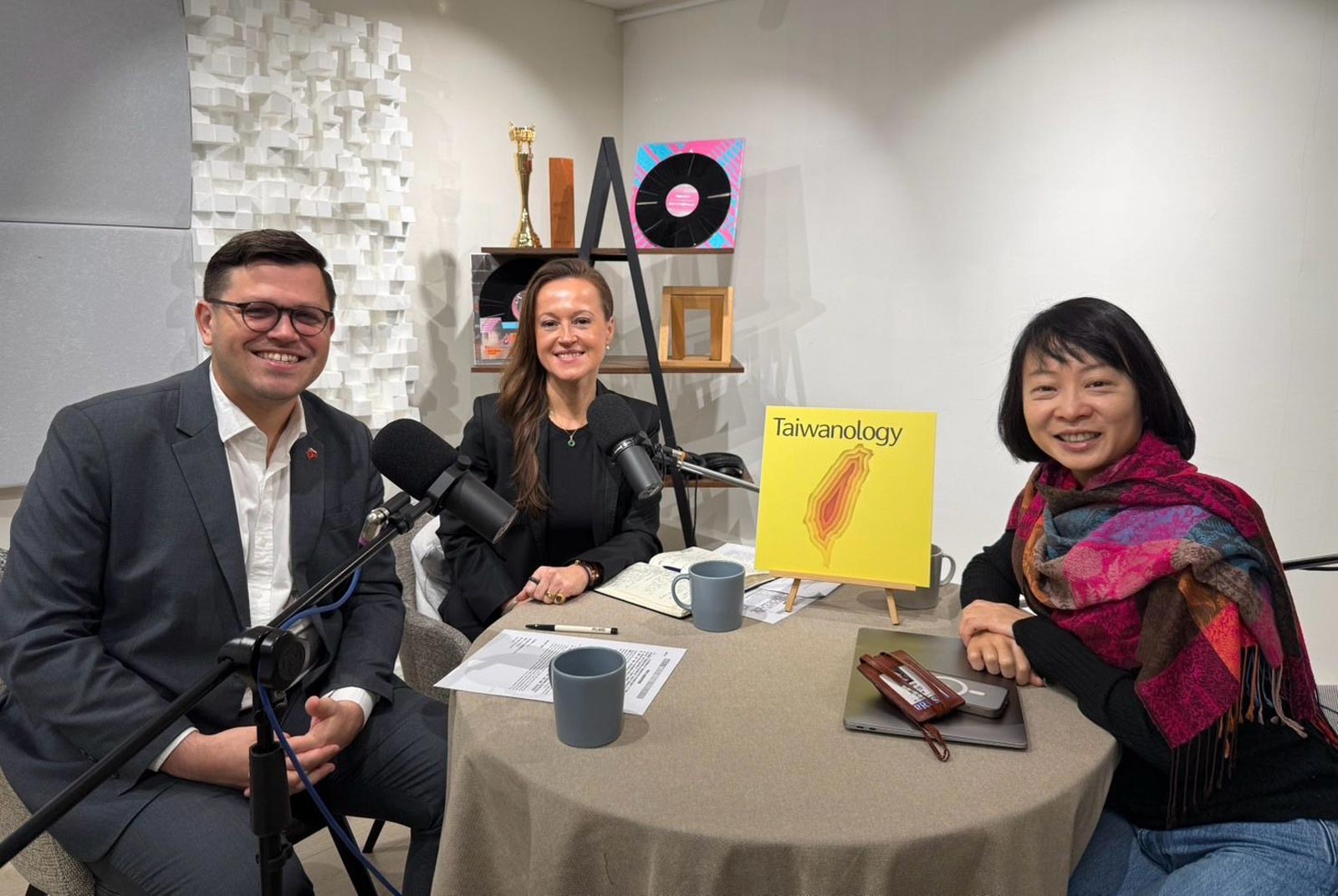
Source:Taiwanology
Just weeks ago, Taiwan's Vice President Hsiao Bi-khim delivered a rare speech inside the European Parliament—a venue once unthinkable for a senior Taiwanese leader. At the same time, European delegations to Taiwan are rising, signaling a fundamental shift in a relationship long confined to quiet trade and cautious exchanges. What is driving this five-fold increase in engagement, and can Taiwan deliver the substance needed to sustain it? We dive in with Dr. Zsuzsanna Ferenczi and Matej Šimalčík.
Views
Will Europe Choose Taiwan as Trust in China Fades?
By Taiwanologyweb only
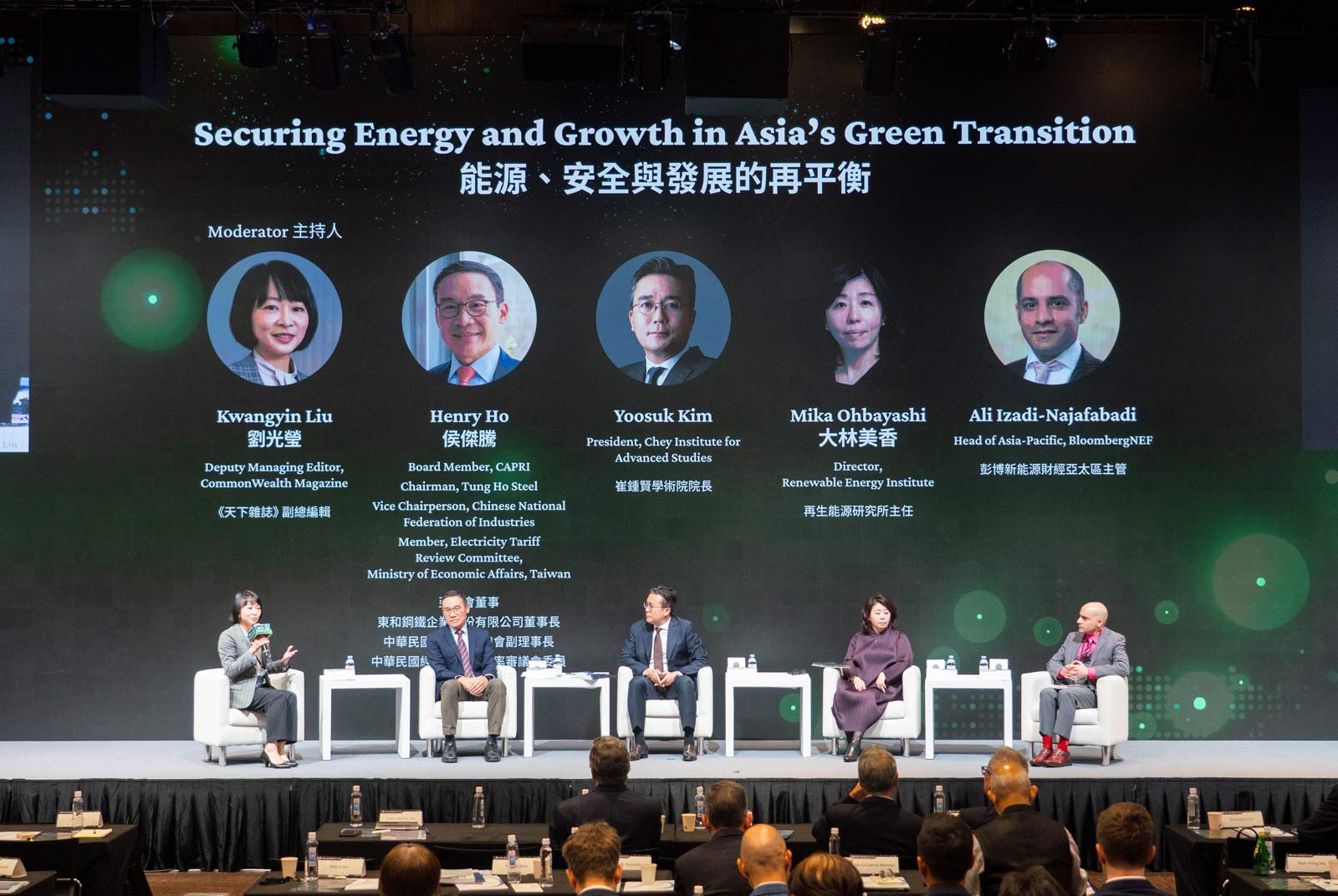
The following is the transcript of the latest episode of the Taiwanology podcast. It was produced by CommonWealth Magazine, hosted by Kwangyin Liu, and was first aired on December 23, 2025. The guests were Dr. Zsuzsanna Ferenczi, Visiting Fellow at the Wilfried Martens Centre for European Studies, and Matej Šimalčík, Executive Director of the Central European Institute of Asian Studies (CEIAS).
Listen to the episode: Will Europe Choose Taiwan as Trust in China Fades? 【Taiwanology Ep.55】
The End of "Quiet Caution"
Kwangyin Liu (Host): "For decades, this relationship was managed with extreme caution... confined to quiet trade... But that era, some might say, is ending."
"The data shows an astonishing five-fold increase in interactions between the EU countries and Taiwan from 2019 to 2024. This acceleration is driven by three main factors, geopolitical necessity, the weaponization of trade, and a renewed focus on democratic security."
Matej Šimalčík explained that this shift wasn't sudden but born from a gradual erosion of trust in traditional partners.
Matej Šimalčík: "We had really erosion of confidence across Europe, especially in Central and Eastern Europe in China... Which was spurring these countries to look for new partners in the Pacific region, including with Taiwan."
A Landscape of Disruption
Host: "What makes this moment a crucial moment for Taiwan and Europe relations?"
Zsuzsanna Ferenczi: "I spent the last three months in Europe and my observations are that Europe is quite in a difficult place... everyone in their own countries... feel the geopolitics shifting really fast, and not having enough time to catch up... In this context of really anxiety and depression mood that is really heavy on all of us... finding EU-Taiwan relations is not an easy task."
Zsuzsanna identified three specific "disruptors" that are forcing Europe to rethink its alliances: Russia, China, and the United States.
ZF: "You will not be surprised if I tell you that everyone's concerned about the future of Ukraine and Russia... securing Ukraine's future is securing Europe's future. But immediately to the Russia factor, I would add the China factor. And then immediately to that... it's the Trump factor."
She elaborated on the "Trump factor" and the sense of isolation it brings to European strategists.
ZF: "We are in the process of rethinking it all in light of our feeling, rightly so, of being abandoned by our closest ally, which is the United States. So this is on top of people's minds... I think the bright spot comes in when we identify who we do this with... we need to look further to where we sit, which is the Indo-Pacific, and Taiwan is at the heart of it."
Mapping the Friendship: From "Old Partners" to "Laggards"
Host: "The most interesting part I find is the four categories of the EU member states. So please tell us."
Matej broke down the findings of the CEIAS report, Partners in Need, Partners in Deed, which analyzed 30 European countries to categorize their engagement with Taiwan.1
MS: "If we sort of step back... we do see a trend that we were able to come up with this categorization... The first one being “old partners” of Taiwan... the relationship is more or less settled... There we included three countries, Germany, France, and also the UK."
"Next up, we have new friends... countries that started to engage Taiwan or re-engage... a bit later on... We have three countries there, Czechia, Lithuania, and Poland."
"The biggest group... would be the pragmatists... countries that are not so politically active with Taiwan, but they do have rather robust economic relations... You have countries like the Netherlands, for example, a country that's crucial to Taiwan's economy... or the Nordic countries."
"And last but not least, we have the laggard group... group of countries that have almost no interactions with Taiwan. You can see, for example, Bulgaria there, Romania, Greece, even Cyprus... but also Latvia and Estonia."
However, Matej noted that these categories are fluid, specifically mentioning Estonia's recent moves.
MS: "Of course, we know that Estonia is negotiating about opening representative offices. So maybe we will have to bump it up a category next time."
The "Substance vs. Symbolism" Dilemma
Host: "What would the recommendations be for Taiwan if we want to ride this momentum and improve Taiwan-EU relations going forward?"
MS: "We do have... a lot of debates about to what extent Taiwan should focus on substance versus symbolism. And this is a key dilemma that Taiwan is facing in Europe."
Matej argued that while symbolic acts—like the visit of Czech Senate President Vystrčil—were necessary to "open the floodgates," the relationship now requires tangible economic results to survive domestic European politics.
MS: "There are very specific needs that EU has in terms of developing its defense industry, in terms of developing its overall economic competitiveness, making supply chains more resilient... This is one area where Taiwan should be focusing."
He warned that without economic substance, populist leaders in Europe might turn away from Taiwan.
MS: "In some of the countries that were essentially the vanguards of engaging Taiwan, like Lithuania or even Czech Republic, you do hear opposition leaders that may not be so interested in engaging Taiwan solely for being a like-minded partner... Crucially, in the Czech Republic... we do have a new government just formed by a populist prime minister who will probably not be interested so much in the symbolic engagement if it's not matched with actual economic benefits."
Agency and Active Partnership
Host: "I think it's time for Taiwanese government officials and maybe businesses to think about what Taiwan can offer Europe."
ZF: "I think Taiwan has a lot of agency... Taiwan needs to have this conversation with Europe. And be an active partner because that's the definition of partnership."
Zsuzsanna concluded by emphasizing that the "substance vs. symbolism" debate shouldn't be a zero-sum choice, but a balancing act.
ZF: "We need to understand what it means to Taiwan when they ask for symbolism and why Europeans ask for substance... We need to overcome that dilemma with not a versus kind of situation, but we need to understand that both are important. We just need to have the right balance."
Have you read?
- Taiwan’s Growing Climate Voice at Brazil’s COP30
- What Giant’s Forced Labor Case Means for Taiwan
- Beyond the Headlines: A Conversation on Peace, Gaza, and Taiwan
Uploaded by Ian Huang
Views

Subscribe to CWE Newsletter (every Thursday)
Stay abreast of what's happening in Taiwan with our weekly digest.
Keywords: