It’s time to make hydrogen dreams come true
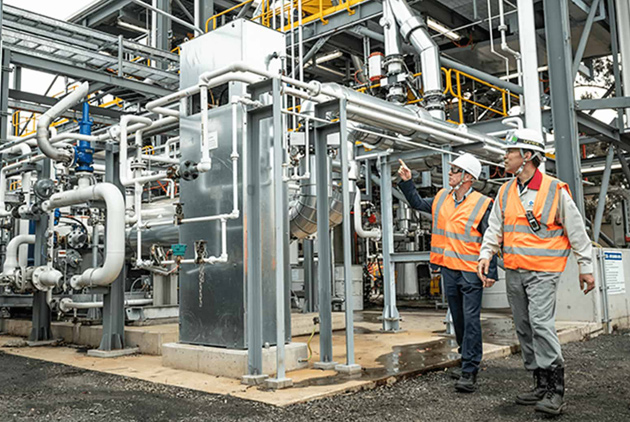
Source:Department of Industry, Science, Energy and Resources
Australia lists hydrogen as the most important energy of electricity transition. And in Taiwan, where LNG is rapidly ramping up to replace coal-fired electricity generation, hydrogen can play a role in further reducing the total emissions of this relatively cleaner source of energy.
Views
It’s time to make hydrogen dreams come true
By Dr Alan FinkelFrom CommonWealth Magazine (vol. 721 )
The engineering method of first identifying the problem before jumping to a solution reflects the need to get to the very heart of an issue before we can solve it. After years of study and analysis, we know that dangerous climate change is one of the greatest problems facing the whole world. We also know that this problem is driven by global warming due to increased greenhouse gases, principally carbon dioxide, in our atmosphere.
Mostly, the emissions are the by-product of a civilisation dependent upon energy. We use energy for growing crops, building homes, educating our children and investing in our health. Energy is integral to lifting countless millions out of poverty.
Each new generation brings increased demand for energy. For centuries we have satisfied that need by burning fossil fuels. Every new fuel source – from burning wood to coal – has added to the mix and now nearly three quarters of greenhouse gas emissions come from burning fossil fuels.
For the first time in our history, new sources of energy must replace the old. Ultimately, the world will mostly shift from fossil fuels to sunshine. Sunshine that is converted by solar panels into electricity, or sunshine that creates the wind and rain that drive wind and hydroelectric turbines.
The global shift will also transform how we transport energy between the continents; and hydrogen will be Australia’s solution.
Once we have fully transitioned from fossil fuel to zero emissions electricity we will have achieved what I call the Electric Planet.
The transformation starts with electricity. Australia is making good progress and last year approximately 26 per cent of all electricity in our national energy market was generated from renewable energy.
Australia has the world’s highest installed solar generation capacity per capita, the highest penetration of rooftop solar on homes, and for the last three years our rate of deployment of wind and solar per capita was unmatched.
Despite this rapid progress, the pathway to the Electric Planet is not easy. We need to convert our electricity system to zero emissions, then triple the output to replace fossil fuel uses in transport, industry, building heating and mine sites. That pathway is unfathomable without the ongoing deployment and development of new and improved technologies.
The Australian Government launched its Low Emissions Technology Investment Roadmap last year, which charts the contribution of low emissions technologies across the whole of the economy.
The underlying principle of the Roadmap is that we must reduce emissions while simultaneously achieving economic growth and prosperity. Both ambitions can be met by investment in new technology and developing new export markets. We have a crystal clear opportunity to be a major player in a future new energy economy, not just the present one.
The Roadmap’s strategic intent is to identify low emissions technologies that have large abatement potential, substantial economic potential, build on Australia’s comparative advantages and will benefit from government co-investment with industry in research, demonstration and early stage deployment.
The Roadmap’s strategic goal is to hasten the low emissions newcomer technologies down their cost curve to the point where they become cost competitive with high emissions incumbents, at which time a tipping point will occur and customers will embrace the newcomers.
And because we are looking at the future well beyond 2030, the Roadmap does not shy away from technologies that will take many years to deliver substantial rewards.
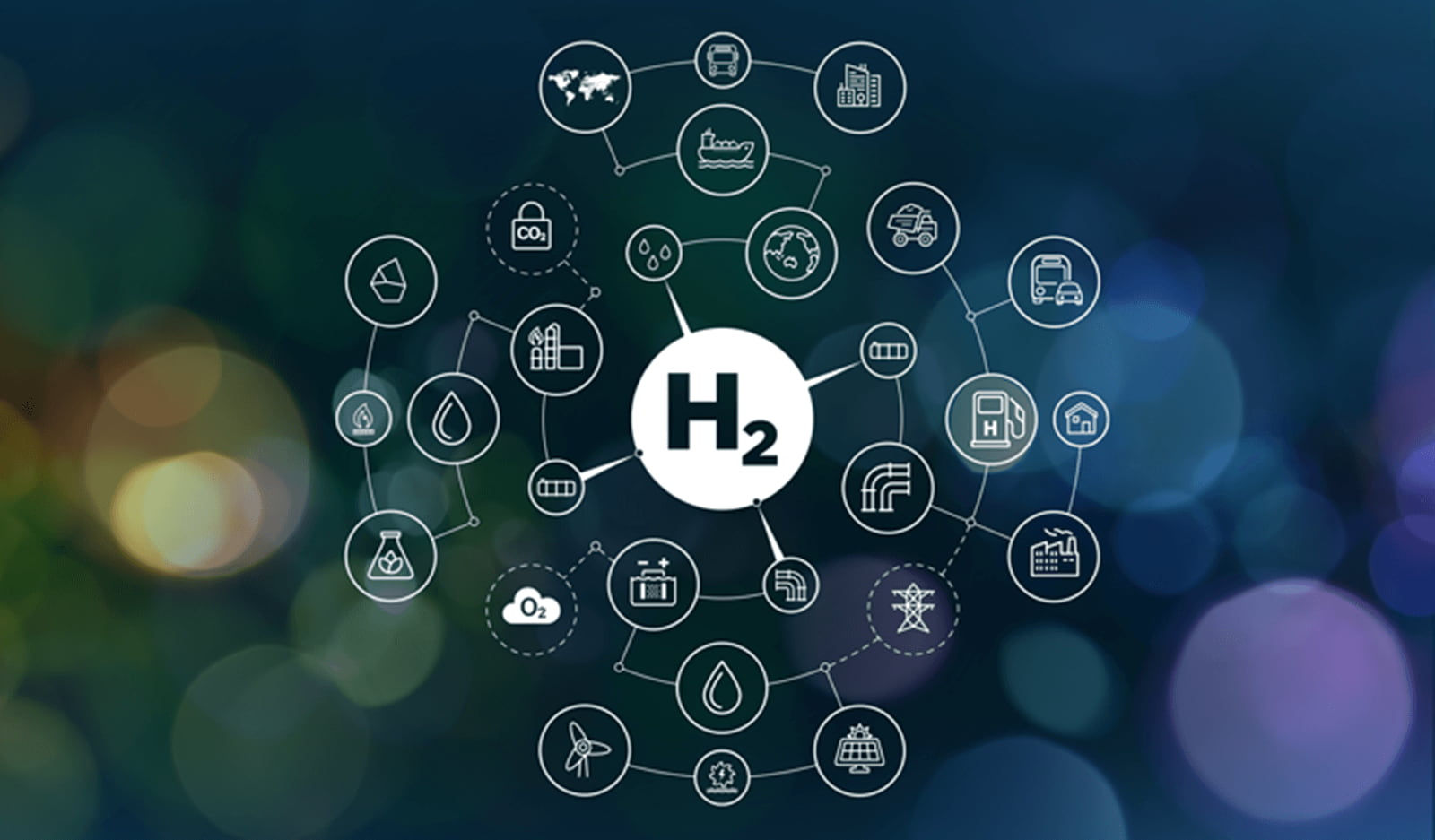
I had the honour to chair the panel that advised the Minister for Energy and Emissions Reduction, Angus Taylor, on the first instalment of the Roadmap, released last year. We identified five priority technologies for support: electricity storage, zero emissions steel and aluminium, geosequestration through carbon capture and storage, biosequestration through increasing the concentration of organic carbon in soils, and clean hydrogen.
A study from McKinsey & Company for the global Hydrogen Council projects the price of producing hydrogen from renewable electricity could fall 60 per cent by 2030 – from US$6 to US$2.60 per kilogram. At this price, hydrogen would be competitive with conventional fossil fuels for long-distance trucks and trains, and with renewable electricity for high-temperature industrial heating.
Australian developers and investors are poised to build gigantic hydrogen production facilities and can do so in just a few years from financial commitment to first production. For example, the Asian Renewable Energy Hub is a 26-gigawatt wind and solar generation facility in Western Australia, primarily for large-scale production of clean hydrogen and ammonia for export.
Blending 10 per cent hydrogen into the gas distribution network could be done relatively quickly. It is not that hard to do, because in Australia the gas distribution pipes in our major cities are already made from polyethylene, which happens to be hydrogen-compatible. Blending hydrogen at this level would not require any changes to consumer appliances, and could be done at very little cost to the consumer. The industry would gain enormous experience, and costs would decline because of the production scale.
In Taiwan, where LNG is rapidly ramping up to replace coal-fired electricity generation, hydrogen can play a role in further reducing the total emissions of this relatively cleaner source of energy. Programs are underway to allow existing gas-fired power plants to burn up to 10 per cent clean hydrogen, while next generation plants allow higher and more flexible ratios, including up to 100 per cent hydrogen.
Australia’s National Hydrogen Strategy identifies clear measures of success by 2030, such as: an exemplary safety record; Australia being a top three supplier to Asia; and an international certificate of origin scheme in place to prove the provenance and production quality of each kilogram of hydrogen produced. The Australian Government has also committed more than A$500 million to the hydrogen industry by the Commonwealth government in the past few years.
I know that Taiwan has a reliable and long-standing partner in Australia, its number one provider of energy and resources, who will help meet its ambitious energy transition plans. It is only through partnerships that we can tackle the global problem posed by dangerous climate change, and Australia has much we can share. Just as Australia is a reliable source of LNG to Taiwan, we also stand to be a major supplier of clean hydrogen.
Around the planet the pace of research, demonstrations, product development and pilot projects is accelerating, seemingly by the day. For the anxious, progress is too slow, but look back a few decades from now and history will record the hydrogen industry as an overnight success.
About the author:

Dr Alan Finkel AO is Special Adviser to the Australian Government on Low Emissions Technology. Dr Finkel previously served as Australia’s Chief Scientist from 2016 to 2020, where he led the development of Australia’s Technology Investment Roadmap and National Hydrogen Strategy.
Have you read?
♦ Is Taiwan ready for the hydrogen economy?
Uploaded by Penny Chiang
Views

Subscribe to CWE Newsletter (every Thursday)
Stay abreast of what's happening in Taiwan with our weekly digest.
Keywords: