Can Public-Private Partnerships Save Taiwan’s East Coast Infrastructure Project?
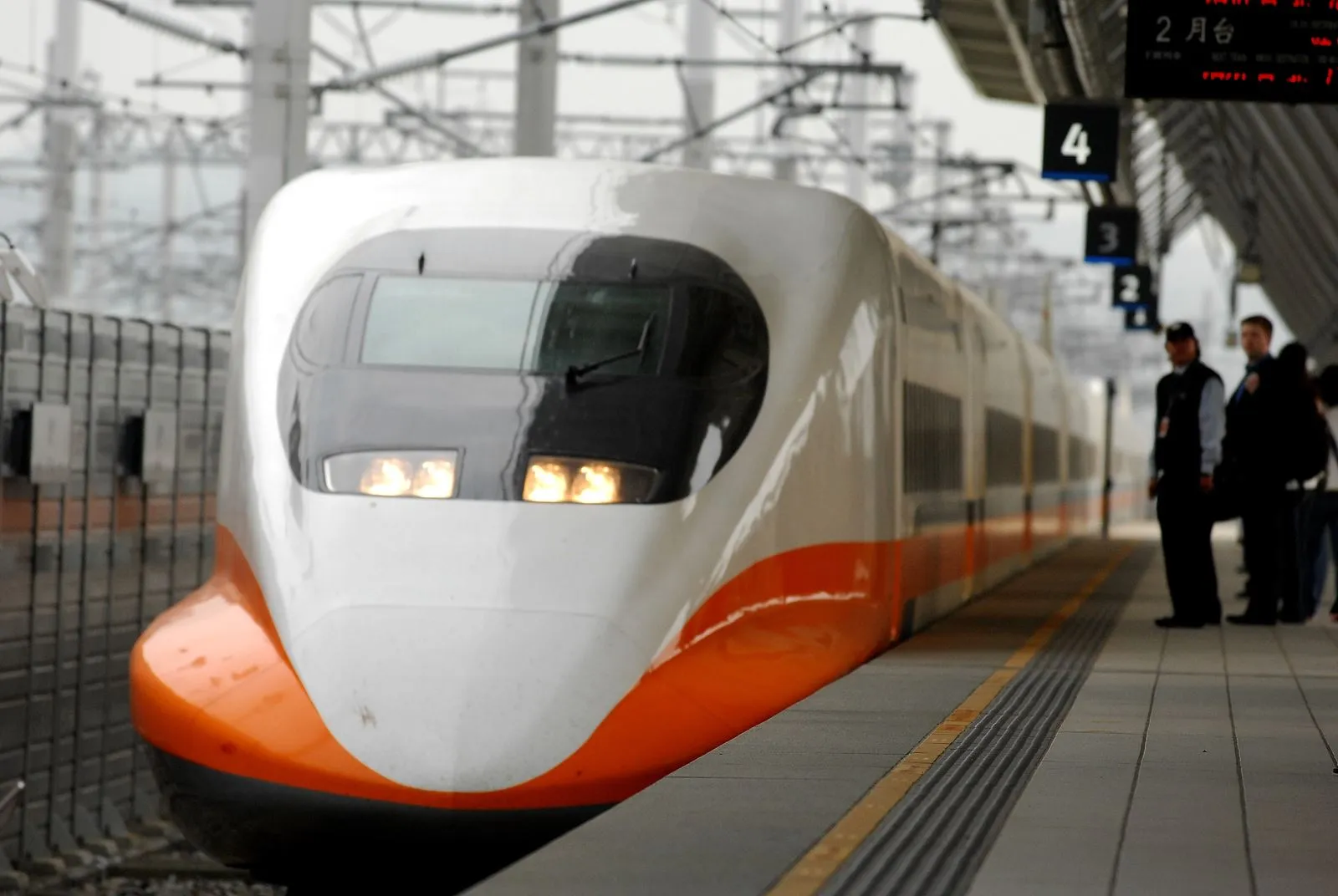
Source:CommonWealth Magazine
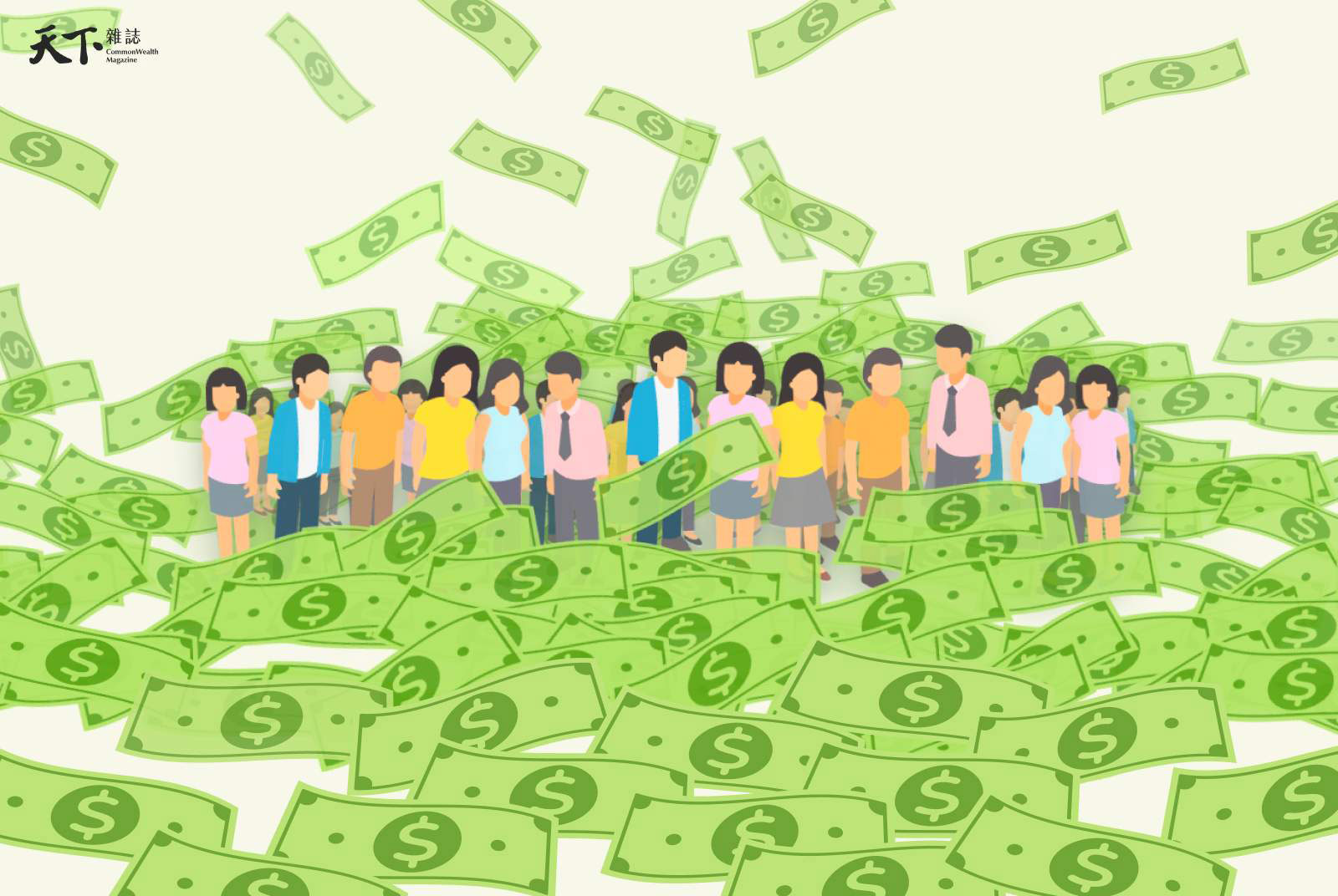
The proposed infrastructure project for Taiwan’s east coast raises an uneasy question: are the Taiwanese people willing to sacrifice health care and defense budget to reduce travel time on the east coastal cities?
Views
Can Public-Private Partnerships Save Taiwan’s East Coast Infrastructure Project?
By Chang-Tai HsiehFrom CommonWealth Magazine (vol. 801 )
Taiwan’s opposition parties are pushing for three major infrastructure projects on the East Coast of Taiwan. The estimated cost of these projects exceed NT$2 trillion, which is more than 70% of the entire annual budget of Taiwan’s central government.
Therefore, everything else in the government’s budget – health care, education, and national defense for example – would have to be cut to the bone to pay for the East Coast infrastructure projects.
The enormous cost of the proposed East Coast projects forces one to confront the trade-offs in the government’s budget. Are the Taiwanese people willing to give up their health care to reduce the travel time between Hualien and Taichung? How much of Taiwan’s national defense should be sacrificed to fund a high-speed rail system in a part of the country where less than 5% of the population lives?
Advocates of the East Coast infrastructure projects argue that these painful tradeoffs do not have to be made. Instead, they can be funded via the same mechanism used to build Taiwan’s high speed rail.
In that case, the government did not directly pay for the construction of the HSR. Instead, the construction costs were paid by the Taiwan High Speed Rail Corporation, which then recouped their investment via transfers from the government and user fees.
Similar funding schemes, known as “Public-Private Partnerships” (PPPs), have been widely used throughout the world to fund infrastructure projects. For example, China used a similar mechanism in 2008 to fund their 4 trillion yuan infrastructure program, which was roughly 10% of China’s GDP at the time. Instead of directly borrowing money to fund these projects, Chinese local governments created off-balance sheet public-private joint ventures to pay for the infrastructure projects. They did this because, as is the case with supporters of the East Coast infrastructure project, they did not want the spending to show up on the government’s balance sheet.
Of course what we know now, 15 years later, is that it was all just an illusion. Many of the off-balance sheet companies are not able to pay back their debt, and ultimately Chinese local governments are being forced to bail them out.
Bad infrastructure projects are bad, regardless of whether the government chooses to fund them with debt or via off-balance sheet entities. A project needs to be judged by its merits and the tradeoffs carefully considered. The decision of how to fund them is irrelevant, and only an illusion of bad accounting rules that treat PPPs differently from government debt.
Specifically, suppose that a project is funded via a PPP. The cost of the project does not show up on the government’s balance sheet, so it looks like we got a major piece of infrastructure for “free.” However, standard fiscal accounting rules do not take into account that the government needs to commit that it would give up the right to collect user fees from the project or that it would transfer funds to the PPP.
Now suppose that the same project is directly funded by the government via debt. In this case, the debt directly shows up on the government’s balance sheet, and the government can collect the user fees that it would have otherwise given to the private company under the PPP agreement. In the end it makes no difference whether the user fees go to repay the government’s debt or the private companies.
Furthermore, we have learned from the experience of many countries that the illusion that PPPs provide “something for free” also removes the scrutiny that stops bad projects. Why scrutinize if public funds are not at stake? Why scrutinize if somebody else will pay? This is what has happened in China, and is at the root of the debt crisis it faces today.
We have also learned that PPPs are routinely renegotiated, and the government is always left with higher costs. Mexico privatized its highways in the 1980s, and the majority of these contracts were renegotiated, saddling the government with $13 billion dollars in higher costs. More than 90% of the PPPs in Chile were renegotiated and increased the costs of the government by 30%.
The same happened in Taiwan with the high speed rail, where the contract was renegotiated about 10 years ago when the Taiwan High Speed Rail Corporation almost went bankrupt. The HSR survived only when the government injected a large amount of cash and restructured the ownership of the company. Ultimately, the experience with most PPPs is that when things go well the private companies do well but when things do poorly, the government is always left holding the bag.
That is not to say that there isn’t an economic case to be made for PPPs. For example, PPPs may make sense when the government can not borrow money (say because it has a history of defaulting on its debt) but private companies can. PPPs can also be justified if the private company will be better incentivized to maintain the infrastructure project with a PPP contract.
Many governments do not maintain their infrastructure properly because building a project is frequently more politically attractive than the boring work of maintenance and repair. I am skeptical that either argument is relevant to Taiwan, but this is the argument that needs to be made for PPPs to make sense.
Ultimately there is no substitute for careful consideration of the tradeoffs in any public spending program, regardless of how they are funded. What are the benefits from a high speed rail from Hualien to Taipei relative to the slower train that currently runs between the two cities? What would we need to give up to get these benefits? PPPs are not a magic bullet, and can be downright dangerous if they delude us into thinking that such questions are not necessary.
About the Author
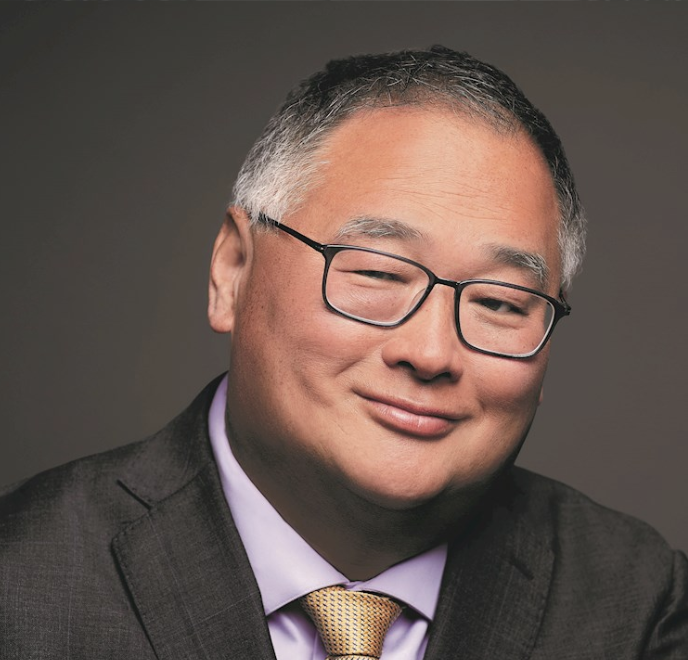
Chang-Tai Hsieh is the Phyllis and Irwin Winkelried Professor of Economics and PCL Faculty Scholar, University of Chicago Booth School of Business
Have you read?
Uploaded by Ian Huang
Views

Subscribe to CWE Newsletter (every Thursday)
Stay abreast of what's happening in Taiwan with our weekly digest.
Keywords: