Before TSMC: Morris Chang’s Lost Vision and The Report That Could’ve Changed TI
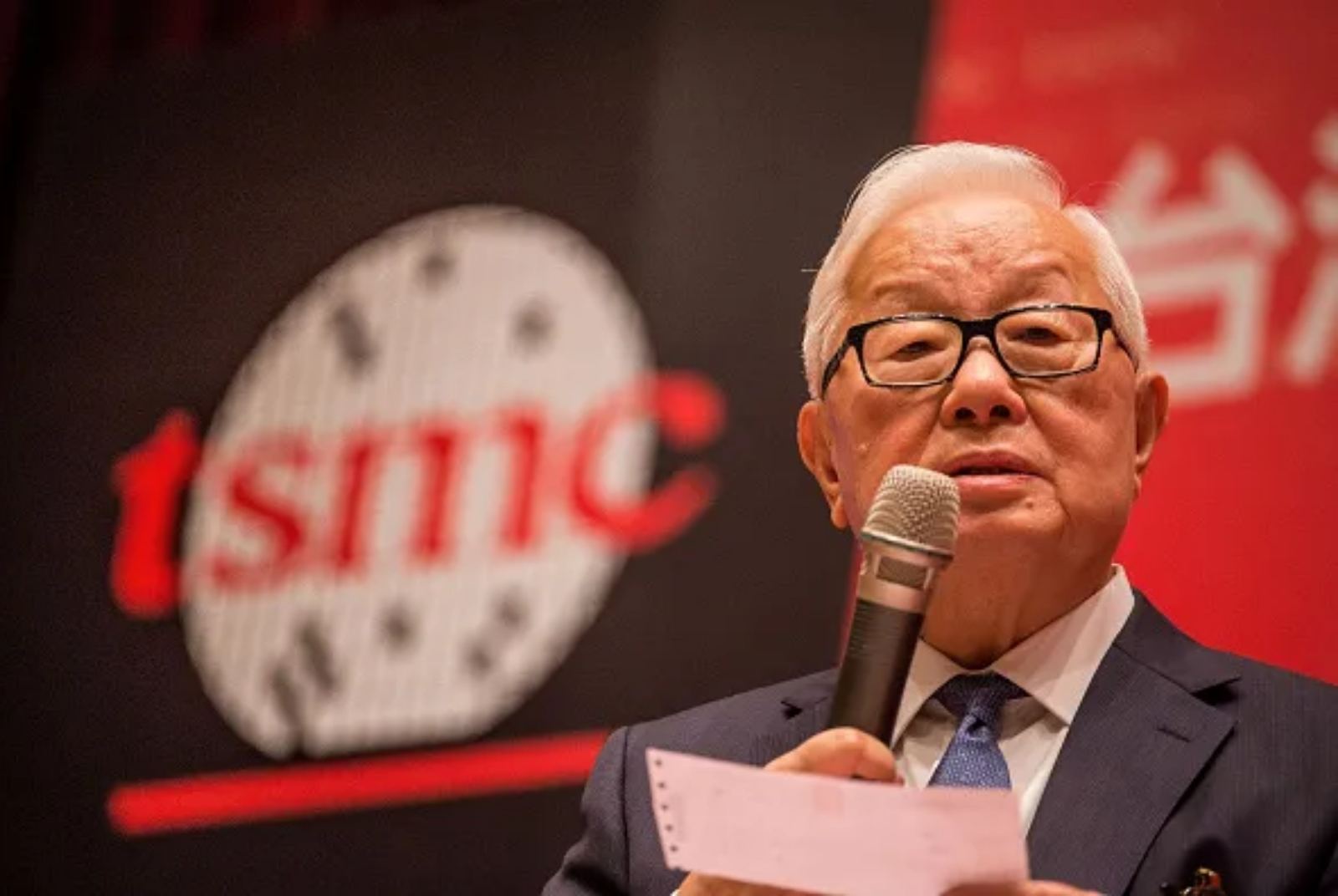
Source:Bloomberg
Years before starting TSMC, Morris Chang had already envisioned the chip foundry model—while still at Texas Instruments. A newly uncovered 1976 report reveals how his bold proposal was ignored, setting him on the path to reinvent the global chip industry from Taiwan. Read Liang-rong Chen’s latest column.
Views
Before TSMC: Morris Chang’s Lost Vision and The Report That Could’ve Changed TI
By Liang-rong Chenweb only
I used to mention that Chris Miller, author of Chip War, had discovered a document in Texas Instruments’ (TI) historical archives. It proved that Morris Chang, founder of TSMC, had already formed the preliminary idea of the foundry model while still working at TI.
Miller sent me the scanned images of that document.

It was a 16-page report presented by 45-year-old Morris Chang, then General Manager of TI’s Semiconductor Group, at a strategic planning meeting in March 1976.
The content was classic Chang—logically rigorous, vividly argued, supported by numerous charts, and bold in its conclusions.
Citing breakthroughs in multiple process technologies and the rapid takeoff of the market, he predicted that semiconductors were entering a golden decade. He strongly advocated that TI invest heavily in advanced technologies, not only for internal use in its own electronics products, but also to sell to the external market—marking the first step toward the foundry model.
Reading it now evokes a mix of admiration and regret.
At the time, TI had already made what could be considered one of the most foolish decisions in tech history: shifting its focus from semiconductors to consumer electronics, a move that led to a rapid decline in the following years.
Chang, delivering his report at the meeting, must have felt like a loyal minister powerless to reverse the course of a collapsing empire—yet he still held out hope of turning the tide.
We all know how the story ends: the proposal was shelved, and Chang’s once-smooth career took a sharp turn, eventually leading him to Taiwan a few years later.
He Always Believed in the Experience Curve
One section of the document caught my eye: it argued that semiconductor costs would decline along an “experience curve.”
(Continue reading the full story on Tech Taiwan Substack.)Have you read?
- TSMC’s Morris Chang on Intel’s Woes, Samsung’s Flaws, and Inviting Nvidia’s Jensen Huang
- TSMC’s Path to Semiconductor Foundry Leadership: Insights from Morris Chang's Memoir
- TSMC’s Shohei Ohtani: The Key Man Driving Its U.S. Expansion
Uploaded by Fiona Lin
Views

Subscribe to CWE Newsletter (every Thursday)
Stay abreast of what's happening in Taiwan with our weekly digest.
Keywords: