Trump’s Tariffs to Hurt Taiwan Profits — AI Sector Most Vulnerable

Source:Shutterstock
Donald Trump has dropped a bomb on the world economy with his “reciprocal” tariffs, and they are not likely to bring good news for Taiwanese companies this year. The AI supply chain could be hit particularly hard.
Views
Trump’s Tariffs to Hurt Taiwan Profits — AI Sector Most Vulnerable
By Jamie Yangweb only
After U.S. President Donald Trump announced his tariffs on April 2, the assessment of their impact on the performance of Taiwan’s companies this year and the local stock market was grim.
Capital Investment Management Corp. President Rico Fan (范振鴻) and Taishin Securities Investment Advisory Vice President Tony Huang (黃文清) both said the tariffs were higher than anticipated and that stocks could experience a steady fall in the second quarter, with the Taiex falling below 20,000 points, a barrier not breached since August 2024.
Fan and Huang recommended that investors adopt a conservative investment strategy, largely because of two major headwinds — profit erosion and tighter monetary policy.
Risk 1: Corporate Profits Could Shrink Sharply
The first and most immediate concern is declining corporate profitability. If the proposed tariffs are enacted, Taiwanese exports to the U.S. could face duties as high as 32%, slashing margins by up to one-third. Even Taiwanese firms manufacturing in Vietnam, Thailand, or Indonesia are not safe. Those operations could be hit with tariffs ranging from 32-45 percent.
With the U.S. as a major end-market, higher import costs will likely push up retail prices. If U.S. companies pass the higher tariffs on to consumers, demand could fall, further depressing sales and profits for vendors in exporting economies such as Taiwan.
In fact, warning signs are already appearing. In the past month, American retail giants such as Costco, Target, and Walmart have all revised their earnings forecasts for 2025 downwards. Analysts attribute this to the chilling effect of tariff uncertainty.
“The market is already pricing in future expectations,” Fan said. With Taiwan’s market closely tied to U.S. performance, a slowdown in American demand combined with the tariff-related erosion of margins virtually guarantees a correction in the second quarter.
As for the second half of the year, much will depend on how affected countries deal with Washington on the tariffs. Whether countries take retaliatory action or find room for negotiation will determine whether the market stagnates or falls.
The worst case scenario, Fan warned, was if any country announced it would follow suit in raising tariffs, leading to a domino effect, it could trigger a broader economic downturn.
“We could even see a repeat of 2022 [a bear market],” Fan said.
Risk 2: The Fed May Delay Rate Cuts
The second threat to equity markets is monetary. The U.S. Federal Reserve could slow the pace at which it cuts interest rates, meaning that liquidity could tighten.
Huang pointed to a sharp drop in the U.S. 10-year Treasury yield, which fell to 4.05 percent on April 3 — its lowest point this year. The decline signaled rising market fears of a recession, despite strong labor data. While the hard numbers look solid (February’s unemployment rate hovered at 4.1 percent), soft indicators — such as consumer confidence and the Purchasing Managers Index — were sliding.
“At this point, the Fed can’t afford to act hastily,” Fan said. While inflation appears to be easing, the central bank is unlikely to cut rates at this moment or give in on rate cuts in the near future. It remains a major question mark whether the Fed will cut rates in June as had been anticipated.
AI Stocks: A Cooling Trend
As for Taiwan’s AI sector, which has been strong for the better part of the past two years, Fan’s message was blunt: “Don’t bother looking at it for the time being.”
The reason is that while semiconductors were exempted from Trump’s tariffs, at least temporarily, many Taiwanese companies specialize in server manufacturing and components. If the exports of these tech stocks face new tariffs, it is unclear whether they or the major brands they sell to will have to absorb the added costs. The ambiguity is creating a drag on sentiment.
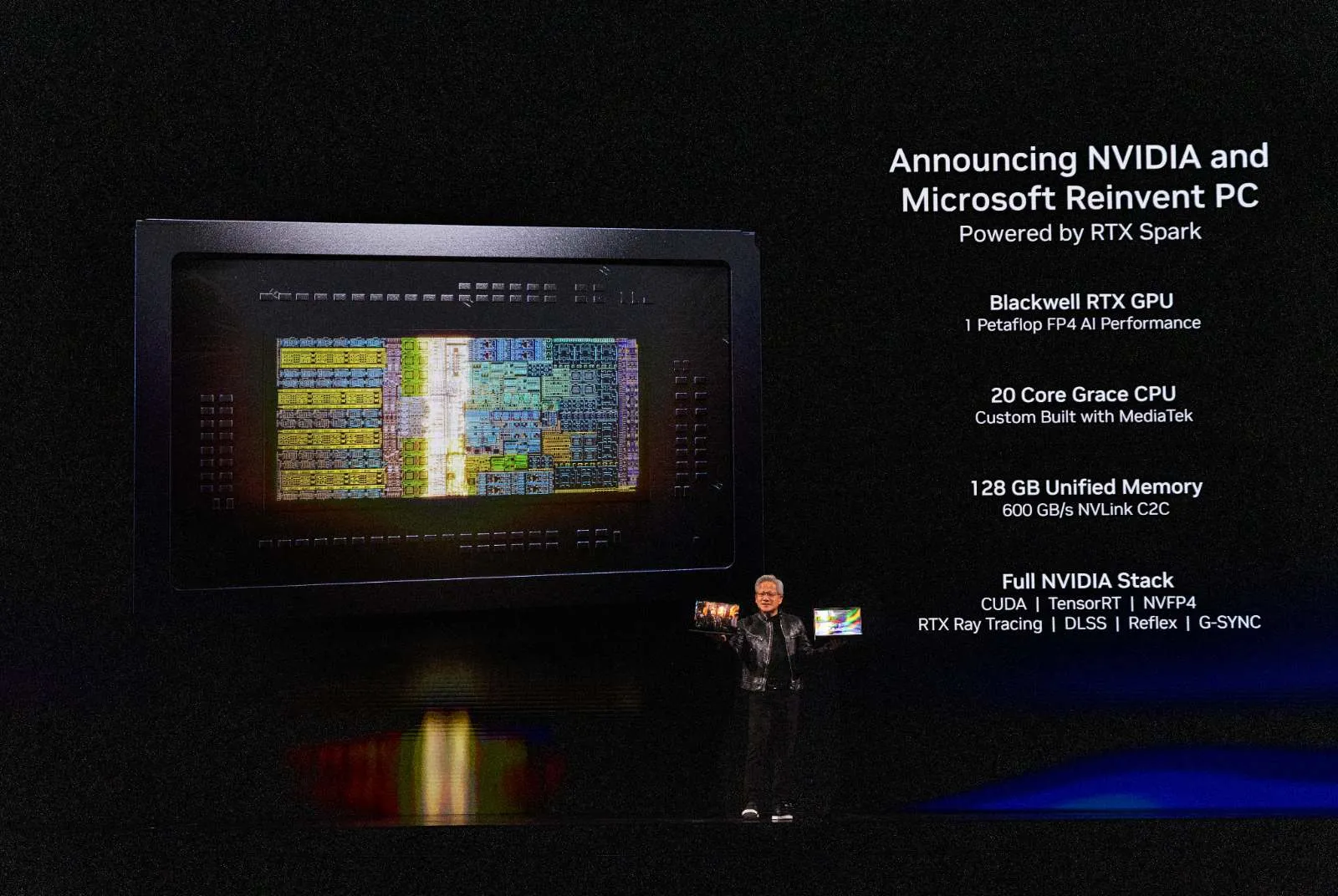
Even though Nvidia is expected to deliver a strong Q1 earnings report, its Taiwanese ODM and component partners have not seen meaningful revenue growth recently. Delays in shipping its GB200 AI superchip are part of the problem, and the next-generation GB300 may also be postponed. As a result, even healthy order books aren’t translating into visible profits.
“In this environment,” Fan said, “AI-related stocks are unlikely to perform well this year.”
Have you read?
- Taiwan Stock Market Plummets as Trump’s Tariff Announcement Spurs Panic Selling
- Taiwan Businesses Brace for 32% U.S. Tariff Shock
- Trump Unveils Reciprocal Tariffs, Threatening Global Supply Chains
Edited by Luke Sabatier
Uploaded by Fiona Lin
Views

Subscribe to CWE Newsletter (every Thursday)
Stay abreast of what's happening in Taiwan with our weekly digest.
Keywords: