Joseph Huang, the Chairman of E.Sun Financial Holding Company: Business Leaders Are Entering a "Three-Body World"
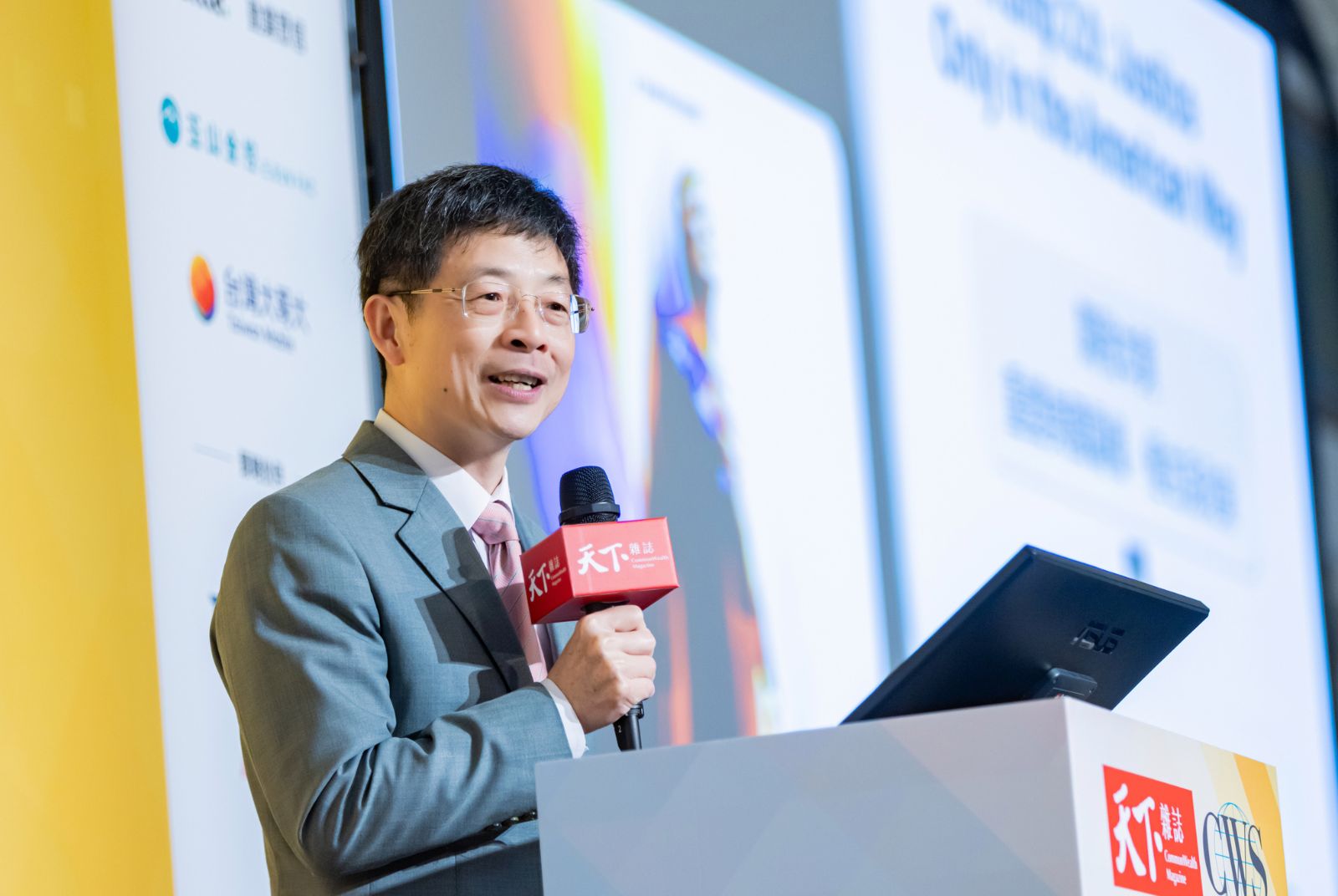
Source:E.SUN FINANCIAL HOLDING COMPANY
“If Earth had three suns, the climate and environment would become completely unpredictable.” This was how Joseph Huang, the Chairman of E.SUN FINANCIAL HOLDING COMPANY opened his keynote at the 2025 CommonWealth Summit, referencing the popular Netflix sci-fi series The Three-Body Problem. His message to business leaders in the audience was clear: “We are living in an era of volatility and risk that resembles the chaotic ‘Three-Body World’.”
Views
Joseph Huang, the Chairman of E.Sun Financial Holding Company: Business Leaders Are Entering a "Three-Body World"
By 整合傳播部企劃製作web only
With 33 overseas offices and over 30% of its revenue coming from international markets, E.SUN Bank has long dealt with the complexities of geopolitics, technological shifts, and changing economic orders. Huang pointed out that while businesses used to focus solely on economic performance and profitability, today’s leaders must simultaneously navigate political and technological pressures—three core forces reshaping the corporate landscape.
Economic Uncertainty: Section 232 as a Turning Point
“This battle won’t be easy for Taiwan,” Joseph Huang said gravely, referring to the U.S. Section 232 measures targeting the semiconductor industry. Should the tariffs take effect, they would place significant pressure on Taiwan’s economy in the second half of the year.
“Taiwan's exports grew 25.9% in the first half of the year, thanks to the AI booming, pushing projected annual GDP growth to 5%. But for the second half, we expect only 1%, with full-year growth likely settling around 3%.” Huang cautioned that while AI has created a short-term economic surge, overconcentration in a single industry could trigger the so-called “Dutch disease,” where disproportionate resource allocation to one sector squeezes out traditional industries and invites external pressures.
He also warned that when economics and politics intertwine, currencies can be weaponized. Recalling history, Joseph Huang pointed to how the U.S. has never hesitated to rewrite the rules when faced with crises—ending the gold standard in the 1971 Nixon Shock, or pressuring allies to revalue their currencies in the 1985 Plaza Accord.
“Exchange rate fluctuations are a risk and no company can afford to ignore,” said Huang. Even with stable interest margins, “if we earn NT$10 billion in interest income, a shift in the exchange rate could instantly wipe out billions in value.”
To hedge against such risks, E.SUN employs strategies like natural hedging (increasing USD liabilities), trade finance forward contracts, options, and USD-denominated asset allocations. Huang also emphasized helping small and medium-sized enterprises (SMEs) implement “segmented hedging units” to manage risk effectively.
The Rise of AI and the New Uncertainty in Decision-Making
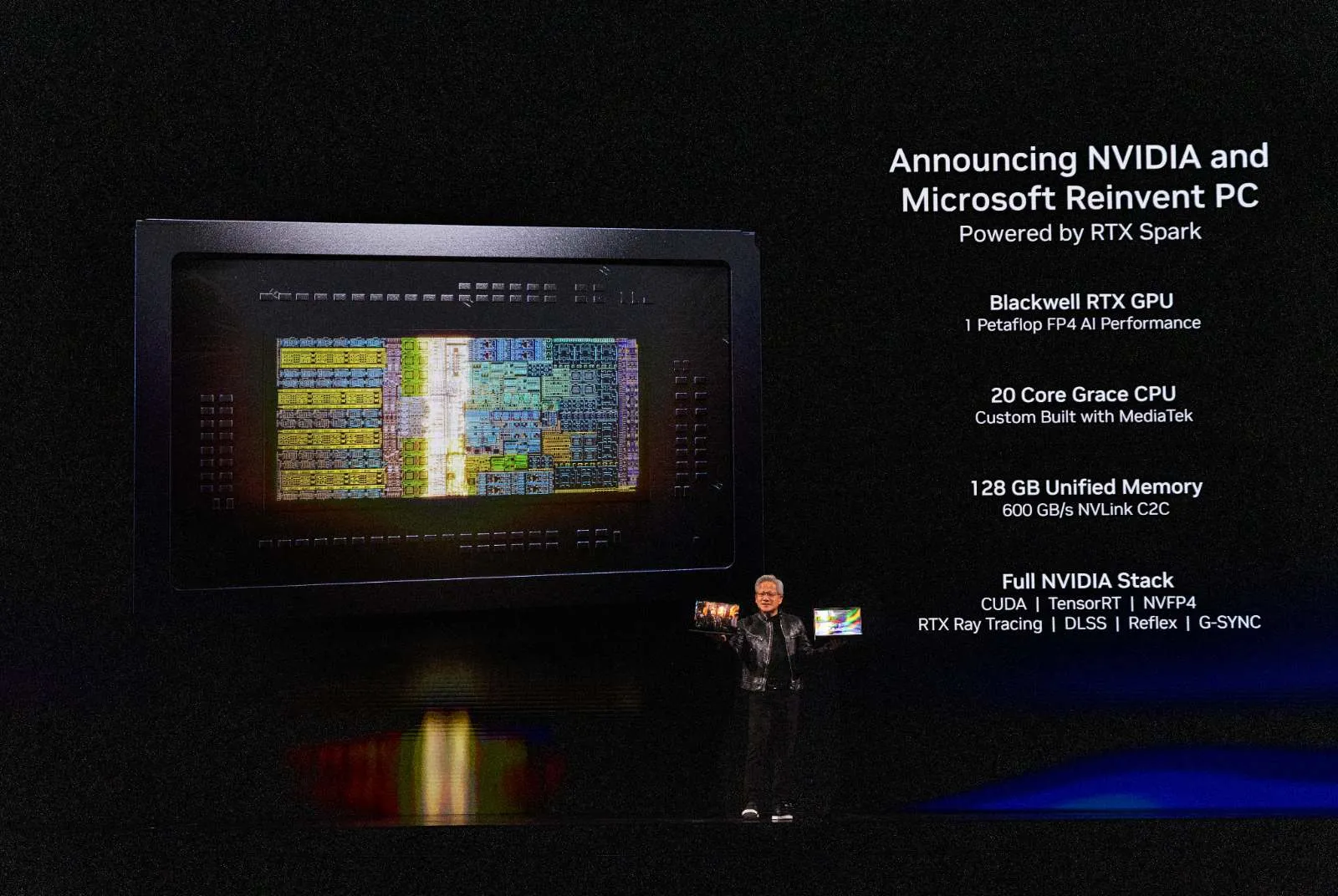
Beyond economics and geopolitics, technology is another major source of uncertainty. “AI represents the fourth industrial revolution. Those who fall behind will face enormous challenges,” said Joseph Huang.
Whether it’s AI agents, robotics, or autonomous driving, these advancements add further unpredictability to corporate operations. “The environment for business leaders today is far more complex than it once was,” he noted. “We have branches in Myanmar, Cambodia, and Thailand. Any shift in political conditions can impact business decisions—or even employee safety.” During the 2021 coup in Myanmar, a branch manager called for help. Joseph Huang chuckled wryly as he recalled replying, “I’ve never been through a coup before either—I don’t know what to do.”
Survival in the Three-Body World: Flexibility, Resilience, and a Reimagined Globalization
So how can businesses survive this three-body-like chaos? Joseph Huang emphasized: “Globalization hasn't disappeared—it’s simply transformed. The new globalization is about flexibility and resilience—not lowest cost or maximum efficiency.”
He laid out three strategic pillars to help companies reconfigure their global operations:
1. Market Selection and Supply Chain Flexibility
Taiwanese exports were once heavily concentrated in China and Hong Kong. Now, the U.S. is growing in importance, while Europe remains underdeveloped. “Companies need to rethink their export layout—how long and short supply chains can coexist—and prioritize essential markets.”
2. Adapting to Local Regulations and ESG Standards
“Entering a market isn't just about setting up an office—it’s about understanding local laws and social contexts,” Joseph Huang stressed. He emphasized that as many countries tighten carbon emissions standards, companies without a clear strategy for green supply chains may being excluded from mainstream systems.
3. Value-Added Products as a Tariff Defense
“As long as there’s added value, you have bargaining power—and the ability to withstand tariffs.” he believes enhancing financial and operational flexibility is also the key to long term resilience.
E.SUN’s Global Blueprint: Supporting Taiwanese Businesses in the New Era
Joseph Huang also shared E.SUN’s expansion strategy. In addition to its existing 33 locations across 11 countries, the bank plans to open a representative office in Dallas, Texas later this year. By 2026, it will expand to Mumbai, India, and Toronto, Canada—with a goal of entering the European market within three to five years.
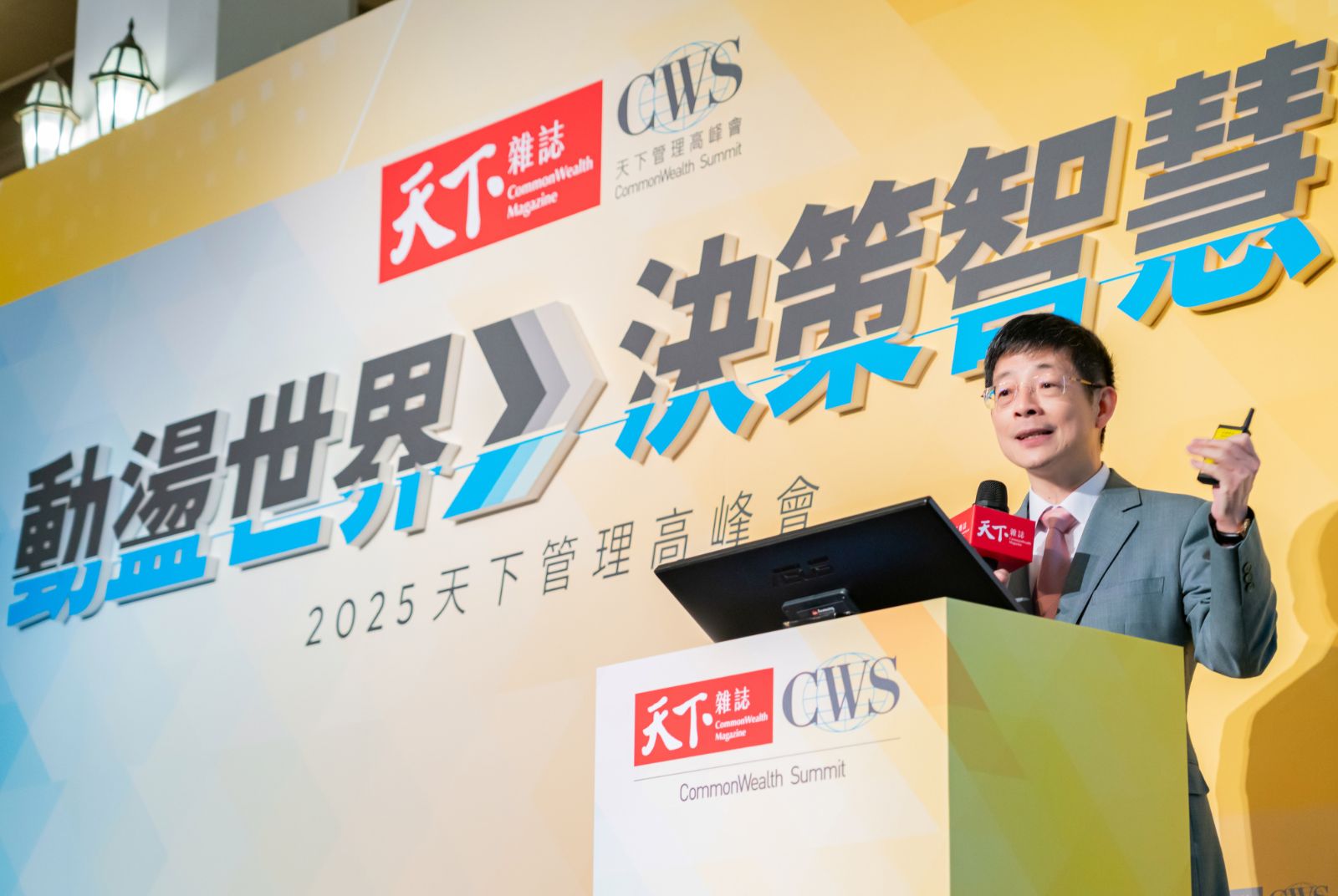
“We aim to be the strongest financial support for Taiwanese enterprises. As they go global, we want to provide risk management and capital solutions along the way.”
In this uncertain era, Joseph Huang believes there are no standard answers—nor are business leaders relying on single-track thinking anymore.“In this Three-Body World, those who prepare early and embrace greater flexibility and resilience will not just survive—they’ll thrive,” he said. It’s not about predicting the future. It’s about preparing for it.
Views

Subscribe to CWE Newsletter (every Thursday)
Stay abreast of what's happening in Taiwan with our weekly digest.
Keywords: