Taoyuan Aerotropolis as Runway to the Future: From Transportation Gateway to International Smart City
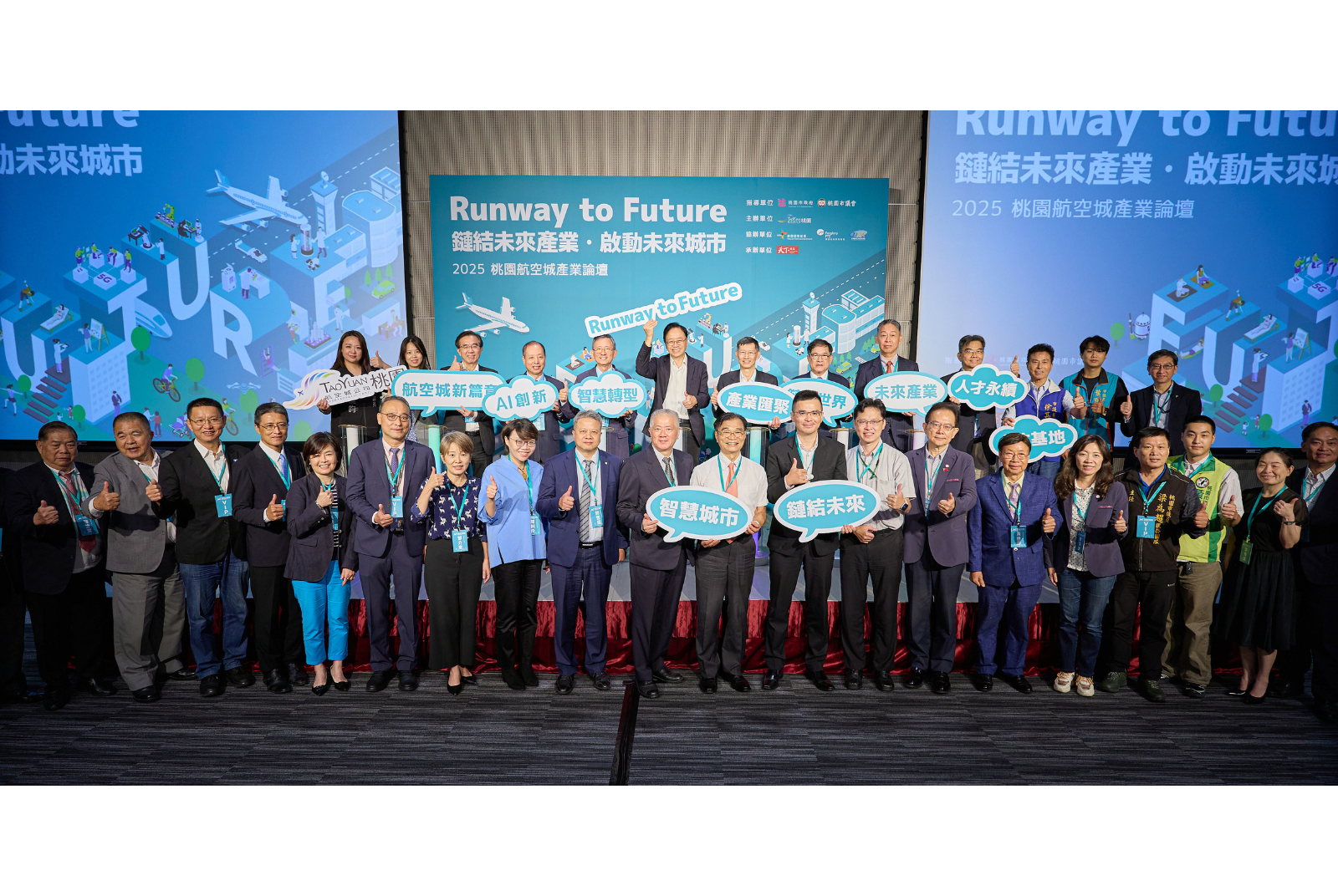
The development of the Taoyuan Aerotropolis has entered a critical stage. This long-planned national project is moving from blueprint to reality, driving a comprehensive transformation of the city’s spatial form, industrial structure, and living patterns. Taoyuan Mayor Chang San-Cheng stated, “Taoyuan Aerotropolis is not merely a development project around the airport, but Taoyuan’s flagship initiative toward becoming an international smart city, which marks a new beginning for us.”
Views
Taoyuan Aerotropolis as Runway to the Future: From Transportation Gateway to International Smart City
By Taoyuan AerotropolisSponsored Content
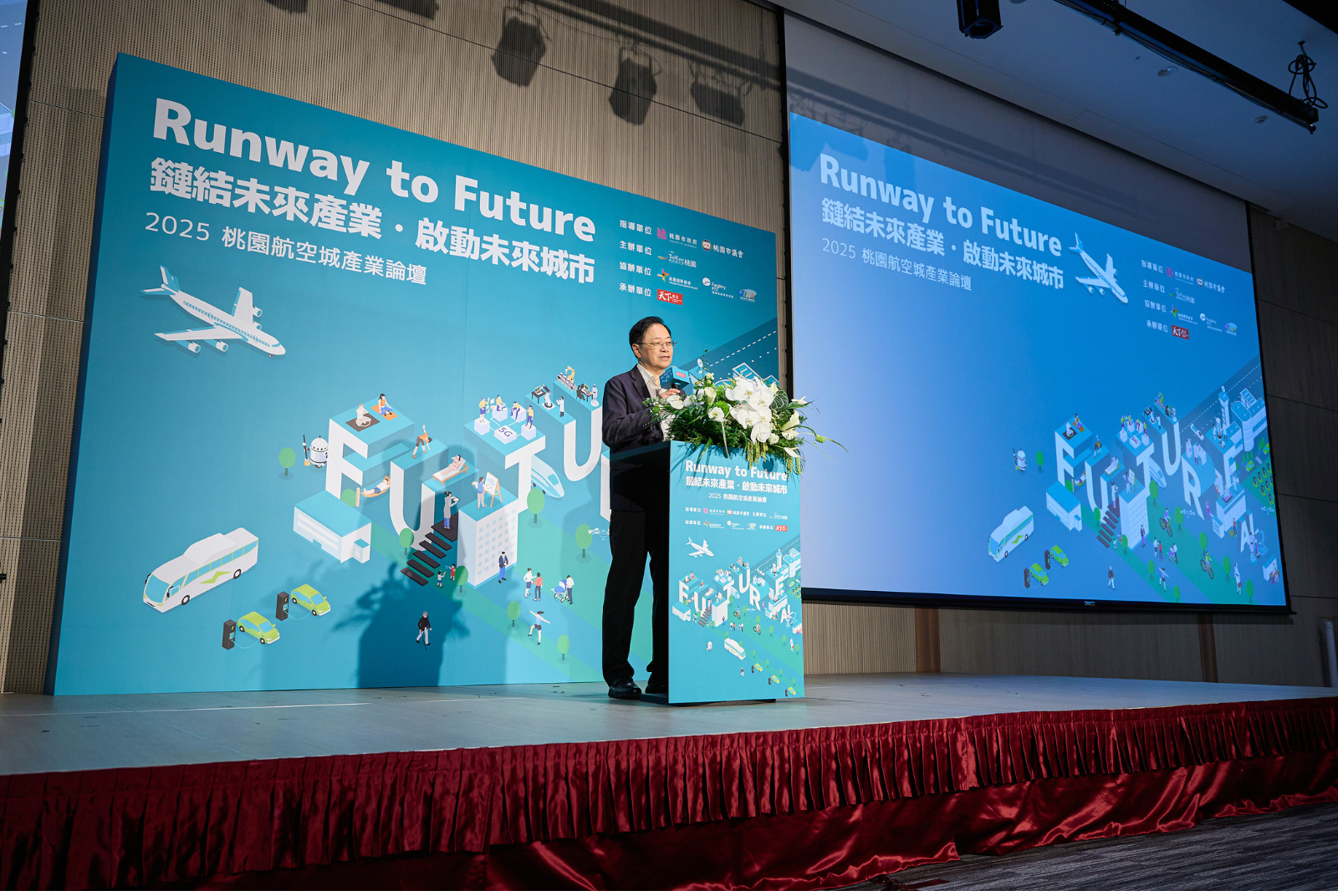
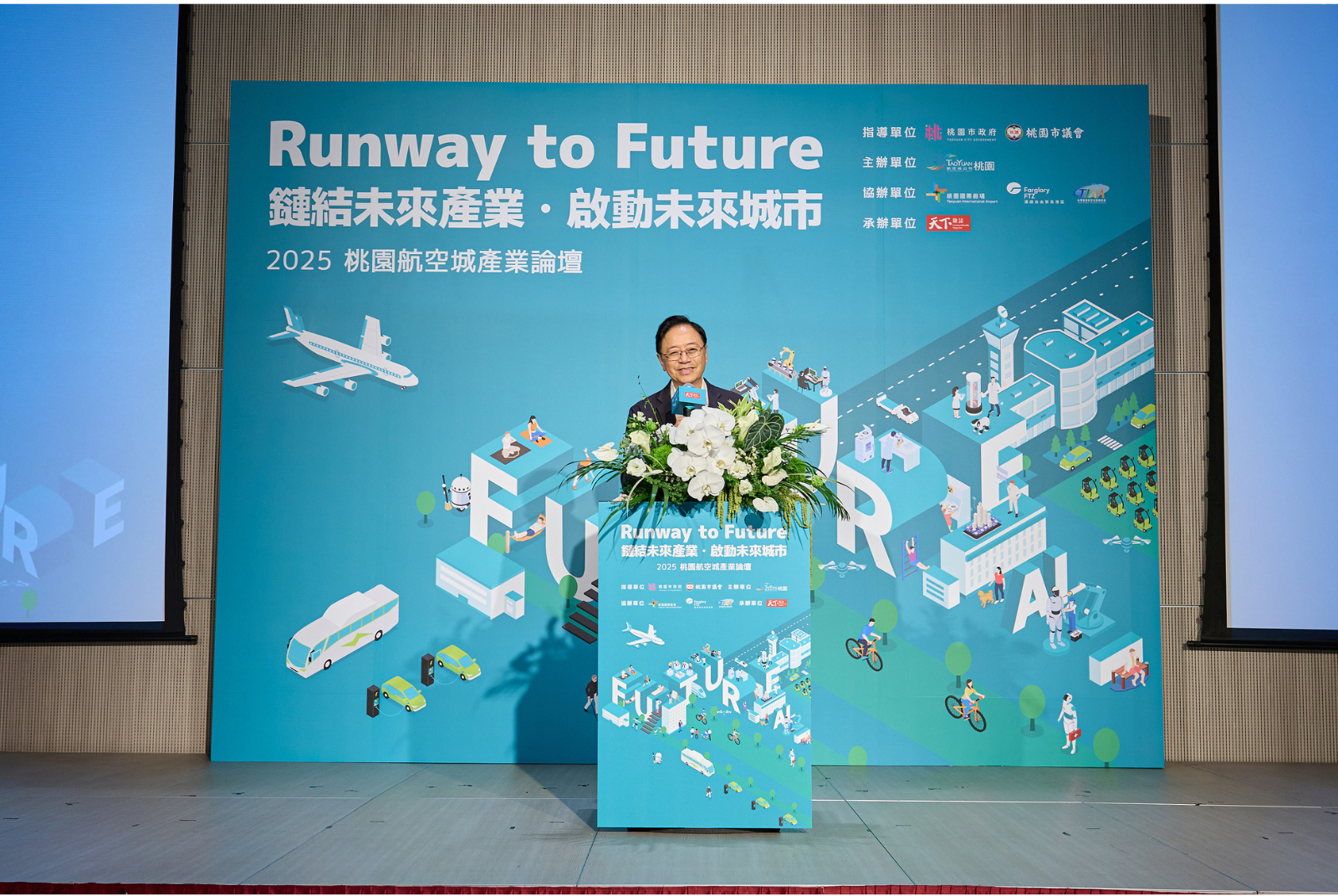 Mayor Chang emphasized that Taoyuan Aerotropolis is not merely a development project, but Taoyuan’s flagship initiative toward becoming an international smart city.
Industrial Zone Launched, Construction Now Fully Underway
The development of the Aerotropolis Industrial Zone is the first component of the overall project to break ground. Taoyuan Deputy Mayor and Taoyuan Aerotropolis Co., Ltd. Chairman Wang Ming-Jiuh noted that as of early 2025, investment attraction for the seven priority industrial sites has reached nearly 80%, with the final parcel of land successfully auctioned off at the end of 2024. Land grading and infrastructure work have been progressively completed, and several companies have already begun moving in. The zone is expected to enter full-scale operational development by the end of 2025.
At the same time, the Taoyuan City Government is advancing the resettlement housing process. The handover of resettlement units began in early 2025 and is expected to be completed by the end of the year. Construction across the entire area, along with the delivery of land-for-compensation parcels, is scheduled for completion by the third quarter of 2027. This means that in the next three years, the structural framework of the Aerotropolis will gradually take form, transforming from a construction site into a new type of city that integrates residential and industrial functions.
Air-and-Ground Infrastructure Advancing Together to Reshape the City
Discussing Taoyuan’s overall development strategy, Deputy Mayor Wang described the city’s dual-track progress as “air-and-ground development.” “The ‘air’ refers to the Aerotropolis, while the ‘ground’ refers to the railway undergrounding project,” he said. With the launch of the underground railway between Taoyuan and Pingzhen, the city’s urban fabric will be reconnected, reshaping both its transportation and living corridors. “In the future, Taoyuan will no longer be merely a transit hub, but a city where people choose to stay, to work, to live, and to grow,” Wang said.
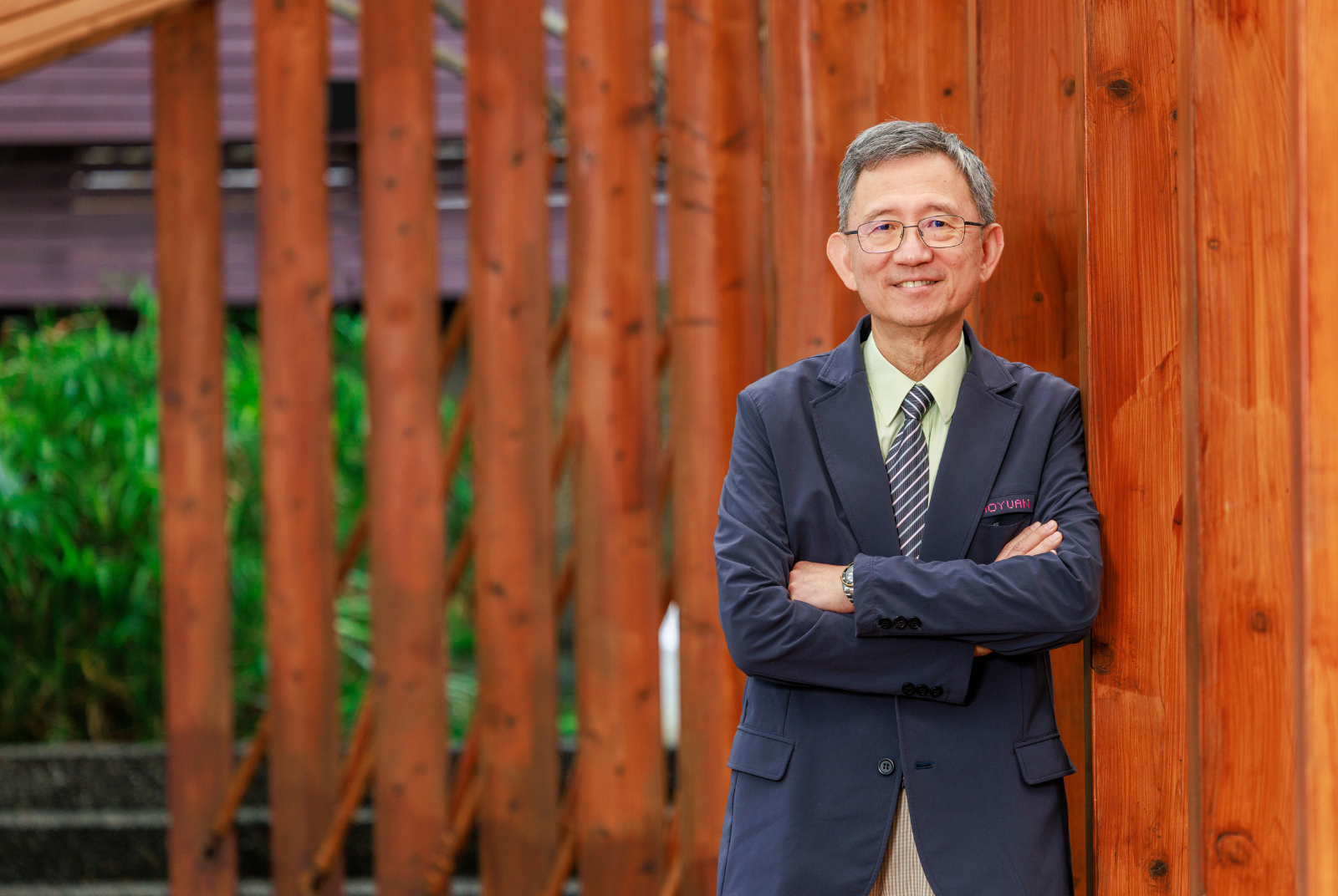 Deputy Mayor and Aerotropolis Chairman Wang Ming-Jiuh believes that as the Aerotropolis and railway undergrounding projects progress, Taoyuan will reshape its transportation and urban living corridors.
To this end, the planning of the Aerotropolis emphasizes not only the formation of industrial clusters but also the coexistence and prosperity of residents and industries. The city government has allocated at least 130 hectares of industrial land, encouraging private-sector participation in planning according to their needs to shape a diversified industrial chain. Green energy, autonomous transport, waste recycling, and carbon neutrality systems are also being introduced to enable enterprises to practice ESG on site. “We envision the Aerotropolis not just as an industrial park, but as a city that combines quality of life, environmental sustainability, and smart governance,” Wang added.
Learning from Global Models to Shape a New Vision of Industrial–Urban Integration
The Aerotropolis’ investment promotion strategy focuses on achieving industrial–urban integration. The industries set to move in will no longer be limited to traditional manufacturing, but will also encompass high–value–added sectors such as smart manufacturing, green energy, tourism, leisure and entertainment, and the digital economy. Mayor Chang has repeatedly emphasized, “We hope the Aerotropolis becomes a gathering place for corporate headquarters and innovation teams, as well as an economic core that sustains urban life.”
The vision for the Taoyuan Aerotropolis draws on several international benchmark cases. Deputy Mayor Wang pointed out, “airports such as Singapore’s Changi and South Korea’s Incheon are not simply transportation hubs; they are multifunctional cities that integrate conventions, entertainment, and cultural experiences.”
Accordingly, Taoyuan has been actively engaging with international professional teams while advancing the Aerotropolis project, bringing in global expertise in large-scale urban development. From urban design to transportation hubs and public space integration, these collaborations have broadened the city’s planning perspective.
In the future, the Aerotropolis will not only serve as a hub for logistics and aviation industries but will also become a focal point for tourism, conventions, and the cultural economy. The city government hopes that through this transformation, Taoyuan will gain the strategic capability to connect the Asia-Pacific region and serve the world, becoming a vital gateway for Taiwan’s global engagement.
A Demonstration Zone for Smart and Net-Zero Development
In line with the vision of matching world-class cities, the infrastructure is being designed to meet international standards. Amid the global trends of AI and net-zero transition, Mayor Chang has positioned the Taoyuan Aerotropolis as a flagship demonstration zone that combines “smart governance” and “sustainable operations.”
Mayor Chang stated that the city government is promoting all construction projects under the principle of “sustainability from the planning stage,” aiming for carbon neutrality across building design, energy management, and transportation systems. “We hope the Aerotropolis will become a shared platform jointly built by enterprises, government, and civil society, providing a model that can be referenced and replicated for urban transformation across Taiwan,” he said.
The city plans to set up high-speed data centers and private 5G networks to support applications in AI, smart manufacturing, and digital logistics. Solar photovoltaic and renewable energy systems are being installed, expected to reduce approximately 2,400 tons of carbon emissions annually.
The city government is also promoting the establishment of a “Smart Logistics Demonstration Zone” and a “Smart Energy Management Platform.” The Asia Silicon Valley Intelligent Operations Center (IOC) integrates pedestrian, vehicle, and parking data for real-time traffic optimization and intelligent flow management to improve traffic efficiency. At the same time, the introduction of a citywide low-carbon mobility system will promote the adoption of electric vehicles, shared mobility, and smart traffic signals, making urban operations more eco-friendly and convenient.
These developments not only support industrial operations but will also serve as the cornerstone of Taoyuan’s smart governance and net-zero sustainability efforts.
Building an Ideal, Human-Centered City for the Next Generation
 The ultimate vision of the Taoyuan Aerotropolis is rooted in a “people-centered” philosophy. It aims not only to attract talent to work here but also to create a livable environment where people are willing to settle, build families, and put down roots, becoming active members of the city in a new era.
Ultimately, the Aerotropolis’ vision is not only about industry; it is about people. From transportation planning to living spaces, Taoyuan is incorporating principles of human-centered urban design. For example, the newly opened Hangqing Road, approximately 4.7 kilometers long and 50 meters wide, not only connects Dayuan District with the Qingpu area but also features green corridors, pedestrian walkways, and dedicated bicycle lanes, and links with nearby parks such as Qingfeng Park and Rose Creek Riverside Park, creating a more livable environment.
Amid the global waves of AI and green transformation, the Taoyuan Aerotropolis is not only an industrial cluster but also a “talent-centered” city of the future. The city government recognizes that a city’s true competitiveness lies not in its physical infrastructure, but in its ability to attract and retain outstanding talent.
To build a complete talent ecosystem, Mayor Chang stated that the city government is actively integrating resources across education, industry, and innovation. Through collaborations with National Central University, National Tsing Hua University, and several technical institutes, Taoyuan is advancing professional programs in smart manufacturing, green energy technology, and digital governance, enabling young people to be trained and employed locally. Meanwhile, the city has partnered with international accelerator Plug and Play to establish an innovation base in Taoyuan, helping startups commercialize their technologies and connect to global markets, forming the core hub for innovation and entrepreneurship in the city.
On the industrial side, the Aerotropolis will serve as a testing ground for advanced R&D and startup enterprises. The city is promoting an “industry–academia co-creation” strategy by inviting companies to participate in talent cultivation and applied research, allowing academic capacity to be directly transformed into industrial momentum. In addition, for international companies and foreign professionals, Taoyuan is developing an “international-friendly living circle” that provides multilingual education, social housing, and convenient transportation, creating conditions suitable for expatriate families to settle.
At the same time, the city government is strengthening career support for youth and women by offering entrepreneurship subsidies, digital training, and family-friendly workplace policies to reduce employee turnover, making “wanting to stay” part of the city’s culture. In the future, the Aerotropolis will not only be a base for corporate presence but also an ideal environment where people choose to live, develop, and innovate over the long term.
Taoyuan is making “talent retention” a core strategy of urban governance, upgrading everything from education to overall quality of life. When a city enables its people to “build families with peace of mind and pursue entrepreneurship with confidence,” the Aerotropolis becomes not only Taiwan’s international gateway but also a new foundation for the sustainable development of local talent.
Looking ahead, the city government will continue to enhance infrastructure such as education, childcare, healthcare, and housing, so that professionals who move to Taoyuan will not only “come to work” but also “choose to stay and live.” Mayor Chang emphasized, “The Aerotropolis must become a place where people want to stay. When industry and everyday life thrive together, and when technology and sustainability advance hand in hand, Taoyuan will no longer be merely a transportation gateway, but a new starting point for Taiwan’s connection to the world.”
(This article is sponsored by Taoyuan Aerotropolis Co., Ltd.)
Views

Subscribe to CWE Newsletter (every Thursday)
Stay abreast of what's happening in Taiwan with our weekly digest.
Keywords: