Why Toyota Bought a Taiwanese Forklift Maker — and What It Did Next
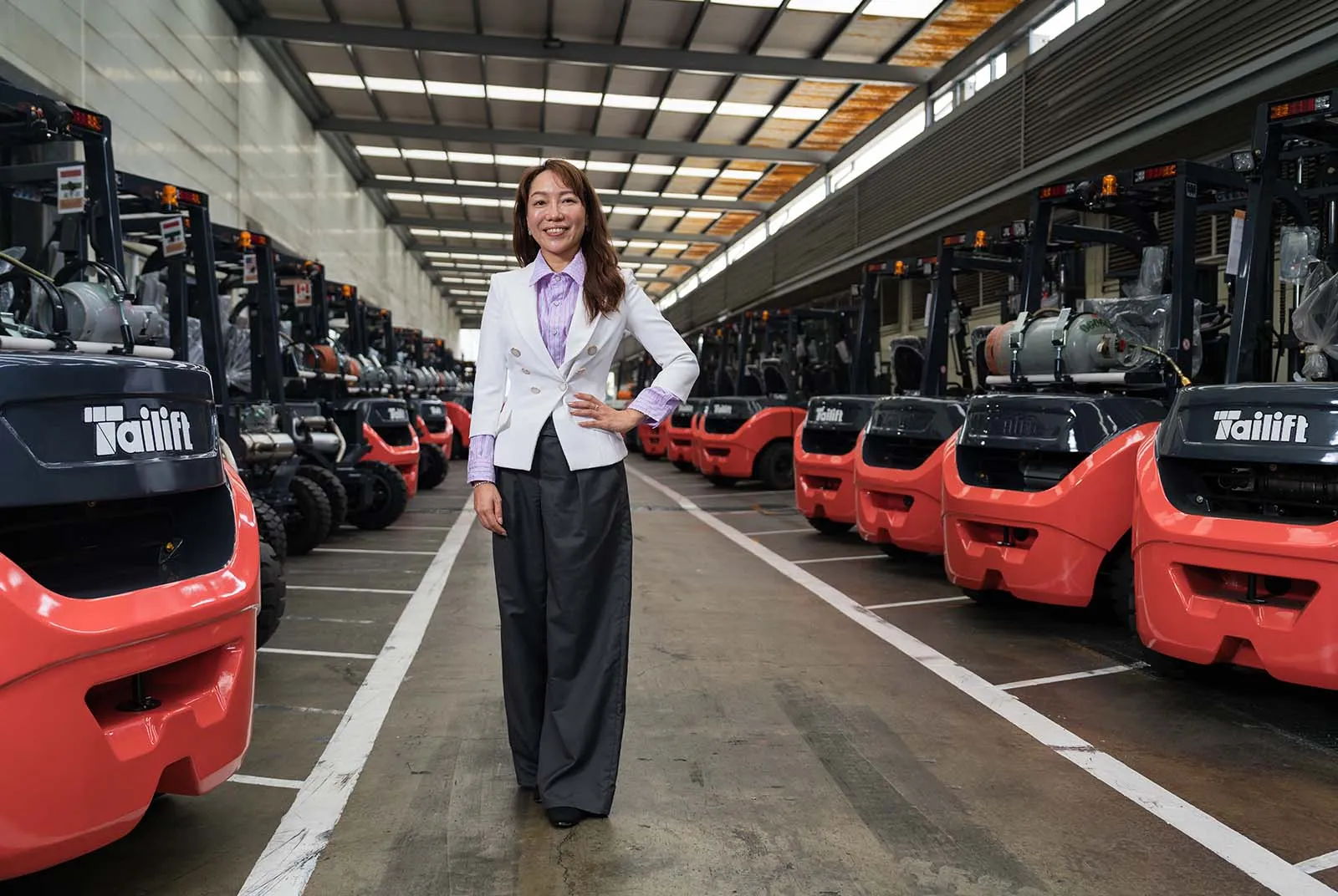
Source:Kuan Hsieh
Ten years after Toyota acquired Tailift’s forklift business, the Taiwanese family firm has shed price wars, moved upmarket, and secured a place inside one of Japan’s most disciplined industrial systems. How did they achieve that?
Views
Why Toyota Bought a Taiwanese Forklift Maker — and What It Did Next
By Janet Kangweb only
This cross-border union offers a revealing case study of how a Taiwanese family enterprise moved from the hyper-competitive markets of Greater China to the ranks of world-class industrial brands.
Surrendering the Crown to Ensure Global Survival
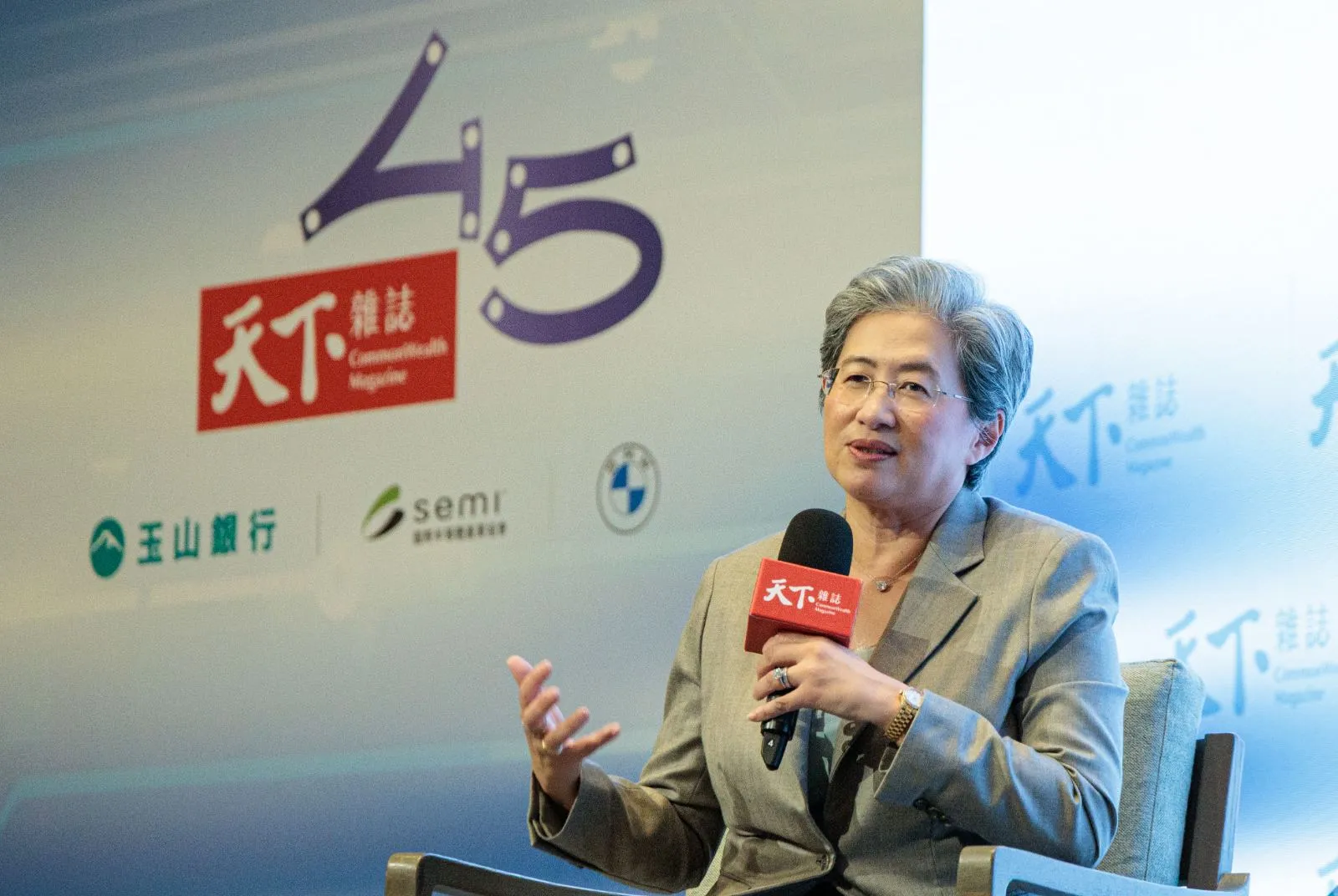
At the time of the acquisition, Tailift was already a dominant player across the Taiwan Strait, leading foreign brands in the China market. Why did founder Steve Lin (林溪文) choose to hand his life’s work to Toyota? The answer, according to current CEO Amy Lin (林佳郁), was straightforward: “It was a strategic decision to ensure Tailift’s survival in global competition.”
As China’s market fell into a relentless race to the bottom driven by price-cutting, joining Toyota’s global system became the only viable way to escape the trap of margin erosion.
For Toyota, Tailift brought more than scale. The company possessed proprietary R&D capabilities in multi-ton heavy-duty forklifts and had built a network of more than 50 directly operated service centers across China. This long-term commitment to customer trust closely aligned with Toyota’s own corporate values.
A decade on, the results are striking. In 2024, Tailift Material Handling reported NT$4.6 billion in revenue and annual output of roughly 15,000 forklifts — a 50 percent increase from pre-acquisition levels. Even more telling, high-value products, which once accounted for just 20 percent of output, now make up the entirety of the company’s portfolio.
The “Lock-in” Clause: Valuing Craftsmanship Over Assets
The acquisition itself was anything but rushed. The two sides spent more than two years in evaluation. Toyota was particularly impressed by Tailift’s ability to serve as an OEM supplier for premium British and German brands — evidence, in Toyota’s view, of genuine craftsmanship.
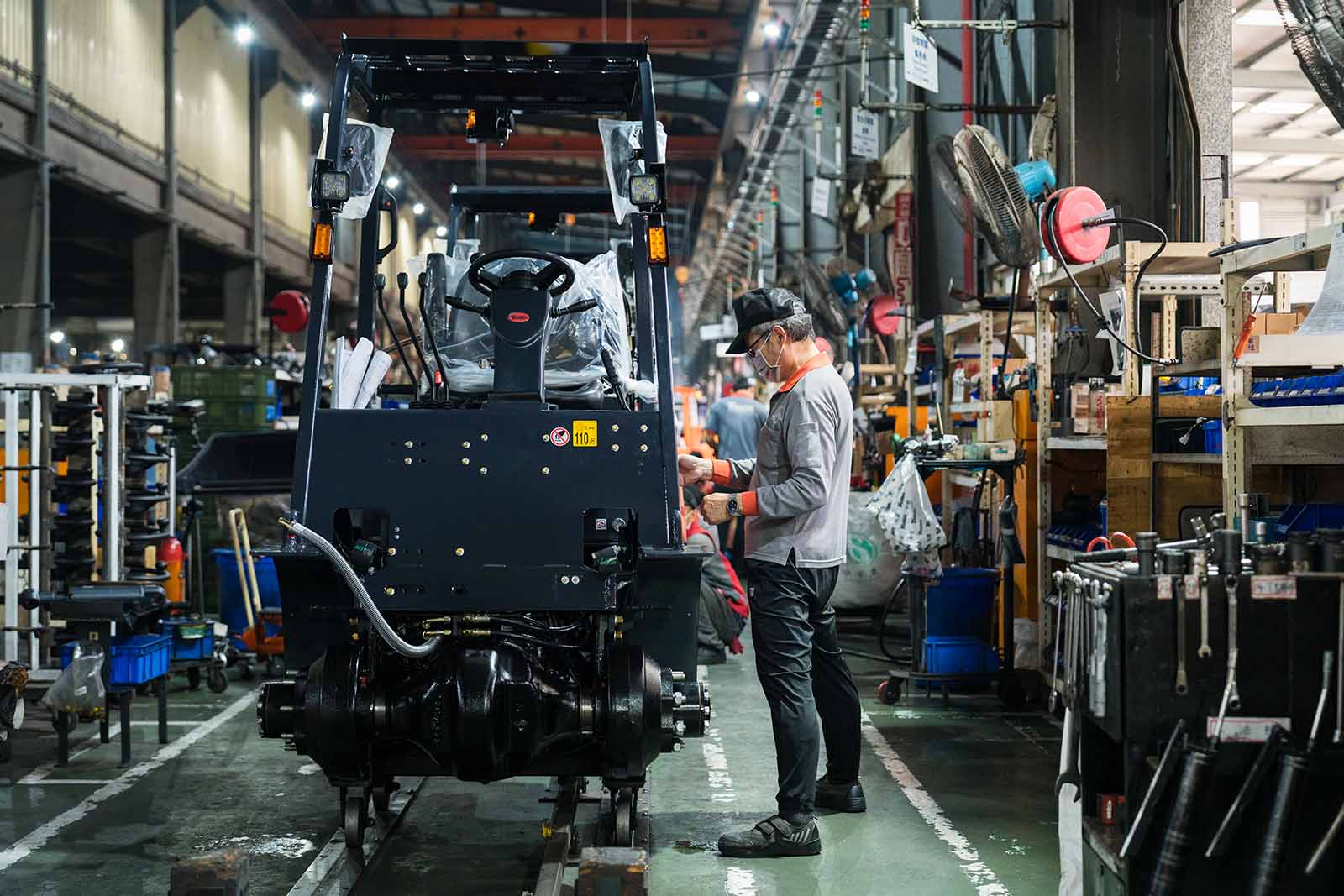 (Photo: Kuan Hsieh)
Notably, Toyota insisted on preserving the Lin family’s management style. The agreement included a “lock-in” clause requiring Steve Lin and his children to remain in leadership roles for at least five years. What Toyota valued most was not factories or equipment, but the stability and capability of the management team. “They treated us as an asset to be built upon, not a burden to be replaced,” Amy Lin recalls.
Succession: From the Qingdao Front Line to Nantou Headquarters
Amy Lin once planned to become a teacher. Instead, she was called back by her father to run the company’s Qingdao plant. She weathered the 2008 global financial crisis firsthand — at one point even using her car as collateral to settle accounts and stabilize suppliers — an experience that forged her resilience in frontline management. She formally returned to Taiwan to assume leadership in 2020.
Following Toyota’s investment, Lin introduced a governance culture centered on “bad news first” reporting, alongside more disciplined mid- and long-term planning. One of the most consequential decisions was exiting the low-end forklift market below three tons, where competition is driven almost entirely by price.
Even with Toyota’s backing, Lin remains firm on Tailift’s core positioning: “Tailift will always be Made in Taiwan.” Preserving Taiwan’s manufacturing flexibility and cost discipline, she argues, is precisely what gives the company distinct value within Toyota’s global system.
From Family Business to Global Strategic Asset
Three months ago, Toyota convened its global subsidiaries to discuss the group’s direction for the next century. Tailift is no longer merely a local brand, but an indispensable component of Toyota’s global strategy.
This decade-long transformation illustrates how Taiwanese manufacturing strength can be successfully infused with international scale and systems — enabling a company to move beyond the Taiwan Strait and onto the global stage.
Have you read?
- Luxgen Acquisition: The Deal that Could Reshape Taiwan’s Automotive Landscape
- Why is Taiwan EV Guru Jack Cheng Betting on Japan?
- Why Mitsubishi Is Betting on Foxconn in the EV Market
Edited by David Toman
Uploaded by Ian Huang
Views

Subscribe to CWE Newsletter (every Thursday)
Stay abreast of what's happening in Taiwan with our weekly digest.
Keywords: