Taiwan Hails Strategic Breakthrough in EPPD and "Pax Silica" Alliance with US
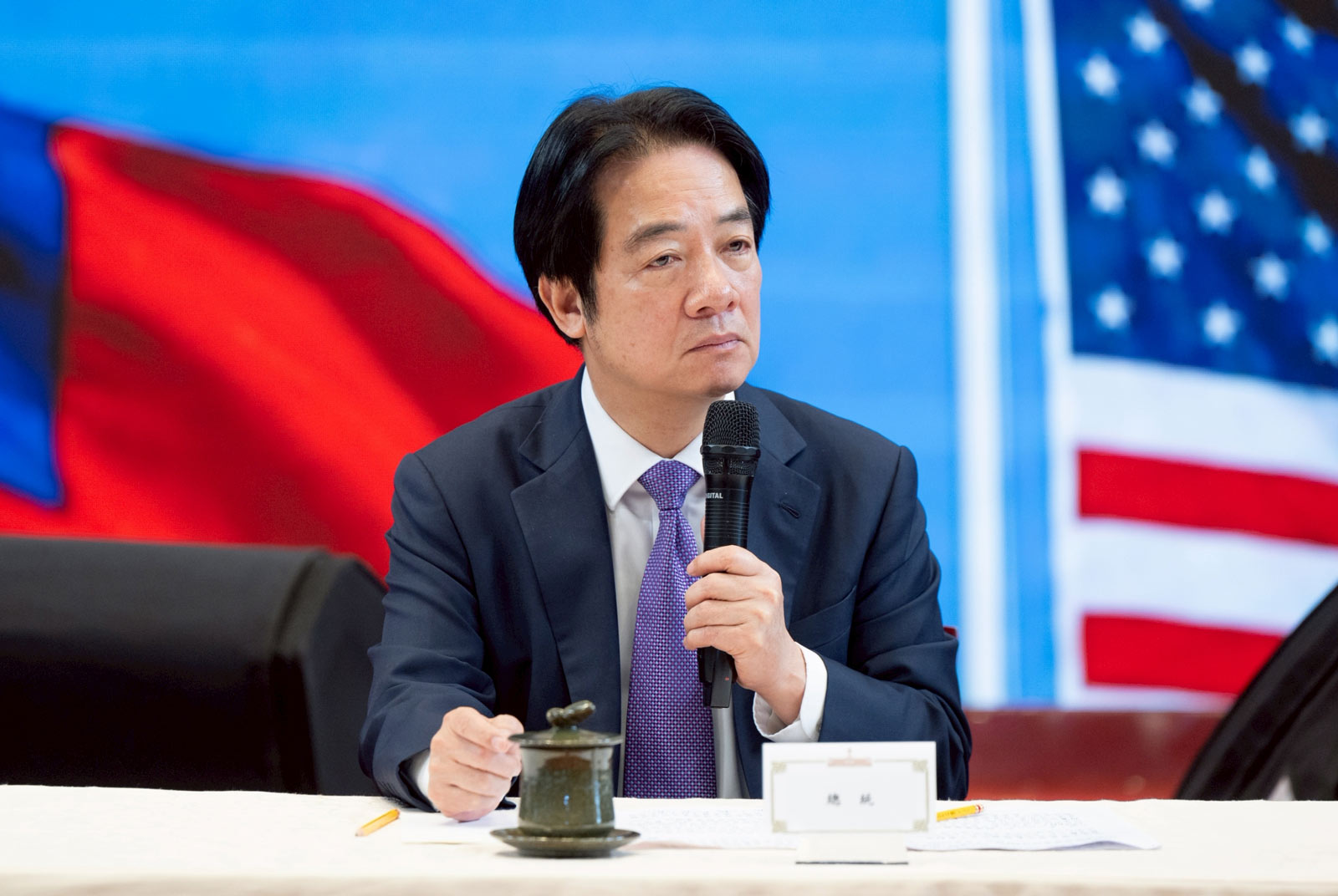
Source:Office of the President Republic of China(Taiwan)
Taiwan has cast the latest Taiwan–U.S. Economic Prosperity Partnership Dialogue as a strategic turning point, formally aligning itself with Washington’s “Pax Silica” vision for AI, supply-chain security, and advanced technologies. As Taiwan positions itself at the core of a reconfigured global tech order, can this partnership redefine its role in the coming era of AI geopolitics?
Views
Taiwan Hails Strategic Breakthrough in EPPD and "Pax Silica" Alliance with US
By Judy Linweb only
On February 3, Taiwan’s President Lai Ching-te, alongside Foreign Minister Lin Chia-lung and Minister of Economic Affairs Kung Ming-hsin, announced the successful conclusion of the 6th Taiwan-U.S. Economic Prosperity Partnership Dialogue (EPPD). Held recently in Washington D.C., the talks marked a historic milestone as the first in-person meeting between lead negotiators since the mechanism’s 2020 inception.
The "Pax Silica" Era: Securing the Global AI Frontier
The centerpiece of this year's dialogue was the signing of the "Pax Silica Declaration" and a Joint Statement on Taiwan-U.S. Economic Security Cooperation.
The "Pax Silica" initiative is a U.S.-led framework designed to build an economic security alliance with trusted partners. By formally joining, Taiwan is recognized as a "vital and indispensable partner" in the U.S. global strategy for AI and supply chain security. Foreign Minister Lin quoted Jacob Helberg, the US Under Secretary of State for Economic Growth, Energy, and the Environment, to describe it as a "Symbiotic Partnership," where Taiwan’s manufacturing prowess and U.S. innovation are inextricably linked to secure future prosperity.
Four Pillars of Strategic Cooperation
The 6th EPPD established a comprehensive roadmap across four critical sectors:
- AI and Supply Chain Security: Both nations committed to building "Non-Red Supply Chains." Taiwan proposed developing a "Traditional Chinese Sovereign AI Model" to ensure a trusted linguistic alternative in the global AI landscape.
- Digital Infrastructure: Cooperation will expand into subsea cable security, low-earth orbit (LEO) satellites, and the development of 5G Open RAN and 6G technologies.
- Drone Industry Integration: Taiwan’s Industrial Technology Research Institute (ITRI) signed a "Green UAS" certification agreement with U.S. counterparts. This enables Taiwanese drone manufacturers to enter international markets and collaborate on defense-grade "Blue UAS" standards.
- Critical Minerals & Global Reach: Taiwan aims to achieve 50% self-sufficiency in critical mineral refining within three years. The U.S. expressed interest in replicating Taiwan’s refining models in other countries, supported by joint development projects in the Philippines and Latin America.
A Strategic Choice: Global Integration vs. Regional Reliance
President Lai used the forum to contrast his administration's "Global Taiwan" strategy with domestic calls for closer ties with Beijing. Amidst an opposition delegation's visit to China, Lai reaffirmed that Taiwan is choosing a path toward the world.
He framed the national choice as one between "joining hands with democratic allies like the U.S., Japan, and Europe" or "relocking the economy into China." Lai emphasized that economic resilience and a strong national defense are the necessary foundations for any "dignified and equal" cross-strait dialogue.
A Resilient Vision with Global Reach
The 6th EPPD signals a fundamental shift from traditional trade toward a comprehensive economic security alliance. By aligning on "Pax Silica," both nations are positioning themselves at the vanguard of the AI revolution.
Crucially, the partnership is expanding toward "third-country" collaboration.
By prioritizing regional projects in the Philippines and Latin America—ranging from infrastructure to talent training—Taiwan and the U.S. are fostering a broader network of secure technology. According to President Lai, this evolving bond ensures Taiwan remains an indispensable pillar of a free, open, and prosperous international community.
Have you read?
- AI and Geopolitics Drive "Precision Planning" in Taiwan’s 2026 Job Market
- From Super-Aging to Ageless: What Taiwan Must Rethink About Work in the Longevity Era
- Why Did Budget Cuts in Taiwan’s Legislature Turn Into Political Theater?
Uploaded by Ian Huang
Views

Subscribe to CWE Newsletter (every Thursday)
Stay abreast of what's happening in Taiwan with our weekly digest.
Keywords: