Taichung City's Environmental Protection Bureau Uses Technology to Reduce the Environmental Impact of Construction Projects
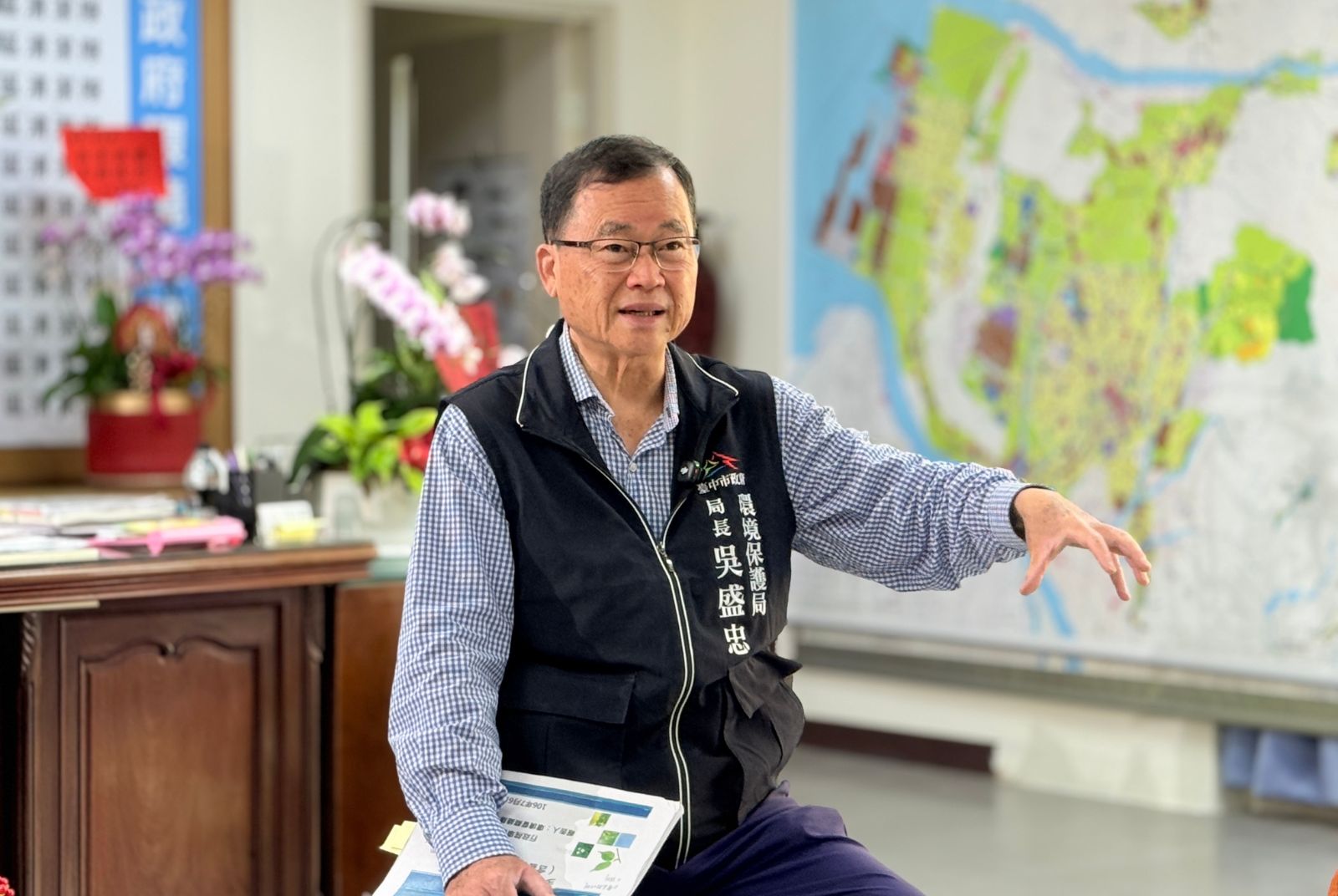
Taichung has transformed into a modern metropolis that balances industrial vitality, high quality of life, and urban amenities — a transformation built on major infrastructure projects and redevelopment zones. Yet amid global climate change and the drive toward net-zero carbon emissions, Taichung must build the institutional frameworks to steer the construction industry toward more sustainable practices.
Views
Taichung City's Environmental Protection Bureau Uses Technology to Reduce the Environmental Impact of Construction Projects
By Taichung City Government Environmental Protection BureauSponsored Content
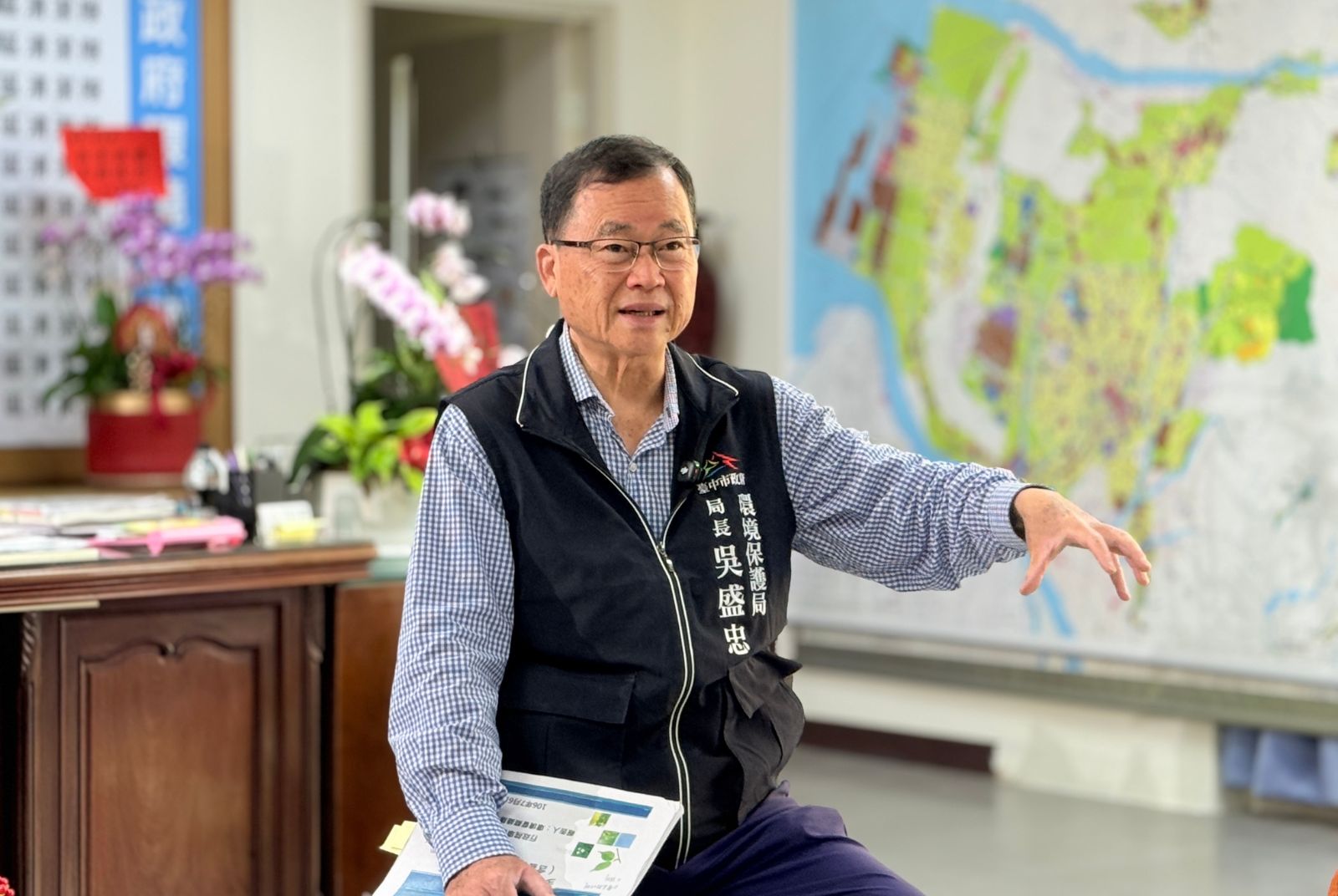
▲ The Taichung City Government's Environmental Protection Bureau (EPB) Director Wu Sheng-chung explains a vision for technology-based pollution control and low-carbon transition at construction sites. (Photo courtesy of Taichung City Government)
What comes to mind when you think of Taichung? Perhaps its 7th Redevelopment Zone, with its picturesque skyline; or the Taichung International Convention and Exhibition Center, the only such facility in Taiwan to receive diamond-level EEWH green building certification; or the spectacular new Taichung Green Museumbrary; or the impressive Central Taiwan Science Park. These landmarks, each emblematic of Taichung's ambitions, are testaments to great vision and tireless effort. Rapid urban development has been especially striking over the past decade or so, with construction projects blossoming across the city. Perhaps even more remarkably, since Taichung secured its place as Taiwan's second-largest city with a population surpassing 2.86 million, it has been repeatedly recognized by international livability rankings, demonstrating that even as development accelerates, the city government's efforts to manage construction quality is paying off.
Tightening pollution controls at construction sites
Taichung's evolution into a modern city with a vibrant industrial sector and expanding urban development means thousands of construction projects are ongoing at any one time. However, dust dispersion, water runoff, and vehicle emissions at construction sites inevitably affect the surrounding environment. To minimize their impact and preserve residents' quality of life, the Taichung City Government's Environmental Protection Bureau (EPB) has taken the lead by tightening standards at construction sites — raising the required bare ground coverage at large sites from 80% to 85%, and for smaller sites from 50% to 80%. Based on estimates, this policy reduces PM2.5 particulate matter generation by approximately 61 metric tons per month.
"Construction is an essential driver of urban development, but the pollution challenges it brings are serious," says EPB Director Wu Sheng-chung. Ground excavation and machinery operations during construction readily produce airborne particulate matter, directly affecting air quality. In addition, the noise and vibrations generated by ongoing construction are among the most common complaints of city residents. Furthermore, if surface runoff from construction sites is not filtered through sedimentation basins, it causes sewer siltation and damage to aquatic ecosystems.
Wu acknowledges that in aggregate these sources of pollution place unrelenting stress on the city's environmental carrying capacity. In response, the city government is acting to get ahead of the curve, intervening with more proactive and targeted measures. For example, the city has comprehensively expanded opacity testing for construction machinery, and as of 2026, 1,559 pieces of equipment used in Taichung have obtained certification—1,438 earning the "gold" rating, ranking first nationwide—demonstrating the city government's resolve in safeguarding environmental quality.
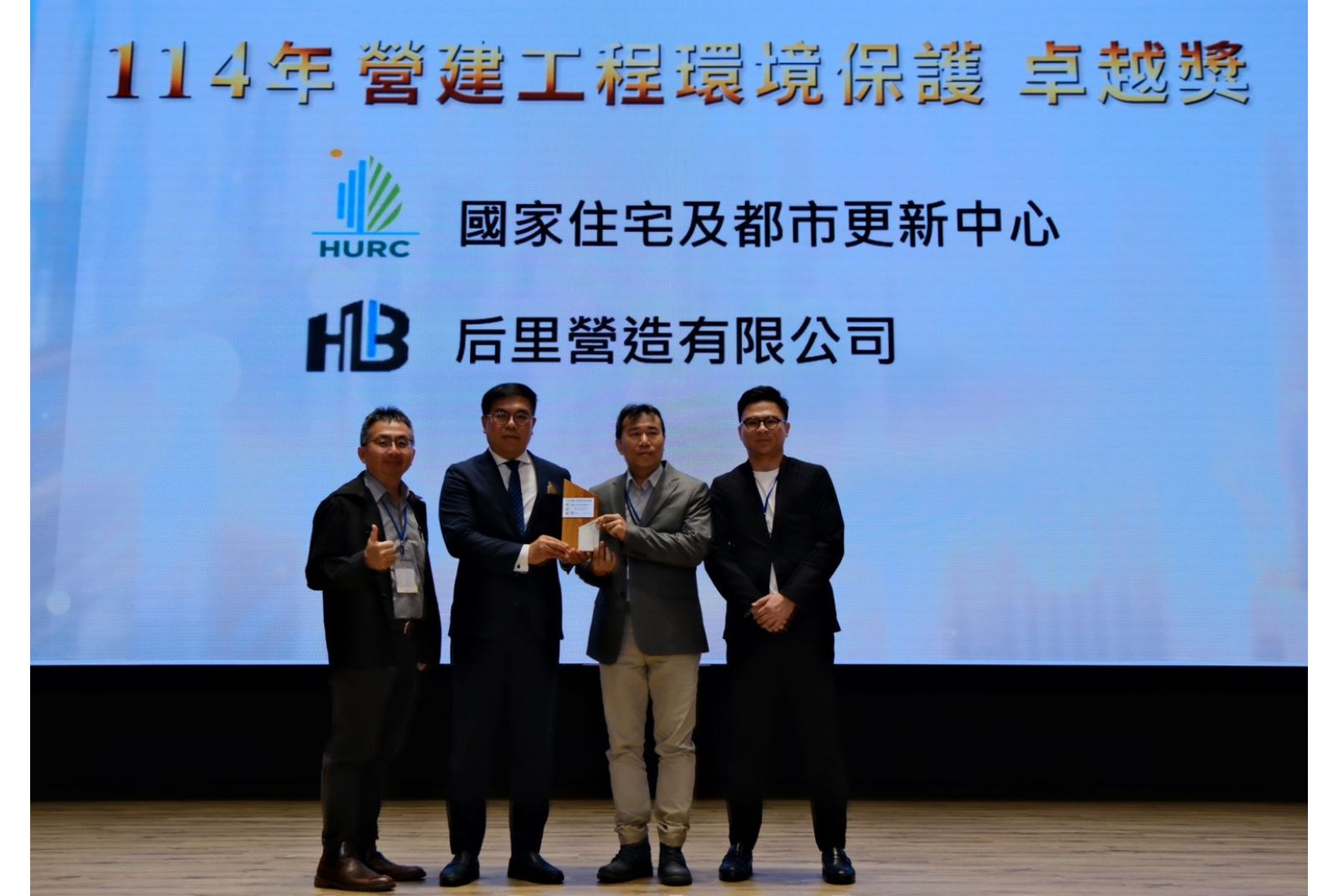
▲ Taichung is also building environmental resilience through the forward-looking blueprint that guides policy implementation. Wu notes that the Environmental Protection Bureau will continue to expand its regulatory capacity through its Environmental Impact Assessment and Remote Monitoring Program (環評監督與遠端監控查核計畫), which provides comprehensive oversight of construction projects from initial design to completion. The goal is to strike a balance between a construction boom with its potential to wreak environmental havoc and an already thriving city renowned in Taiwan and increasingly the world for its quality of life—and in doing so, demonstrate Taichung's determination to be a model city for sustainability.(Photo courtesy of Taichung City Government)
Using tech to eliminate blind spots in protecting the environment
The Beitun Depot neighborhood, Shuinan Economic and Trade Park, and the 13th Redevelopment Zone have seen the most intensive construction activity in recent years. During peak periods when numerous projects were in progress simultaneously, complaints from residents increased, triggered by problems such as inadequate debris netting, poorly run vehicle wash stations, and illegal nighttime slurry wall construction.
Given the large areas affected and complex workflows in use, the efficacy of traditional site inspections was often thwarted by issues such as polluting emissions dissipating before inspectors' arrival. A comprehensive review of recurring deficiencies led to measures including emergency inspection protocols during winter periods of poor air quality and installation of noise monitoring equipment, as well as promoting improved cleaning of construction vehicles, greater re-use of water for dust suppression, and perimeter fencing with integrated planters at larger sites. In general, the expanded scale of construction in the city prompted the city government to reassess its regulatory model and adopt technology to bolster its toolkit. Drones have been deployed to conduct aerial inspections, addressing the blind spots left by ground-level monitoring. More recently, AI dust-detection systems have been introduced that immediately send notifications of required corrective action whenever signs of excess dust are detected.
By harnessing these and other technology tools, the Taichung City Government has significantly enhanced the reach and precision of its anti-pollution capabilities. For example, more than 200 air quality sensors, along with CCTV cameras and 100 noise sensors, have been installed at the city's 100 largest construction sites, forming a comprehensive environmental monitoring network.
Private enterprises respond with their own sustainability efforts
With the public sector taking the lead, private enterprises are also actively investing in sustainability initiatives. TSMC's Fab 25 at the Central Taiwan Science Park, for instance, operates massive air purifiers on-site, and has established air quality improvement zones through large-scale tree planting. The city government is encouraging developers to expand landscaping around construction sites, transforming public perceptions of them as barren and unsightly. From excavation to completion, each new project is turned into a small "urban carbon sink" for Taichung, making construction work into a net contributor to the city's green spaces.
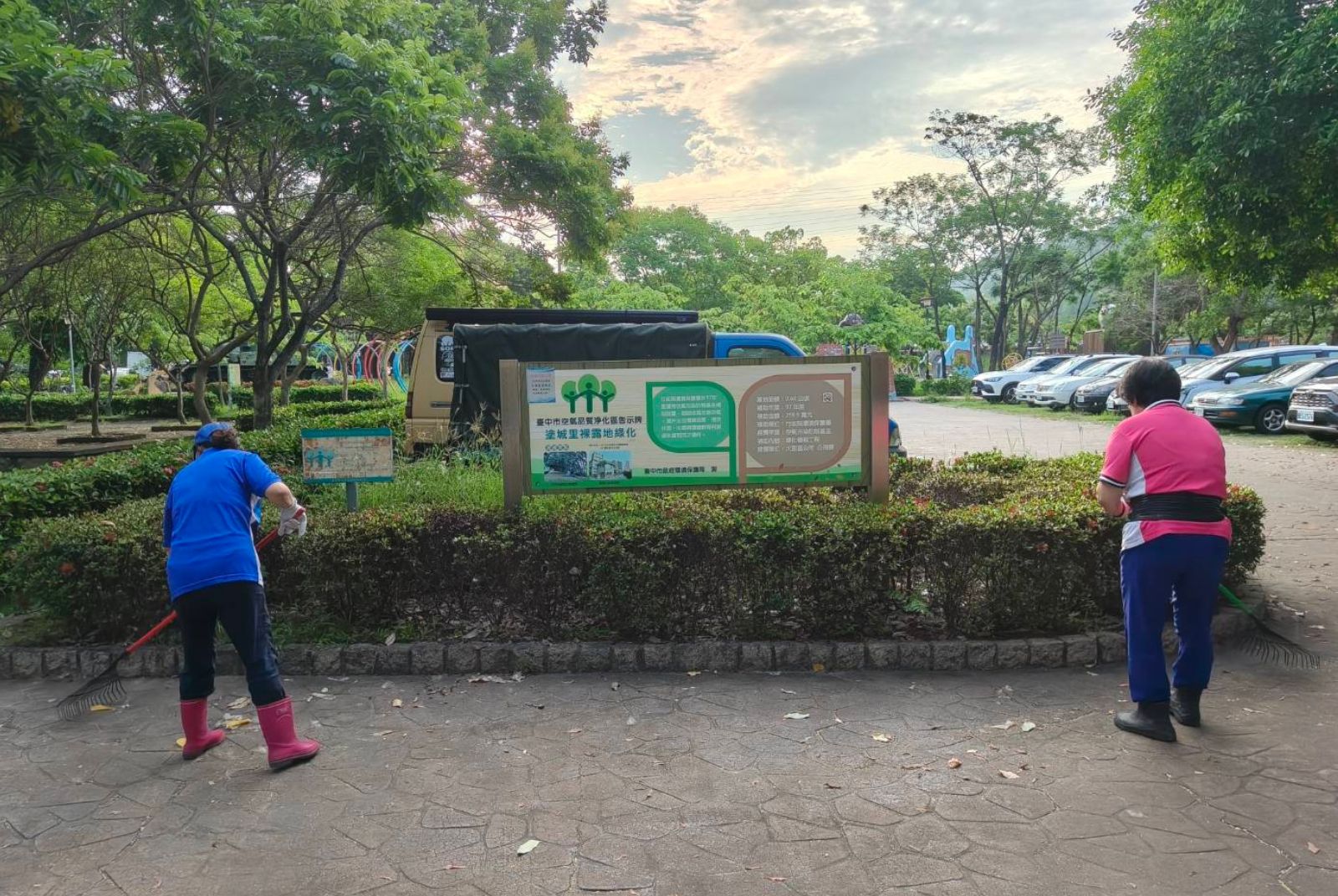
▲ Enterprises are taking stewardship of air quality improvement zones in Taichung, greening the environment and reducing carbon footprints. (Photo courtesy of Taichung City Government)
Taichung is also building environmental resilience through the forward-looking blueprint that guides policy implementation. Wu notes that the Environmental Protection Bureau will continue to expand its regulatory capacity through its Environmental Impact Assessment and Remote Monitoring Program (環評監督與遠端監控查核計畫), which provides comprehensive oversight of construction projects from initial design to completion. The goal is to strike a balance between a construction boom with its potential to wreak environmental havoc and an already thriving city renowned in Taiwan and increasingly the world for its quality of life—and in doing so, demonstrate Taichung's determination to be a model city for sustainability.
(Advertisement — Taichung City Government Environmental Protection Bureau)
Views

Subscribe to CWE Newsletter (every Thursday)
Stay abreast of what's happening in Taiwan with our weekly digest.
Keywords: