Washington Accuses Chinese AI Firms of ‘Systematic’ Theft
Source:AFP
September 10, 2026 -- Today’s top stories: Washington Accuses Chinese AI Firms of ‘Systematic’ Theft, Anthropic Researcher Quits Over AI Labs ‘Gambling With Our Lives’, and Malaysia’s Data Centre Capacity to Triple by 2030.
Views
Washington Accuses Chinese AI Firms of ‘Systematic’ Theft
By CommonWealth Magazineweb only
Washington accuses Chinese AI firms of 'systematic' theft
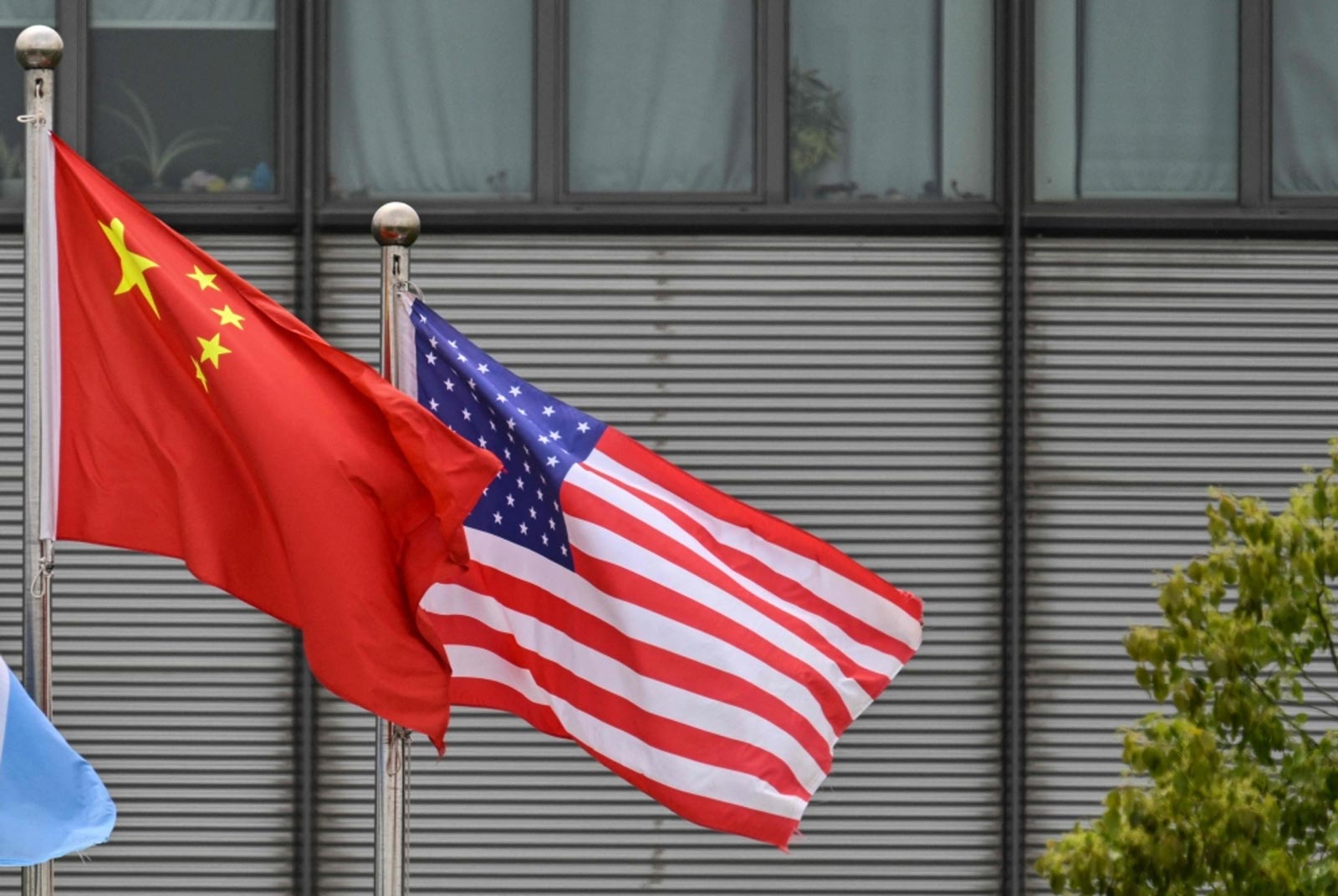
The US government has accused Chinese artificial intelligence (AI) companies, including DeepSeek and Moonshot AI, of stealing proprietary technology from American AI firms through a process known as distillation.
In a joint statement from the National Security Agency, FBI and Cybersecurity and Infrastructure Security Agency accused the Chinese firms of using a technique known as distillation since at least late 2024 to gain access to and draw information out of U.S. AI models “at an industrial scale” to train their own systems.
The agencies specifically accused DeepSeek, Moonshot, Alibaba Group Holding Ltd., Minimax, Stepfun and Z. AI Co. of the practice. Distillation is the process of training smaller AI models using output from larger, more expensive ones as part of an effort to lower the costs of training a new AI tool.
The advisory comes ahead of an expected meeting this month between President Donald Trump and his Chinese counterpart Xi Jinping at the White House, where AI could be an important discussion topic.
It follows several previous accusations of Chinese AI theft through a process known as distillation levelled by the US government and American AI companies.
Reference Sources
- apnews - China hits back at US claims of ‘malicious’ AI distillation ahead of planned Trump-Xi talks
- malaymail - Washington slams Chinese AI firms for ‘systematic’ theft of US model capabilities
- rappler - US accuses Chinese AI firms of ‘malicious’ copying of AI technology
- bloomberg - US Says Alibaba, DeepSeek Have ‘Systematically’ Siphoned AI Models
- hongkongfp - Washington accuses Chinese AI firms of 'systematic' theft
Anthropic researcher quits over AI labs ‘gambling with our lives’
Anthropic researcher Jacob Coxon has resigned from the San Francisco-based AI company, warning that competition is driving an industry-wide rush to build models that could spiral out of control and destroy humanity.
Coxon spent the past three years pretraining AI models, first at OpenAI and then, this year, at Anthropic, which he considered more cautious in its approach.
Coxon’s departure hits at a critical moment as Anthropic gears up for an IPO expected to be among the largest ever.
The company is seeking a $2 trillion valuation while emphasizing its commitment to responsible AI development.
Coxon is one of a growing number of AI experts to call on the industry to slow down.
Reference Sources
- wsj - Anthropic Researcher Quits Over Industry’s Rush to Build Self-Improving AI
- bangkokpost - ‘They’re playing with our lives’: AI researcher sounds alarm
- abcnetau - Anthropic researcher quits saying AI developers believe 'it could kill us all'
- dailymail - AI could 'kill all humans' by the end of the decade, Anthropic researcher warns – as he quits over 'out of control' superintelligence race
- ft - Anthropic researcher quits over AI labs ‘gambling with our lives’
Malaysia's data centre capacity to triple by 2030, according to S&P Global Ratings
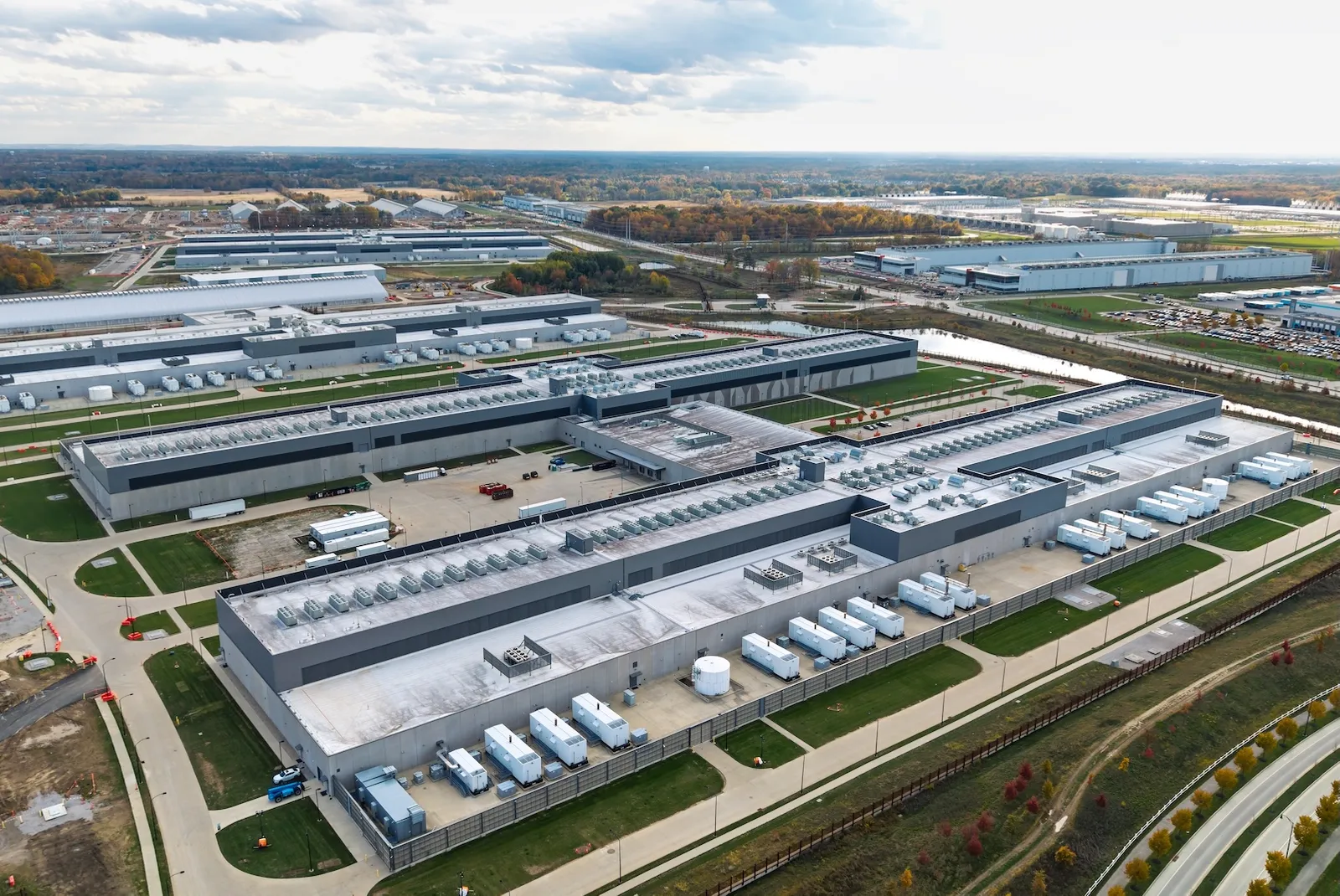
Malaysia’s data centre sector is expected to more than triple in capacity by 2030, entering what S&P Global Ratings describes as a more sustainable phase following years of rapid expansion. The buildout could require more than US$20 billion in funding for power infrastructure, buildings, equipment and chips. Malaysia remains competitive despite rising costs, helped by its proximity to Singapore, strong subsea cable connectivity and improving power and water infrastructure. Johor alone accounts for about 80% of the country’s data centre capacity.
The government is tightening policies to steer investment toward AI-ready and resource-efficient data centres, including stricter project approvals and revised electricity and water tariffs. Measures such as “greening pathways” and penalties for underutilized electricity capacity are intended to discourage speculative projects and prioritize facilities ready to connect to the grid. S&P said these pathways could shorten grid-connection times to as little as 12 months, compared with three to 10 years in some major markets in the U.S., U.K. and Asia-Pacific.
The data centre boom is already supporting Malaysia’s economy through construction, capital investment, equipment purchases and higher demand for utilities. However, S&P cautioned that the medium-term economic benefits may be less substantial: data centres are relatively low-value-added operations, depend heavily on imported equipment and create comparatively few jobs. Malaysia’s challenge, therefore, will be to convert the enormous infrastructure investment into broader and more sustainable economic value.
Reference Sources
The CommonWealth English daily news digest is a service curated by CommonWealth English team with the help of AI tools.
Have you read?
- ASML, TSMC Push 12-Inch Photomasks as High-NA EUV Enters Next Phase
- Huawei Heads to U.S. Trial After Eight-Year Sanctions and IP Battle
- EU Faces 300,000 Factory Job Cuts as Chinese Competition Intensifies
Uploaded by Ian Huang
Views

Subscribe to CWE Newsletter (every Thursday)
Stay abreast of what's happening in Taiwan with our weekly digest.
Keywords: