
Chang Chun turns CO2 into chemicals
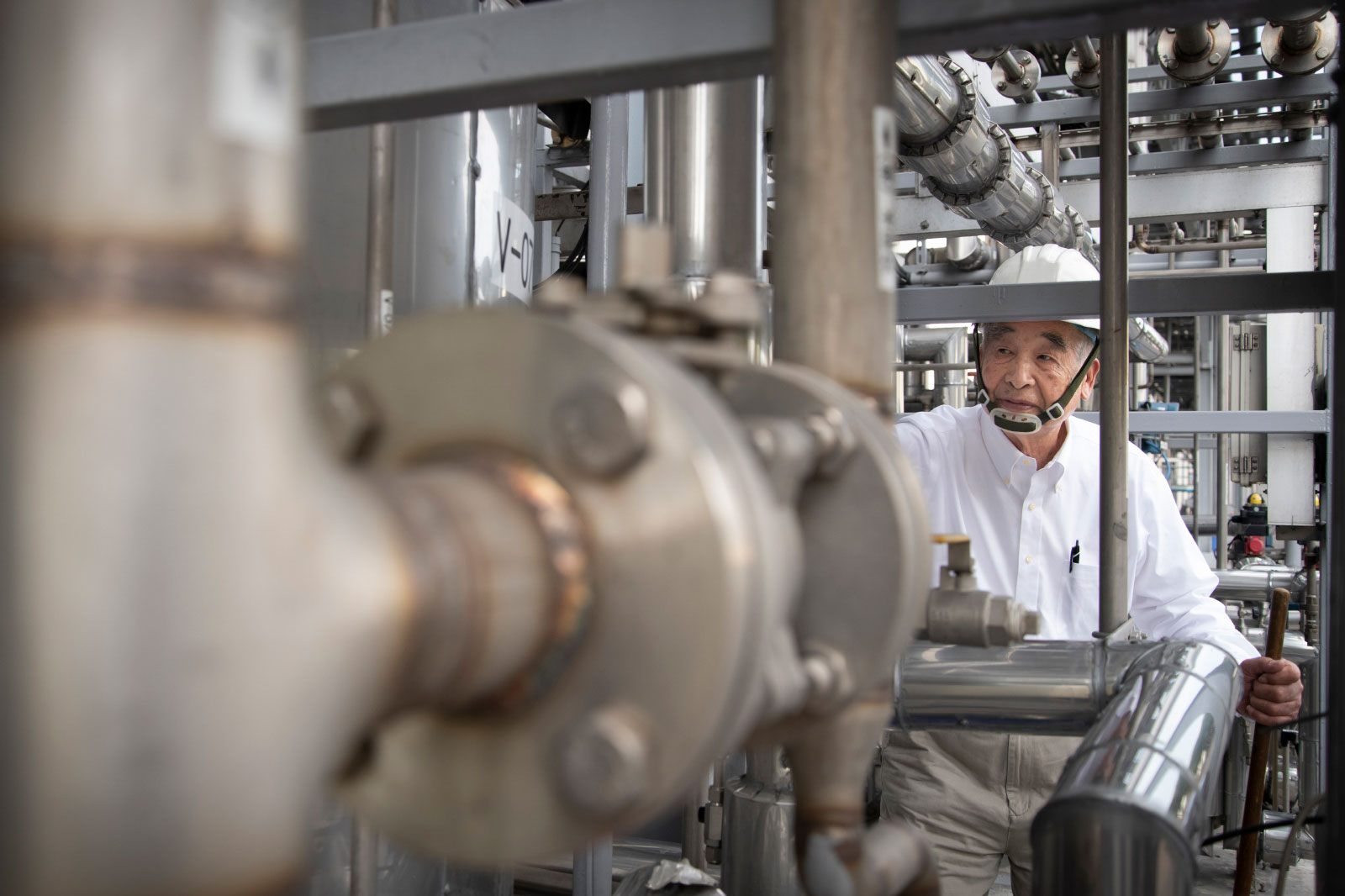
British Petroleum once sued Taiwan’s Chang Chun Group for producing a valuable chemical compound. Today, Chang Chun reuses the carbon emissions from its production to synthesize acetic acid. Once derided as a money-losing business, it is now one more reason why Chang Chun is unique in all the world.
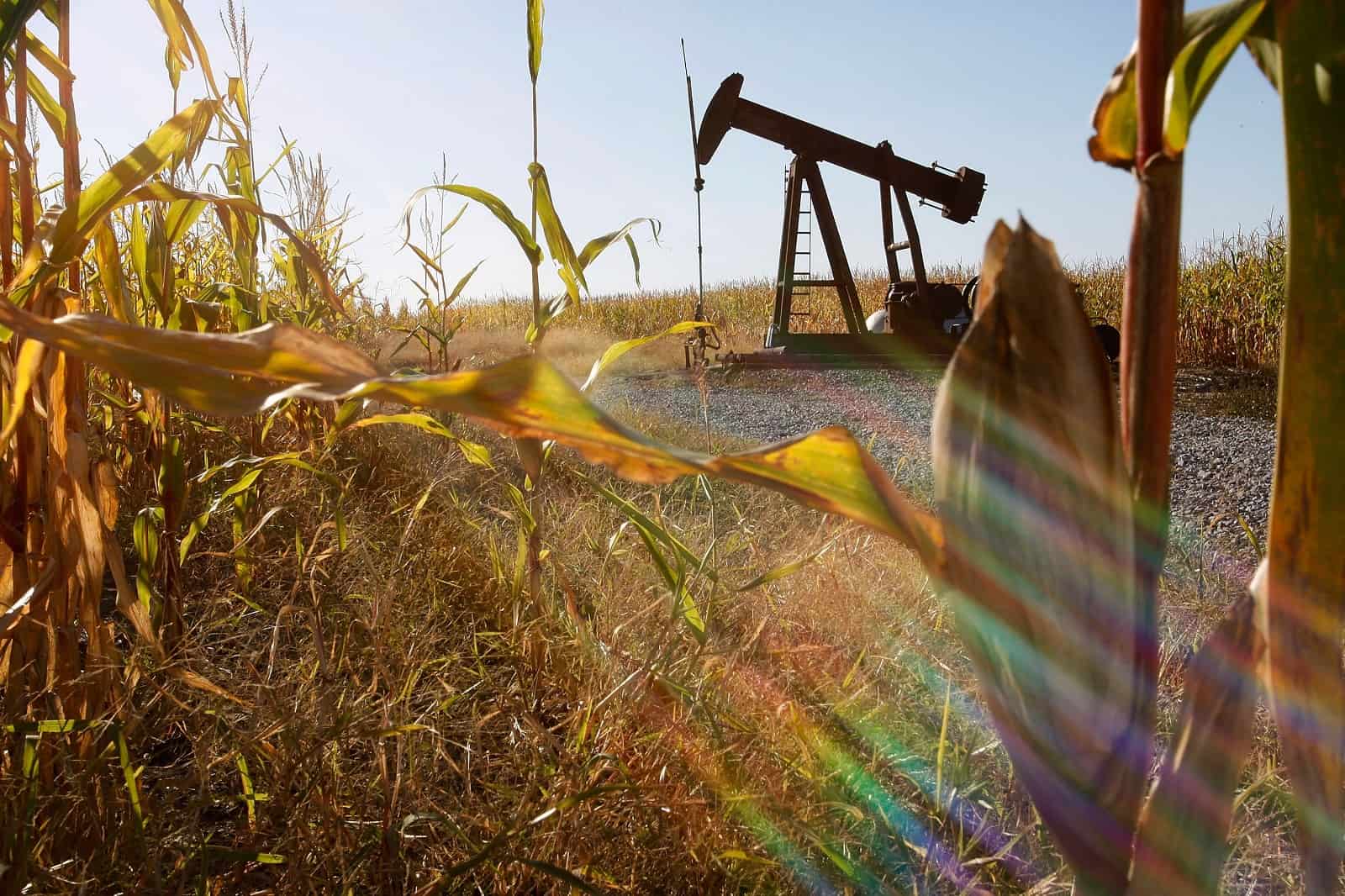
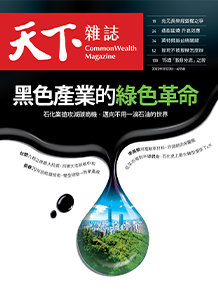
Moving towards a world without oil, how can Taiwan’s petrochemical industry adapt?
Petrochemical products, which have made their way into all facets of our lives, are about to see epochal change. With governments devising carbon tax schemes and the UN planning to restrict the use of plastics, the petrochemical industry is moving toward a “circular carbon economy”.
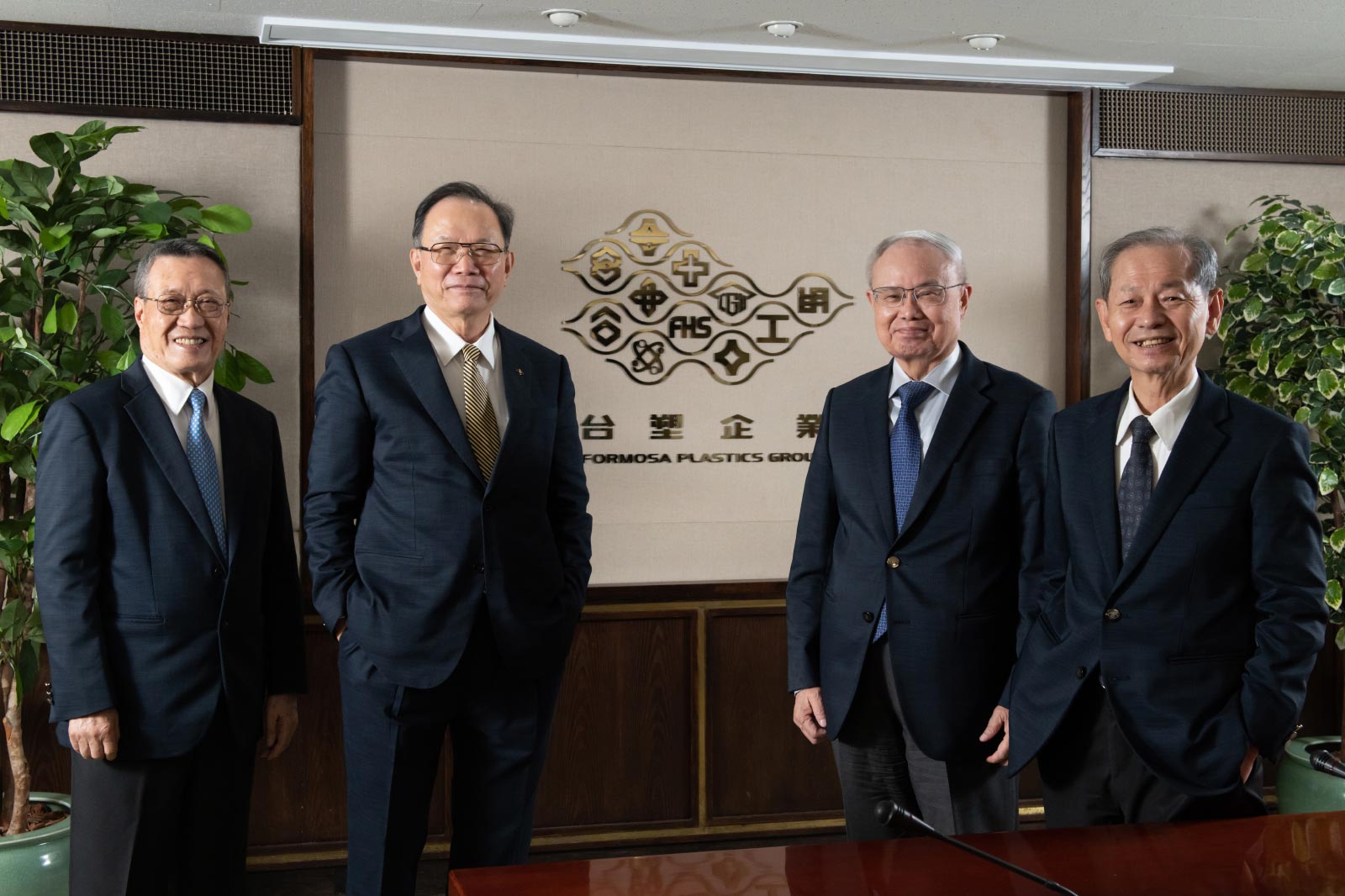
Formosa Plastics: Ready to take on carbon?
The Formosa Plastics Group is the world’s 10th largest petrochemical company, but it also generates more than 50 million metric tons of carbon emissions a year. Can it really reach its goal of carbon neutrality by 2050, and how does it intend to get there?
How do BASF and Covestro make their greenest petrochemical products in Taiwan?
Today, low carbon and recycling have become mainstream global trends. Major German industrial conglomerates such as BASF and Covestro firmly believe that sustainability is key, and Taiwan is playing a critical role.