Taiwan Braces for Trump’s Potential Tariff Hikes and Global Trade Impact
Source:shutterstock
Taiwan faces mounting uncertainty as Donald Trump's return to the U.S. presidency raises fears of renewed trade tensions and global economic disruption. With proposed tariff hikes on Chinese imports and goods from other countries, Taiwan's economic and financial policymakers are bracing for ripple effects that could impact exports, capital markets, and #inflation. As global supply chains and trade dynamics shift, will Taiwan’s resilience and policy adjustments be enough to weather the challenges ahead?
Views
Taiwan Braces for Trump’s Potential Tariff Hikes and Global Trade Impact
By Judy Linweb only
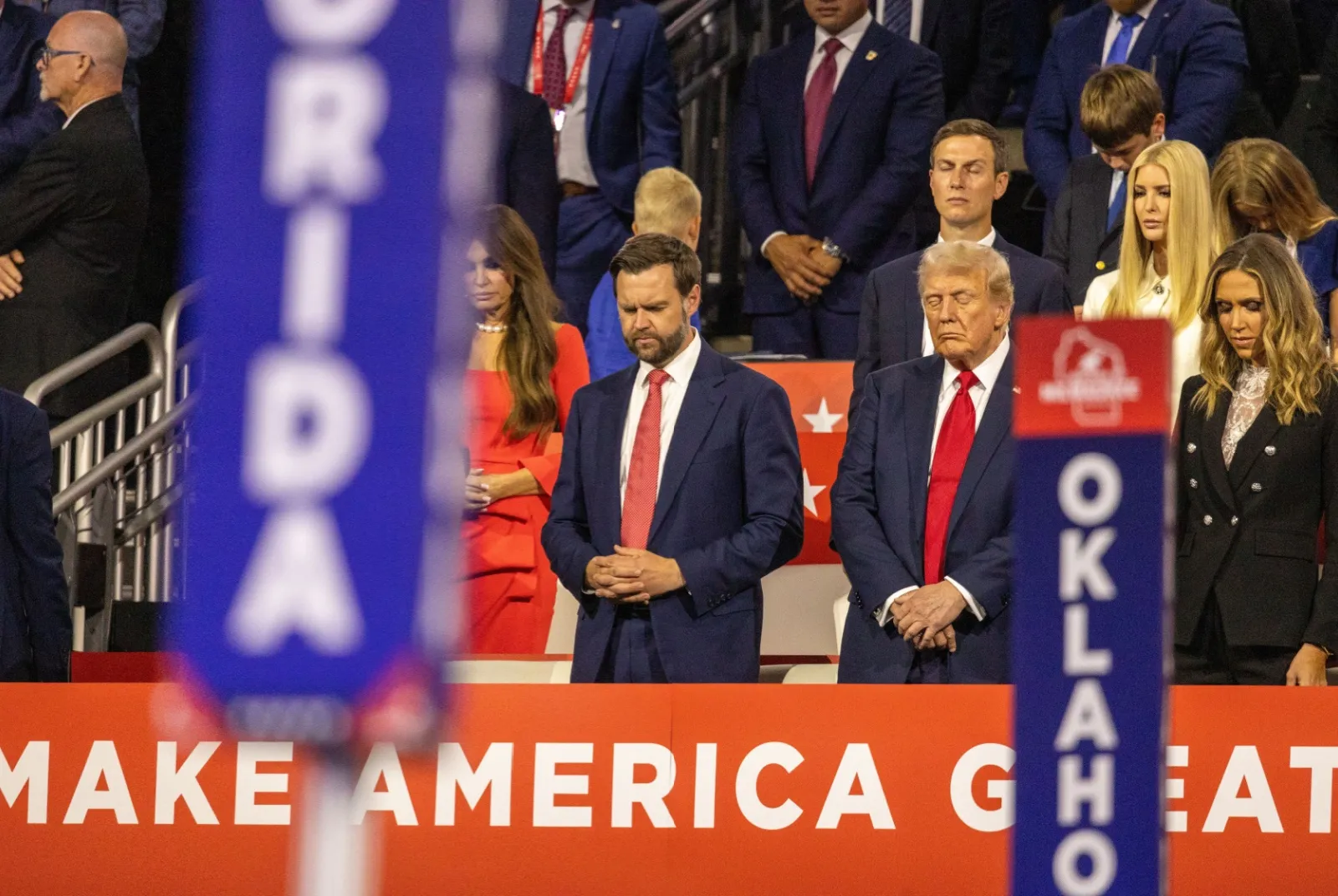
As Taiwan navigates the uncertainties of the upcoming Trump presidency, policymakers are emphasizing strategic resilience. Trump's proposal for a sweeping 60% tariff on Chinese imports, along with 10–20% tariffs on goods from other countries, has raised serious concerns among Taiwan's economic and financial policymakers.
On November 14, Central Bank Governor Yang Chin-long, Finance Minister Chuang Tsui-yun, and Financial Supervisory Commission (FSC) Chairperson Peng Jin-lung briefed Taiwan’s Legislature on the potential fallout of a Trump victory for Taiwan’s economy.
"If the U.S. imposes high tariffs on Mainland China, it could trigger a new trade war, further weakening China's economic strength," Yang said. He emphasized that while Taiwan's exports to China have declined in recent years, China remains Taiwan's largest export market. A deteriorating Chinese economy, he said, could negatively affect Taiwan's export performance.
Inflation Fears and Global Markets
FSC Chairperson Peng highlighted inflation as a major risk stemming from Trump’s tariff strategy. “Although American manufacturers might benefit, imposing such tariffs could drive up inflation,” he cautioned. Peng predicted that sustained U.S. inflationary pressures could lead to prolonged high interest rates and a strong U.S. dollar.
The mere anticipation of Trump’s trade policies has already rattled Taiwan's capital markets. Foreign investors recorded net sales of NT$115.8 billion (US$3.62 billion) on the Taiwan Stock Exchange in the week of November 11-14, reflecting heightened investor anxiety.
Global Supply Chains Under Pressure
Taiwan’s export landscape has shifted in recent years, with an increasing proportion of goods destined for the U.S. due to global supply chain relocation and the rise of AI applications. Meanwhile, the share of exports to China and Hong Kong has declined. Major Taiwanese manufacturers have been diversifying investments to Mexico, Vietnam, and Thailand in a bid to reduce reliance on China.
However, Trump’s return to power could amplify pressures on supply chains, potentially disrupting global trade. Wiwynn, a key AI server supplier for NVIDIA, has indicated that it may consider establishing a production site in the U.S. if Trump’s proposed tariffs become reality.
Global Trade Tensions and Domestic Strategies
Yang cautioned lawmakers that a resurgence of trade disputes between the U.S. and China could spark widespread trade retaliation, escalating global protectionism. "Raising tariffs across the board could lead to significant trade disputes and worsen global economic conditions," he said.
Addressing Trump’s proposed tax cuts, Yang noted potential short-term benefits for U.S. consumption and investment but warned of long-term risks to the U.S. fiscal deficit, which could strain its economy over time.
Taiwan’s Countermeasures
To counter the potential fallout, Taiwan's Ministry of Finance (MOF) has proposed tax incentives and breaks to maintain the competitiveness of Taiwanese exports. "The signing of the Double Taxation Avoidance Agreement (DTA) between Taiwan and the U.S. will also reduce operating costs for businesses on both sides, fostering more investment and trade opportunities," said Finance Minister Chuang. The Central Bank also pledged to maintain stability of financial markets and does not rule out market intervention when necessary.
As Taiwan navigates the uncertainties of an upcoming Trump presidency, policymakers are emphasizing strategic resilience. While the challenges of a global trade realignment loom large, efforts to strengthen Taiwan’s economic partnerships and incentivize investment are expected to play a crucial role in mitigating the impact of a shifting geopolitical landscape.
Have you read?
- Chinese Scholars: Trump Won’t Go to War with China Over Taiwan
- Does Taiwan Have Leverage if Trump Asks for ‘Protection Fees’?
- Why and How China Would Struggle to Invade Taiwan
Uploaded by Ian Huang
Views

Subscribe to CWE Newsletter (every Thursday)
Stay abreast of what's happening in Taiwan with our weekly digest.
Keywords: