TSMC’s US$100 Billion Investment Deal: A Strategic Move Amid Geopolitical Pressures
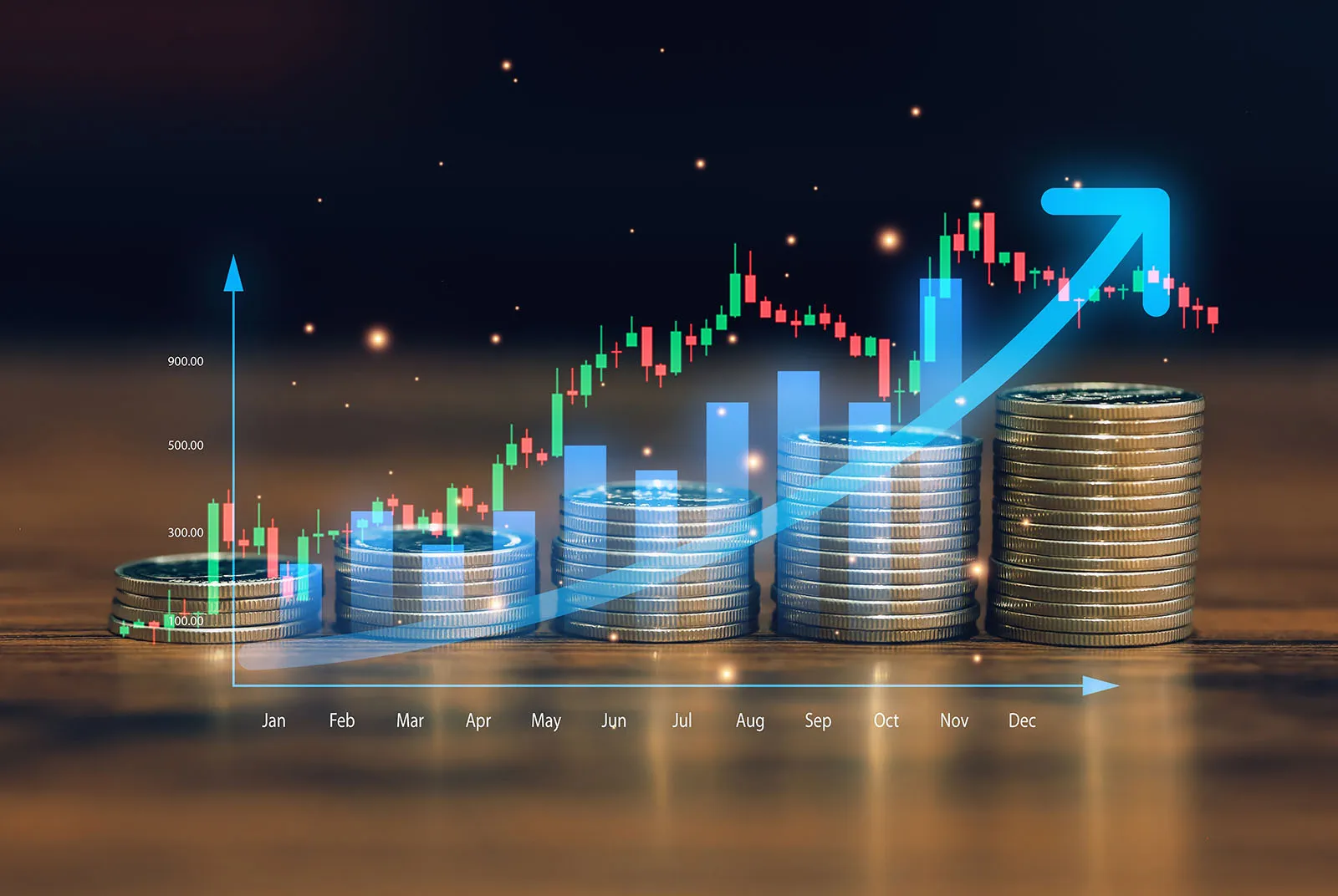
Source:shutterstock
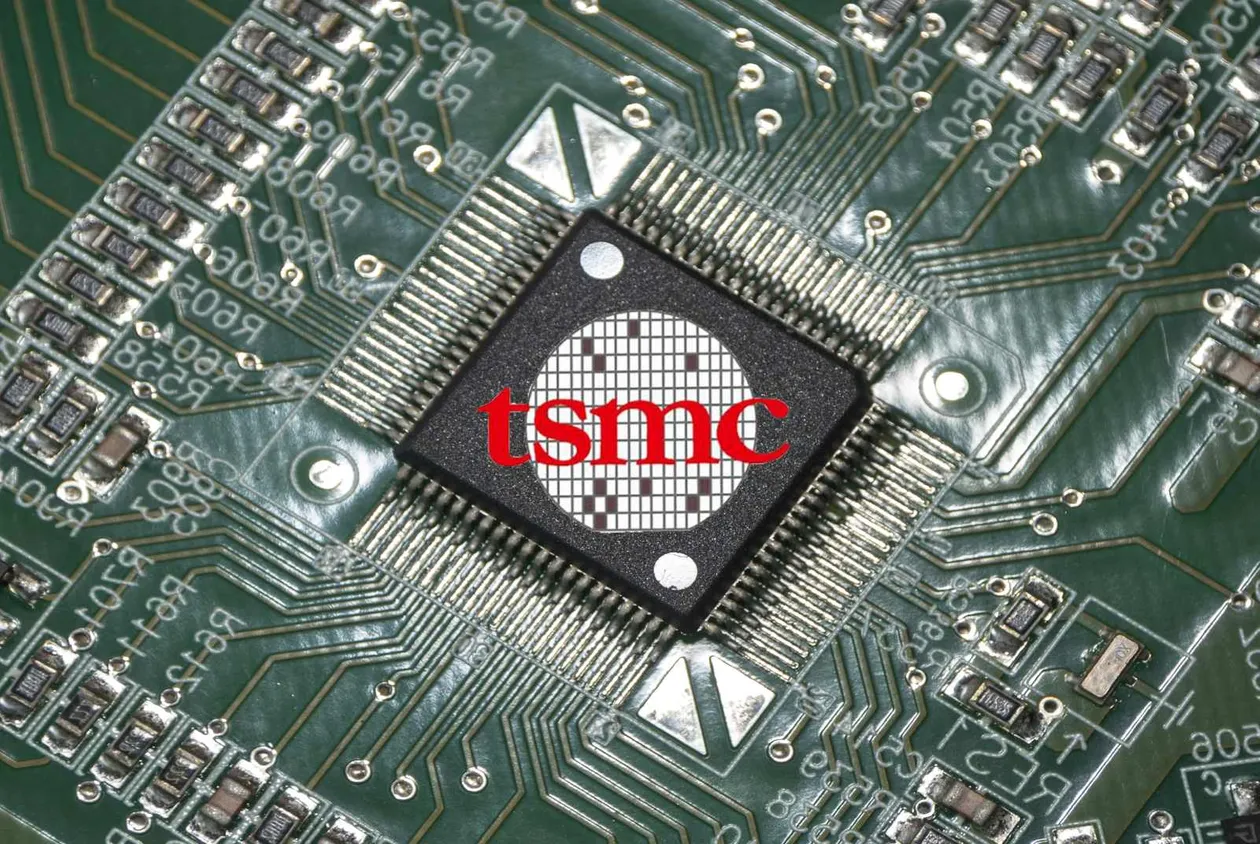
Taiwan Semiconductor Manufacturing Company (TSMC) has announced a massive $100 billion investment in the United States, adding to its existing commitments in Arizona. As TSMC positions itself as a global semiconductor leader, one must ask: How will this strategic move affect Taiwan's critical role in the global tech landscape?
Views
TSMC’s US$100 Billion Investment Deal: A Strategic Move Amid Geopolitical Pressures
By Judy Linweb only
Taiwan Semiconductor Manufacturing Company (TSMC) announced an additional $100 billion investment in the U.S. on March 3 in the White House, adding to its existing $65 billion commitment in Arizona, a gesture believed to gain political support and respond to customer requests more than fear of tariffs.
The plan, revealed alongside President Donald Trump, includes three new chip fabrication plants, two advanced packaging facilities, and a research and development center. Although Trump repeatedly said the decision aimed to avoid tariffs, the inclusion of an R&D center clearly aims to leverage domestic talent on advanced semiconductors research, reduce reliance on Asia by strengthening production resilience, and bolster U.S. national security.
“I view this positively,” said Chaney Ho, a retired high-tech entrepreneur and former executive of an important computer company in Taiwan. “TSMC's investment in the U.S. aligns with the interests of TSMC, Taiwan, and the U.S., making it a win-win-win decision.”
Ho explained that Taiwan lacks sufficient electricity and talent to manufacture all chips domestically, while Taiwan can export its manufacturing technology or intellectual property (IP), similar to how the U.S. exports its patents.
“This is a low-cost business for TSMC, as it solidifies its unshakeable position as a global semiconductor leader not just in Taiwan, but also in Japan, Europe, and the U.S. Taiwanese young people can gain experience and grow by working in the U.S. for a few years,” said Ho. “For the U.S., this means greater reliance on Taiwanese technology.”
Although TSMC builds factories in the U.S., Europe, and Japan, these overseas facilities still require technical resources, know-how, talent, and management from the headquarters. TSMC's key operations will remain in Taiwan, and the move of expanding capacities in America satisfies U.S. customer demands.
TSMC Chairman and CEO C. C. Wei expressed thanks to President Trump for inviting TSMC in 2020 to invest in America. “I also want to send my customers in the US, such as Apple, Nvidia, AMD, Qualcomm, they all support the TSMC manufacturing in the US,” said Wei. “Without their support, we probably cannot make it.”
More Concern Over Geopolitical Pressure Than Tariffs
Tariffs actually have little impact on TSMC, as costs can be passed on to downstream manufacturers, according to industry experts.
TSMC aligns with U.S. political pressures, but there's growing concern over "distrust of America," fearing the U.S. might undermine Taiwan's semiconductor role. This geopolitical dynamic requires careful attention, said several scholars.
TSMC's U.S. investment will increase costs but is driven by geopolitical considerations and Trump’s request for immediate results. “Trump seeks tangible numbers to address voter demands, although his goal of producing 40% of the world’s chips domestically being unrealistic,” said Fang-yu Chen, assistant professor at Soochow University in Taipei.
TSMC's stock fell 4.2% in U.S. regular trading session on March 3. This move reflects the market’s concerns over Taiwan-China tensions, as more production in America and elsewhere will inevitably decrease TSMC’s importance as the “Silicon Shield” for Taiwan.
Less of the Two Evils?
However, commentators said the announcement of the US$100 billion in Arizona to build two advanced packaging facilities and one R&D center is already the best of all the options available for TSMC.
Previously, market rumors said the Trump Administration has required TSMC to pick one out of three options to avoid 100% tariffs, which are: 1) Build advanced packaging facilities in America to establish a complete semiconductor supply chain; 2) Invest in Intel in the form of a joint venture along with other chip companies in America, with TSMC transferring its technology as a shareholder; and 3) Let Intel take the advanced packaging work for TSMC’s Arizona chips.
“The advanced packaging facility announced in today’s deal means TSMC will not be forced to bail out Intel, and no mention of 100% tariff,” wrote Hongwen Lin, a senior semiconductor reporter. “As long as there is no outflow of technology, it is the best result TSMC can get while capturing the business opportunities of US chip onshoring.”
However, Rocky Uriankhai, CEO of SciTech Power Research, a semiconductor geopolitics consultancy, disagreed.
“The details of the R&D center have not yet surfaced – what is the percentage of local talent, the R&D engineers from Hsinchu, and those from elsewhere? Don’t they have to transfer technology from TSMC to innovate new technologies? We don’t know yet, and I can assure you that many TSMC R&D engineers would love to move to Arizona and stay there.”
Not Entirely Out of the Jungle Yet?
Fang-yu Chen of Soochow Univeristy also pointed out that one thing worth monitoring is that Trump has replaced the carrot of the Biden years (subsidies) with a stick, namely tariffs. The shift in policy is becoming a driving force for further onshoring.
Will Trump forget about the 25% tariff on semiconductors produced by other Taiwanese companies just because TSMC announced the US$100 billion deal?
“That is a good question, but I doubt it,” said Uriankhai. “Taiwan’s trade surplus with the US has increased a lot over the past few years, so are many other trade partners of America, and Trump will not easily let go.”
Uriankhai emphasized that tariffs only have a short-term effect on a country’s economy, but the cut on the Federal research and development budget will hurt the competitiveness of a country in the long run.
While TSMC’s $100 billion investment reflects its ability to adapt to geopolitical realities and customer demands, questions about long-term implications remain unanswered.
As Taiwan navigates its semiconductor leadership amid growing U.S.-China tensions, the success of this strategy will depend on balancing global collaboration with safeguarding its technological edge.
Have you read?
- Daily News Digest: TSMC's $100 billion Investment Plan in US
- Taiwan's Semiconductor Industry in the Trump 2.0 Era: Challenges and Prospects
- Why Intel Never Caught Up to TSMC
Uploaded by Ian Huang
Views

Subscribe to CWE Newsletter (every Thursday)
Stay abreast of what's happening in Taiwan with our weekly digest.
Keywords: