Teaching Taiwan in India
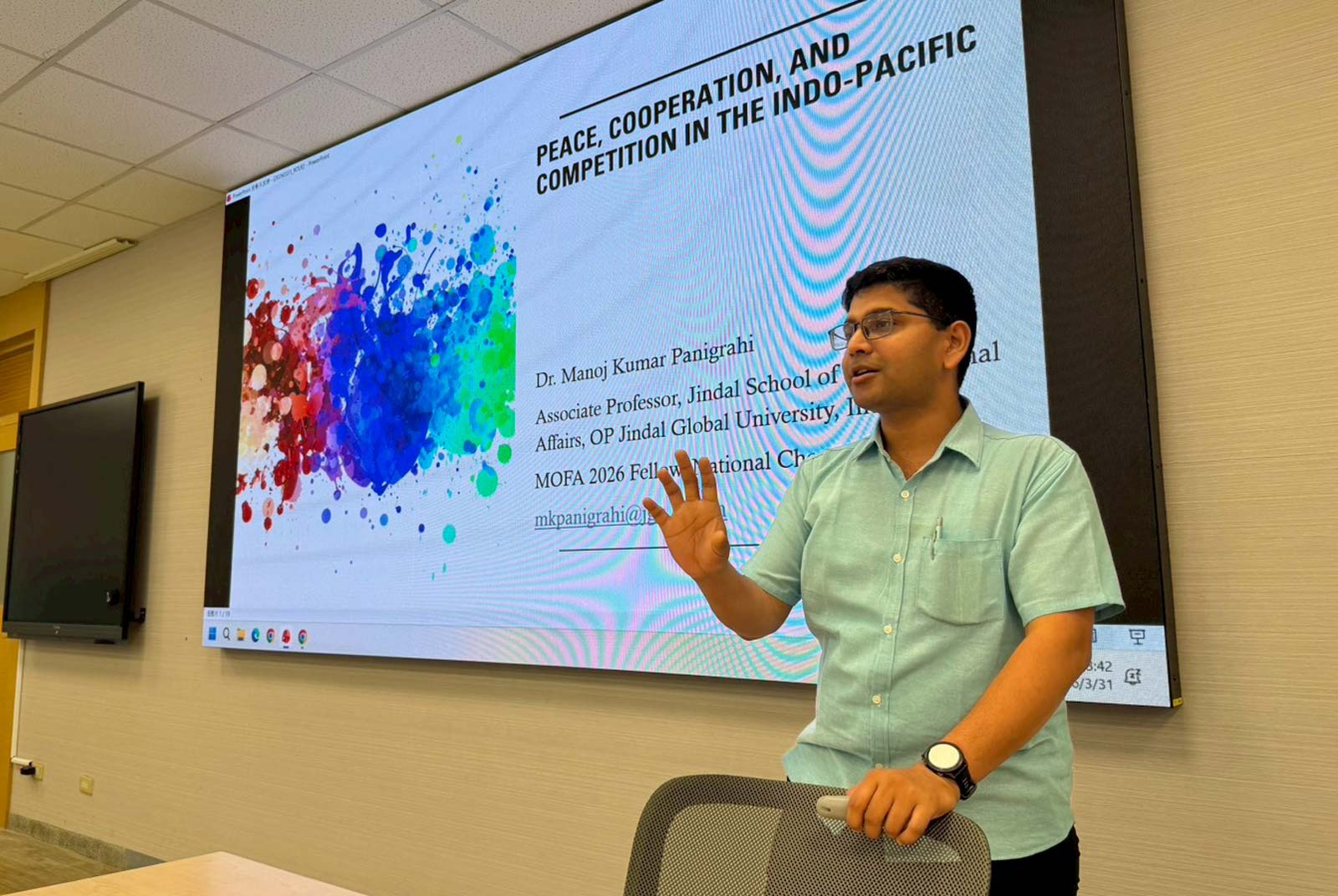
Source:Manoj Kumar Panigrahi
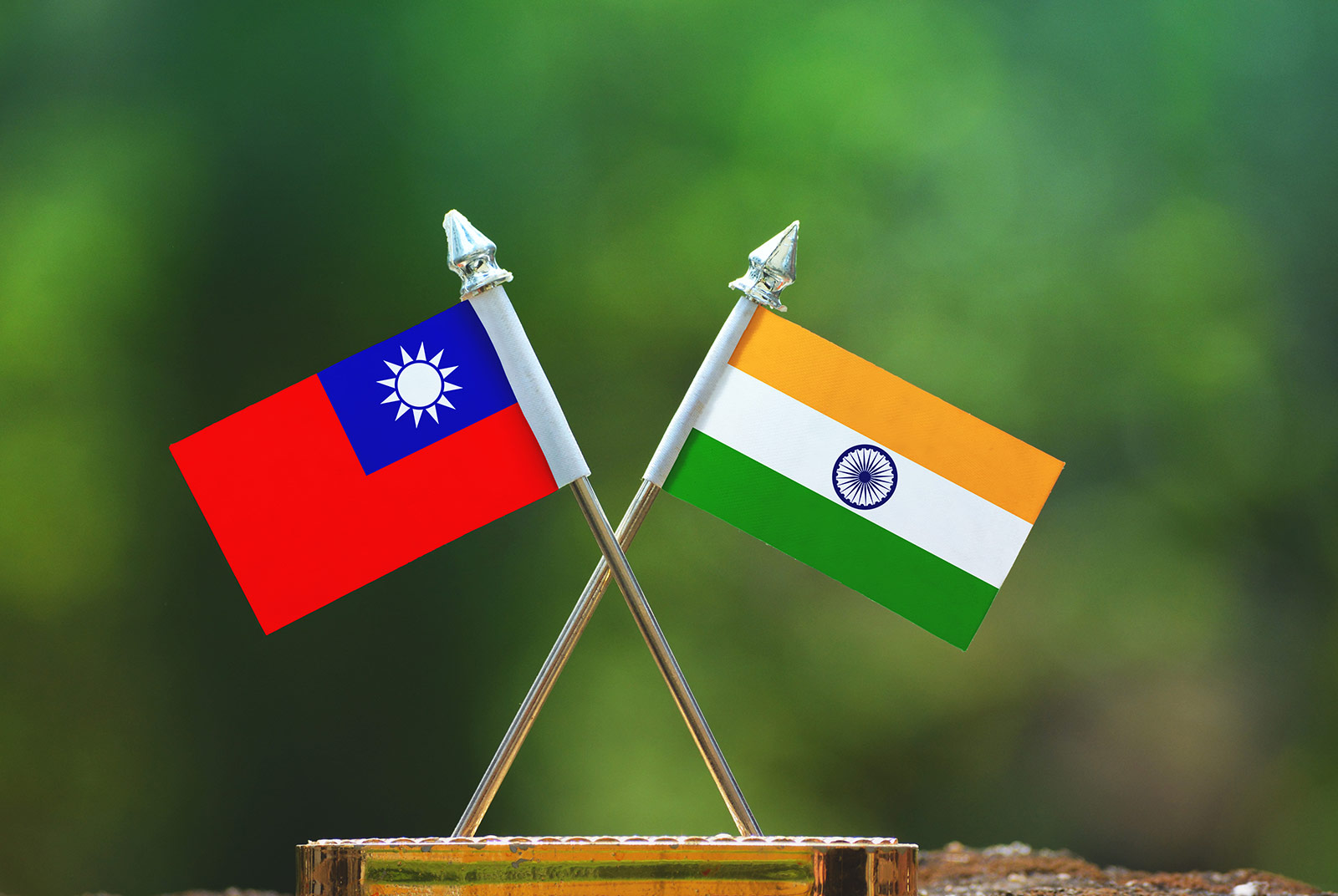
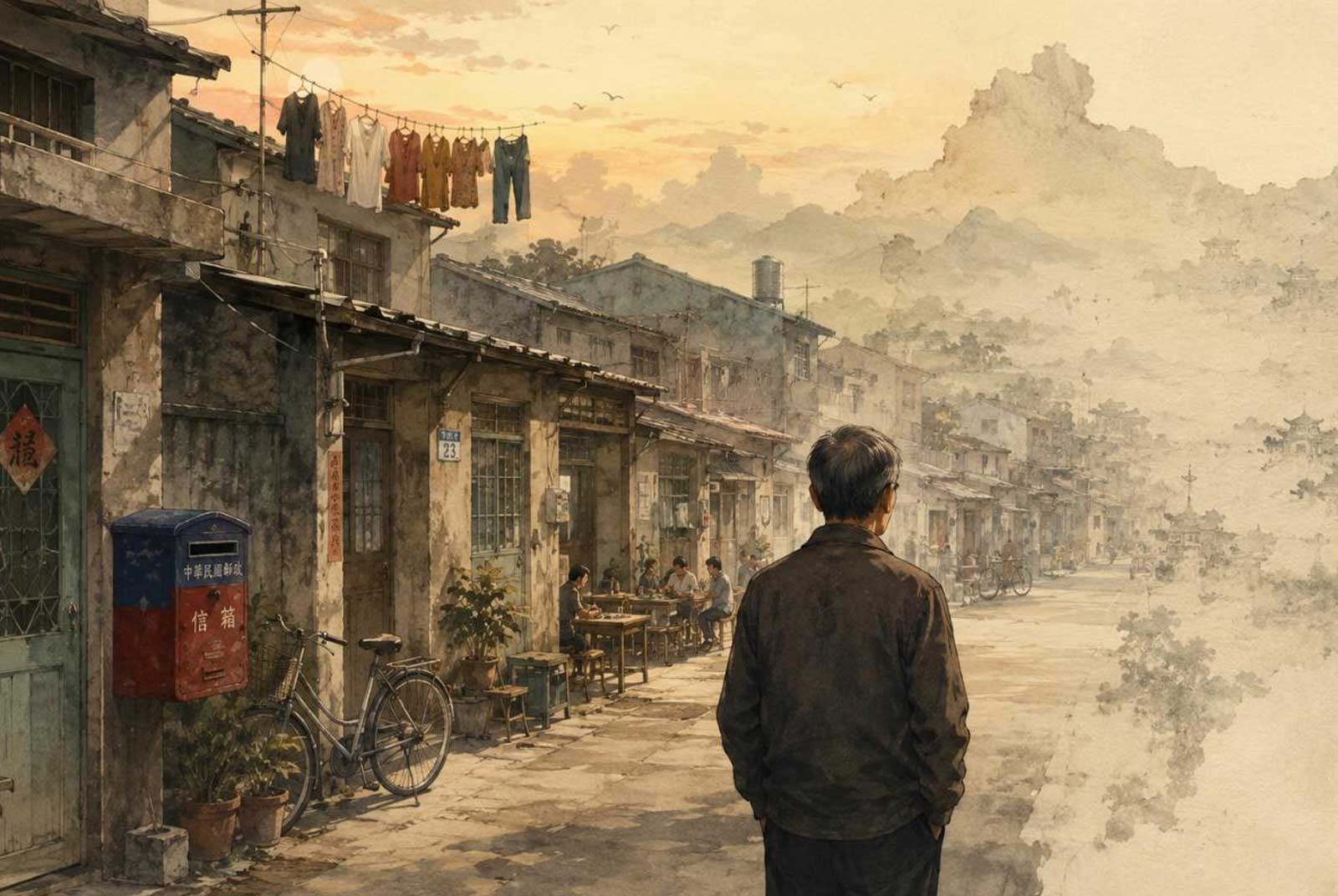
Teaching Taiwan in India is a labor of love — scarce resources, few physical materials, and almost no Taiwanese students on campus. But for nearly five years, one Indian professor has been building a curriculum from scratch, and the students keep coming. So what does it take to make Taiwan studies thrive somewhere it barely exists?
Views
Teaching Taiwan in India
By Manoj Kumar Panigrahiweb only
When we speak of a country, what do we usually look for? Its culture, language, people, how the society is? Etc. etc. there is never an end to it. That’s what intrigued me when I started to study about Taiwan and gradually started teaching about it since I moved back to India in 2022 (although I joined online in the summer of 2021).
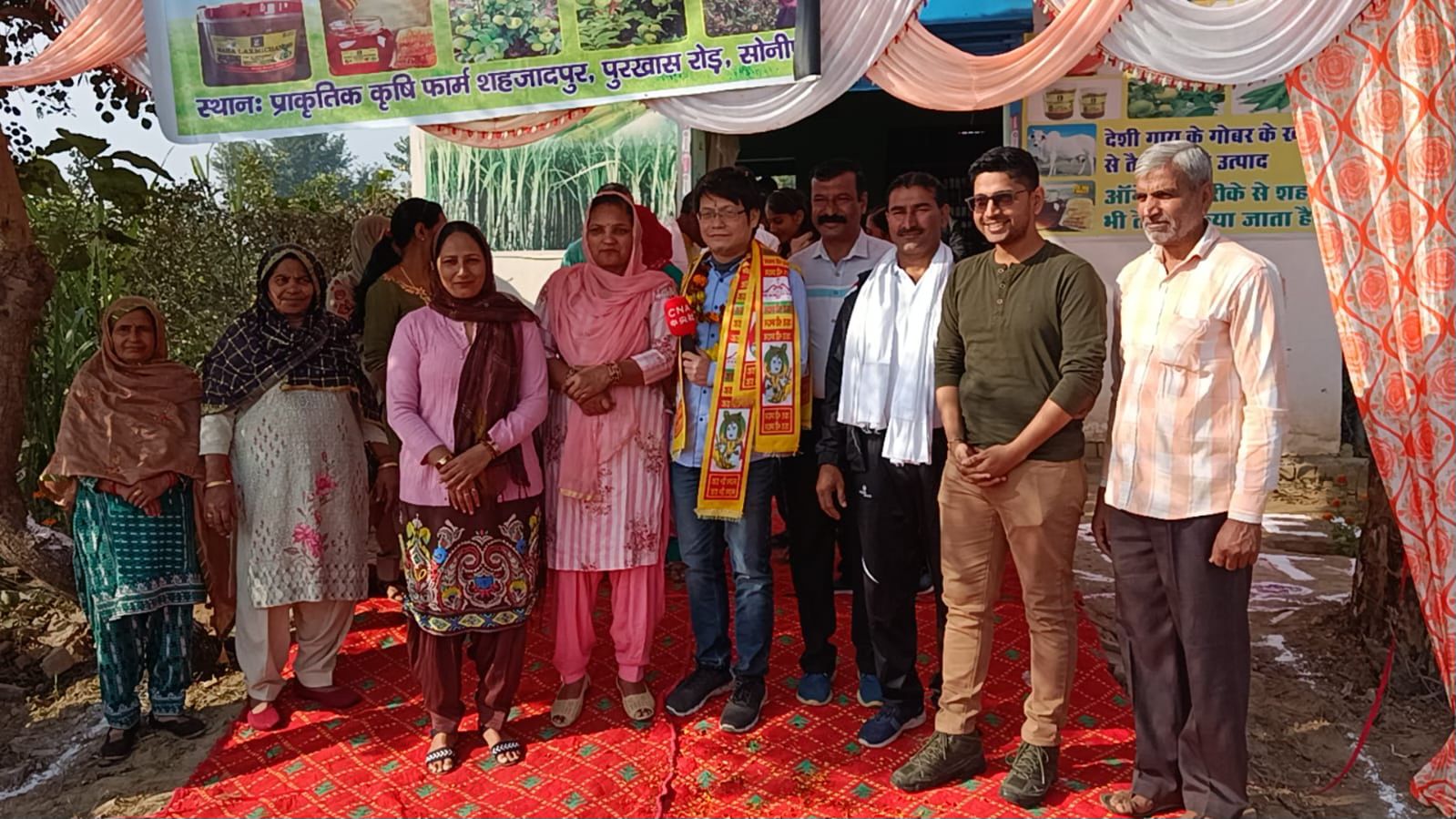 With the CNA Reporter for ground reporting on a farmer growing Taiwanese Guava.
It has been almost 4.5 years since I have started teaching about Taiwan in my university. It has taught me several learning lessons which I will be mentioning through this article.
First, is the confidence of teaching about Taiwan. After multiple deliberations I managed to convince myself to teach about Taiwan to a group of students. Questions such as “will it be attractive enough for the students to take it?” “How am I going to arrange the teaching weeks?” “How can I assess the students?” All such queries kept coming to my mind. It led to a long list of topics which I thought I could cover, and multiple chats and discussions. I also managed to discuss this with my mentors, my doctoral supervisor and many Taiwanese friends whom I met through. It has been almost five years since I have been teaching about Taiwan with almost a hundred students so far.
Secondly, it was tough to get the resources. Mostly due to the high cost of the printed materials. I managed to put it through my friends in Taiwan who sent me the reading materials. Also, during my occasional work trips to Taiwan, I used to purchase a few books and reading materials. Digitization helped, with major e-books and articles now easily being available online, but the thrill of having a hard copy of the book cannot be compared. To add, the library of my university was also generous enough to consider the book suggestions I used to make. And am happy to say that, gradually book by book, now we have at least 15-20 books about Taiwan covering history, culture, and politics etc.
Third, why would anyone choose to study Taiwan? Personally, I used to watch the Olympics and other sports competitions on TV in my childhood, and I used to always be curious about what is “Chinese Taipei”, “China” and why do they have almost the same name? Upon interacting with students, they gave several reasons for it. One of which is they want to understand the other parts of East Asia, some of them were learning Mandarin at the university’s Taiwan Education Centre which have Mandarin instructors from Taiwan, few others wanted to know something beyond K-pop, and not to mention their larger political understanding about China-Taiwan.
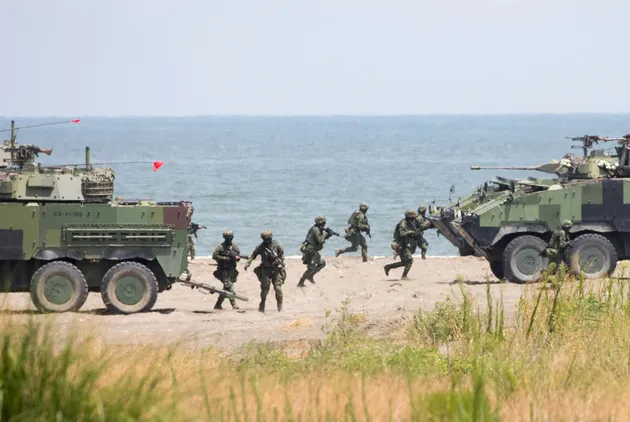
What we do in the class is a mix of history and modern contemporary issues. Largely we cover from how the Dutch entered Taiwan to current political situations. Again, thanks to multiple projects which work on Taiwan worldwide has helped in gaining the information. Several Taiwanese think tanks and media outlets have been crucial to this as well. Their simple yet informative graphics make it easier for the students to understand. One such example can be Commonwealth’s graphics and animation of Chinese military flights around Taiwan covering certain military exercises conducted by the Chinese Air Force.
Finally, I would like to mention what we lack. Physical maps of Taiwan to be displayed in classrooms would be very helpful. As mentioned earlier, the thrill of having a hard copy can’t be compared with digital ones. The physically detailed maps of Taiwan covering both political and provinces and small towns would be helpful. Movies are another, I have been in awe of certain movies from Taiwan. We have watched many movies in class depicting multiple cultural scenarios.
Primarily, those movies we watch are from Netflix and other streaming platforms. Recently, we were also watching the TaiwanPlus movie and documentary section which has an amazing collection of movies with English subtitles.
Another aspect is lack of interaction with the Taiwanese students. Although we read and study in class, the in-person experience cannot be beaten. There were a few students who went to Taiwan for study exchange programs and to learn Mandarin after finishing their studies. But there have been almost no students from Taiwan coming to my university. I would also like to take this opportunity to mention to the Professors in Taiwanese universities that, if you would like to bring in a group of students to India, we will be happy to work on a week or two of India immersion program which will show different aesthetics of India to Taiwanese students.
The future of teaching Taiwan in India is still a story of growth and passion and in progress. I am sure there will be challenges remaining, but we can deal with them with everyone’s support and interests.
I always look forward to learning more about Taiwan this year as I am in Taipei for my exchange fellowship. I would also like to meet and listen to different stories related to Taiwan.
(This piece reflects the author's opinion, and does not represent the opinion of CommonWealth Magazine.)
CommonWealth Magazine welcomes op-ed submissions. Please send your article proposals to [email protected]
About the author:
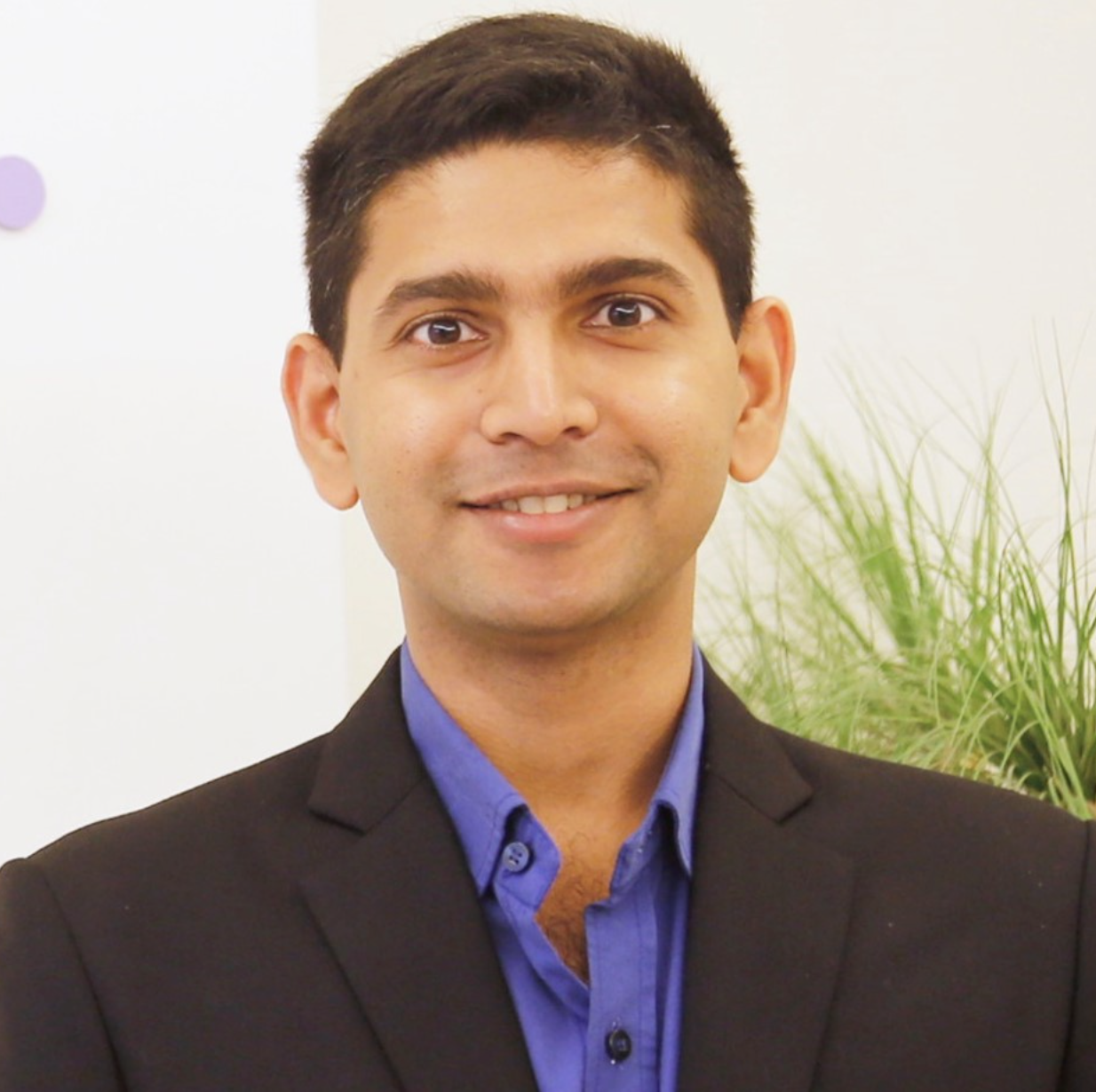
Dr. Manoj Kumar Panigrahi is an Associate Professor and co-director of the Centre for Northeast Asian Studies at Jindal School of International Affairs, O.P. Jindal Global University. He teaches courses on Taiwan History and Politics and Cross-strait relations between Taiwan and China. His recent publication includes a monograph published titled “Taiwan-China Conundrum: What Can be India’s Policy Trajectories?” (October 2023) and a co-edited book titled “Drifts and Dynamics: Russia’s Ukraine War and Northeast Asia” (August 2022).
Have you read?
- India’s AI Strategy in a Changing Global Technology Landscape
- Racism or Cognitive Warfare: Speed Breakers in India-Taiwan Relations
Uploaded by Ian Huang
Views

Subscribe to CWE Newsletter (every Thursday)
Stay abreast of what's happening in Taiwan with our weekly digest.
Keywords: