An American Couple’s Experience with Postpartum Care in Taiwan
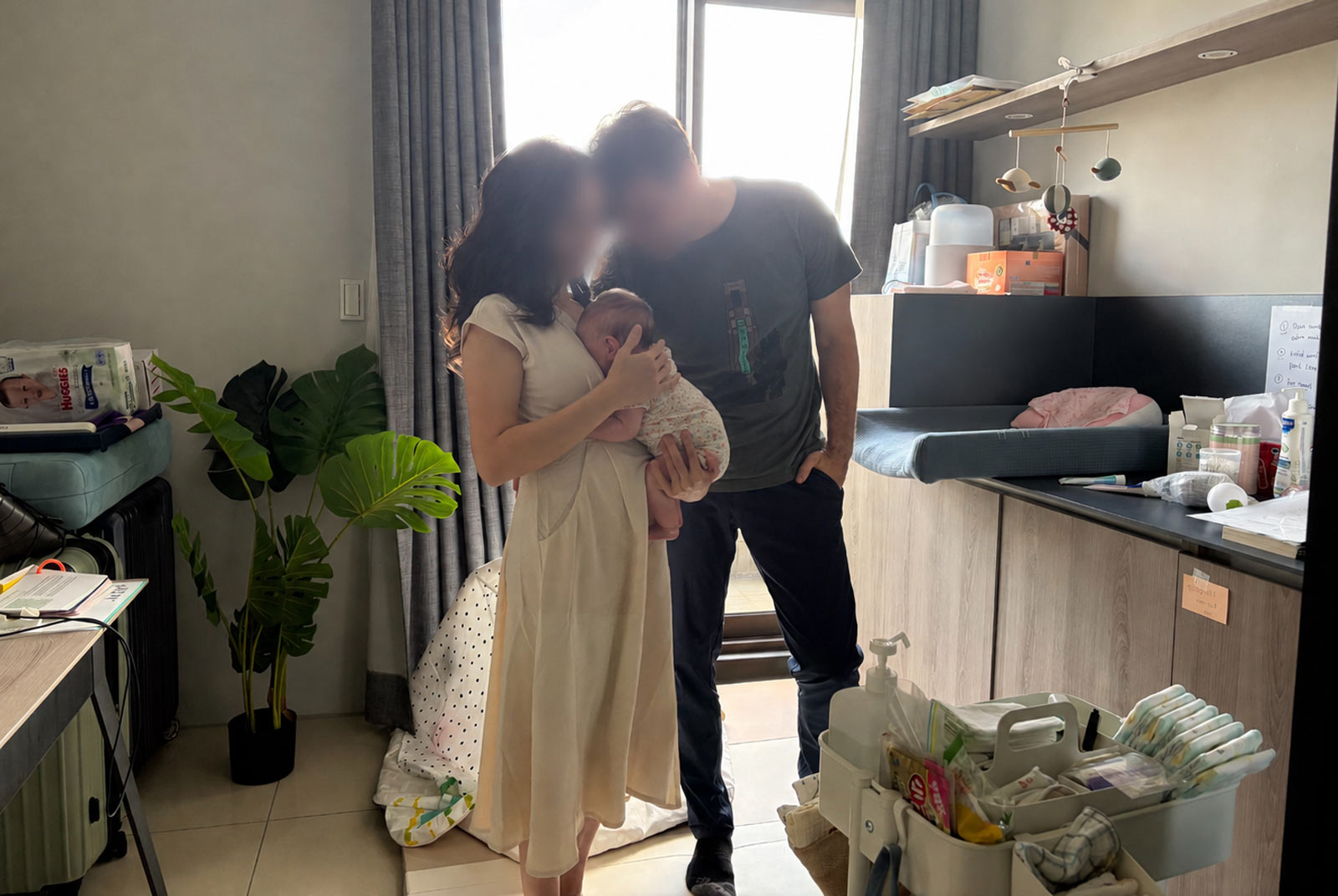
Source:Priya Ton
Taiwan's postpartum centers have turned the traditional practice of zuo yue zi (坐月子) into a professional care system that offers new parents around-the-clock support. Through the experience of an American couple who welcomed their first child in Taiwan, this story explores the benefits—and challenges—of a postpartum care model that is rare in much of the world. Could it offer lessons for other countries?
Views
An American Couple’s Experience with Postpartum Care in Taiwan
By Priya Tonweb only
After 34 hours of labor, American couple Auran and Nate left the hospital with their newborn baby and moved to their new home for the next few weeks: not in the United States, but a postpartum center in Northern Taiwan, where nurses and medical professionals provided around-the-clock care for both mother and baby.
Their experience highlights Taiwan’s unique approach to childbirth and maternal recovery care. Taiwan has transformed the traditional Chinese practice of “zuo yue zi” (坐月子), or “sitting the month”, into a professional industry of postpartum centers.
These centers provide structured support during the critical weeks after childbirth that many American families often navigate on their own.
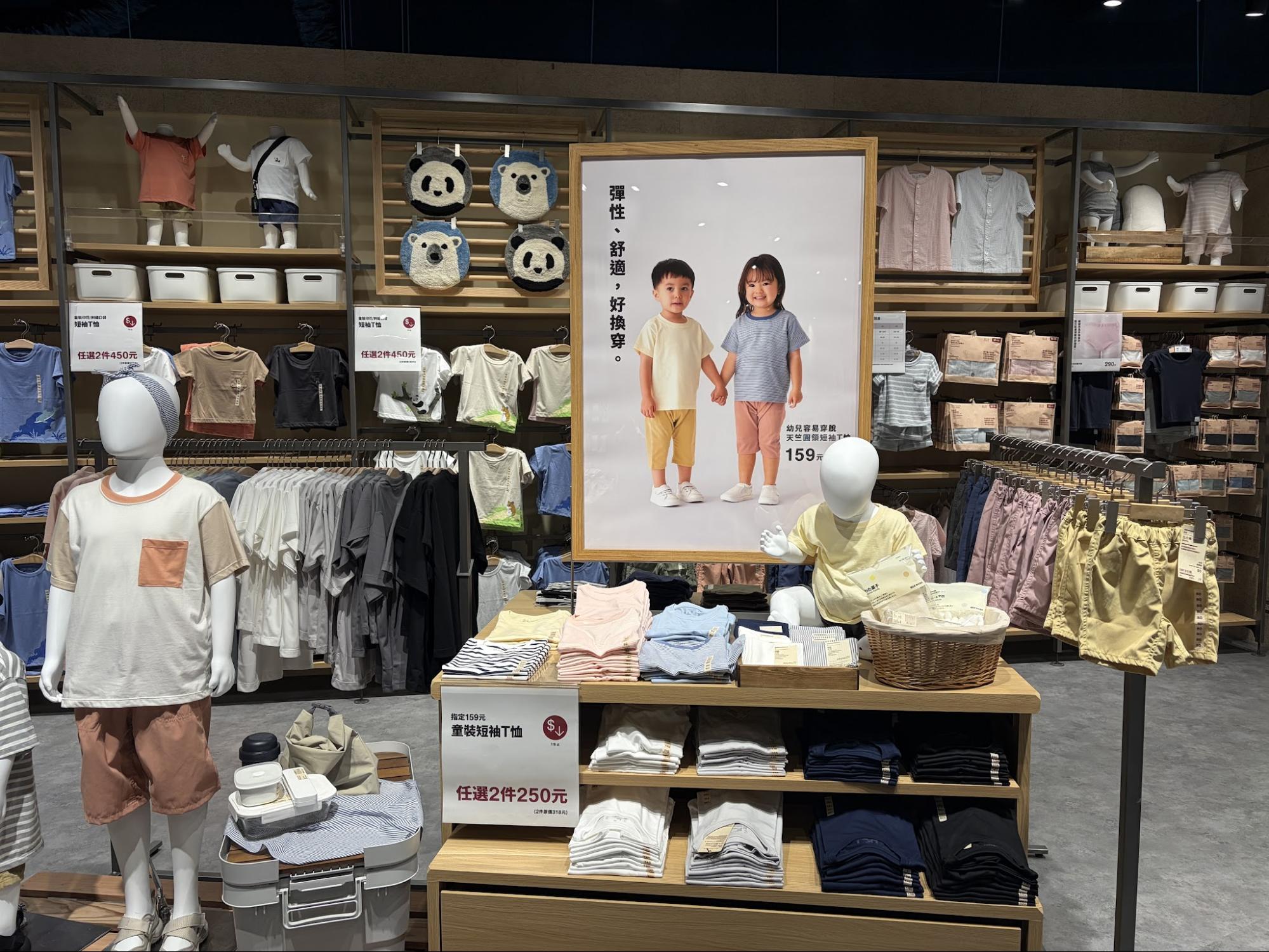 Kid’s sections are a prevalent feature at this Taoyuan mall (Photo: Priya Ton)
The couple did not originally come to Taiwan to have a baby. They had planned to explore different parts of Asia and when the COVID-19 pandemic hit, Taiwan’s Employment Gold Card offered a path to live in the region. What began as an experiment led to the couple falling in love with Taiwan and eventually obtaining permanent residence. After deciding to start a family, a friend recommended Qingpu, a family-friendly district in Taoyuan, to settle down.
It was also through a friend’s recommendation that led them to the postpartum center in Taoyuan, where they would spend the first few weeks with their newborn.
The Chinese practice of “zuo yue zi”, or “sitting the month,” gives new mothers several weeks to rest and recover after childbirth. During this period, family members take over household responsibilities, prepare meals and help care for the newborn.
Mothers follow rituals intended to restore their strength, including eating “warming” foods, avoiding drafts and limiting physical activity. The practice combines nourishing foods, herbal remedies and various rituals intended to rebuild a mother’s strength.
Although rest is a common element of postpartum recovery in many cultures, the elaborate month-long system of dietary principles and protective restrictions is particularly associated with Chinese tradition.
Taiwan has transformed this home-based tradition into a professional care industry. Postpartum centers combine specialized meals and traditional remedies with medical support and around-the-clock infant care, preserving the belief that mothers need dedicated care after childbirth.
At the postpartum center, the couple entered a structured and controlled environment. Only one designated person could stay with the mother, visitors were restricted, and strict protocols were in place for cross contamination. Upon returning from outside, staff checked Nate’s temperature and required him to sanitize, shower, and wear a mask and medical smock before seeing the baby.
The rules were strict, but gave the couple reassurance.
“It gives you peace of mind,” Nate recalls.
Auran described her 30-day stay at the postpartum center to be a positive experience. The center offered services such as yoga, hair care and spa treatment, but she found the support with physical recovery and breastfeeding to be the most valuable. Nurses provided medical care for both mother and baby, while a lactation consultant visited three times a week.
Each morning, staff checked on Auran and shared changes in the baby’s weight, height and health. The couple also attended classes on how to care for the baby, helping them gain confidence as first-time parents. Customized meals, frequent pumping, classes, and daily bonding with their newborn kept the couple busy.
The experience allowed Auran to recover without immediately taking on all of the responsibilities of caring for the baby, a level of structured support she said she would gladly choose again.
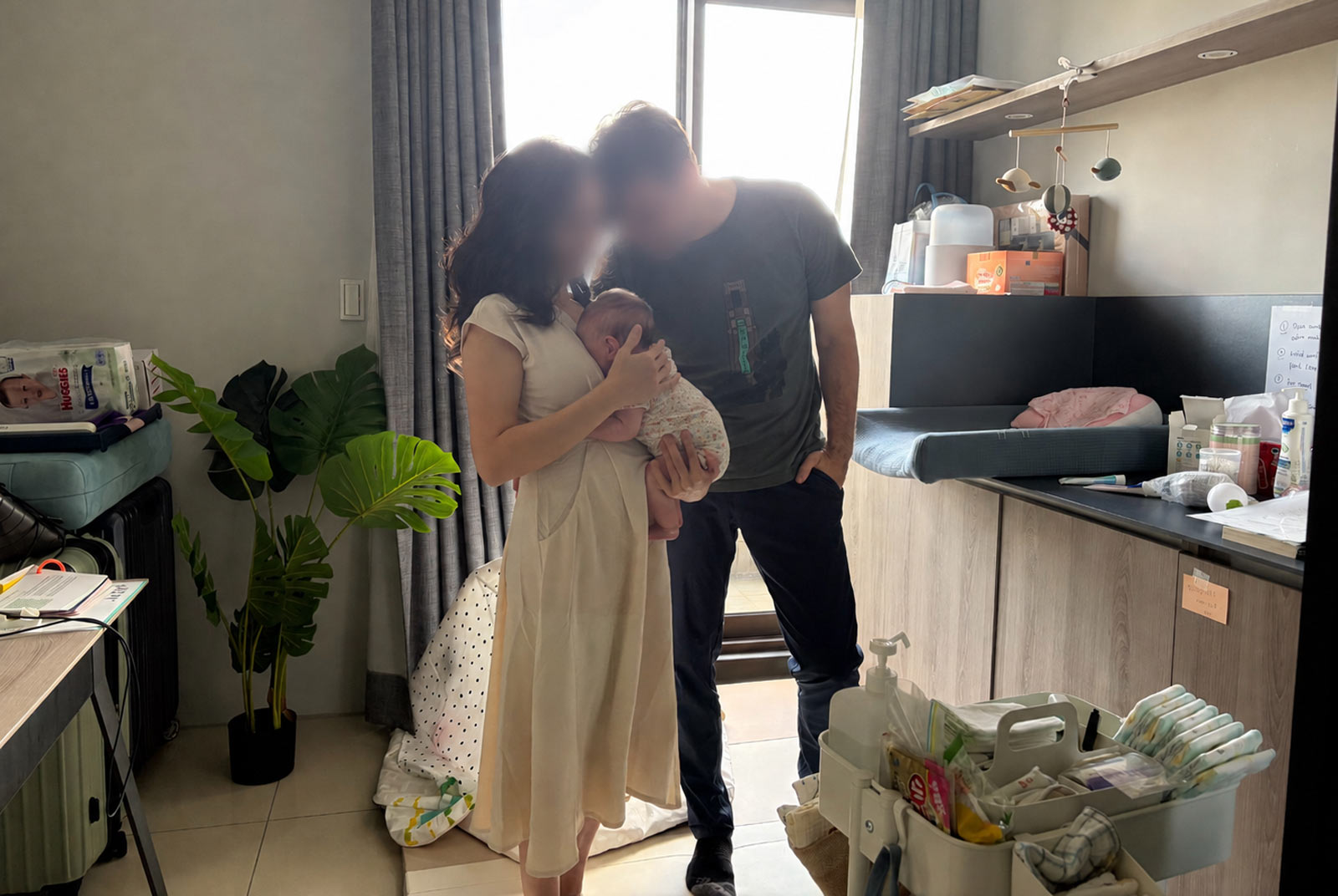 After staying 30 days at the postpartum center, Auran and Nate moved into an apartment. (Photo: Priya Ton)
Language barrier persists
While the postpartum center offered a level of care rarely found in the United States, it actually lacked accessibility for foreigners. Nate was among the first foreign guests to stay at the postpartum center, and English-language assistance was limited to the front desk. As a result, the couple relied on Auran’s Chinese language skills, and said without those skills, they would not have chosen to give birth in Taiwan.
“If we had researched this, seen how wonderful the postpartum care is, we might have tried it,” Nate said. “But I think we would have been deeply regretful if [Auran] didn't speak Chinese.”
The experience also highlighted cultural differences in approaches to medical care. Auran felt that the American healthcare system placed greater emphasis on informed choice, while her experience in Taiwan prioritized the expertise and recommendations of medical professionals.
However, she expressed the value of finding balance between the two approaches:
“There's probably a good common ground,” Auran said. “There's a reason doctors go through so many years of medical schooling, but also the way they treat patients, they have to do it through a statistical point of view. But there are so many factors. Your feelings at the moment are also very valid and important.”
For foreign families, Taiwan’s postpartum centers offer incomparable levels of support. However, receiving the full benefits may depend on a family’s language ability and openness to a more provider directed healthcare culture.
Have you read?
- How a Taiwanese-Dutch Musician Bridges Cultures through Jazz
- Joy Is Her Calling: How Lee A-Young Made Cheerleading a Career in Taiwan
- Cartoon Cats and Robots, Made in Kaohsiung, With an Indonesian Heart
- From North to South: Joan Yang's Taiwanese comic book odyssey
Uploaded by Ian Huang
Views

Subscribe to CWE Newsletter (every Thursday)
Stay abreast of what's happening in Taiwan with our weekly digest.
Keywords: