Blame Nvidia’s AI Boom? Why Taiwan Faces Higher Tariffs Than Japan and South Korea
Source:Getty Images
With U.S. President Donald Trump announcing a delay on his sweeping reciprocal tariff policy, economies around the world have gained a brief reprieve. But the tariffs are still a looming uncertainty, and the steep rates remain a challenge to be resolved. Trump had set a 32% tariff on Taiwan, higher than Japan and South Korea. But how did he arrive at this figure?
Views
Blame Nvidia’s AI Boom? Why Taiwan Faces Higher Tariffs Than Japan and South Korea
By Liang-rong Chenweb only
When this issue of the newsletter goes out, it’s just past April 9 U.S. time—the original date the United States had set for implementing reciprocal tariffs on imports from various countries.
Just as the world braced for trade turmoil, President Trump made a dramatic U-turn, announcing that tariffs on countries other than China would be delayed by 90 days.
In other words, Taiwan’s 32% reciprocal tariff will remain hanging over exporters like a sword for the next three months.
Why Is Taiwan Hit Harder Than Japan and Korea?
Many in the industry were outraged. Taiwan’s industrial structure is quite similar to Japan’s and South Korea’s—so why are those two major trade rivals subject to reciprocal tariffs of 23% and 25%, while Taiwan faces a steep 32%?
That 7–9 percentage point gap is enough to put Taiwanese manufacturers—especially in sectors like machine tools and chemical raw materials that directly compete with Japan and Korea—on the edge of survival.
On the surface, the reason lies in the sharp increase in Taiwan’s trade surplus with the U.S. over the past few years. Under Trump’s crude formula for calculating reciprocal tariffs—Taiwan’s 2024 trade surplus divided by exports to the U.S., then halved—that’s the result you get.
The Real Driver: AI Servers, Nvidia, and Jensen Huang
But why has Taiwan’s trade surplus with the U.S. grown so dramatically in recent years?
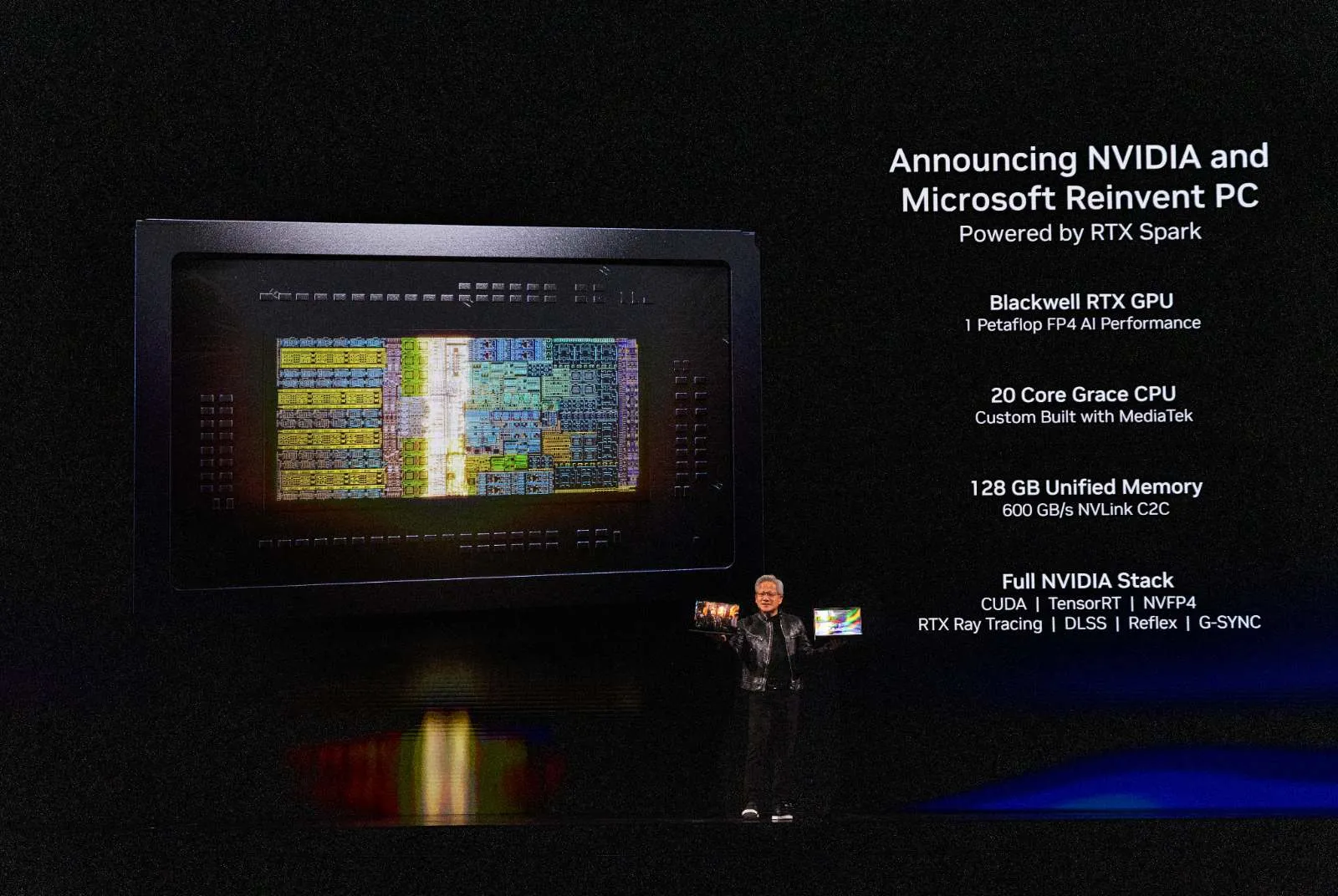
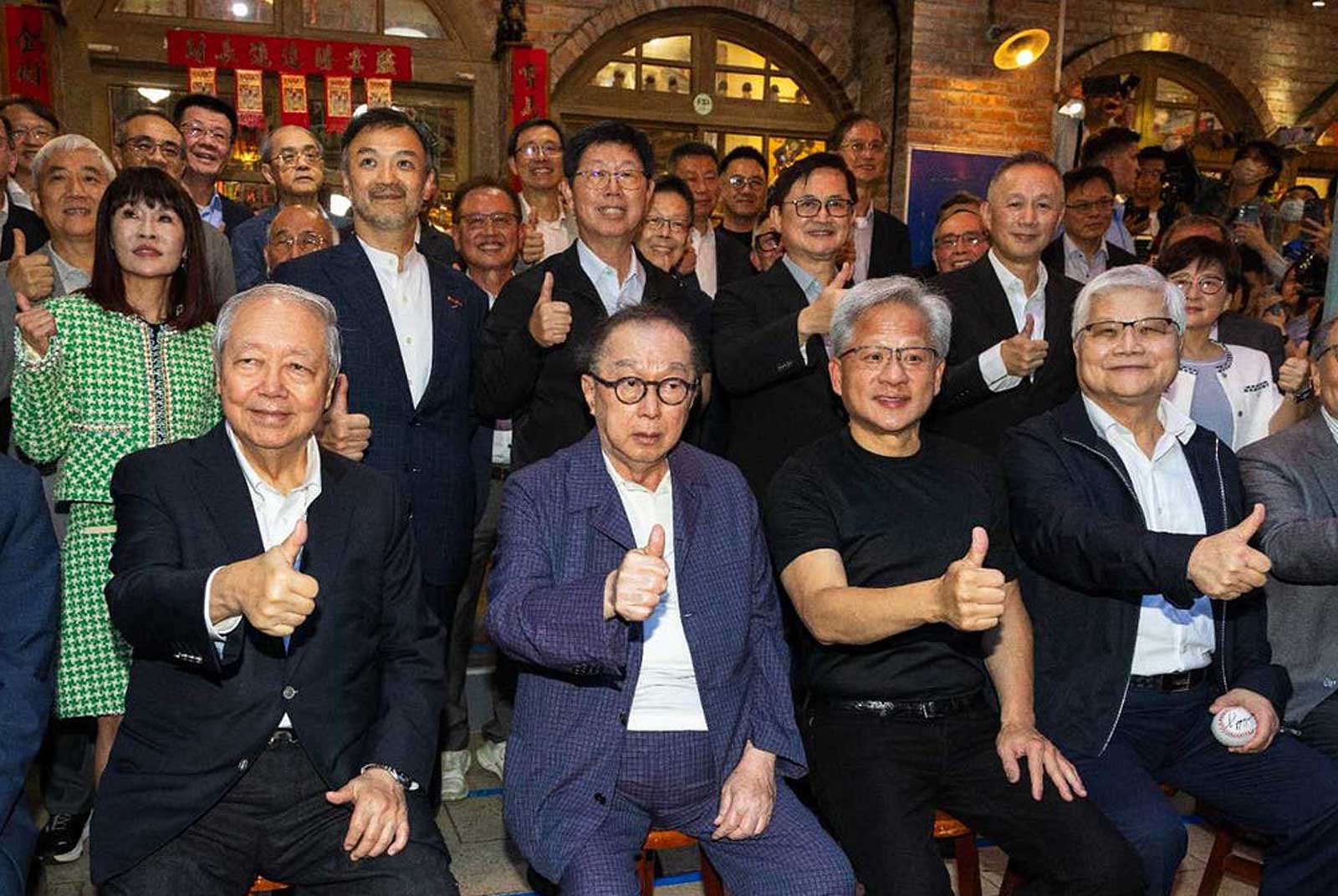
For those of us tech reporters who follow Nvidia’s supply chain closely, the answer is obvious: we have Jensen Huang to thank—or blame—for this.
If you plug Taiwan’s 2022 trade data into the above “Trump formula,” the resulting reciprocal tariff would have been 26%—roughly in line with Japan and South Korea.
So what happened over the past two years?
Some readers might remember a viral YouTube clip from November 2022. Two young female singers were livestreaming outside the Taipei Expo Park when Jensen Huang unexpectedly walked into the frame. He even requested a song—a Lady Gaga hit.
The video captured Huang swaying to the music and playfully interacting with the singers. That moment was streamed live and later uploaded online. To date, it has racked up over 3.59 million views.
But what was Jensen Huang doing there?
He was actually attending an esports event held at the same venue. Back then, the man in the leather jacket was still known mainly as the “Godfather of GPUs,” and those seeking selfies or autographs were mostly hardcore gamers. The two singers didn’t recognize him at all. (One of Huang’s assistants introduced him as “Jensen,” to which one of the performers, a Taiwan-born Canadian singer, responded with a puzzled “…Jensen?”)
That was in the pre-generative-AI era. It was also the last time Huang appeared publicly in Taiwan. A month later, ChatGPT was launched—and the tech landscape shifted overnight.
Nvidia became the fastest-growing large tech company in history, and Huang was crowned the undisputed Emperor of AI.
Taiwan’s New Superstar Export: L6 Server Boards
Taiwan, meanwhile, found itself with a brand-new bestselling export to the U.S.—officially declared at customs as “other units of automatic data processing machines.”
In 2022, Taiwan exported $3.33 billion of these items to the U.S. By 2024, that figure had skyrocketed to $31.7 billion—accounting for 28.55% of Taiwan’s total exports to the U.S.
This seemingly new product category, which materialized almost out of nowhere over the span of just three years, is—according to officials from Taiwan’s Ministry of Economic Affairs—essentially server motherboards without key components installed.
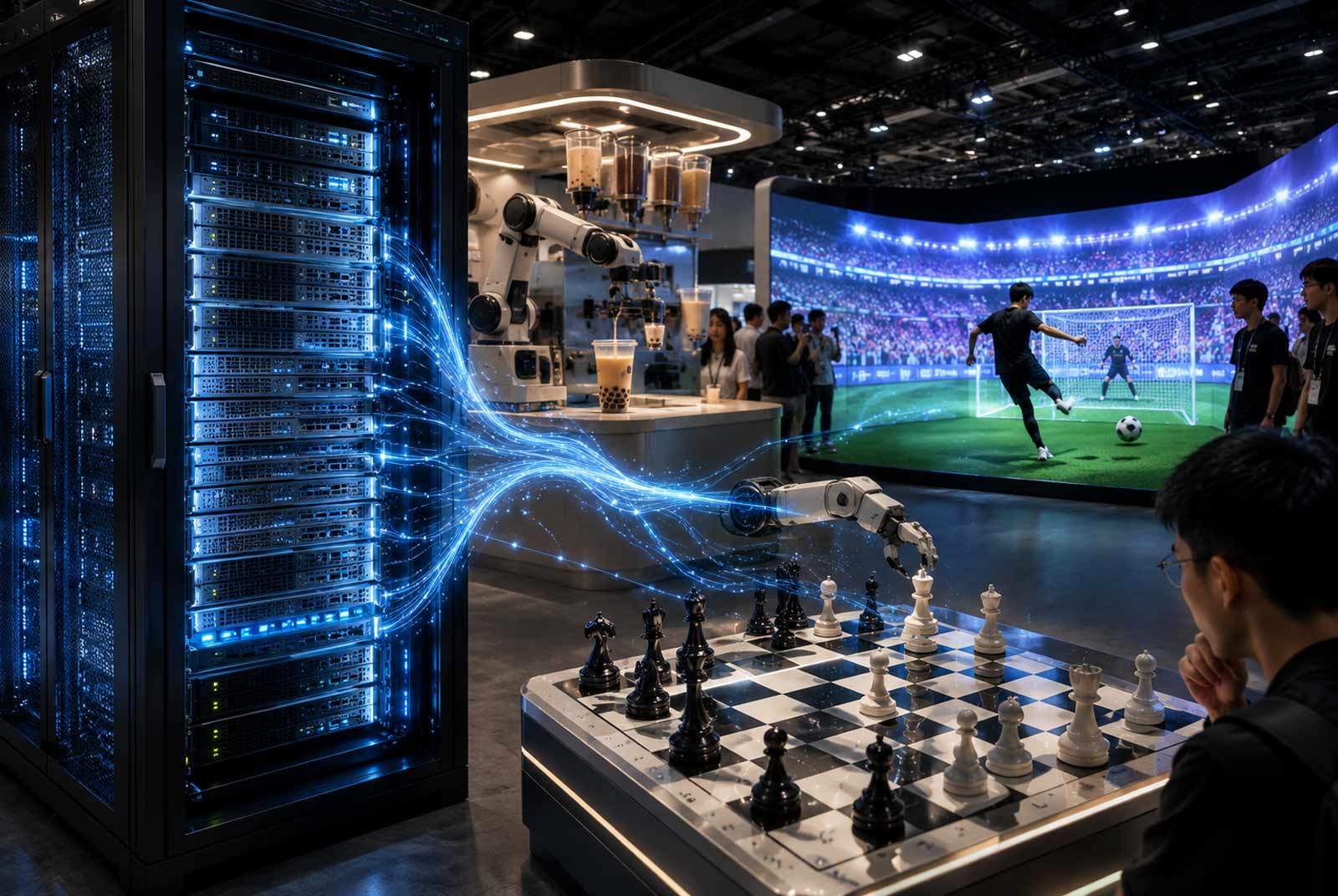
In industry terms, these are “barebones” systems, or L6 units, which are shipped via air freight from Taoyuan International Airport to the U.S. There, at assembly plants, CPUs, GPUs, and other high-value parts are added.
According to Digitimes senior analyst Jim Hsiao(蕭聖倫), these L6 server boards are the primary force behind Taiwan’s AI server exports to the U.S.
As for server motherboards with CPUs and GPUs already installed—commonly referred to in the industry as L10 units—exports to the U.S. jumped from $3.47 billion in 2022 to $15.9 billion in 2024, exactly half the value of L6 exports.
Jim Hsiao notes that while the L10 numbers look substantial, they include the extremely expensive GPUs and CPUs, meaning the actual unit volume could be only one-tenth that of L6 shipments.
Why are so many of these units shipped to the U.S. instead of Mexico, which used to be the favored destination for Taiwanese manufacturers? (Taiwan’s L6 exports to Mexico account for less than one-tenth of those to the U.S.)
Hsiao explains that currently, Quanta is the only Taiwanese manufacturer with final assembly facilities in the U.S. But because local demand for AI data centers is enormous, large U.S.-based server integrators—like ZT Systems, acquired by AMD last year, as well as Google’s in-house server factories—are sourcing motherboards directly from Taiwan.
Shipments of GPUs and TPUs from Taiwan to the U.S.—classified as “other integrated circuits”—also soared, from $2.6 billion in 2022 to $6.7 billion in 2024.
Just these three product categories alone saw a combined increase of $44.9 billion in exports to the U.S. over two years.
Put differently: without this AI boom, Taiwan’s trade surplus with the U.S. would be less than 40% of what it is now.
Korean Memory, Taiwanese Surplus
This surge has also led to an unexpected side effect: South Korea overtook Japan for the first time last year to become Taiwan’s largest source of imports.
The reason? A dramatic spike in imports of one particular item: dynamic random-access memory (DRAM) integrated circuits.
(Continue reading the full story on Tech Taiwan Substack.)
Have you read?
- Trump’s Tariffs to Hurt Taiwan Profits — AI Sector Most Vulnerable
- Taiwan Stock Market Plummets as Trump’s Tariff Announcement Spurs Panic Selling
- Taiwan Businesses Brace for 32% U.S. Tariff Shock
Uploaded by Fiona Lin
Views

Subscribe to CWE Newsletter (every Thursday)
Stay abreast of what's happening in Taiwan with our weekly digest.
Keywords: