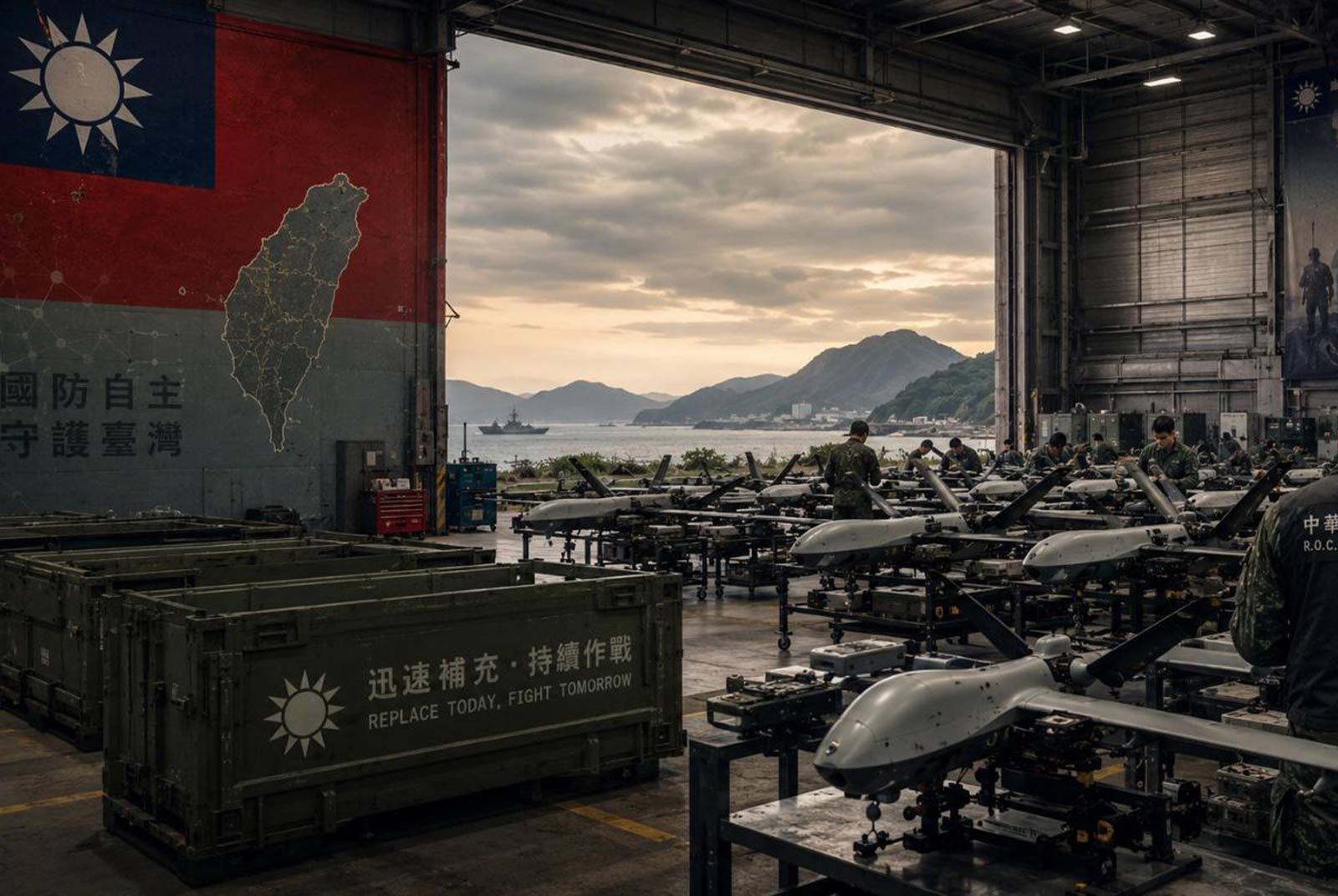
What Are You Asking People to Imagine?
Source:Joshua Roberts
I've spent a lot of my career showing unfinished things to people. Over time, I've learned that the more we leave unfinished, unexplained or open to interpretation, the more we're asking someone else to imagine what we already see clearly in our own heads.
Views
What Are You Asking People to Imagine?
By Joshua Robertsweb only
The Placeholder Problem
Years ago, I didn't think much about placeholders. If the photography wasn't ready, we'd use something temporary. If the copy wasn't written, we'd drop in Lorem ipsum. If something hadn't been designed yet, maybe there was just a gray box showing where it would eventually go.
As designers, this all made perfect sense. We knew what was temporary, we knew what was coming later, and we could look at an unfinished page and imagine the finished version. Then we'd show it to the client, and they'd ask about the random photograph or point at the Lorem ipsum and ask what it meant.
Sometimes we'd spend part of a meeting talking about something that wasn't really part of the design at all. It used to surprise me. Why are we talking about this? That's just a placeholder.
But of course, the client didn't know that in quite the same way we did. The client only sees what's actually in front of them.
Over the years, I've become much more conscious of this. I've always believed that good design is the culmination of lots of different parts working together. The photography, copy, layout, typography, iconography and graphics all contribute to how something feels and what it communicates. Take too many of those pieces away and you're not really asking someone to respond to the design anymore. You're asking them to imagine it.
Making It Real
These days, we try to make what we present feel as real as possible, even when we don't have everything we need. Sometimes that means making things up.
If the final copy isn't ready, we'll write something that makes sense. If we don't have the right photograph, we'll find another way to represent the idea. It doesn't have to be final, and we're not trying to pretend that it is. It just needs to make sense within the story we're trying to tell.
Something interesting happens when you do that. A realistic headline might make someone say, "That's not actually our main benefit." A product image might prompt an engineer to tell us we've shown the wrong application. A few meaningful bullet points might start a conversation that Lorem ipsum never could.
That's useful feedback. The less clients have to imagine our part of the work, the more they can concentrate on the things they know better than we do.
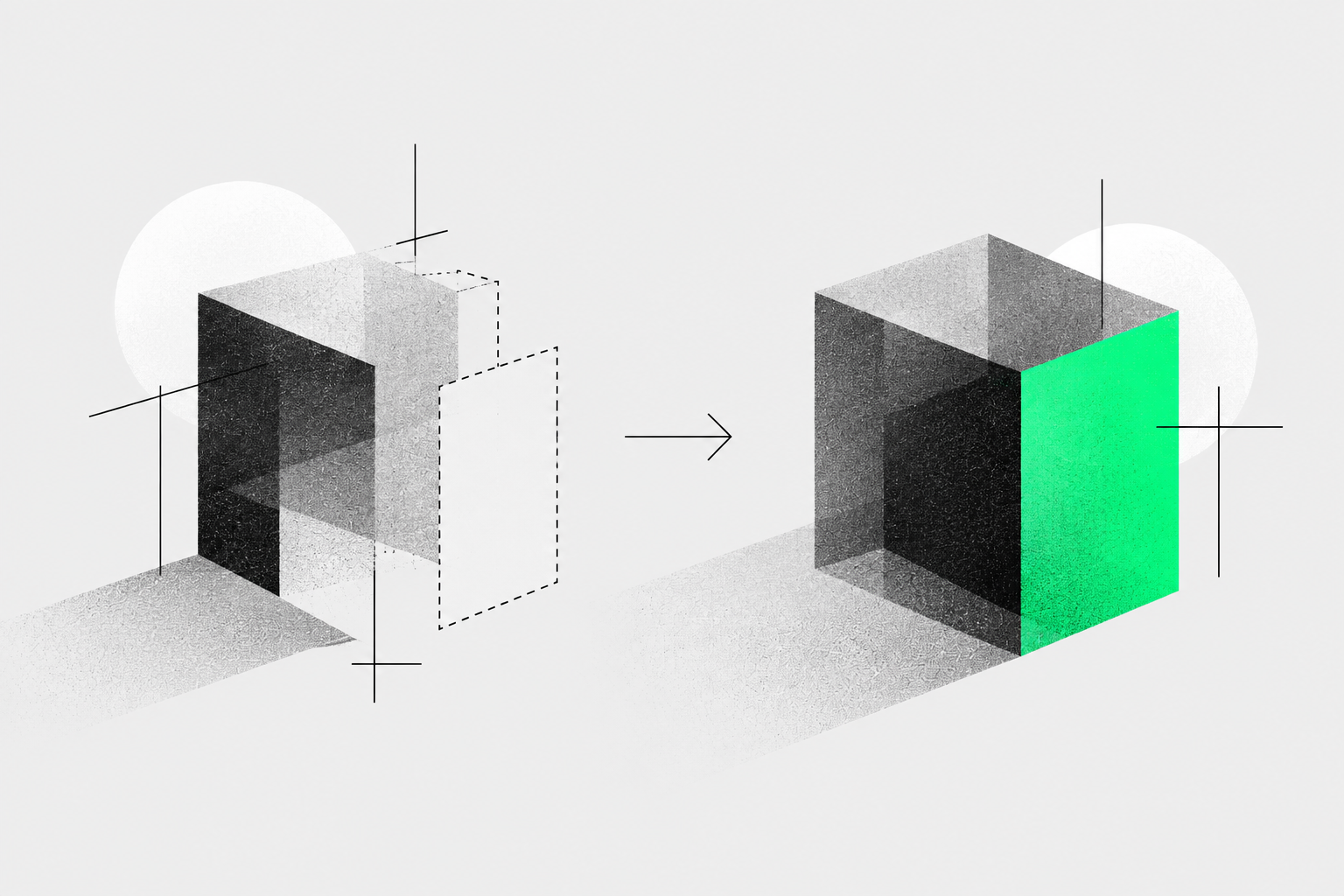 The less people have to imagine, the more useful their feedback becomes.
Looking From The Other Side
I've noticed the same problem outside of presenting design work. Companies know themselves extremely well. People who have spent years inside a business know the products, acronyms, specifications, capabilities, customers and history. They understand how everything fits together because they've had years to make those connections.
Someone encountering that company for the first time hasn't.
I see something similar when we ask clients to show us websites or other work they like. Most of the time, they show us companies in their own industry, often their direct competitors. They rarely pull up something completely unrelated and explain that they like one company's information architecture, another company's visual language and the way a third handles content.
They look for something they can relate to. I don't think there's anything wrong with that. It's simply much easier to react to something when you can already see how it connects to your own situation.
I see the same challenge when I visit B2B company websites. Sometimes there's an enormous amount of information available, but I still have trouble figuring out what the company actually does, who something is for, or why it should matter to me. Nothing is necessarily missing. The terminology might be correct, the products might all be there and every capability might have been carefully included.
The problem is that I'm being asked to put the pieces together myself.
And I understand how that happens. When you already know the whole story, it's difficult to see which parts another person can't see. What feels completely obvious from inside a company can require quite a lot of imagination from someone looking in from the outside.
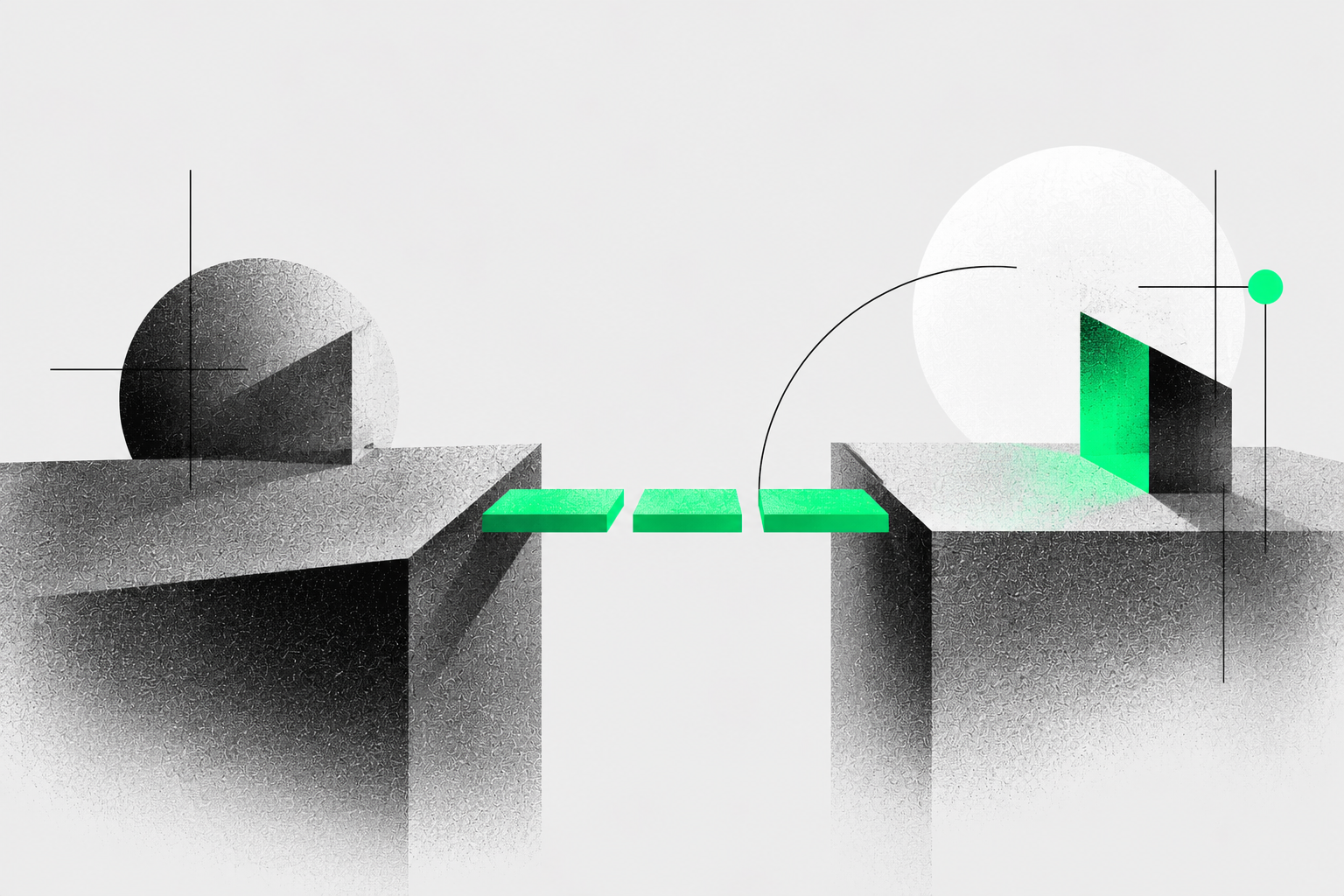 The more connections people have to make themselves, the easier it is to lose them.
What Are You Asking Them to Imagine?
I still use placeholders. Sometimes there's no other choice. Projects move quickly, information arrives late, and there will always be moments when something isn't ready yet. But I'm much more conscious now of what I'm asking someone else to fill in.
Maybe that's the question I've carried with me from all those design presentations: What are you asking the other person to imagine?
Sometimes they need more information or a better example, while other times we simply need to make a connection that seems completely obvious from where we're standing.
After all these years, I think that's what I've become more aware of. We spend so much time looking at the finished picture in our own heads that it's easy to forget nobody else can see it.
(This piece reflects the author's opinion, and does not represent the opinion of CommonWealth Magazine.)
CommonWealth Magazine welcomes op-ed submissions. Please send your article proposals to [email protected]
About the Author:

Joshua Roberts is the Founder of Level Interactive™, a Taipei-based brand strategy and design consultancy helping B2B and technology companies get clear on their story and communicate it well. A former Global Creative Director at Acer, he has worked across agency and in-house roles over more than 20 years in Taiwan. Outside of client work, he spends his time hiking, traveling, and practicing close-up magic, a habit that goes back further than his design career does.
Contact: [email protected] or connect on LinkedIn.
Have you read?
- How Taiwan Can Build Global Brands Without Losing Itself
- Line Logic: Why Trust in Taiwan is Earned Not Announced
- What Hiring Reveals About a Company’s Brand
Uploaded by Ian Huang
Views

Subscribe to CWE Newsletter (every Thursday)
Stay abreast of what's happening in Taiwan with our weekly digest.
Keywords: